Superhero movies approach origin stories in different ways. Some stick very closely to the original comics, even recreating scenes exactly as they appear on the page. Others completely reimagine the hero’s beginnings. It’s important to remember that simply copying the comics isn’t always the best approach. While dedicated fans might want a perfect adaptation, it doesn’t always make for a good movie experience for everyone.
One of the biggest challenges when making a movie from a comic book is that things that look fine on the page can seem silly on screen, pulling viewers out of the story. This is especially risky when it comes to a hero’s beginnings – a weak origin story can sink the whole film. For example, the Hulk’s comic book origin – surviving a massive gamma explosion – feels unbelievable in a movie. The film version, where he’s exposed during gamma radiation testing, is much more believable and works better for the story.
Sometimes, Marvel and DC nail the origin stories of their heroes. Even when details like the time or place are updated, these stories often stay true to the original comics. For example, a story might shift from happening during the Vietnam War to taking place in Afghanistan. But when the movies get these origins right, it usually improves their chances of being successful.
Shazam! (2019)
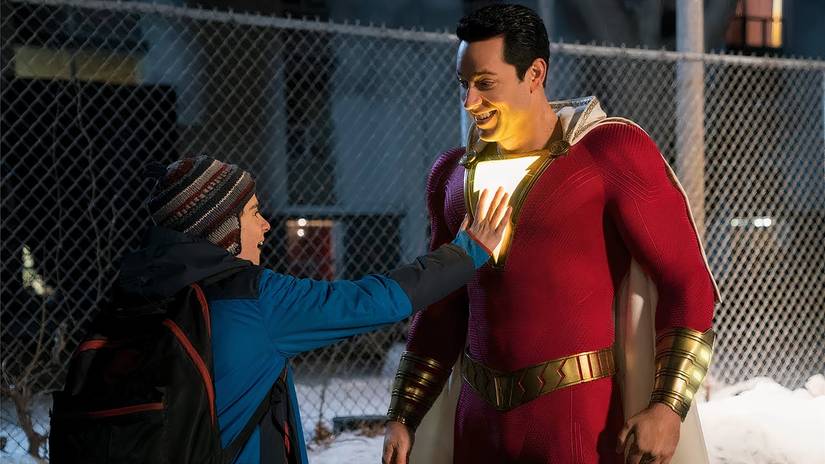
The Shazam! movie, part of the DC Extended Universe (DCEU), draws its story from the 2011 reboot of the DC comics known as New 52, which followed the Flashpoint event. Both the movie and the New 52 comics depict Billy Batson as a teenager living in foster care in Philadelphia, chosen by the wizard Shazam at the Rock of Eternity. Instead of using the original, classic storyline, director David F. Sandberg chose to focus on a foster family dynamic, featuring characters like Freddy Freeman and Mary Bromfield, who become part of the Shazam Family.
The main difference in this movie is that, unlike the comics, Black Adam wasn’t chosen as the villain; instead, the filmmakers went with Dr. Thaddeus Sivana and the Seven Deadly Sins. The story focuses more on Billy’s journey to maturity rather than a grand, legendary tale. However, the way Billy gains and learns to control his powers closely follows the storyline from the New 52 comic books.
Wonder Woman (2017)
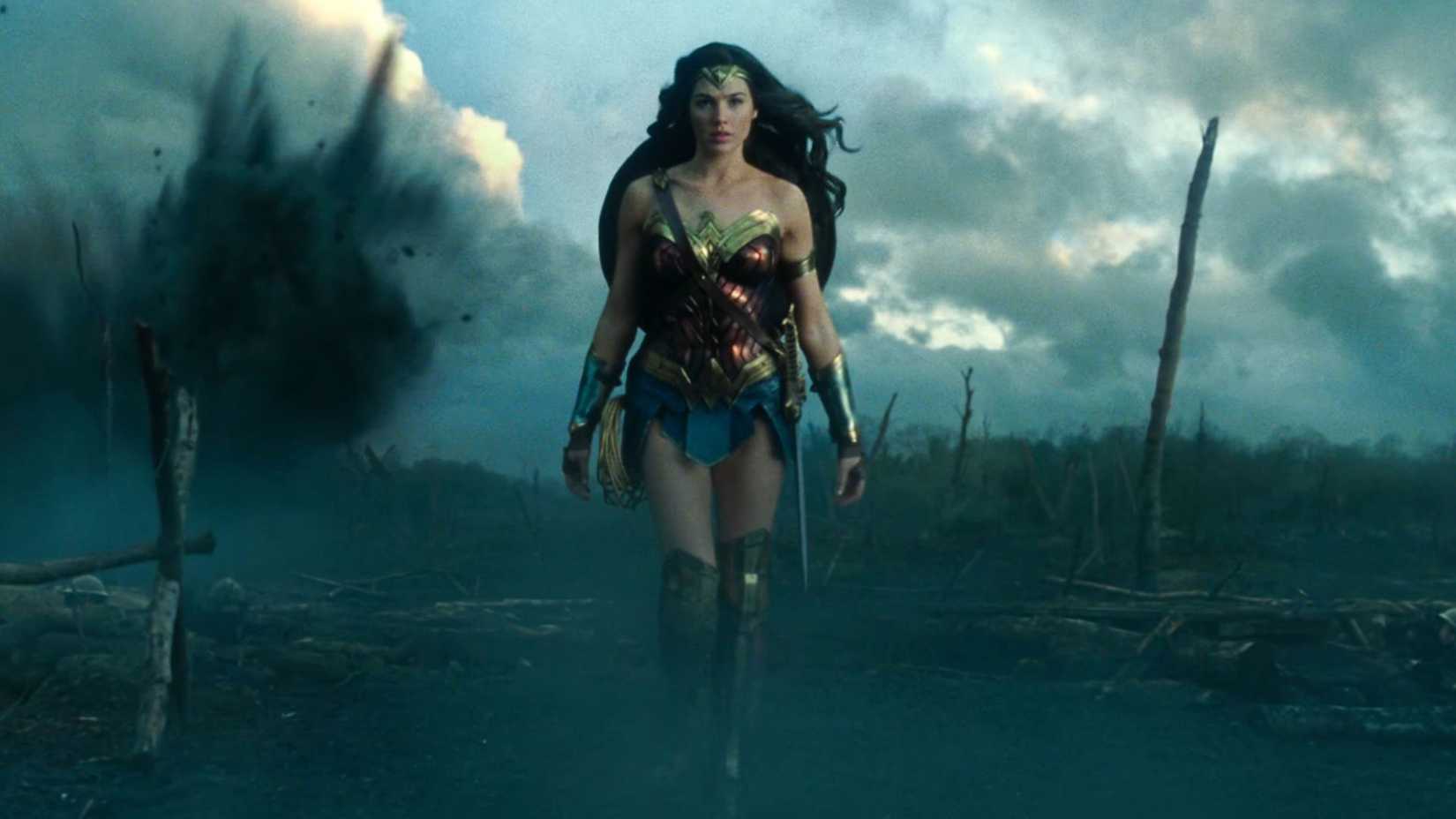
Patty Jenkins, the director of Wonder Woman, adjusted some details of the character’s origin story, but stayed true to the core of Diana’s journey. The biggest changes involved the setting – instead of Wonder Woman first appearing during World War II, as in the original comics, the film places her arrival in the world during World War I, and features Steve Trevor as part of that earlier conflict.
While some treated her creation from clay as just a myth, Ares confirmed Wonder Woman was the daughter of Zeus and Hippolyta. Her training with Antiope was also included, but the core story of Diana, a warrior intervening in the human world to end war, stayed consistent. This made the adaptation a strong representation of the comic book source material, as Wonder Woman continued to be a symbol of hope.
Spider-Man (2002)
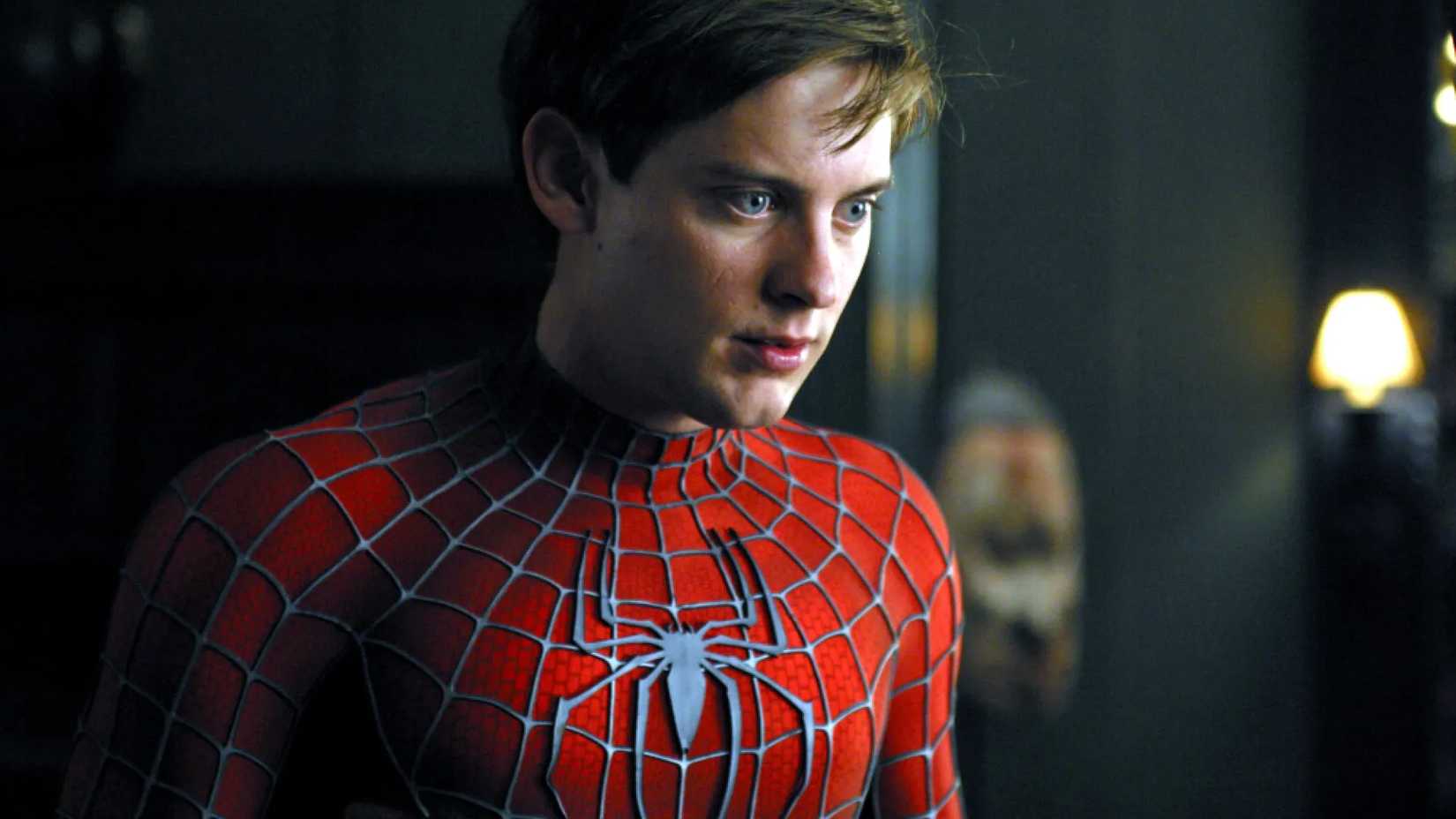
The first Spider-Man movie directed by Sam Raimi closely followed Peter Parker’s original story from the comics. Peter, a smart and scientifically-minded student, gained superpowers after being bitten by a radioactive spider. Similar to the comic books, he initially sought fame, attempted a career in professional wrestling, and tragically, his Uncle Ben died because he didn’t intervene when a crime was happening.
The movie’s depiction of Spider-Man’s fight with the Green Goblin closely followed the comic book version. The main difference was how Spider-Man got his webs: the film showed him with naturally produced webs, while the comics featured a teenaged Peter Parker inventing his own web-shooters. Aside from that, the origin story stayed very true to the source material.
Thor (2011)
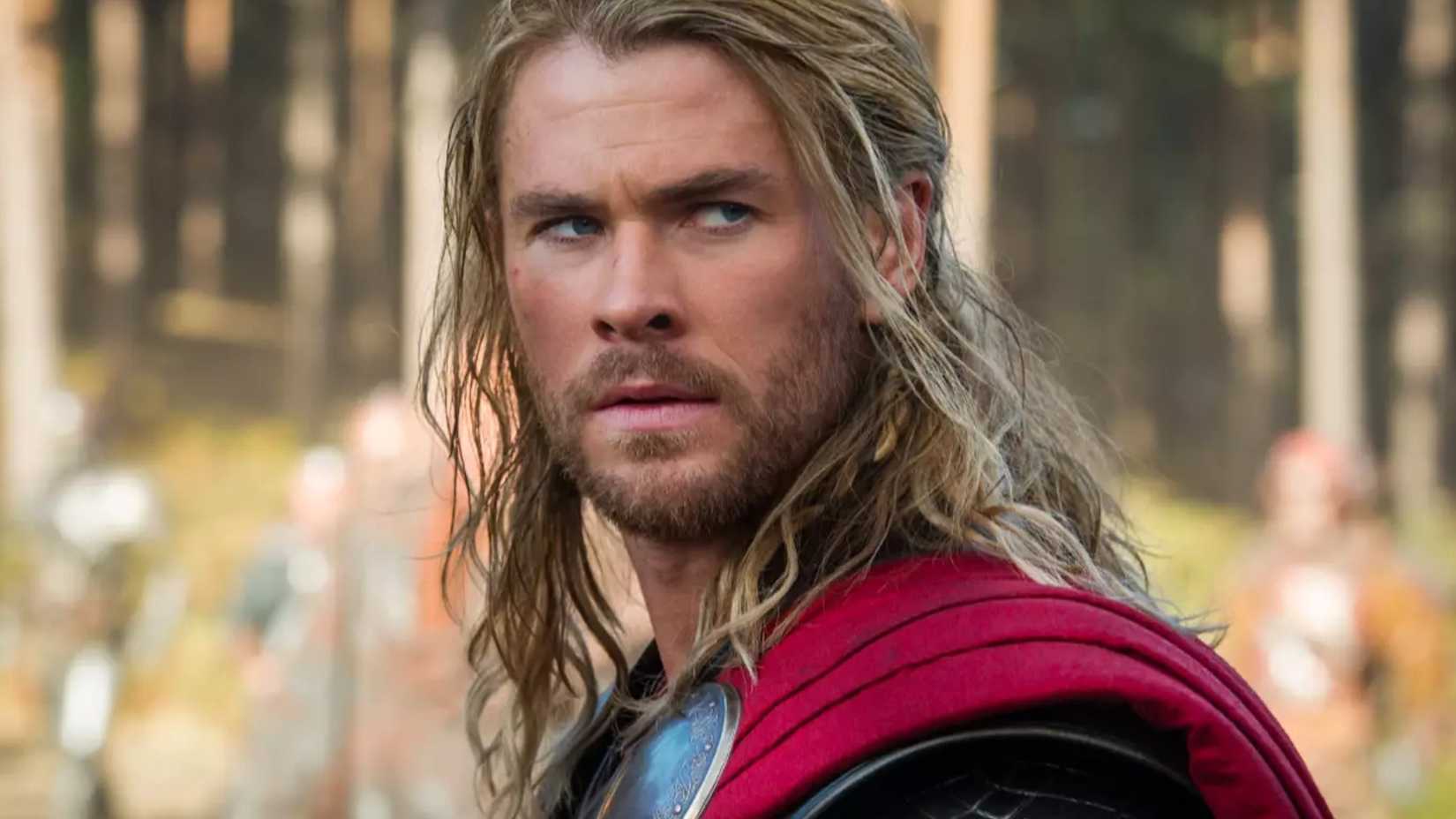
One key element absent from Thor’s initial movie was the character of Donald Blake. In the original comics, Odin sent Thor to Earth and transformed him into Blake, a human Odin himself had created. Blake used a cane that, when tapped on the ground, would become Thor’s hammer, Mjölnir, allowing Thor to transform and fight. For years, Thor was bound to Blake’s identity before finally breaking free. This was all designed to teach Thor the value of humility and prove he was worthy of his power.
In the Marvel Cinematic Universe, Odin took away Thor’s hammer, Mjölnir, and banished him to Earth without his powers. Thor had to prove he deserved to be the God of Thunder to regain Mjölnir. The films portrayed this as a period where Thor couldn’t wield his hammer until he was worthy again. The character of Jane Foster was updated from a nurse to a scientist, though she remained a key part of the overall story in both versions.
Doctor Strange (2016)
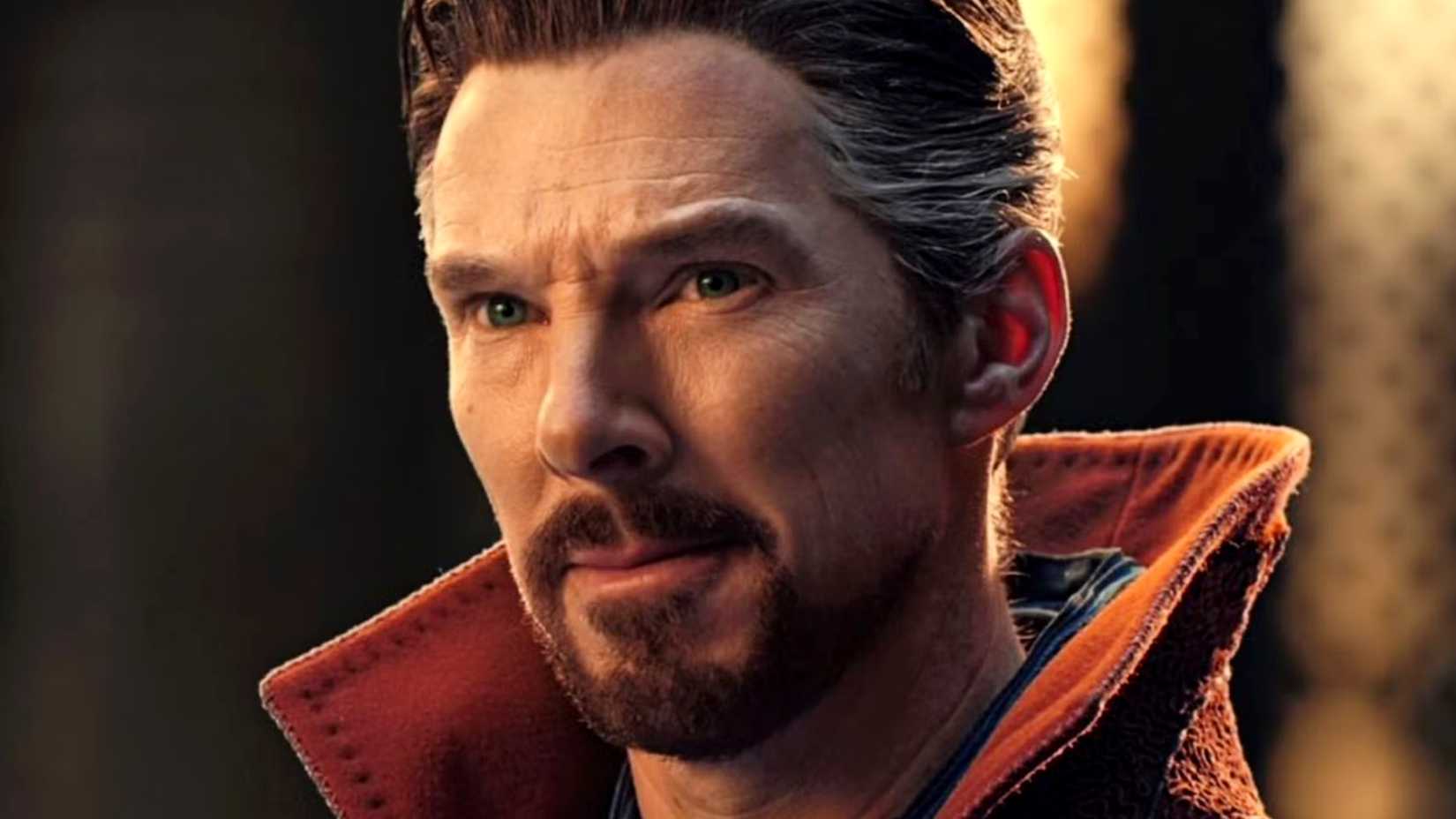
The movie accurately portrays Doctor Strange’s beginnings. Stephen Strange started as a brilliant but self-centered surgeon, prioritizing wealth and recognition above all else. A devastating car accident severely damaged his hands, and despite being told he’d never perform surgery again, he relentlessly sought a way to heal. This search led him to the Ancient One, and ultimately, to becoming the Sorcerer Supreme.
The movie closely followed the character’s original introduction in the Marvel Cinematic Universe. While a few details were updated – like relocating Kamar-Taj to Nepal and reimagining the Ancient One as a powerful woman – the core story remained the same. With the Ancient One serving as a guide, Wong as a helpful friend, and Baron Mordo poised to become an enemy, this origin story felt remarkably well done.
Black Panther (2018)
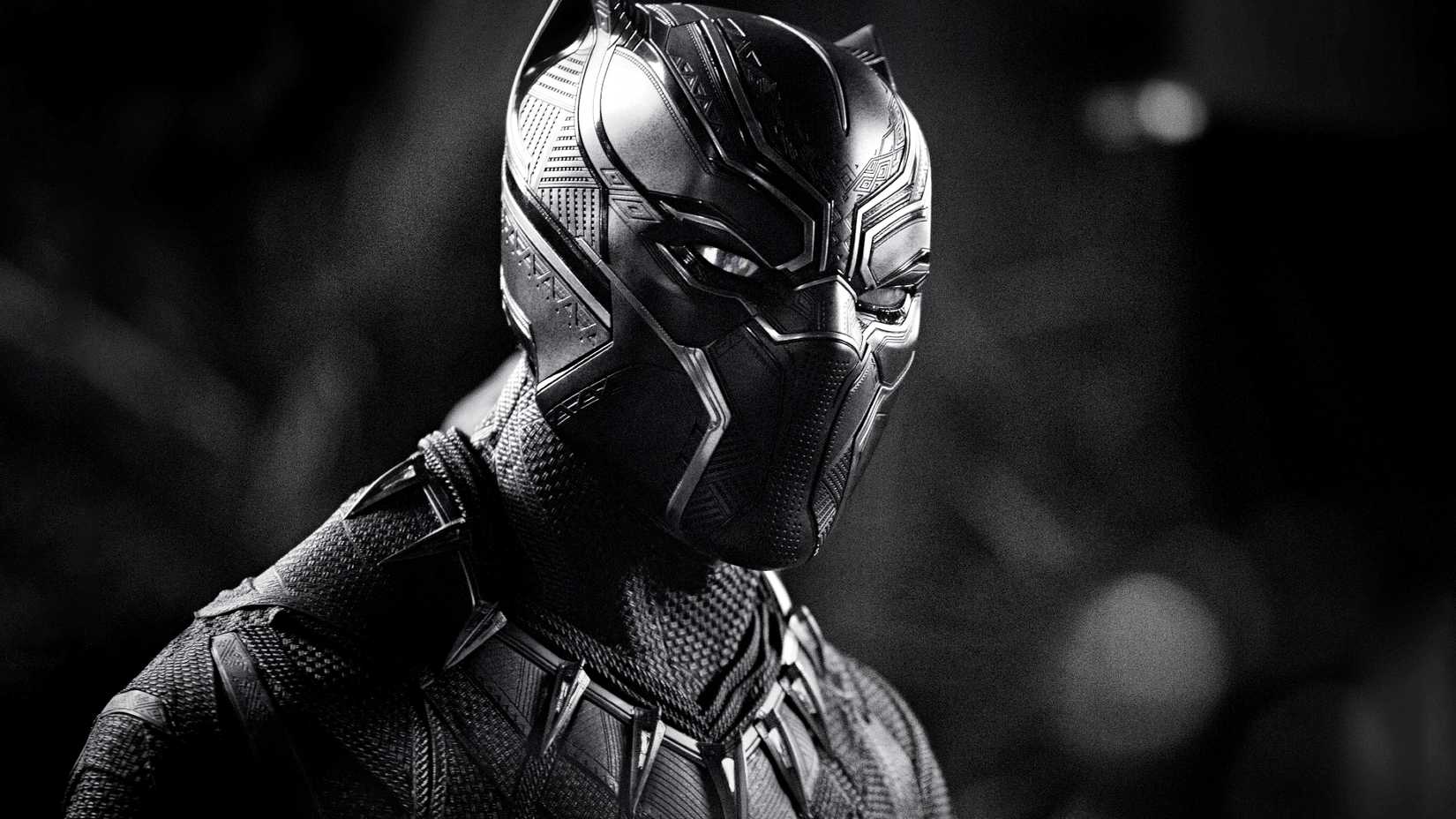
Black Panther first appeared in the Marvel Cinematic Universe during Captain America: Civil War as a prince. After his father was killed by Baron Zemo, T’Challa became the King of Wakanda. This differs from the comics, where Ulysses Klaw killed T’Challa’s father. The backstory of Killmonger’s father also varies between the comics and movies. Additionally, in the comics, T’Challa didn’t become king immediately after his father’s death; he challenged and defeated his uncle to take the throne.
As a huge fan, I always appreciated how the films brought Shuri into the story right away – she didn’t even appear in the comics until much later! But the core of T’Challa’s journey – becoming king and then fighting to keep the throne – that was all straight from the source material. And Killmonger? He’s a comic book villain I’ve always loved, and they really did him justice in the movie. In fact, that intense scene where Killmonger defeats T’Challa and throws him over the waterfall? They recreated that exactly as it happened in the comics, panel for panel. It was amazing to see such a faithful adaptation!
Daredevil (2003)

I remember when the Daredevil movie came out in 2003, it didn’t get the best reviews. But then a director’s cut was released, and it actually fixed a lot of the issues with the story! What I really appreciated, though, was how closely it followed the original comics when it came to Matt Murdock becoming Daredevil. They nailed the key details – like how he lost his sight in a childhood accident and his other senses became incredibly sharp. And the fact that his father was murdered by the Fixer, Edward Fallon? That was taken directly from the very first Daredevil comic book back in 1964! It was a really faithful adaptation of that part of his origin story.
The film incorporated a murder case and the Kingpin character directly from the Daredevil comics, specifically from Frank Miller’s stories. While the movie portrayed Kingpin as a Black man, his overall character remained faithful to the source material. The storyline involving Elektra and her death at the hands of Bullseye, using her own weapon, was almost a direct adaptation of a comic book sequence.
Batman Begins (2005)

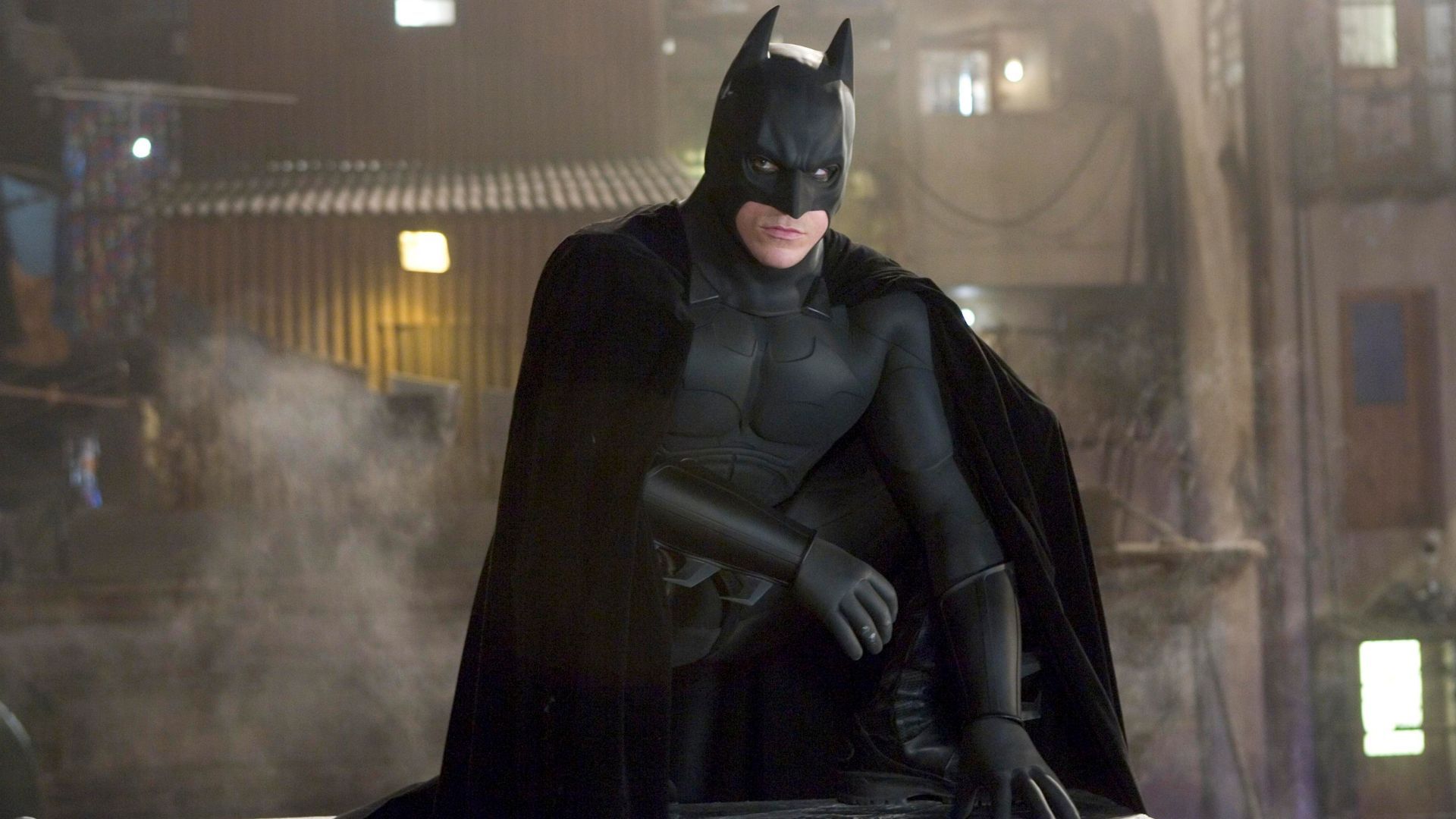
Tim Burton’s Batman movie skipped the traditional backstory. In fact, among all the DC films featuring Batman, only Christopher Nolan’s Batman Begins fully explored his origins, beyond simply showing the death of his parents. Interestingly, Batman Begins drew inspiration from several classic comic book storylines, specifically Batman: Year One by Frank Miller, The Man Who Falls by Denny O’Neil, and Batman: The Long Halloween by Tim Sale and Jeph Loeb.
The film’s extended training sequence for Bruce Wayne closely follows the comic book storyline from The Man Who Falls, where he learned from Henri Ducard. This years-long period is what transformed him into the skilled detective and fighter he becomes. While Batman didn’t join forces with the League of Assassins/Shadows in the original comics, most other elements, including the setting of Crime Alley, remained true to the source material.
Captain America: The First Avenger (2011)

The movie Captain America: The First Avenger closely follows the character’s beginnings in the 1941 comic books created by Joe Simon and Jack Kirby. Both the movie and the original comics tell the story of Steve Rogers, a physically small and initially rejected army hopeful who becomes a national hero after receiving a special serum. The film even used the same visual depiction of the ‘Vita-Rays’ from the comics to show how Steve Rogers was transformed.
Bucky Barnes underwent a significant transformation, evolving from a young assistant to Steve Rogers’ close friend and a capable soldier. While the details of his supposed death were altered, both versions of the story led to his return as the Winter Soldier. The film drew heavily from classic Captain America comics, featuring characters like the Howling Commandos, Peggy Carter, and the Red Skull, making it a remarkably accurate adaptation of the source material.
Iron Man (2008)
The movie version of Iron Man’s origin made one significant change. The war setting was updated from the Vietnam War, which is where it took place in the original comics. Interestingly, the comics themselves have also been evolving, sometimes using a fictional conflict called the Siancong War to avoid dating the story. The movie ultimately chose Afghanistan as the location where Tony Stark became Iron Man.
Almost everything stayed true to the original story. Like in the comics, Tony Stark was wounded and on the brink of death when captured by terrorists, who then forced him to create weapons for them. Instead, he teamed up with a fellow prisoner – a scientist – and together they built an armored suit that allowed him to escape and become Iron Man. The first version of the suit, the Mark I, closely resembled the one from the comics, and his overall origin story as Iron Man was nearly identical to the Marvel Comics version, simply set against a different conflict.
2026-05-24 19:51