 1
1
Almost ten years ago, Andrea Werhun began writing her memoir, “Modern Whore,” and initially hesitated to openly discuss her experiences as an escort and stripper. Ultimately, she decided to share her story publicly, hoping to use it to raise awareness and support for sex workers.
Nicole Bazuin’s documentary, “Modern Whore,” takes a unique approach. Beyond simply being interviewed, 36-year-old Werhun actively stars in reenactments of her life, often appearing topless. The film also uses vibrant visuals, upbeat music, and a generally playful style.
Werhun, a sex worker who began in college and continues to do so alongside their writing and acting careers, worked as a consultant and producer on Sean Baker’s film “Anora.” They provided feedback on the script and various versions of the movie. It first premiered at the 2025 Toronto International Film Festival and is now available to stream online.
In a recent video interview, Werhun and Bazuin talked about the film’s style and what it aimed to achieve. The interview was shortened for easier viewing.
To what extent did you intentionally set this documentary apart from others focusing on sex work?
Bazuin explained that the film was designed to feel like stepping into a storybook, with Andrea herself guiding the audience through her experiences as both narrator and performer. They intentionally used bright colors and a unique, artistic style to challenge the often bleak or depressing portrayal of sex work in film, believing that a stylized approach can sometimes reveal deeper truths than strict realism.
Werhun points out that documentaries often show sex workers using a style called ‘cinema verité,’ which unfortunately tends to feel like voyeurism.
Most documentaries about sex work don’t show explicit scenes with the people featured in the film. The question is, what was the reason for including those kinds of scenes in this one?
Bazuin: We wanted to disrupt expectations audiences might have and to make it a more human portrait.
Werhun shared their passion for performing and expressed a desire to pursue acting professionally, describing the event as a great opportunity to demonstrate their skills.
It would feel like censorship to remove nudity or sex scenes from a film exploring those themes. I’m proud of my body and how I’ve used it in my work. Nicole and I carefully created those scenes to be artistic, humorous, and thought-provoking.
As a movie fan, I’d say this film really covers a lot of emotional ground. It’s intentionally provocative – it’s meant to be a bold statement about feminism and the rights of sex workers, aiming to spark real change. Because of that, it doesn’t shy away from showing the very real dangers and hardships the main character, Andrea, faces. The filmmakers hope this will lead to better laws, things like decriminalization, that would make the work safer for everyone involved.
Andrea, why interview your boyfriend and mom on camera?
Many people assume sex workers are lonely and easily targeted because they lack support. I wanted to challenge that idea and show that we are absolutely capable of having healthy, loving relationships.
This is presented as a film memoir yet you then include other sex workers’ perspectives.
When it comes to stories about sex work, we often see perspectives from white, educated, cisgender women. While important, these experiences represent only a small part of the overall picture. It’s crucial to share a wider range of voices – considering race, gender identity, and class – to get a more complete understanding. Ultimately, all sex workers deserve respect and dignity.
You’re aiming to move beyond portraying sex workers as simply victims or villains, but you yourself experienced exploitation and sexual assault while working in the industry. Does this mean sex workers will continue to be vulnerable to harm unless they receive legal protections?
As a longtime moviegoer, I’ve always been fascinated by stories exploring the gray areas of morality, and this situation feels very much like one of those. It seems like most people involved aren’t inherently malicious – they’re simply engaging in a transaction, a service offered and paid for. But when something is pushed underground and criminalized, it automatically creates opportunities for exploitation and makes people afraid to seek help or justice. It’s a sad truth that even people in vulnerable positions, like sex workers, often don’t feel safe turning to the police, especially if they lack basic labor protections. It really highlights how important it is to ensure everyone has rights and feels secure enough to come forward when they need to.
We’re up against a system that tries to hide what’s happening and believes simply punishing people will solve the problem. But punishing people doesn’t work – it actually makes things worse and creates more victims. It’s a harmful approach.
Where does OnlyFans fit into the sex work equation?
Werhun explains that traditional sex work, like escorting and stripping, offers flexibility – you can work when you choose. However, platforms like OnlyFans require constant effort – creating content, engaging with fans, and continually promoting yourself. Unlike in-person work, which can remain private, your online presence on OnlyFans is permanent. Werhun tried OnlyFans for a year and a half, and while it helped cover rent, they prefer other forms of sex work, suggesting it’s best suited for those who are comfortable living much of their lives online.
How did audiences respond to the film at festivals?
Making this film felt like a leap of faith. It’s a heartfelt expression of support for sex workers, relying on audiences to be open-minded and understanding. I was really happy with the positive response it received. It was incredible to witness people confront and overcome their biases while watching it. We hope the film will contribute to positive social change. If it resonates with viewers, they might be more inclined to support equal rights for sex workers when discussions about criminalization and legal reforms come up, remembering the film and feeling empathy.
‘Marty, Life Is Short’ (Netflix)

Think of that famous scene in Butch Cassidy and the Sundance Kid where they jump off a cliff to escape. Now picture Ed Grimley and Forrest Gump in their place instead of Paul Newman and Robert Redford.
The documentary features plenty of great clips from Martin Short’s impressive career, with his Jiminy Glick sketches being particularly funny. It’s also delightful to see home movies of Short being playful with family and friends, including Tom Hanks and director Steven Spielberg, who helped create one of the film’s memorable parodies.
The film doesn’t just focus on Jackie Short’s career; it also explores his personal life, showing the deep sadness he experienced both as a young man and later on. It reveals the pain behind his cheerful public persona and highlights the strength that helped him persevere.
‘The Crash’ (Netflix)

This gripping true crime story centers around a fatal car crash in a small town. Seventeen-year-old Mackenzie Shirilla was found guilty of deliberately killing her boyfriend and a friend who were also in the car. While the investigation was thorough, the most striking aspect of the case was the unwavering refusal of Shirilla’s family and friends to accept the evidence against her.
‘Rafa’ (Netflix, May 29)
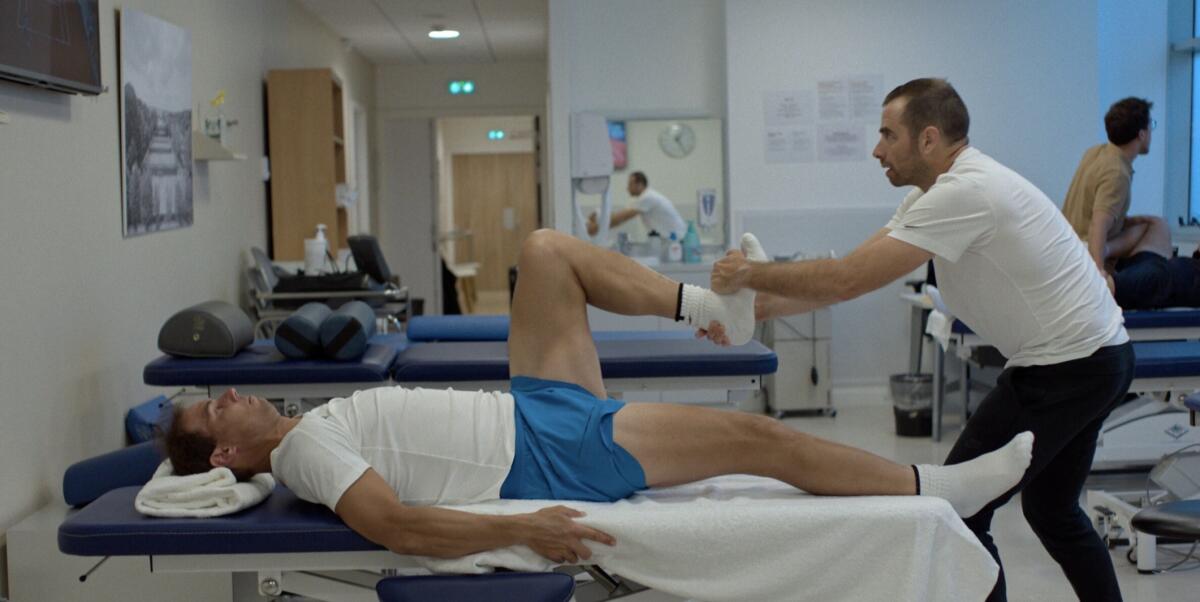
The new documentary celebrates Rafael Nadal and his incredible career at the French Open, showing his dedication despite constant pain and injuries. While Roger Federer is often portrayed as smooth and sophisticated, this film presents Nadal as a relentless fighter. Though it leans towards being a celebratory tribute, the interviews with Nadal, his family, and rivals like Federer and Novak Djokovic offer genuine insights. We learn about his struggles with anxiety – his on-court rituals are a way to cope with pressure – and a serious intestinal issue caused by pain medication. The film also explores his complex relationship with his coach and uncle, Toni Nadal, who pushed him to succeed by embracing hardship. While the director could have shown more extended rallies to highlight Nadal’s fierce determination, there are still plenty of exciting match moments. At four episodes long, it’s a commitment, but if you’re willing to invest the time, it’s a rewarding look at a tennis legend.
2026-05-18 13:34