Villains in Dragon Ball aren’t just strong opponents for Goku; the truly memorable ones fundamentally alter the direction of the series. They can lead the story into more mature and complex themes, redefine the established rules of the universe, and even challenge core concepts like the Dragon Balls, the Saiyan race, the gods, and the potential of future installments. Ultimately, a villain’s impact goes beyond sheer power.
I’ve noticed something about villains in long-running stories: even when they’re defeated, they can fundamentally alter the world around them. Each new bad guy seems to push the story in a new direction, reshaping it. Think about Goku’s adventures – what started as a fun, energetic quest has been constantly evolving because of the challenges he’s faced. These villains didn’t just appear and disappear; they truly changed Dragon Ball. Their fights weren’t just battles, they redefined what was possible, upped the ante, and left lasting impacts that the series will always carry.
Frieza Made Goku’s Alien Past Impossible To Ignore
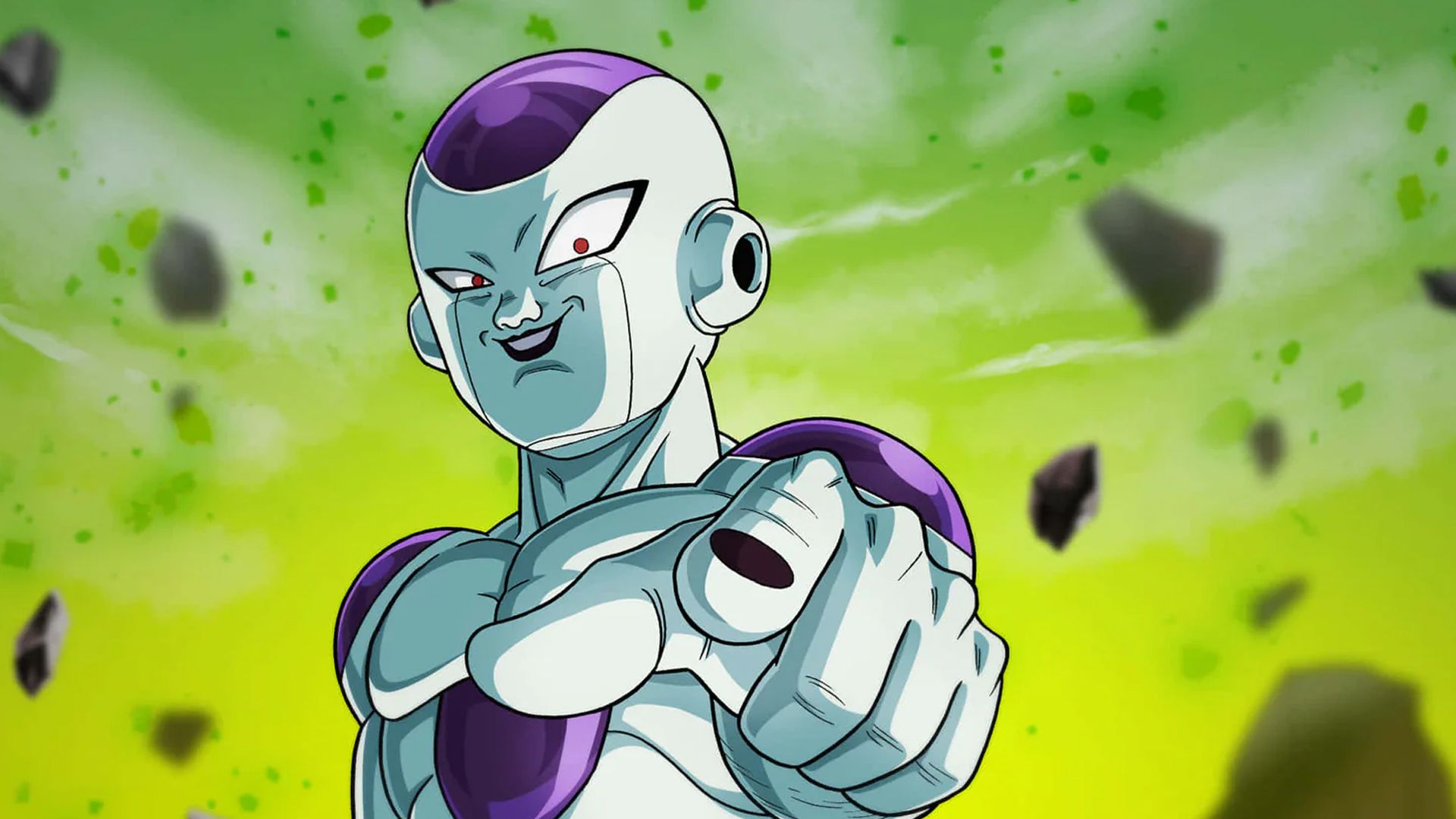
Frieza fundamentally changed Dragon Ball. After his introduction, the series felt much larger in scope. While the story had already grown with the introduction of Saiyans, space travel, and alien planets, Frieza made that expansion feel genuinely threatening. He’s a ruler who destroys planets and commands a vast galactic empire. Importantly, his involvement in wiping out the Saiyan race added a crucial and impactful layer to the series’ history.
Frieza is central to the history of Goku and the remaining Saiyans, directly influencing their origins and fates. He’s the common thread connecting the Saiyans’ past, Vegeta’s painful experiences, and Goku’s ultimate purpose. He also introduced one of the most memorable power-ups in the entire series, fundamentally changing Dragon Ball. This moment redefined what power meant in the series and raised the stakes for future conflicts.
Mercenary Tao Made Early Dragon Ball Feel Dangerous
Even before the introduction of Mercenary Tao, Dragon Ball featured challenges and unusual foes, but the series generally maintained a lighthearted tone. Goku’s journeys were filled with opponents who matched the show’s comedic style. Tao completely disrupts this balance. He’s a cold-blooded killer who defeats Goku and demonstrates that pure skill can make a human fighter truly frightening.
Honestly, Tao Pai Pai really shook things up for me as a fan! He’s just so casually cold-blooded, it made the whole Dragon Ball world feel way more dangerous and real. And it was the first time I really saw Goku struggle – someone who just completely outmatched him. He might not be the most famous villain, but I think Tao was a turning point. He helped shift Dragon Ball from a fun adventure series into something with a much stronger focus on martial arts and intense battles. It felt like the stakes were suddenly way higher!
Goku Black and Zamasu Turned Goku’s Face Into a Symbol of Fear
Goku Black and Zamasu dramatically altered Dragon Ball Super by corrupting the very idea of divine power. Zamasu’s intense dislike of mortals introduced a particularly dark theme to the series. Goku Black amplified this darkness by using Goku’s body to inspire fear – a face normally associated with hope, strength, and salvation now represented death itself.
This plot twist is more impactful than just another strong villain because it tarnishes the reputation of the series’ hero. Each battle with Goku Black is shocking because it shows Goku’s strength being used for evil and with a sense of superiority. The story also forces Future Trunks to relive tragedy, giving Dragon Ball Super a surprisingly bleak atmosphere. Zamasu’s goal of wiping out all mortals fundamentally changes how Dragon Ball portrays gods going forward.
King Piccolo Forced Dragon Ball To Grow Up Fast
King Piccolo transformed Dragon Ball by portraying evil as a massive, world-threatening force, not just a single villain. He wasn’t motivated by revenge or a desire for a fair fight; he craved global domination, and the story emphasizes the seriousness of this threat. His appearance shifted the series towards a more mature and darker tone, giving Goku one of his earliest and most meaningful conflicts against true evil.
Krillin’s death was a turning point for Dragon Ball. Before that moment, the series handled danger in a more playful way, but King Piccolo brought a real sense of loss. He even killed Shenron, eliminating the easy fix that was always available. Without King Piccolo’s impact, Dragon Ball wouldn’t have explored such darker themes before Dragon Ball Z, and it ultimately pushed the series to mature and evolve.
Vegeta Created Dragon Ball’s Greatest Rival Dynamic
Vegeta starts out as a villain in Dragon Ball Z, but he quickly becomes much more than just a one-time enemy. He’s a game-changer for the series, providing Goku with a consistent rival – someone who keeps coming back for more. Vegeta pushes Goku to become stronger, acts as a reflection of his own strengths and weaknesses, and ultimately becomes a key emotional force throughout the entire show. He also redefined what it meant to be a Saiyan when he first appeared.
Raditz first hints at it, but Vegeta truly develops the concept of Saiyan pride. He embodies the warrior background Goku was unaware of, and his focus on being a Saiyan continues to influence the story for a long time. Vegeta’s journey – from enemy to reluctant friend to family member – adds depth to the series. Plus, his ongoing rivalry with Goku drives the plot forward, as each new challenge, enemy, and power-up impacts them both.
Baby Vegeta Gave Dragon Ball GT Its Most Personal Revenge Story
While Dragon Ball usually presents Saiyan pride as a positive thing, the villain Baby highlights the destructive history of the Saiyan race. He embodies the resentment of the Tuffles, a people wiped out by the Saiyans, and forces the heroes to confront a past they didn’t create. This makes Baby a particularly compelling and powerful villain in Dragon Ball GT.
Baby is a powerful villain who takes control of others, ultimately transforming Earth into a weapon used against its heroes. His possession of Vegeta adds a strong symbolic layer to the story, as he uses the proud Saiyan warrior as the symbol of his revenge. This storyline gives Dragon Ball GT a more complex and darker theme than just increasing power levels, and delivers a significant critique of the history of the Saiyan race within the entire Dragon Ball franchise.
Omega Shenron Made the Dragon Balls the Franchise’s Greatest Threat
Omega Shenron flips the script on Dragon Ball, turning what was once a perfect solution into a major problem. The Dragon Balls have always been seen as a miracle, able to bring people back to life, rebuild planets, and fix almost any damage. But Omega Shenron and the Shadow Dragons change all that, forcing the heroes to question their long-held habit of relying on the Dragon Balls after every crisis. For years, they’ve always used the Dragon Balls to fix things, but now that solution is part of the problem.
Death and destruction aren’t always absolute. Omega Shenron shows that every wish has a hidden consequence, even if it isn’t immediately obvious. He’s essentially the price paid for using miracles so casually. As the last villain in GT, Omega Shenron brings the series to a satisfying conclusion, echoing its beginning. Goku’s story started with the Dragon Balls, and GT ends by revealing their potential danger.
Beerus Opened Dragon Ball’s Door To Gods and Divine Power
I have to say, Beerus really shook things up in the Dragon Ball universe. Before he showed up, the series had plenty of powerful beings – aliens, androids, all sorts of fighters. But after his arrival, everything expanded massively. Suddenly, we were dealing with actual Gods of Destruction, angels, and this whole new concept of divine energy. It wasn’t just about strong fighters anymore; the scale of the universe itself got much bigger, and it completely changed Goku’s training, leading to the Super Saiyan God transformation. He really redefined what Dragon Ball could be.
Beerus revitalizes the Dragon Ball series with a new dynamic, moving away from themes of anger and inherited power. He also opens up the story to a much larger universe, introducing characters like Whis and exploring the multiverse. By challenging Goku and Vegeta, Beerus forces them to learn and grow, giving the series a new focus after years of characters simply becoming more powerful. Ultimately, Beerus’s appearance demonstrates just how limited the previous power levels were.
Gomah Pulled Dragon Ball Back Into the Demon Realm
Gomah brings the focus back to the Demon Realm in Dragon Ball, making it a key part of the story once again. By portraying Gomah as a powerful ruler and schemer, the Demon Realm feels like a vibrant and important location, rather than just a backdrop. His influence begins with a wish that magically transforms Goku and his friends into children.
This decision fundamentally defines Dragon Ball DAIMA. By reducing the heroes’ raw power while retaining their abilities, the story shifts into a more unusual and exploratory direction. Gomah introduces new challenges and immerses the heroes in a world with its own complex society, threats, and past. This allows DAIMA to revitalize Dragon Ball‘s connection to demons and adventure, offering a unique feel different from Z, GT, and Super.
Broly Changed the Future of Dragon Ball’s Movie Villains
The original version of Broly is a well-known villain from outside the main Dragon Ball storyline, remembered for his incredible strength. The movie Dragon Ball Super: Broly further develops his character, giving him more depth and even greater potential. This transforms him from a popular side character into someone who could play a significant role in future stories.
Broly significantly impacts what Dragon Ball movies can achieve. He demonstrates that a film can redefine the established storyline, deepen the history of the Saiyan race, and introduce a character who has a lasting impact beyond a single fight. This is a huge change for the series. Broly isn’t just a returning character; he’s become a central figure in the main story, making the Dragon Ball universe feel even more expansive.
2026-05-18 04:14