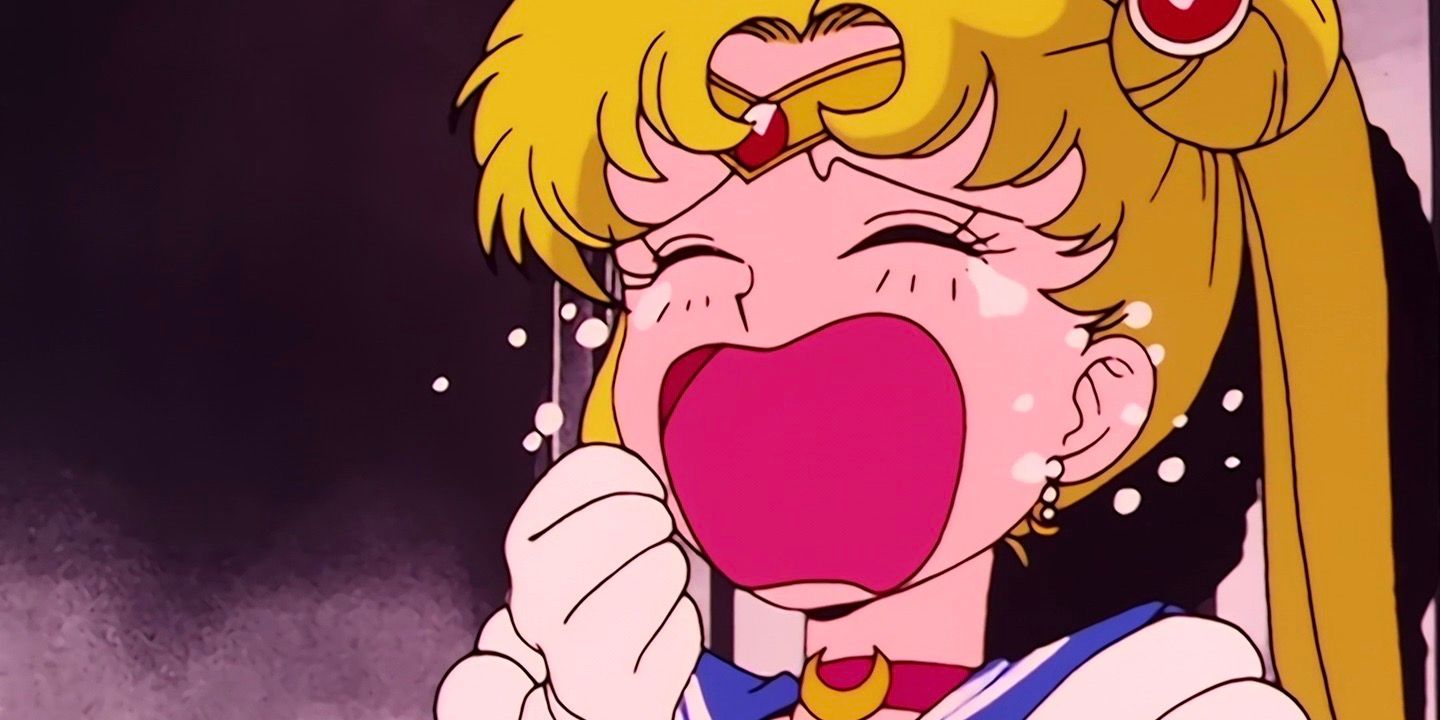
Sailor Moon essentially created the magical girl genre, and its influence on anime, fashion, and pop culture is still huge today – even over thirty years later. The series introduced Usagi Tsukino, a relatable and endearing middle school student who becomes a powerful warrior, and the 1990s anime adaptation turned her story into a worldwide success that deeply impacted how a generation experienced anime.
Watching Sailor Moon for the first time now feels different than it did in 1992. The show was made with the technology and storytelling styles of the early ’90s, and those choices—like the limitations of broadcast television and conventions of the time—are noticeable today and can make it a bit harder to get into.
Half Of Sailor Moon’s 200 Episodes Are Filler
When the original Sailor Moon anime from the 1990s was broadcast, the manga was still being written. To avoid animating beyond the available manga chapters, Toei Animation had to add extra, non-critical episodes to each season. This resulted in a 200-episode series where almost half of the content doesn’t move the main story forward, but simply fills airtime. Many viewers find this slow pace frustrating, as they’d rather see a consistently developing plot instead of repeating side stories.
Viewers used to today’s anime, which typically has focused seasons of 12 to 24 episodes, might quickly notice this show feels slow. The original Sailor Moon often spends many episodes without making much progress in the main storyline. Sailor Moon Crystal fixed this issue by closely following the manga and removing unnecessary scenes.
The Monster-Of-The-Week Formula Repeats Without Variation
Most episodes of the original Sailor Moon follow a very predictable pattern. A villain targets someone to steal their energy, the Sailor Guardians show up to fight, Tuxedo Mask tosses a rose, and Sailor Moon ultimately defeats the monster. This formula is repeated throughout the series, with very little variation. Toei Animation reuses transformation sequences and attack animations so often that longtime fans know all the lines by heart.
It’s harder to enjoy Sailor Moon now because the magical girl genre has changed so much. Shows like Puella Magi Madoka Magica actively challenge or break down the very elements that made Sailor Moon popular, making the older series feel like an early draft rather than a fully realized story.
Usagi’s Power-Ups Are Given Rather Than Earned
Unlike most action heroes who get stronger through hard work and training, Usagi doesn’t often practice her powers. Instead, she gains new abilities, transformations, and strength boosts when the story needs them to happen. These often come from Luna, happen during intense emotional moments, or just appear unexpectedly without any prior preparation.
Super Sailor Moon and Eternal Sailor Moon gain their power boosts from outside sources, not through personal development. This makes Sailor Moon’s increasing strength feel random compared to how power-ups work in many current action anime. A good final battle needs to feel uncertain – we need to believe either side could win. But when Usagi consistently gets a new power exactly when she’s in trouble, it ruins the suspense.
Mamoru And Usagi’s Romance Has A Serious Age Problem
Looking back, the romance between Mamoru and Usagi in Sailor Moon feels different than it did when the show first aired. There’s a significant age difference – Mamoru is a young man attending college, while Usagi is just 14 years old. The series presents this difference as fate, rather than something questionable, and it’s a key part of what makes their relationship so well-known.
Because of this, many new viewers struggle with the show, as they expect more respectful relationships in fiction. Other storylines make this worse. For example, in the Black Moon arc, Prince Demande kidnaps and forcibly kisses Usagi, and the story doesn’t really criticize this behavior. These choices were common in shojo manga from the early 1990s, but they haven’t held up well over time, and first-time viewers of Sailor Moon often find them troubling.
Toei’s Rotating Animation Directors Destroyed Visual Consistency
Because Sailor Moon was made for weekly broadcast all year long, Toei Animation had different directors work on episodes to keep up with the schedule. This led to noticeable differences in the animation quality – some episodes look beautiful and smooth, while others appear rushed, with characters looking slightly off-model or with simpler artwork. You might notice changes in how characters like Usagi and the Guardians are drawn, even in the basic lines of the animation, from one episode to the next. These sudden drops in quality can be distracting for viewers who expect a consistent art style.
In the 1990s, it was common for the quality of broadcast anime to vary. However, with streaming, these differences are much more obvious now. Today’s viewers often watch multiple episodes at once, which makes any changes in quality really stand out. Fortunately, Sailor Moon Crystal consistently maintained a good visual style throughout its series.
The Inner Guardians Never Truly Develop Beyond Their Archetypes
Despite being presented as powerful cosmic warriors, the characters of Ami, Rei, Makoto, and Minako in Sailor Moon don’t develop much over the course of the 200-episode series. Instead of growing beyond their initial personalities, the Inner Guardians often get stuck in trivial fights, focus on romance, and act in ways that don’t fit their roles as skilled fighters.
Most importantly, each Guardian puts aside her personal goals to help Usagi fulfill her destiny. Minako gives up her dream of being an idol, Rei focuses less on her shrine, and Makoto stops pursuing her passion for cooking.
The show celebrates female friendship, but it doesn’t give its secondary characters enough independence or personal development to make those friendships feel genuine. As a result, the Inner Guardians’ dedication feels forced and less like a freely chosen bond.
The DiC English Dub Erased Core LGBTQ+ Relationships
Fans in Western countries who first watched Sailor Moon in the 1990s, through the English dubs created by DiC and Cloverway, experienced a significantly changed version of the show. The dub is well-known for altering the relationship between Sailor Uranus and Sailor Neptune. In the original Japanese story, they were a couple, but the dub presented them as cousins, which unintentionally created an awkward and uncomfortable implication that wasn’t present in the original.
If you’re looking for the most complete and faithful version of Sailor Moon, the recent redub by Viz Media is the way to go – it includes everything originally intended and keeps the relationships true to the source material. But with so many different versions available – like the older, censored dub, the Viz redub, and the original Japanese release – it can be really confusing for newcomers trying to figure out which one to watch.
The Villains Operate On A Loop Of Incompetence
Villains in Sailor Moon usually operate with a clear structure: a powerful leader gives orders to strong subordinates, who then send weaker enemies to fight Sailor Moon and her friends. The main villains, like Queen Beryl, rarely fight directly, which makes them seem less threatening over time. This predictable pattern also makes the battles less exciting, as viewers quickly figure out what will happen.
Redeeming villains can weaken a story’s foundation. Often, characters who were previously shown as harmful—even targeting innocent people—are suddenly and inexplicably forgiven at the end. This happens with groups like the Amazon Trio and the enemies of the Sailor Starlights, and it creates a jarring shift in tone. This sudden forgiveness diminishes the impact of everything those characters did before, making their earlier actions feel less meaningful.
Naru Osaka Disappears Without Acknowledgment
In the beginning of Sailor Moon, the series heavily focuses on developing Naru Osaka as Usagi’s best friend outside of her magical life. Naru experiences firsthand the dangers Usagi faces, deals with heartbreak caused by a villain’s influence, and helps keep Usagi connected to her everyday life as a typical student. Through Naru, the show makes Usagi’s secret identity and the weight of her responsibilities feel more genuine and impactful.
As Sailor Moon S and SuperS begin, Naru suddenly disappears from the story without any explanation or even a mention of her friendship with the Sailor Guardians. This also happens to Umino and other everyday characters who were important in the first seasons. Sailor Moon loses touch with its focus on relatable emotions as the threats become more universal, and these earlier relationships aren’t given a proper ending.
Sailor Moon Crystal Makes The ’90s Series Harder To Recommend
If you’re new to Sailor Moon, the best place to start isn’t the original ’90s anime. Sailor Moon Crystal is a much better option because it’s based directly on the manga, cutting out unnecessary scenes and updating the animation. It tells the main story Naoko Takeuchi wanted to share, and does so in fewer episodes, making it a faster and more direct way to experience Sailor Moon.
The original ’90s Sailor Moon series still holds up well thanks to its nostalgic appeal and some uniquely charming story elements. However, suggesting newcomers start with the full 200-episode version isn’t ideal. A more streamlined and accurate adaptation already exists, making the original a commitment to a flawed structure when a better option is available.
Read More
- Total Football free codes and how to redeem them (March 2026)
- Clash of Clans May 2026: List of Weekly Events, Challenges, and Rewards
- Farming Simulator 26 arrives May 19, 2026 with immersive farming and new challenges on mobile and Switch
- Pixel Brave: Idle RPG redeem codes and how to use them (May 2026)
- Last Furry: Survival redeem codes and how to use them (April 2026)
- COD Mobile Season 4 2026 – Eternal Prison brings Rebirth Island, Mythic DP27, and Godzilla x Kong collaboration
- Honor of Kings x Attack on Titan Collab Skins: All Skins, Price, and Availability
- Gold Rate Forecast
- Top 5 Best New Mobile Games to play in May 2026
- Nekopara Sekai Connect Neko Tier List
2026-05-13 18:47