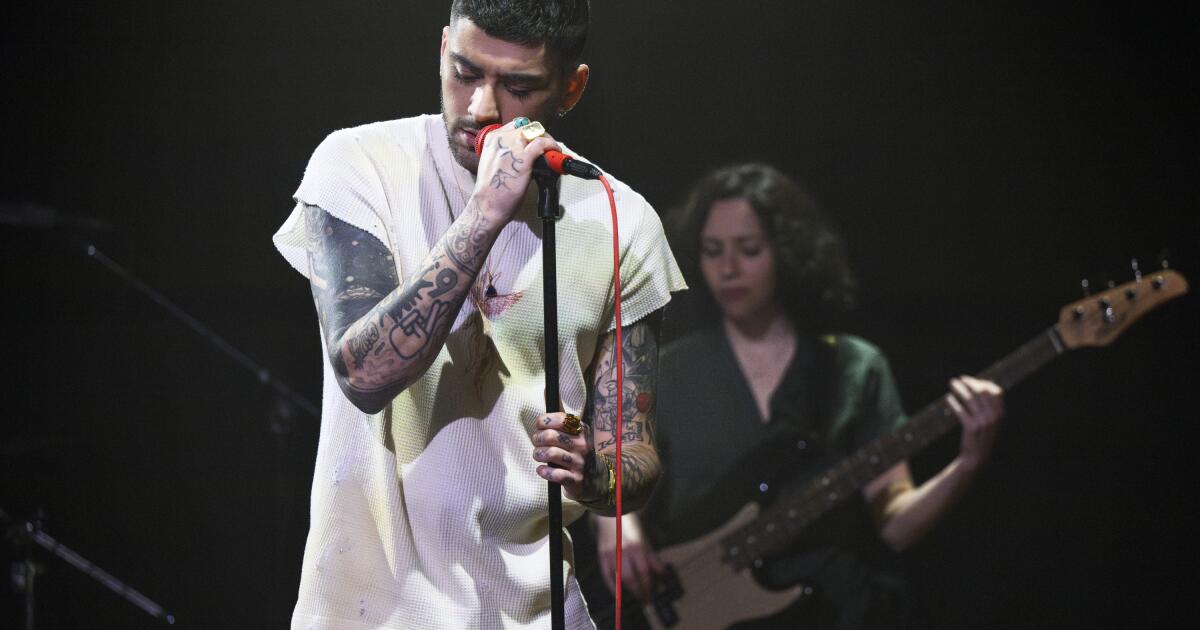
Recently, several popular artists like Post Malone, Zayn, Meghan Trainor, the Pussycat Dolls, and Kid Cudi have had to cancel significant concert dates. While the reasons vary – including finishing new albums or prioritizing family time – some are attributing it to low ticket sales, jokingly calling it “Blue Dot Fever,” which refers to concerts with too many empty seats to be profitable.
The current music scene is challenging for most artists. High gas prices, changes in how fans attend concerts since the pandemic, expensive tickets, and the fact that online popularity doesn’t always translate to live attendance are all making it difficult for all but the most established performers.
The Times interviewed Michael Kaminsky, who runs the music management company KMGMT, helps organize the Vans Warped Tour, and teaches at USC, to find out if the recent trend of low concert attendance – dubbed “Blue Dot Fever” – is actually happening, what costs musicians are dealing with while touring, and why having a large online following doesn’t automatically mean a sold-out show.

Music
One band expressed their disappointment, saying they feel forced to stop touring the U.S. because it’s no longer viable. They noted that many other bands are reaching the same conclusion and are also giving up on touring in the United States.
Is the recent surge in popularity for certain artists – dubbed “Blue Dot Fever” – a genuine trend, or simply a lucky break for a few musicians during financially challenging times?
I’ve been working with musicians for two decades now, and wow, the industry has really shifted. It used to be a pretty clear path – start in small clubs, move to theaters, and then hopefully bigger venues. But now, it feels like that middle ground is disappearing, and it’s so much tougher for bands to build a career. Everything costs way more too – touring, recording, even basic expenses have, in some cases, tripled in just a few years!
I’ve noticed it’s getting tougher for artists I like to actually tour and make a living from it. It seems like fans are really aware of how much tickets cost these days, and honestly, there’s just so much other entertainment out there for younger people. Going to concerts doesn’t seem to be the big deal it once was, which is a shame.
Is this in part a generational shift for kids that grew up in the pandemic?
I interact with many college students between 18 and 21. When we were younger, going to concerts was a common and important part of growing up. It used to be affordable and a fun way to discover live music with friends. However, due to the COVID-19 pandemic, that experience was unavailable for many, and they instead connected with people online.
Many people attend one or two major events each year, treating them like a vacation. I’m involved with a large festival, the Vans Warped Tour, and we find that about a third of the attendees are experiencing their first concert ever.
What feels different about the calculations acts have to make about touring now?
Many bands are choosing not to tour at all these days. It’s become too costly and unpredictable, and the potential rewards aren’t what they used to be. We’re seeing some tours get canceled, which is becoming a widespread problem, but people aren’t fully aware of the reasons behind it—like the shrinking number of working musicians who can afford to tour and the increasing costs involved.
Gas prices spiking has to play a role there.
Rising costs go far beyond just fuel. Bus rentals, for example, have tripled – going from around $1,000 a day to $3,000. This makes it tough for even moderately successful bands to handle a single night off the road. As a result, bigger artists are now playing fewer cities, but staying in each one for multiple nights, effectively asking fans to travel to see them. The old model of touring is no longer sustainable and has fundamentally shifted.

Business
California lawmakers have noticed that Bruno Mars tickets are selling for as much as $2,000 and SZA tickets for $600. In response, they are moving forward with two bills aimed at regulating the ticket resale market.
People often complain about expensive concert tickets, but artists and event organizers price them based on their actual expenses. Do fans have different expectations about how much these events should cost?
The economics of concert tickets are tricky. While superstars like Taylor Swift and Beyoncé can still earn significant profits, most artists face a real challenge. Fans want art to be affordable and feel tickets should be reasonably priced, but when those tickets are quickly resold by scalpers at much higher prices, the scalpers end up profiting the most. It’s a no-win situation because if artists try to charge what tickets are actually worth, they’re often accused of being greedy.
It’s frustrating to see someone who hasn’t pulled their weight on tour benefiting the most. Artists are now realizing they can’t set ticket prices based on fairness – they have to price them based on what people are willing to pay.
When streaming became popular, musicians were told they could still earn a living by touring. But if touring stops being profitable, it raises a serious question: how will artists make money? Are bands now just focused on selling merchandise?
Artists are increasingly focusing on direct connections with their most dedicated fans, often called the “superfan” model. While people are already used to paying monthly for streaming, artists are now prioritizing merchandise and exclusive experiences. What’s really interesting is the emergence of a new subculture – things like cash-only shows in unique spaces and artists releasing music physically, outside of streaming platforms. We’re also seeing a revival of analog formats and fashion, all driven by a desire for fans to connect with art that feels truly valuable. This shift is particularly noticeable in niche genres like experimental electronic music and heavier rock, and it seems to be fueled by a reaction against the way art is often devalued and made inaccessible. It’s a significant change in youth culture, and it’s exciting to watch unfold.
Many of our students aren’t interested in traditional gigs or big venues. They’re drawn to smaller, more intimate performances – like shows in the back of record stores with a few hundred fans, often advertised only through online communities. They even prefer listening to music on cassette tapes. These students are pushing back against the fast-paced, technology-driven music scene and are looking for art that feels genuine, meaningful, and even a little rebellious.
Does canceling shows due to poor ticket sales hurt an artist’s career? Some performers are now openly admitting when they do this, and it’s both unexpected and refreshing to see such honesty.
Artists understand why ticket sales are declining. It’s a natural result of changes in the economy and cultural trends, and there isn’t much they can do to prevent it. They’re essentially being forced to adapt to these new realities.
It feels a little awkward sometimes, but I honestly wonder if my fans even notice. Still, I’ve come to realize that a huge part of being in the public eye is appearing like you belong there. You really need to keep the energy up and consistently deliver good work to stay relevant, you know? It’s all about keeping that momentum going.

Music
Health has teamed up with Nine Inch Nails and Bad Omens, and it feels like the world is finally recognizing the dark, intense mood in their music.
We’re clearly facing significant political and economic difficulties right now. How are these larger issues affecting the world of touring?
Things are really tough right now. I’m selling a lot of tours, but ticket sales dropped significantly when the war in Iran started. With gas prices rising, people are hesitant to commit to purchases three months in advance, even for affordable tours, as they’re unsure about their future finances.
With so many new ways to measure success online, is it actually becoming more difficult to figure out who is truly buying tickets to see an artist or performer?
Predicting which artists will sell tickets is really tough. Sometimes a popular song or a big TikTok presence doesn’t translate to ticket sales, but I’ve found that established artists – those who’ve been performing for years – will consistently sell out shows if they play in the right venues and the tickets are priced fairly.
These days, ticket sales aren’t closely tied to how many albums or streams an artist gets. Some artists get a lot of streams but struggle to sell tickets, while others have fewer streams but a loyal fanbase that consistently buys tickets to their shows. While data is helpful, truly understanding what’s happening requires a skilled team with experience and insight.
While many new tools are available, some people still prefer traditional methods and are hesitant to adopt them. I’m optimistic about the next generation, who communicate in new ways, and believe it’s important to meet them where they are.
These factors create increasing challenges for most artists. So, how do you continue to motivate fans to come to your shows?
Ultimately, a strong connection between artists and their fans is crucial. It’s no longer enough to simply release music and expect a reaction. Artists need to genuinely respect and appreciate their fans, finding new and creative ways to connect with them. For my artists, making a living solely from their art means understanding who supports them and consistently exceeding expectations to build lasting loyalty.
Read More
- Total Football free codes and how to redeem them (March 2026)
- Clash of Clans May 2026: List of Weekly Events, Challenges, and Rewards
- Farming Simulator 26 arrives May 19, 2026 with immersive farming and new challenges on mobile and Switch
- Last Furry: Survival redeem codes and how to use them (April 2026)
- Gold Rate Forecast
- Honor of Kings x Attack on Titan Collab Skins: All Skins, Price, and Availability
- NTE: Neverness to Everness Original Game Soundtracks: Your Ultimate Playlist Guide
- Top 5 Best New Mobile Games to play in May 2026
- Pixel Brave: Idle RPG redeem codes and how to use them (May 2026)
- Brent Oil Forecast
2026-05-12 20:02