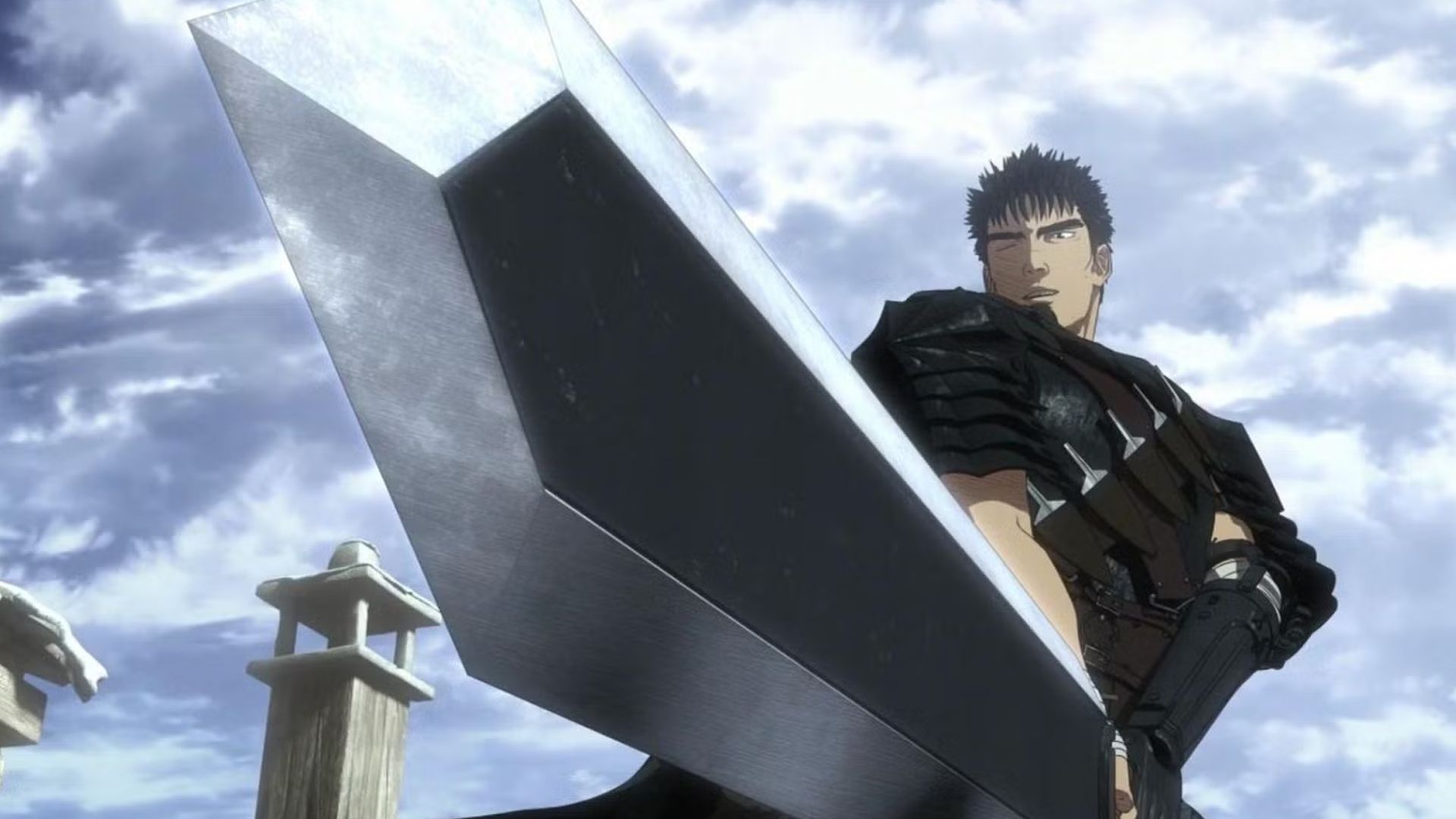
Often, a key weapon in a series embodies its central themes. Iconic examples like Light Yagami’s Death Note, Guts’s Dragonslayer sword, Ichigo Kurosaki’s Zangetsu, and the Dominator from Psycho-Pass are just as important as the characters themselves in shaping the story. These items powerfully define the overall mood, the central conflicts, and the identities of those who wield them.
The most memorable weapons in anime aren’t just props – they’re central to the story. For example, Tessaiga in Inuyasha highlighted the main character’s internal conflict, while the Scissor Blade in Kill la Kill and Haruko’s guitar in FLCL visually represented the theme of rebellion. The ODM Gear in Attack on Titan made battles about skill and sheer willpower. These weapons all stand out because they perfectly capture the core struggles of their respective series.
Light Yagami’s Death Note Blurred Justice And Tyranny
The Death Note gave Light Yagami immense power, but instead of achieving true justice, he became a tyrant. Near’s description of the notebook as the deadliest weapon ever made highlighted the series’ descent into moral decay and its focus on judging others, enforcing rules, and maintaining control. The notebook led Light into a dangerous game of cat and mouse with L, turning his initial attempts at vigilantism into a cold, self-justified killing spree.
The power of Death Note came from its deceptively simple premise: a notebook with world-altering consequences. But it wasn’t just a plot device; the notebook’s supernatural rules forced characters to confront difficult ethical questions, and the detached, cynical nature of Ryuk added a dark, unsettling tone to the story.
Guts Wielded The Dragonslayer As The Burden Of Endless War
Kentaro Miura intentionally made Guts’s Dragonslayer sword incredibly heavy to emphasize the brutal reality of combat in Berserk. He wanted the sword’s weight to reflect Guts’s constant battle against overwhelming odds, making each swing appear physically exhausting. This wasn’t about showing off violence; Berserk always portrayed it as a harsh and demanding struggle.
The sword’s backstory fit the grim and violent world of the manga. As the Dragonslayer killed countless supernatural creatures, it absorbed their evil, allowing it to harm other otherworldly beings and highlighting the series’ harsh reality. After a devastating event called the Eclipse, Guts began using the Dragonslayer to hunt down Apostles, and the sword became central to who he was, representing his struggle against demons, monsters, and overwhelming sorrow in the story Berserk.
Ichigo’s Zangetsu Merged His Soul’s Dark And Light
In Bleach, Ichigo Kurosaki’s sword, Zangetsu, represented his inner struggles and his complex heritage. It also embodied his inner Hollow, connecting the sword to the show’s central theme: that who we are is shaped by contradictions, not just by what’s simple or pure. Zangetsu linked Ichigo to both his powers as a Soul Reaper and his Hollow side, and this combination is what gave the weapon its deep emotional impact.
I’ve always been fascinated by Zangetsu, and how it grew with Ichigo! It wasn’t just a power-up, it was like watching him come to terms with everything inside himself. The sword literally changed as he accepted all sides of his personality, and that made every fight feel deeply personal – like he was battling to understand who he really was. Plus, the name ‘Slaying Moon’ is just perfect – it’s so cool and really captures Tite Kubo’s incredible artistic style.
Inuyasha’s Tessaiga Protected Humanity With Demon Heritage
Tessaiga, whose name means “Iron-Crushing Fang,” was a paradox. Though forged from the power of Inuyasha’s demon father, the sword was meant to protect people, not harm them. This internal conflict became a central theme in Inuyasha, as the weapon transformed demonic energy into something that saved humans. While Sesshomaru emphasized its immense destructive power—calling it a legendary blade capable of defeating a hundred enemies at once—the story also presented Tessaiga as a powerful force within a complex moral framework.
As Inuyasha matured and gained control over himself, his sword, Tessaiga, also evolved, gaining new abilities. These changes weren’t just about power – they reflected Inuyasha’s personal growth. Techniques like Wind Scar and Backlash Wave made the sword feel connected to his emotions and progress. Interestingly, Tessaiga could even learn from strong demons he defeated, absorbing their skills, which meant that strength came from experience and learning, not just brute force.
Wolfwood’s Cross Punisher Fused Faith With Ruthless Combat
The Cross Punisher, Nicholas D. Wolfwood’s weapon in Trigun, is memorable because it powerfully combines religious symbolism with violence. This oversized, cross-shaped gun wasn’t just for show; it functioned as a machine gun, rocket launcher, and concealed handgun holster. While its design was striking, the weapon’s unusual engineering actually made it surprisingly useful in battle.
The Punisher and Trigun shared a similar tone because the series skillfully mixed humor with genuine moral weight. Wolfwood, a priest, was also a skilled gunslinger haunted by his past and wrestling with questions of right and wrong. This internal conflict was visually represented by his weapon – a cross that doubled as a gun – perfectly capturing the duality of his faith and his violent life, and driving his character development.
Ryuko’s Scissor Blade Severed Lies And Destiny
In Kill la Kill, the Scissor Blade became Ryuko Matoi’s signature weapon, perfectly reflecting the show’s themes of fighting against authority and discovering who you are. Crafted from incredibly strong Life Fibers, the red half of the giant scissors could slice through the Life Fiber-based armor worn by enemies, making it a direct challenge to the established power system. Because Ryuko’s father, Isshin Matoi, specifically designed the Scissor Blades for cutting things apart, the weapon had a strong and meaningful role in the story.
Ryuko’s ultimate attack, Fiber Lost, didn’t just destroy her opponent’s Goku Uniform – it allowed her to absorb its power, making the blade incredibly important both in terms of story and how battles were fought. The hilt, shaped like a crescent moon, could transform into a deadly ‘Decapitation Mode,’ perfectly mirroring the fast-paced, intense action of Kill la Kill. More than just a weapon, it represented Ryuko’s rage, her quest for answers, and her refusal to accept the falsehoods of her past.
ODM Gear Made Titan Battles A Three Dimensional War
The Omni-Directional Mobility Gear revolutionized action in anime by transforming battles into dynamic, three-dimensional spaces. Powered by gas and using grappling hooks, the Survey Corps could quickly and skillfully move across any terrain – rooftops, forests, even the Titans themselves. This design shifted the focus of fights from simple strength to clever strategy.
The specialized gear highlighted the show’s core ideas of ingenuity, selflessness, and rigorous training. Levi Ackerman’s skill demonstrated the gear’s full potential, while most soldiers found it difficult to use effectively in stressful situations. This difference was important because Attack on Titan consistently showed that skill meant the difference between life and death, and the gear made every battle a challenge of composure, practice, and quick thinking.
Soul Evans Became A Death Scythe Embodying Partnership
Though initially just a weapon, Soul’s evolution into a Death Scythe gave him much greater significance. His bond with Maka Albarn became central to the anime, highlighting how meisters and weapons work together as equal partners. Becoming a Death Scythe after absorbing the soul of the witch Arachne Gorgon, Soul proved his vital role at the Death Weapon Meister Academy.
Soul’s relaxed personality balanced out the intensity of his abilities. While his scythe form matched the dark tone of the series, his character brought a sense of warmth and loyalty. Soul Eater demonstrated that true strength comes from strong partnerships. The connection between Maka and Soul – her determination and his ability to transform – was key to the story and gave their teamwork real emotional impact.
FLCL’s Bass Guitar Turned Adolescence Into Chaos
Haruko Haruhara’s electric bass in FLCL wasn’t just an instrument—it was the catalyst for the show’s wild and unpredictable energy. It could open pathways and even create portals, turning everyday settings into complete chaos. This fit perfectly with FLCL‘s portrayal of teenage life as a period of raw, unstable energy. The bass functioned as a weapon, a tool for unlocking new worlds, and a source of humor, all rolled into one—and that unique combination perfectly captured the anime’s overall vibe.
Haruko’s electric bass wasn’t just a musical instrument; it was a source of chaos and a driving force in the story. She used it to provoke reactions from Naota – everything from confusion and anger to a strange attraction – and to initiate the series’ wild events. Given the bass guitar’s existing association with rebellious music like punk and rock, FLCL amplified that energy, making the instrument a central symbol for the show’s themes of disruption and personal growth. It became an extension of Haruko’s chaotic personality and influence.
The Dominator Hands Judgment to Sibyl
In the anime Psycho-Pass, Dominators weren’t just weapons—they acted as a form of law enforcement. These guns scanned a person’s mental state and sent the information to the Sibyl System, which determined if the user was authorized to fire. The gun would only activate if the target’s ‘crime coefficient’ reached a certain level, otherwise it remained locked. This design was unsettling because the weapon didn’t rely on human judgment, giving it a chilling power.
This core concept shaped the entire world of Psycho-Pass. The Dominator transformed law enforcement into an automatic and detached system, leaving characters like Akane Tsunemori to operate within a framework they couldn’t truly govern. The weapon’s different settings heightened the show’s moral conflicts, as it could either incapacitate or kill based on Sibyl’s assessment. Ultimately, the Dominator exposed the price of a society that delegated judgment to a machine and labeled it justice.
Read More
- Clash of Clans “Clash vs Skeleton” Event for May 2026: Details, How to Progress, Rewards and more
- Clash of Clans May 2026: List of Weekly Events, Challenges, and Rewards
- The Division Resurgence Best Weapon Guide: Tier List, Gear Breakdown, and Farming Guide
- Farming Simulator 26 arrives May 19, 2026 with immersive farming and new challenges on mobile and Switch
- Last Furry: Survival redeem codes and how to use them (April 2026)
- Gear Defenders redeem codes and how to use them (April 2026)
- Reverse: 1999 marks its 2.5 Anniversary with Version 3.4 “Spring Unending” on April 16, 2026
- Mapping the Public Mind: Social Media as a Real-Time Sensor
- Top 5 Best New Mobile Games to play in May 2026
- Total Football free codes and how to redeem them (March 2026)
2026-05-08 03:55