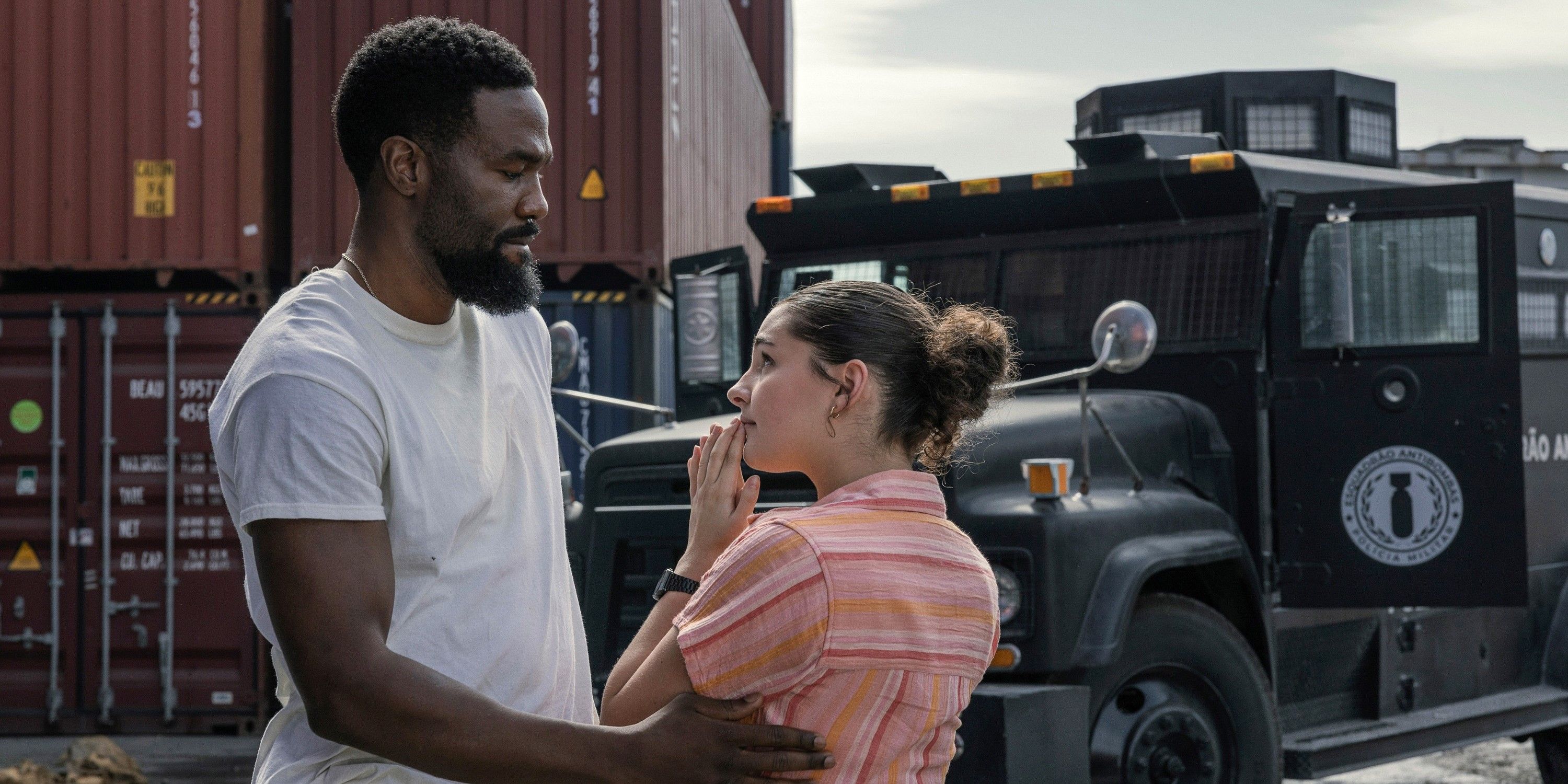
The Netflix series, starring Yahya Abdul-Mateen II, is based on the 1980 novel of the same name. It centers around a former special forces soldier with a difficult past who is assigned to protect a child, though the specifics of the story can vary. While this premise isn’t new, the Netflix adaptation offers a unique take that has made it a popular and compelling alternative to the show Reacher.
Before the recent Netflix series, the 2004 film starring Denzel Washington was the most well-known adaptation, and it brought the story to a wider modern audience. That film also explored themes that the series has since expanded upon. Because of this, both the movie and the series have contributed to a powerful and updated version of this classic story.
Man on Fire Changes Elements of the Film While Keeping the Spirit
The movie Man on Fire effectively told a story about a damaged man quickly using his abilities to find a kidnapped girl, creating a compelling character study. However, the hints of something more in the film weren’t fully explored. Now, this new approach alters the narrative, turning it into a different kind of urgent quest.
The movie takes place in Mexico and focuses on Creasy’s race against time to find the girl he’s protecting, knowing her chances of survival diminish with each passing moment. The TV show, however, shifts the focus to getting the girl to safety in Brazil – a country Creasy is unfamiliar with – all while he seeks revenge for the murder of her father, who was his close friend. This expanded storyline transforms Creasy from a skilled operative into a complex, wounded man grappling with his past and embracing a fatherly role.
Slowing down the story’s rhythm made the action sequences more exciting and satisfying, because we’d already learned the character’s motivations. To really understand why this approach is so effective, though, it’s helpful to remember what made the original 1987 and 2004 movies so memorable.
Previous Man on Fire Films Deserve to be Appreciated
The 1987 film Man on Fire is perhaps the most overlooked adaptation of the novel, but it closely follows the source material, telling the story of Christian Creasy’s quest to find the girl he was hired to protect in Italy. While it’s a simple revenge tale, it didn’t quite capture the public’s attention. Both the 2004 and 2019 versions offered their own takes on the story, with the 2019 adaptation becoming particularly popular with audiences when it was released.
You know, I always thought Man on Fire from 2004 was way more intense than people give it credit for. It’s not just an action movie; it’s the sheer desperation of Creasy, and how far he’s willing to go to rescue the little girl he’s protecting, that really grabs you. What made it special for me was how utterly relentless he was – he didn’t hesitate to take down anyone who stood in his way, and the film really didn’t shy away from showing the brutal side of his mission.
The film adaptations are also well-loved because they skillfully told moving stories within a limited timeframe. However, they often feel like brief introductions to the characters. In contrast, the Man on Fire series offered a deeper, character-driven narrative for young adults, building on the existing story in a respectful and effective way.
At its heart, Man on Fire is the story of a man grappling with both a will to live and a willingness to sacrifice everything. It explores how someone can find meaning even within a violent life, and the series format was essential to fully capture Creasy’s complex journey – something a movie couldn’t achieve. This adaptation also demonstrated the positive impact streaming services have had on storytelling.
Man on Fire Works Even Better Now Thanks to Streaming
The rise of streaming services has created challenges for movie theaters, as films now have shorter runs in cinemas. However, streaming has proven very successful for extended action narratives. While action movies often tell complete stories, adapting them for television reveals how much viewers don’t know about the main characters. This is particularly noticeable with the series Man on Fire, where the lack of established background information is especially apparent.
Although the original Washington film is a beloved classic and the actor gave a nuanced performance as Creasy, the movie couldn’t fully explore the character’s complexities within its runtime. The recent expansion of the story, adding new layers to Creasy and making him more believable, has unexpectedly turned the series into a success. This wouldn’t have been possible without the creative freedom offered by streaming platforms.
When people think of Man on Fire, they often see an action-packed story, but it also offers a more thoughtful look at the characters behind the action – what they’re like when they’re not fighting. The show reveals a vulnerability in Creasy that viewers hadn’t seen before, bringing a previously book-and-movie-only character to life.
A Man on Fire series just wasn’t feasible until now, and that’s largely thanks to the possibilities of streaming. Earlier films successfully introduced audiences to the story and main character, but the series is what truly allowed for a more in-depth exploration. This marks a new wave of action storytelling, and Man on Fire is already proving to be a standout example.
Found an error? Send it so it can be corrected.
Read More
- Clash of Clans “Clash vs Skeleton” Event for May 2026: Details, How to Progress, Rewards and more
- Clash of Clans May 2026: List of Weekly Events, Challenges, and Rewards
- Last Furry: Survival redeem codes and how to use them (April 2026)
- Gear Defenders redeem codes and how to use them (April 2026)
- Neverness to Everness Hotori Build Guide: Kit, Best Arcs, Console, Teams and more
- The Division Resurgence Best Weapon Guide: Tier List, Gear Breakdown, and Farming Guide
- Brawl Stars Damian Guide: Attacks, Star Power, Gadgets, Hypercharge, Gears and more
- Honor of Kings x Attack on Titan Collab Skins: All Skins, Price, and Availability
- Farming Simulator 26 arrives May 19, 2026 with immersive farming and new challenges on mobile and Switch
- Mapping the Public Mind: Social Media as a Real-Time Sensor
2026-05-07 16:14