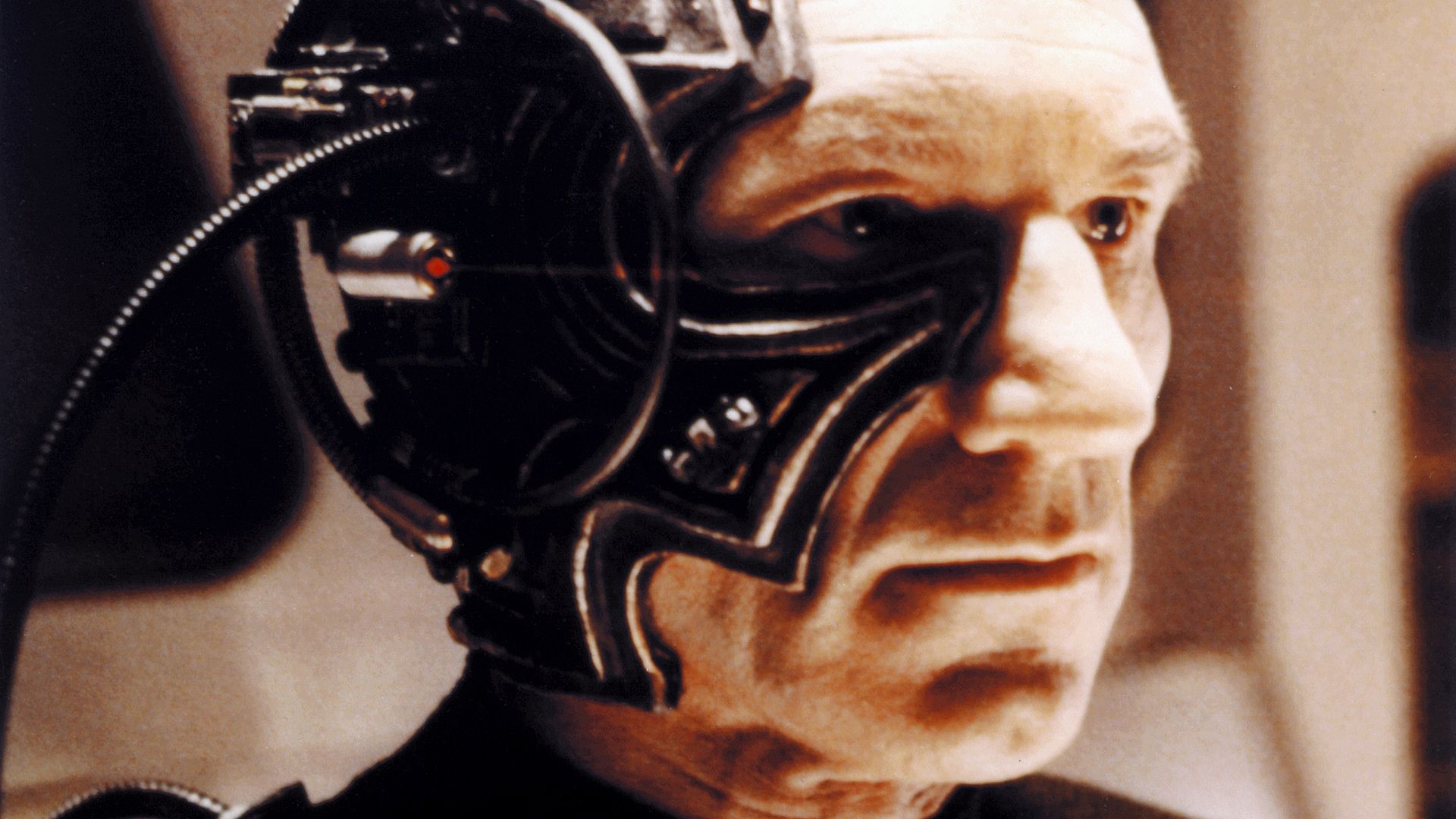
Whenever fans discuss the greatest episodes in the history of Star Trek, “The Best of Both Worlds” always generates a lot of enthusiasm.
The two-part episode “The Best of Both Worlds” was a huge surprise for viewers, leaving them on the edge of their seats between seasons 3 and 4 of TNG. Even after 27 years, it remains a fan favorite, known for pushing the boundaries of Star Trek storytelling and taking bold creative risks. It fundamentally changed how audiences viewed Captain Jean-Luc Picard and cemented the Borg as truly terrifying villains in the science fiction genre.
Why “The Best of Both Worlds” Is Unexpected
Through its first three seasons, TNG was getting better, but episodes generally followed a predictable pattern: a danger would emerge, the crew would resolve it, and everything would return to normal. “The Best of Both Worlds” changed that. The Borg were different from previous adversaries – they couldn’t be negotiated with. This caught the Federation, and the TNG crew, completely by surprise, raising the tension and stakes in a way the show hadn’t done before.
The first part of “The Best of Both Worlds” ended on a shocking note, making things incredibly tense. After a fierce fight with the Borg that severely damaged many Starfleet ships, Captain Picard was captured and transformed into Locutus – a Borg drone. Adding to the drama, it wasn’t even clear if Patrick Stewart would continue playing Picard, and that uncertainty was clearly felt within the show itself.
The two-part episode truly showcased the show’s strengths. “The Best of Both Worlds” proved the series could create suspense over multiple episodes, with significant events having real, lasting consequences – nothing was ever simply reset. This meant viewers were invested and eagerly anticipated the cliffhanger ending, something few shows could achieve, and were willing to wait months to see it resolved.
The Borg were fundamentally altered as well. Turning Captain Picard into Locutus made them more than just compelling antagonists; they became a deeply personal threat. Every subsequent Borg storyline, from those in Voyager to First Contact, expands upon the impact of that initial encounter.
Picard, the Borg, and the Loss of Control
This moment is what the episode is best known for. When Picard is turned into Locutus, the Enterprise is left without a leader. What’s truly frightening is that the Borg didn’t need to interrogate or threaten him—they simply transformed him.
The Borg exploited Picard’s understanding and authority to harm the Federation. What’s truly unsettling is that they think they’re actually helping him, believing Locutus is an improved version of Picard. Driven by a relentless pursuit of perfection, the Borg won’t let anything – or anyone – obstruct their goals.
Even when Starfleet wins and Picard survives, the story doesn’t offer true resolution. He’s fundamentally changed, and we see this in episodes like “Family,” where his old guilt and anger resurface as he reconnects with his brother while recovering from his experience with the Borg.
Riker and the Reality of Command
While Captain Picard’s journey often centers on dealing with loss, Commander Riker’s focuses on the weight of responsibility. He’s unexpectedly put in charge of the Enterprise at a particularly difficult time in his life. As a commander, Riker operates very differently from Picard – he’s more decisive, fast-acting, and assertive.
Now isn’t the time for careful diplomacy. The immediate priority is simply to survive. This forces Riker to make an unthinkable choice: he has to shoot Picard to protect the ship from the Borg. It’s a terrible and unfair decision, and the show doesn’t shy away from the emotional weight of it, leaving the audience in suspense.
Commander Shelby creates conflict by questioning Riker’s abilities and challenging him as a leader. But Riker doesn’t simply accept command – he proves himself worthy through his performance. Ultimately, taking charge transforms him.
This episode dramatically changed the show and its characters, with effects that lasted for the rest of the series. Even after 27 years, “The Best of Both Worlds” is remembered as the point when Star Trek: The Next Generation really found its footing. It took away the show’s usual security, and it’s one of the few episodes where characters experienced significant, lasting development.
Rather than offering easy resolutions, Star Trek: The Next Generation bravely explored the lasting impact of trauma on its characters and left viewers with a powerful, unresolved ending. While not the most sensational episode, it stands out for its emotional weight and lasting significance.
2026-01-29 22:10