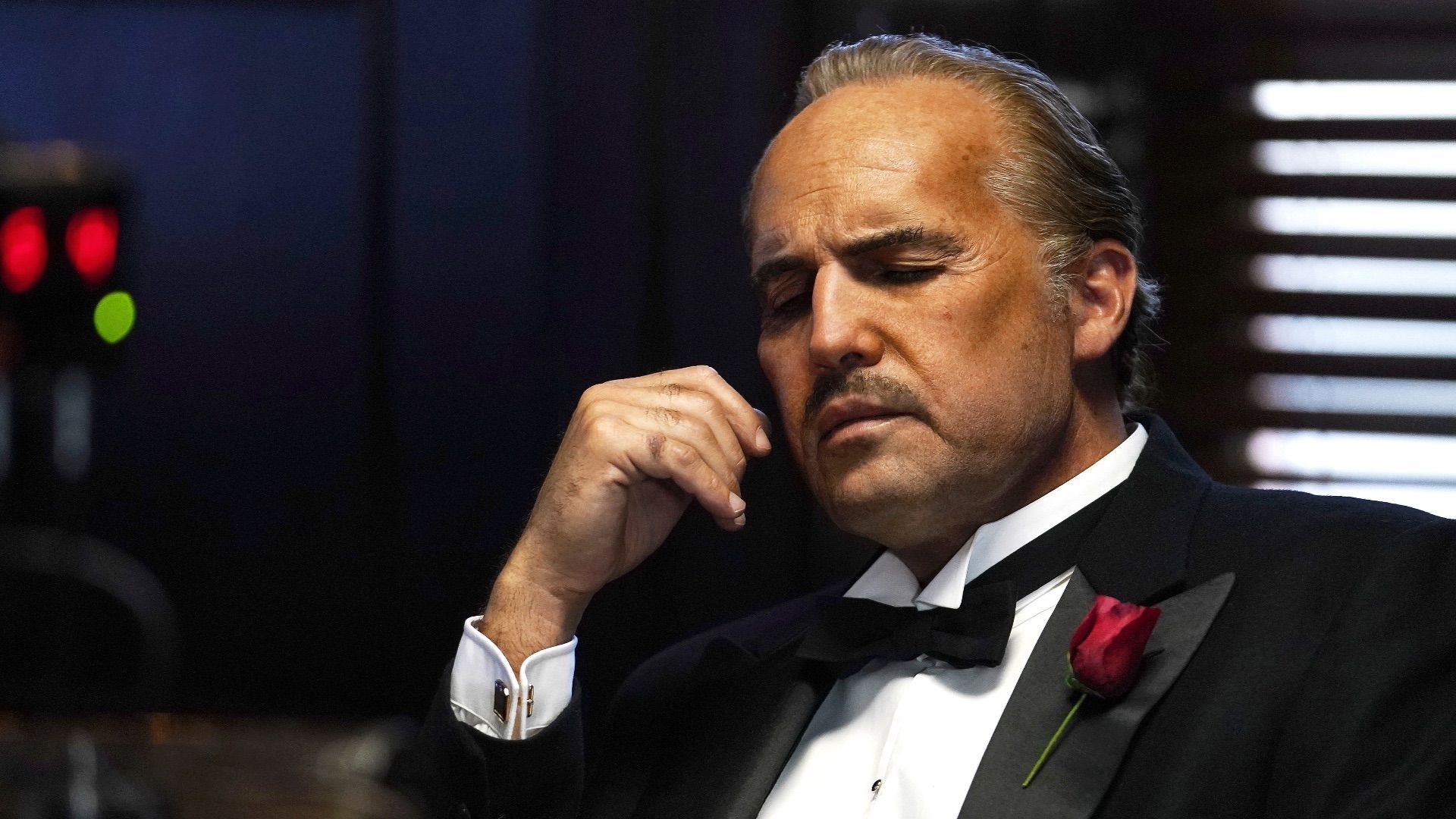
The Godfather trilogy, based on Mario Puzo’s 1969 novel, tells the story of the Corleone family, a fictional crime dynasty. It follows the family’s journey as Vito Corleone builds a powerful criminal empire, and his son Michael later takes over and tries to make it even bigger.
As a huge fan of The Godfather films, I’ll admit the timeline can be a little tricky. The Godfather: Part II especially messes with things, jumping back and forth to tell both a sequel and a prequel story at the same time. Everyone agrees the first two movies are masterpieces, but I think the third one gets a bad rap. The 2020 re-release really improved it, and honestly, it’s a solid mob film, even if it is a lot to keep track of.
Vito Becomes an Orphan and Moves to America
1901
Paramount Pictures
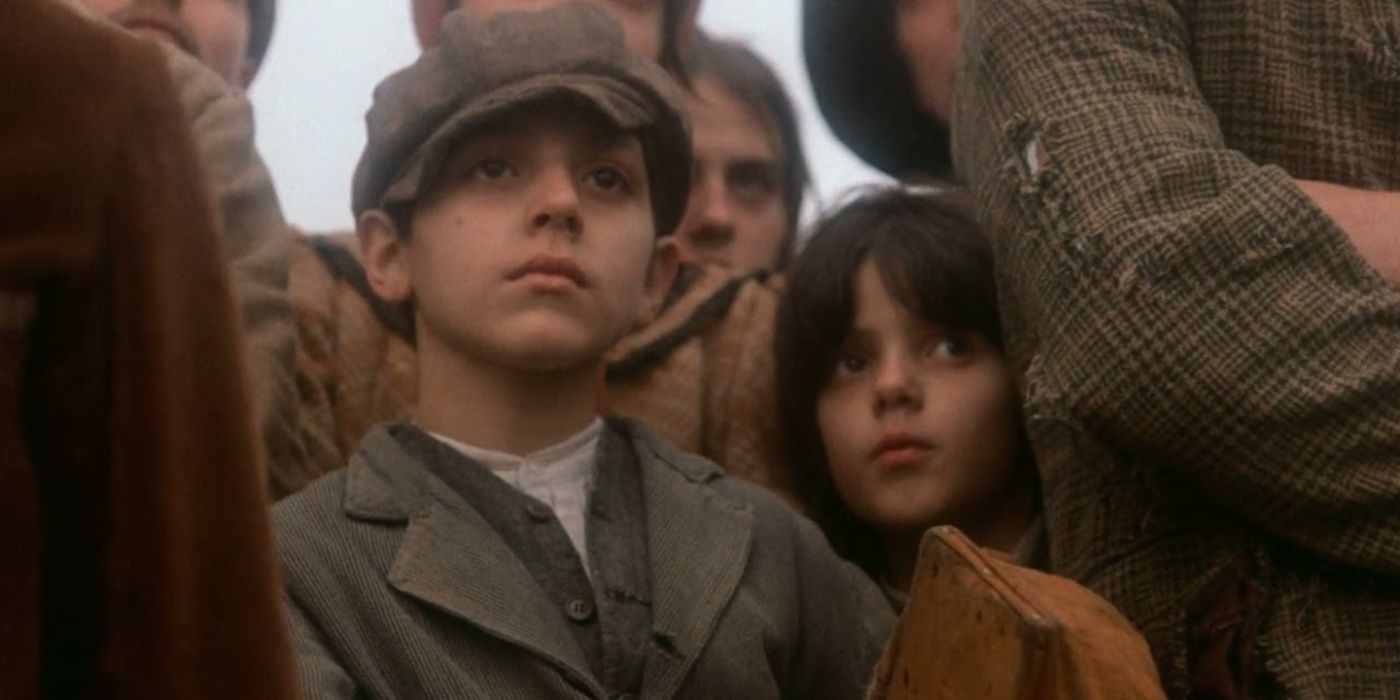
The story starts with tragedy in the Sicilian village of Corleone. Vito’s father is killed by the local gang leader, Don Ciccio, simply because he wouldn’t submit to his control and show him deference. When Vito’s older brother, Paolo, attempts to avenge their father’s death, he is also killed during the funeral. Left with only one son, Vito’s mother, Signora Andolini, pleads with the powerful Mafia boss for their safety.
Don Ciccio wouldn’t give in, believing Vito would come after him when he grew up. Seeing she couldn’t change his mind, Signora threatened him with a knife, allowing Vito to run away. Immediately after, one of Ciccio’s men shot Signora. Vito then got on a ship carrying immigrants to America. When he arrived at Ellis Island, he couldn’t speak English or explain who he was. The immigration officials saw a tag identifying him as “Vito Andolini from Corleone” and gave him that new name: Vito Corleone.
Context
The movie The Godfather: Part II reveals the difficult experiences of Don Vito Corleone’s youth, giving audiences insight into what made him the man he was. The first Godfather film presented him as a powerful crime boss without explaining his past. Fortunately, Part II skillfully fills in those gaps, most notably revealing that a simple mistake in record-keeping could have resulted in the Corleone family being known as the Andolini family instead.
Vito’s experiences in Sicily seem to have made him a more caring person, especially when it comes to families – both his own and those around him. As a Don, he consistently delivers severe consequences to anyone who harms his family. He also strives to be a loving father, determined to give his children the affection he didn’t receive growing up.
Life in Little Italy and a Brief Return to Sicily
1901–1925
Paramount Pictures
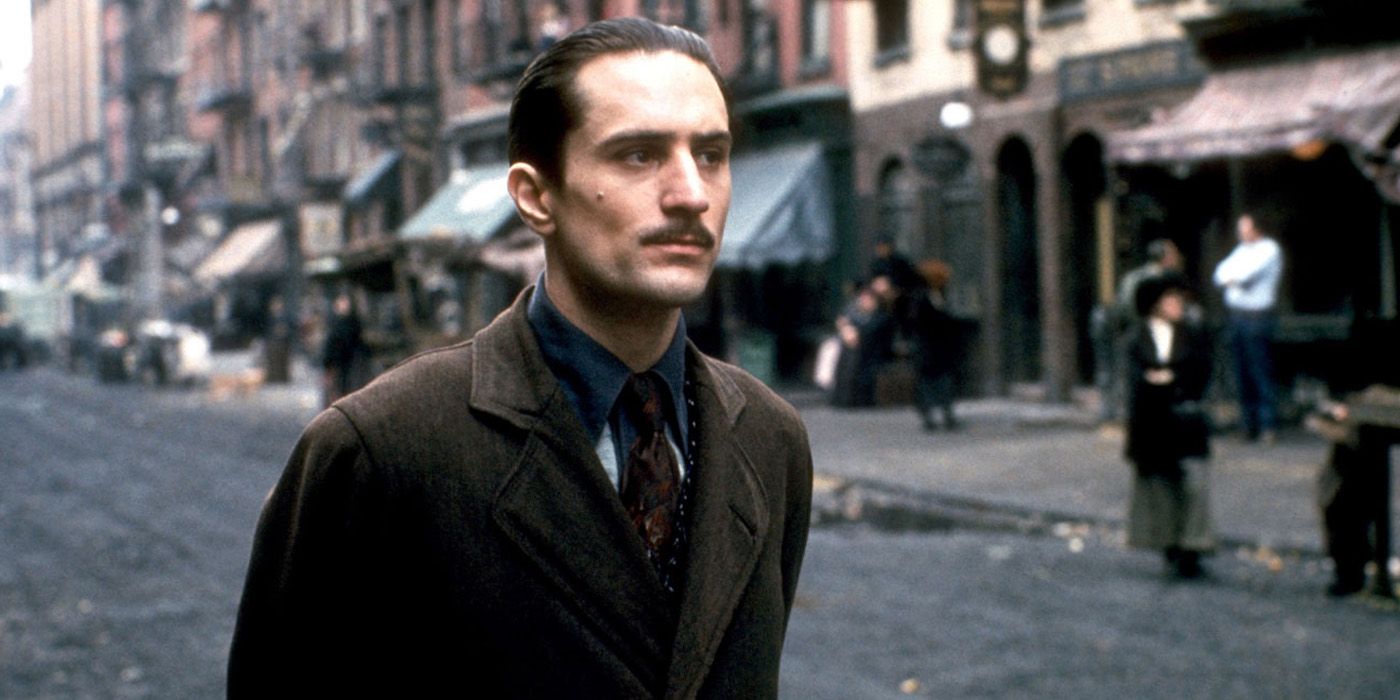
Vito arrives in America and is welcomed by the Abbandando family in Little Italy, Manhattan. He becomes good friends with their son, Genco, and at 18, marries a woman from Sicily named Carmela. He later loses his job at the Abbandando grocery store when the owner is pressured by Don Fanucci, a local crime boss, to hire the boss’s nephew. Facing hardship, Vito starts stealing from trucks carrying clothes with the help of Clemenza.
When Don Fanucci discovered Vito and Clemenza were making a lot of money, he demanded a cut. Vito refused and decided to kill Fanucci after realizing Fanucci wasn’t a powerful mafia leader, but rather a local strongman with limited influence, meaning there wouldn’t likely be retaliation. This act gained Vito considerable respect in the neighborhood. He then took control of the area and started a legitimate olive oil business called Genco Pura with his friend Genco Abbandando, which he would later use to disguise his criminal activities.
Michael and Connie Corleone had the advantage of being born after their father, Vito, had already built a stable life for himself. In 1922, Vito traveled back to Sicily, wanting his children to connect with their family’s roots. While there, he found the men Don Ciccio had sent to kill him when he was a child and took revenge. He and his friend, Tommasino, then approached the elderly Don Ciccio, pretending to ask for his support for a new olive oil venture. During this meeting, Vito revealed his true identity before killing Don Ciccio. Vito and his family then left Sicily. Shortly after their return, their daughter Connie was born in 1923.
Context
Vito’s experiences in Little Italy demonstrate how easily life can take unexpected turns. Had he kept his job at Abbandando’s, he likely would have remained an honest man, supporting his family through hard work. Losing that job, however, left him with no options but to turn to crime to survive. He could have succumbed to despair and quiet suffering, but Vito wasn’t one to simply accept fate – he was a man of action.
The early years of the Little Italy saga are fondly remembered by fans. Many still picture the iconic scene of Vito silencing Fanucci with a pistol wrapped in a cloth, and the thrilling rooftop chase beforehand. This period was also crucial for launching Robert De Niro’s career. While Marlon Brando brilliantly portrayed the older Vito, it was De Niro who truly made the role his own.
The “Glory” Years
1926 – 1944
Paramount Pictures
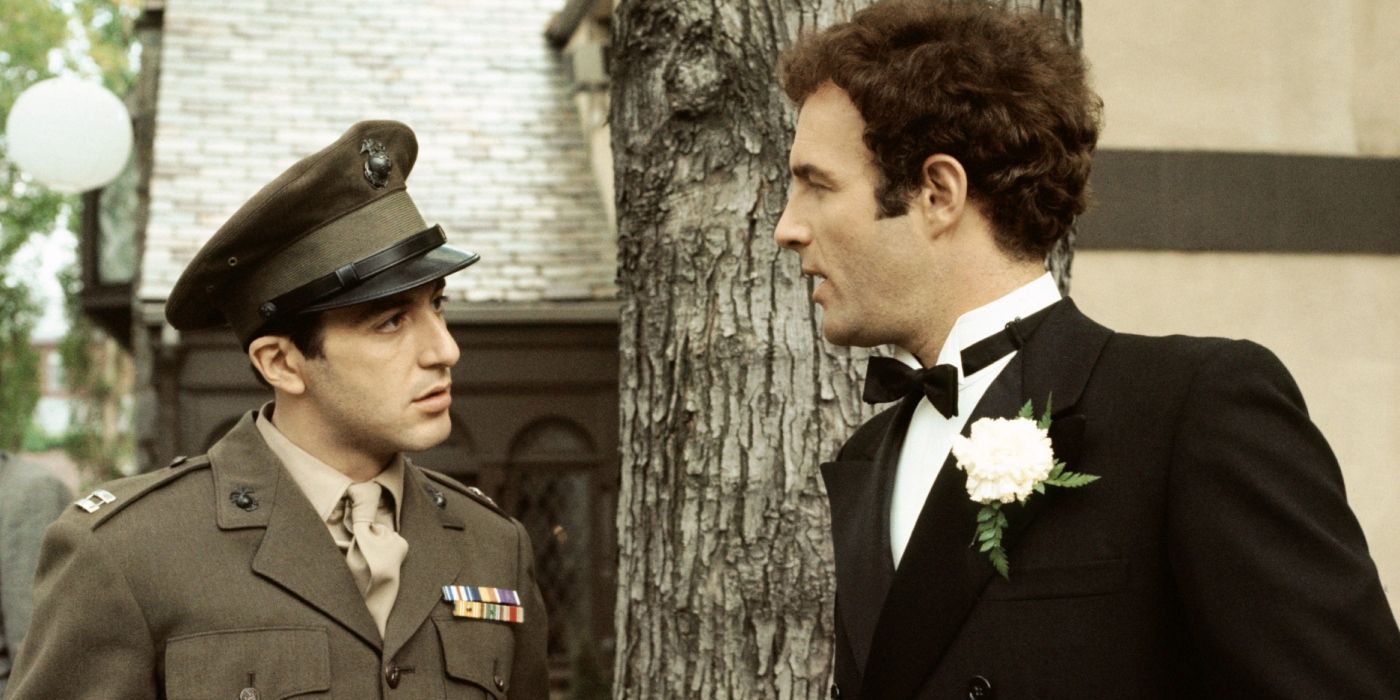
I’ve watched Vito’s power just keep expanding, even through tough times like the end of Prohibition, the Depression, and all the way through the war. It was during this period that he took Tom Hagen under his wing – he became such a trusted advisor to the family. And then, after Pearl Harbor, Michael surprised everyone by joining the military, even though we all worried about him. He really distinguished himself, earning a Navy Cross and even getting featured in Life magazine for his bravery in the Pacific.
Context
The years between 1926 and 1944 are the calmest period in The Godfather‘s story, but they’re also the least exciting. We don’t see what Michael did during the war, and there are no other significant mob bosses present. Even more frustratingly, the film doesn’t show us how Vito expanded his criminal empire. Despite this, a few intriguing details do surface. We learn, for instance, that Vito paid off Michael’s doctor to make his war injuries seem worse, allowing him to get out of the military. Not exactly a patriotic move for a father, is it?
The Mob War
1945 – 1957
Paramount Pictures
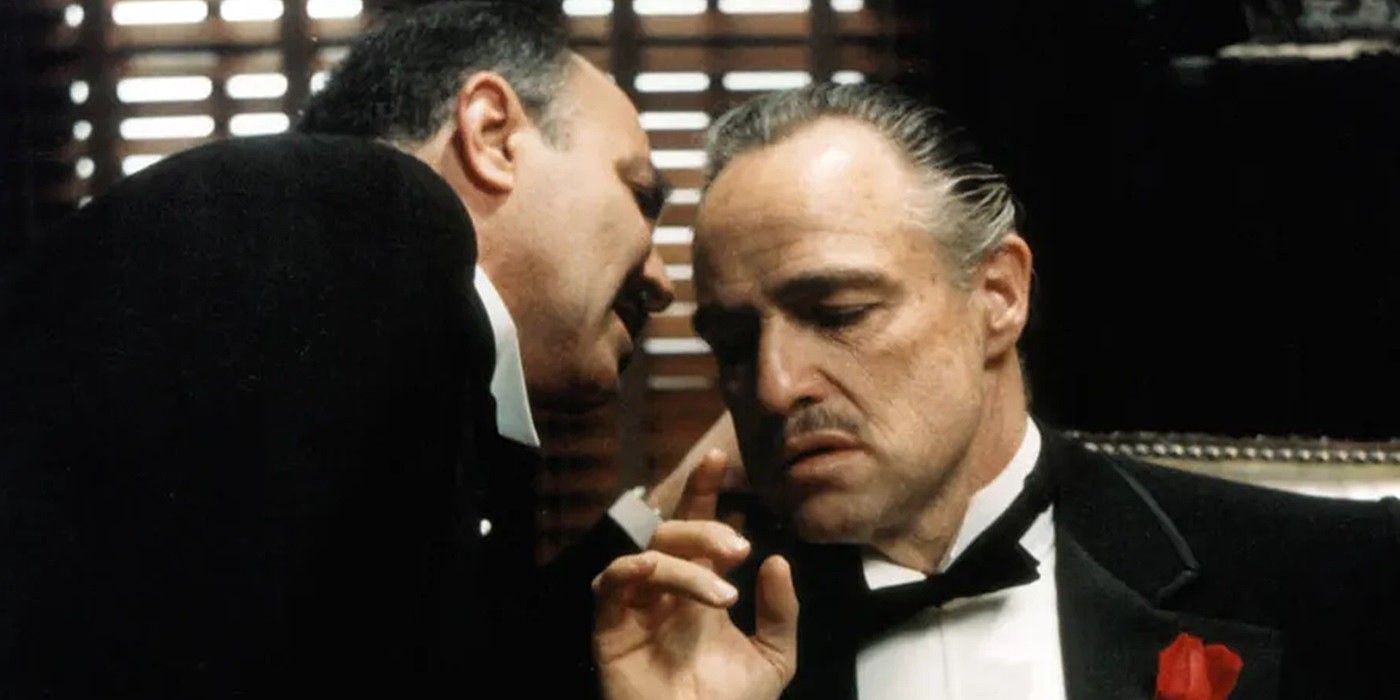
The film The Godfather begins with Connie’s wedding, a large gathering of prominent figures from the criminal underworld. Michael Corleone brings his girlfriend, Kay, as his date. Later, conflict arises when Vito Corleone rejects a drug deal proposed by Virgil “The Turk” Solozzo. Luca Brasi is murdered, and Vito is attacked, leading Sonny to assume leadership of the family.
One of the most memorable deaths in film occurs when Michael avenges the attack on his father, Vito, by killing Solozzo and Captain McClusky in a restaurant. He then escapes to Sicily, where he marries Apollonia, but tragedy strikes when she is killed by a bomb. Back in America, Sonny fiercely retaliates against the Corleone family’s rivals, but is ultimately murdered. Michael returns, marries Kay, and takes control of the family business, relocating it to Nevada. Shortly after, Vito passes away from a heart attack. Michael then masterminds a series of hits – the “Baptism Murders” – eliminating the leaders of New York’s Five Families during the christening of Connie’s child.
Context
Beginning the series with a war was a smart move; it quickly drew viewers into the narrative. By the middle of the first film, we see multiple enemies targeting Vito, making us immediately want him to succeed. Despite being a criminal, he’s presented as the hero, and a remarkably resilient one at that. He’s incredibly tough – bullets can’t stop him, only the passage of time.
As Vito becomes more successful financially, those around him grow increasingly envious and try to get closer to him for their own benefit. Now that he’s made his fortune, he easily sees through people’s flaws, leading him to quickly dismiss Sollozzo’s offer. However, actions in his world always have repercussions. Fortunately, Vito has raised strong children who are fiercely loyal and will protect the family at any cost. Sonny steps up first, but it’s Michael who ultimately delivers a devastating response – a truly explosive turn of events, and captivating to watch.
The Reign of Don Michael Corleone
1958 – 1959
Paramount Pictures
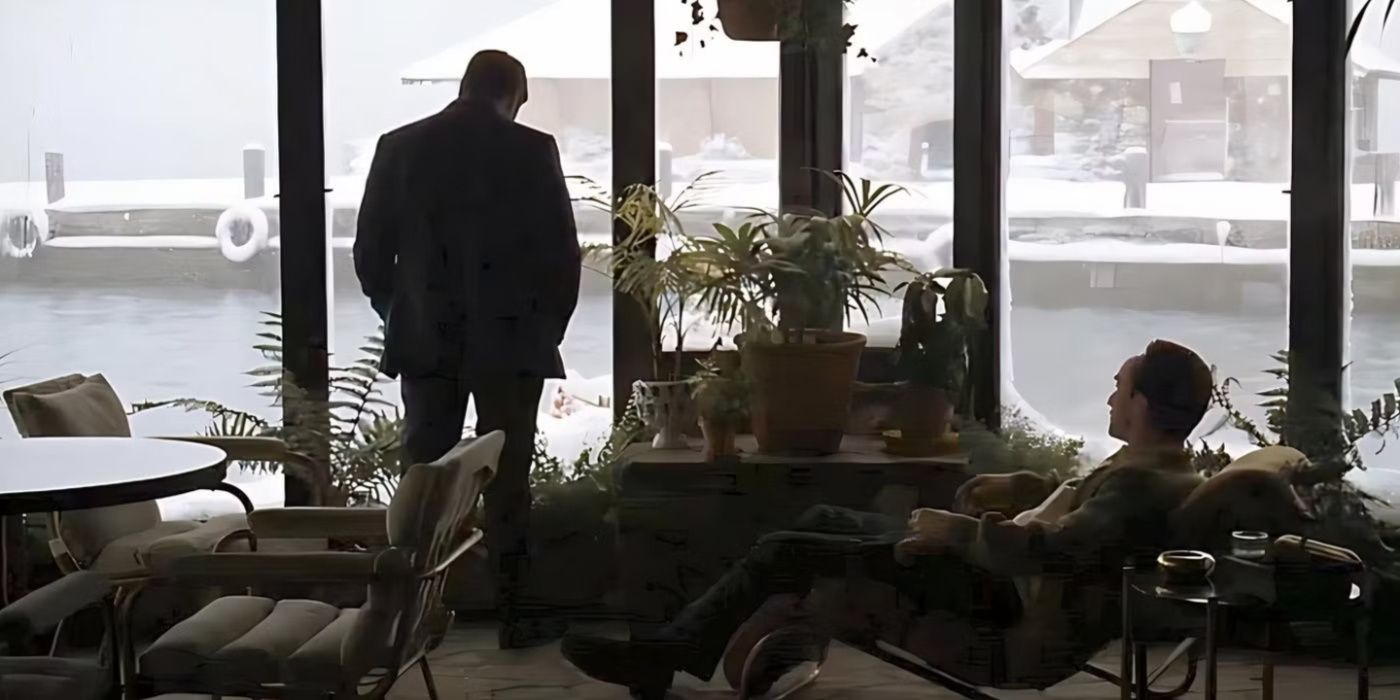
Even though Michael was the undisputed leader of the American Mafia, someone tried to kill him at his Lake Tahoe home. He then went to Havana, Cuba, to negotiate a deal with Hyman Roth. On New Year’s Eve, Michael discovered his brother Fredo had betrayed him. In 1959, he managed to avoid conviction during a Senate investigation into organized crime. Shortly after his mother died, and after Kay left him, Michael ordered Fredo to be killed.
Context
Everyone wondered how Michael would lead compared to his father, Vito. It’s easy to forget that Michael didn’t originally want to be involved in organized crime. He had planned a conventional career after college and even joined the military hoping for a heroic, if fatal, end. But destiny had other plans, and he unexpectedly became the head of the family, shocking everyone.
Subscribe for deeper Godfather timelines and analysis
Explore richer Corleone context by subscribing to the newsletter for timelines, character arcs, historical background and cinematic analysis – plus equally thorough breakdowns of other classic films to deepen your movie knowledge.
Much of The Godfather: Part II shows Michael Corleone as a strong and effective leader. While those around him are falling apart, Michael provides stability and a sense of hope in a dark and dangerous world. He’s decisive and fearless, and willing to make difficult sacrifices, even when it means turning against family, like his own brother.
Attempt to go Legitimate and the Death of Michael Corleone
1979 – 1997
Paramount Pictures
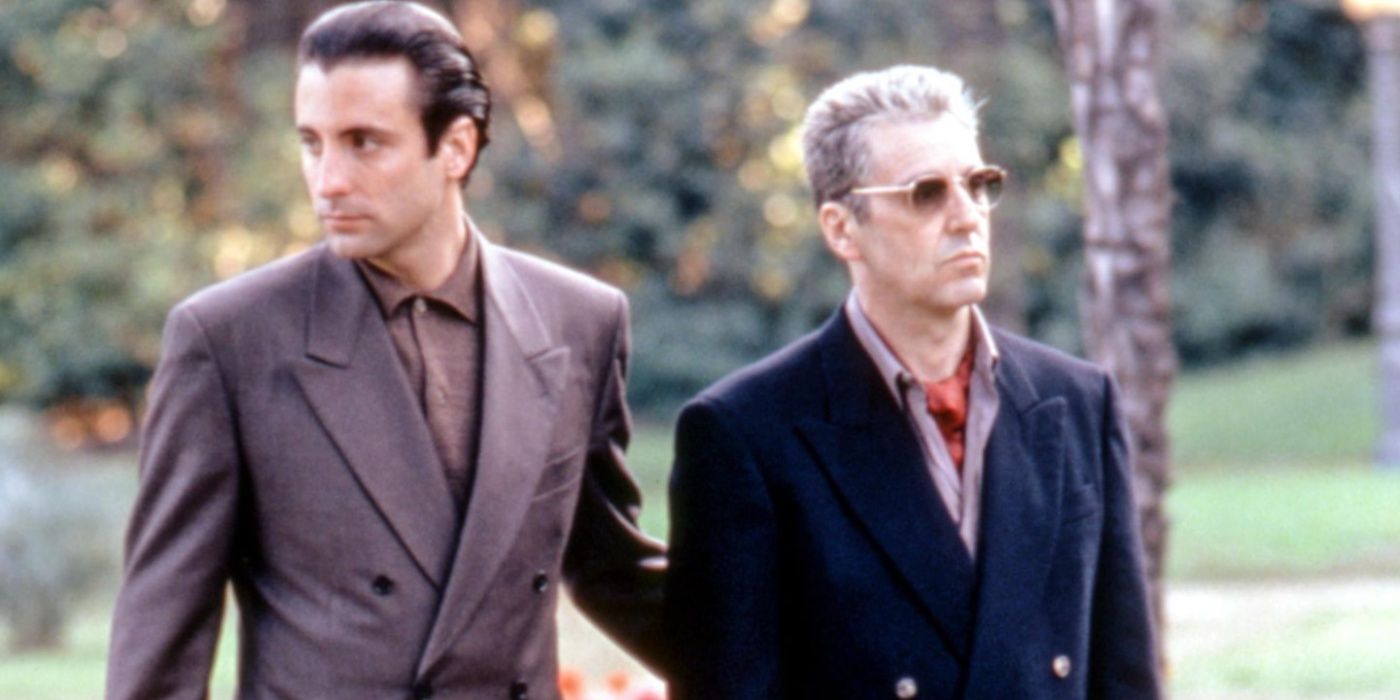
Details about Michael Corleone’s life from 1959 to 1997 are scarce, but it’s likely he was successfully managing his criminal organization. In The Godfather: Part III, Michael establishes the Corleone Group and tries to move into legitimate business through a large real estate deal involving the Vatican. At the same time, he mentors Vincent Mancini, Sonny’s previously unknown son.
Between 1979 and 1980, Michael Corleone is honored by the Vatican with the Order of St. Sebastian. Shortly after, someone tries to kill him and other mafia bosses in Atlantic City using helicopter-based hitmen. When Michael has a stroke brought on by his diabetes, Vincent steps in as acting boss, but only if he ends his relationship with Mary Corleone. Tragically, during a performance of Anthony’s opera in Palermo, assassins meant for Michael mistakenly kill him. The story concludes in 1997, with Michael dying peacefully alone in a Sicilian courtyard.
Context
As people age, they often gain wisdom. After years of conflict, Michael understands that while organized crime can be profitable, it always comes with constant fear. He feels trapped by his life of crime and decides to leave it behind for an honest living. Many criminals experience this desire for change eventually, but things usually take a turn for the worse before they can actually go straight.
The Godfather: Part III focuses more on Michael’s personal struggles than the consequences of his criminal life, which ultimately makes it a weaker film. However, his motivations are clear: he’s trying to safeguard his family, even though making difficult choices inevitably changes a person. Ultimately, he faces a lonely death.
2026-01-29 21:42