Lots of animated movies feel classic and continue to be loved by people of all ages. Even if the animation looks a little old-fashioned or the special effects aren’t perfect, great stories and memorable characters can still capture audiences and make them forget any flaws.
Despite their strengths, some scenes in these films—both small and large—are simply embarrassing and highlight outdated, problematic attitudes. Jokes and suggestive comments that were once acceptable now often come across as offensive to modern audiences.
The Last Unicorn Is a Scary and Surreal Experience
The Last Unicorn is a truly special and beautiful animated film. Its stunning visuals and incredible voice acting – featuring Mia Farrow and Angela Lansbury – set it apart from other cartoons of the 1980s. However, like many films made for children at the time, it does have some scenes that feel somewhat unsettling.
The film contains some unsettling imagery, like a tree that appears to overwhelm another character and a skull fixated on wine. These moments feel more appropriate for mature audiences. A particularly frightening scene involves a Red Bull character trapping unicorns at sea. The villain’s violent behavior is intense enough to genuinely scare younger viewers, so The Last Unicorn is best watched with caution by those who are easily frightened.
Lady and the Tramp Contains Two Offensive Villainous Characters
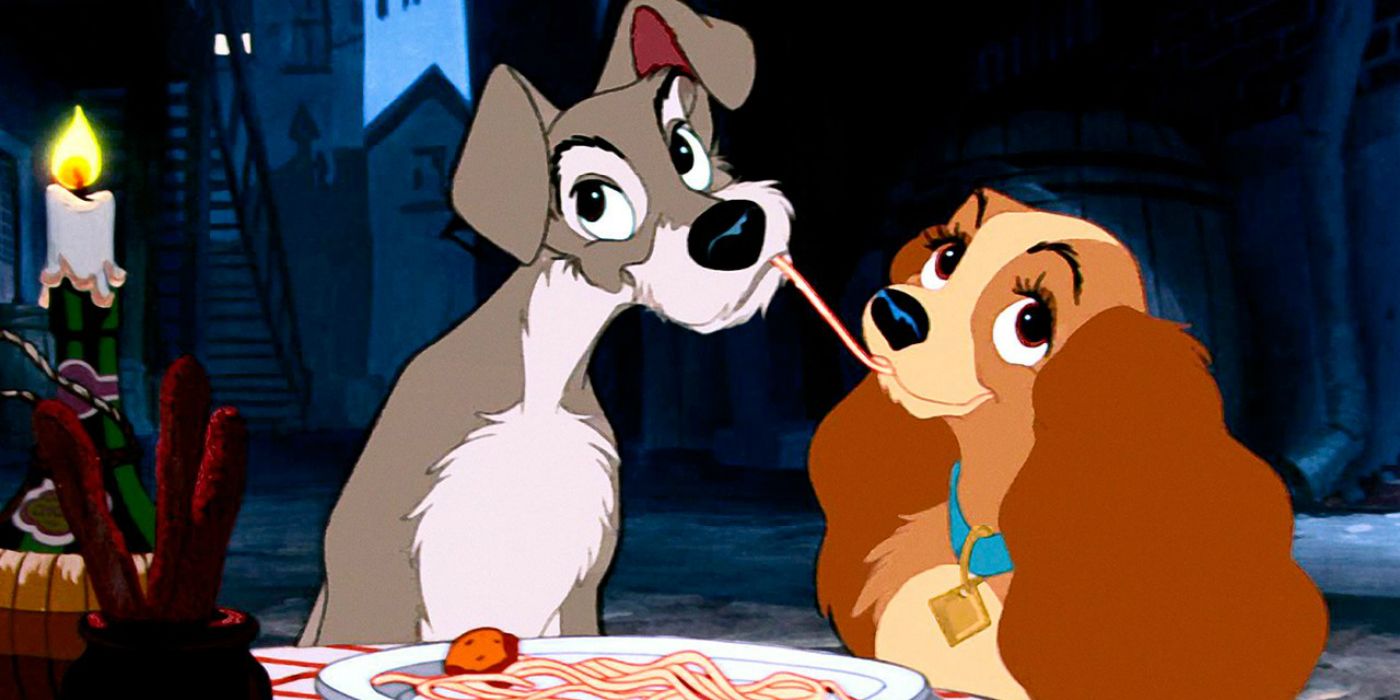
Disney’s Lady and the Tramp is a beloved classic about a love story between two dogs from very different backgrounds. Its beautiful animation, touching story, and memorable scenes—like the famous spaghetti dinner—showcase the magic of Disney during that era. However, the film also contains outdated and problematic stereotypes common in Disney movies of that time.
As a classic Disney fan, I always loved Lady and the Tramp, but looking back, some parts haven’t aged well. It doesn’t have a typical ‘bad guy,’ but the Siamese cats, Si and Am, definitely stand out – and not for good reasons. Their introduction in ‘The Siamese Cat Song’ is pretty problematic; the way they’re animated, with slanted eyes, feels really insensitive and relies on harmful stereotypes about Asian people. Plus, the song itself uses instruments like gongs and chimes that are commonly found in Asian music, which just adds to the cultural insensitivity.
The Aristocats Includes an Embarrassing Racial Stereotype
I really love The Aristocats – it’s always been one of the highlights from Disney’s Renaissance period, those years from 1970 to 1988. But even with all its charm, and characters like the amazing Thomas O’Malley helping Duchess and her kittens, there’s a part that’s really uncomfortable to watch. During the fun, jazzy song ‘Ev’rybody Wants to Be a Cat,’ there’s a moment that comes across as really racist, and it just brings the whole thing down.
A cartoon cat named Shun Gon performs a piano piece using chopsticks while singing a silly and disjointed song referencing Chinese and Asian food and culture. The scene is problematic because Shun Gon is depicted with exaggerated, stereotypical features – slanted eyes and buck teeth – and a strong accent, all clearly intended to be humorous at his expense. Even though it’s a short segment, it’s particularly offensive and memorable for all the wrong reasons.
Fire and Ice Is Extremely Sexual and Features Stereotypical Depictions
Despite being a cartoon, the film contains unnecessary and suggestive content. Several scenes focus excessively on Princess Teegra’s body, specifically her breasts and buttocks, seemingly intended to appeal to male viewers. While Teegra is portrayed as strong and determined to escape, this overt sexualization is hard to ignore.
The film Fire and Ice features a group of antagonists, portrayed as ‘savages,’ who kidnap and mistreat the princess. These characters, though human in appearance, are depicted as distinctly different – and darker-skinned – than the heroes. It’s a shame these elements are central to the story, because the film boasts stunning visuals thanks to Frank Frazetta’s art and Ralph Bakshi’s unique direction. Like other films by Bakshi, Fire and Ice is visually impressive, but contains problematic scenes when viewed through a modern lens.
Pinocchio Has Many Deeply Disturbing Scenes
Walt Disney Animation Studios proved they could tell darker stories with films like Snow White and the Seven Dwarfs, which features genuinely frightening scenes, such as Snow White’s journey through the forest. Their second film, Pinocchio, went even further, presenting truly unsettling moments as the puppet Pinocchio gets caught in a terrifying situation on Pleasure Island.
The villainous Coachman lures young boys with promises of fun, but his true intention is to turn them into donkeys and sell them as slaves. This transformation, which robs children of their freedom and humanity, is deeply disturbing. While Pinocchio manages to avoid this fate, the story suggests many other boys are turned into donkeys and forced to work in terrible conditions, having once been children themselves.
Heavy Metal Is Severely Misogynistic
The newly restored version of the animated film Heavy Metal is being promoted as bolder and more intense than before. It mixes loud rock music with science fiction and frequent sexual themes, appealing heavily to traditionally masculine tastes. Though it has gained a cult following, many viewers recognize its excessive violence and the way it exploits women. While Taarna, the warrior prominently featured in the film’s artwork, is portrayed as strong and fearless, she’s still often presented in a revealing outfit and subjected to objectification.
Taarna remains silent throughout the film, which some might see as a positive portrayal of people who don’t speak, though that likely wasn’t the filmmakers’ goal. Beyond the obvious sexism, the animation now looks quite dated. While the film was an early adopter of CGI, the effects haven’t aged well in some scenes. Mostly, millennials remember seeing it as children, probably much younger than the film was intended for.
Fritz the Cat Set Out to be Nothing but Inappropriate
As a movie buff, I’m always fascinated by groundbreaking films, and Fritz the Cat definitely fits that bill. It’s considered the first full-length animated feature from the US, and it really captured the vibe of the late 60s and early 70s – a pretty wild time! Released in 1972 and directed by Ralph Bakshi, who was doing some truly innovative stuff with animation, it caused a huge stir. It wasn’t afraid to show sex, drugs, and violence – things you just didn’t see in animated movies back then. Some people were pretty shocked by it, even calling it an insult to animation, but honestly, it was a massive box office success!
Although the social observations in Fritz the Cat still resonate today, some viewers find the main character, Fritz, to be arrogant and disturbing. The film’s crow characters, intended to represent Black people, are depicted with minimal facial detail – they’re largely featureless black shapes with only glowing yellow eyes and pale teeth to distinguish them. Considering how provocative Fritz the Cat already was, a more thoughtful approach to the crows’ design might have been preferable.
Dumbo Is an Inspiring Story but Features an Appalling Amount of Racism
In the 1940s, Disney films frequently contained racist depictions of various cultures. Black people were particularly affected, appearing in some of the most problematic and insensitive scenes. A clear example is the song “Song of the Roustabouts” from the film Dumbo.
The song depicts nameless Black workers responsible for building the circus tents, and its lyrics – including the bleak line “We work all day, we work all night. We never learned to read or write” – make it one of Disney’s most problematic. Another song, the seemingly cheerful “When I See an Elephant Fly,” actually reinforces the film’s racist themes. The crows in the film speak using African American Vernacular English (AAVE), and the lead crow is named Jim Crow – a clear reference to the discriminatory Jim Crow laws of the past. Adding to the issue, the character is voiced by white actor Cliff Edwards, which is deeply insensitive.
Hey Good Lookin’ Comments on the Toxic Landscape of the 1950s
Ralph Bakshi was known for showing the darker side of American life, and his film Hey Good Lookin’ does just that. Unlike some of his other work, it’s set in 1950s Brooklyn and focuses on two feuding gangs. The movie was promoted as a realistic look at the decade, challenging the common belief among many older viewers that the 1950s were a carefree and innocent era.
The film contains strong content, including sexual references, violence, racial slurs, and homophobic language. It also relies on racist stereotypes. While these elements accurately portray the prejudices of the 1950s and the way women were often portrayed, they can be upsetting for modern viewers. The film deserves credit for tackling difficult issues of the time, but some scenes feel outdated and problematic today.
Peter Pan Is Full of Racism and Sexism
Among animated movies, Peter Pan is particularly problematic when it comes to insensitive remarks. Even before the adventure truly begins, Peter makes sexist comments to Wendy, rushing her while she helps him and then complaining that girls talk too much – all while she’s doing him a favor. Captain Hook also displays sexism by planning to exploit Tinkerbell’s feelings for Peter, stating that a jealous woman can be easily manipulated.
The film’s depiction of race and culture is deeply offensive. Native Americans are portrayed as savage, slow-speaking, and less than human, showing immense disrespect to a group whose history has been systematically suppressed. The character of Tiger Lily is presented as a sexualized threat to Wendy, and she’s the only Native American woman drawn to resemble the white characters, suggesting her beauty makes her more akin to Peter and the Lost Boys than to her own community. Despite the nostalgic and fantastical elements of Peter Pan, these portrayals are harmful.
Read More
- Gear Defenders redeem codes and how to use them (April 2026)
- Annulus redeem codes and how to use them (April 2026)
- CookieRun: Kingdom x KPop Demon Hunters collab brings new HUNTR/X Cookies, story, mini-game, rewards, and more
- Last Furry: Survival redeem codes and how to use them (April 2026)
- 2 Episodes In, The Boys Season 5 Completes Butcher’s Transformation Into Homelander
- Total Football free codes and how to redeem them (March 2026)
- All Mobile Games (Android and iOS) releasing in April 2026
- Genshin Impact Nicole Pre-Farm Guide: Details about Ascension and Talent Materials
- Gok Wan sparks speculation he has rekindled romance with his Hollyoaks star ex-boyfriend David Ames as he posts cosy snap
- The Division Resurgence Best Weapon Guide: Tier List, Gear Breakdown, and Farming Guide
2026-04-18 21:22