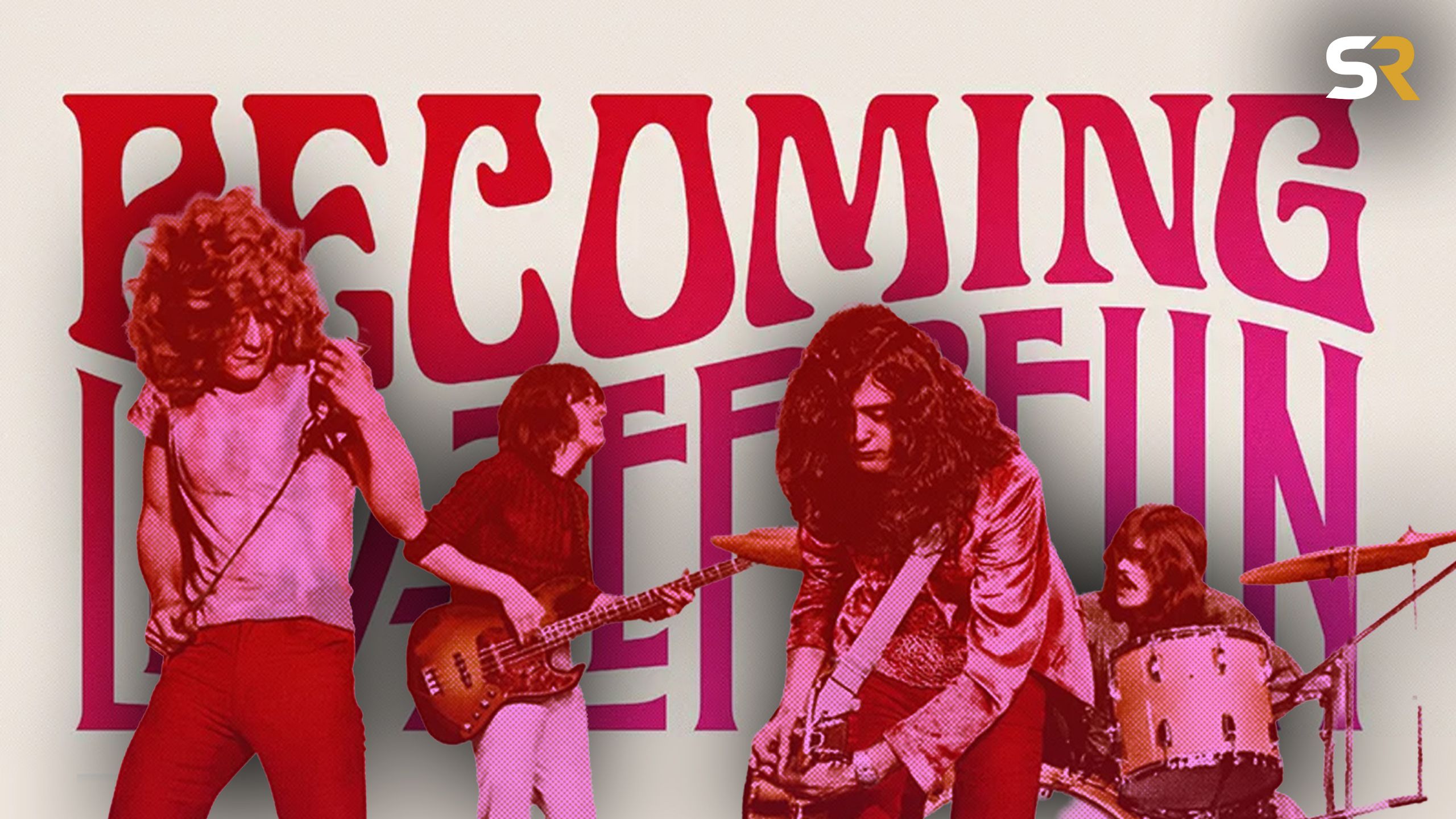
Growing up, my dad was the real music fan – his room was filled with records, rare tracks, and everything that went with it. I wasn’t like that, but even I could tell when a band was becoming legendary. Now, as a music editor, I’ve moved beyond just enjoying the music and started exploring how the band actually worked – from their groundbreaking studio techniques to the artists they continue to inspire today.
The new film, Becoming Led Zeppelin, is a fascinating look at the band’s origins. Released on 4K Ultra HD and Blu-ray on April 14, 2026, director Bernard MacMahon avoids the typical rock-and-roll mythology. Instead, he takes you back to the very beginning, showing the four musicians as they first came together – before they knew they were about to change music forever. The film relies heavily on newly discovered footage and audio, and the results are incredible. I expected a neat, analytical look back, but what I got was much more raw and immediate – like piecing together a story from evidence at a crime scene, and that’s a huge compliment. Here are ten moments from the film that were particularly striking.
Key Release Timeline
| Milestone | Date | Format |
| World Premiere | February 7, 2025 | Exclusive IMAX Release |
| Digital/Theatrical Peak | June 2025 | General Global Release |
| Home Media Launch | April 14, 2026 | 4K UHD / Blu-ray Steelbook |
| 1st Anniversary Encore | February 2026 | IMAX One-Night-Only Event |
10. Jimmy Page’s Secret Beatles Session Work
Before he formed the New Yardbirds, and even before the band started rehearsing, Jimmy Page was already London’s top studio guitarist. A newly discovered film confirms that he played the guitar on the song Ringo Starr listens to on a radio in the movie A Hard Day’s Night, and also helped create “Ringo’s Theme (This Boy).”
It seems like an obscure fact until you really think about it. This musician was already a seasoned professional, performing at the very top of his field, long before Led Zeppelin was even an idea. That skill – being able to quickly assess a recording session and deliver exactly what was needed – wasn’t just a lucky coincidence in Zeppelin’s success. It was the core element that everything else depended on.
9. Brittain’s Post-War Rubble Fueled Their Sound
You know, one of the things that really struck me about this documentary was how it used old footage of where the band grew up. It wasn’t glamorous at all – just bombed-out buildings and construction sites, the aftermath of the war. Seeing that bleak landscape as the backdrop to these four guys learning their instruments… it really hit home. It made you understand how their sound came about, figuring things out against that raw, post-war Britain.
It completely changes your perspective. The sheer energy and power, the determination to be bold—it moves beyond being a deliberate artistic style and feels like something essential. Perhaps growing up with the memories of the Blitz meant creating music wasn’t about subtlety, but about building sounds strong enough to overcome the past.
8. The Shirley Bassey “Goldfinger” Blueprint
It was surprising to learn that both Jimmy Page and John Paul Jones played on the James Bond theme song, “Goldfinger.” Page talked about how difficult it was to hold the final chord while Shirley Bassey sang her incredibly long note. He explained it wasn’t about feeling the music, but about their skill and professionalism as studio musicians.
Consider the pressure of that recording session. You’re working with a major pop star on a highly anticipated album, so there’s no room for experimentation or finding your way. You need to perform flawlessly, or you won’t get another chance. It was this blend of polished pop technique and instinctive blues feeling that gave Led Zeppelin’s first album its unique sound – and this session was a key part of creating that magic.
7. Robert Plant’s Convincing 1967 Pop Pivot
Before Robert Plant became famous with Led Zeppelin and songs like “Whole Lotta Love,” he actually released a solo single called “Our Song” back in 1967. The documentary features footage of this early work, and it’s striking to see how different it is from the music he’d be making just a year later.
It’s decent, and that’s almost the interesting part. It’s well-executed and professional, but very typical – a far cry from the passionate person who would be enthusiastically embracing music like “Dazed and Confused” by 1968. This highlights that great collaborations aren’t just about individual skill. They’re about the unique energy that specific people create together. Without Page, Jones, and Bonham, Robert Plant’s career would likely have taken a very different path.
6. Jimmy Page Used His Boathouse To Test MacMahon’s Worthiness
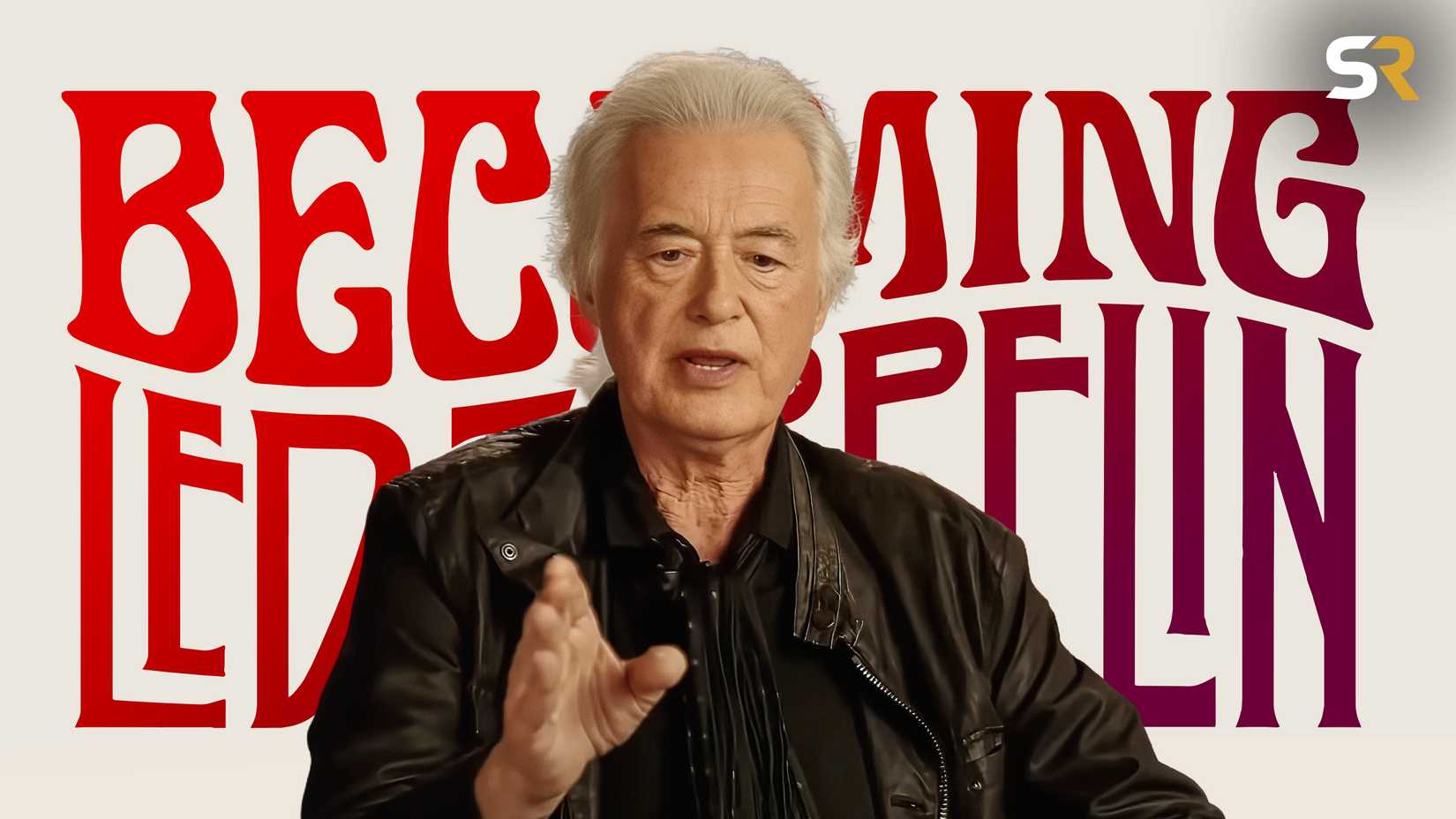
The boathouse at Pangbourne wasn’t just a picturesque location for the film; it served as a crucial test for anyone wanting to work with Page. He used it to gauge a filmmaker’s commitment and passion before letting them in. It was in this secluded spot by the river that the initial plan for the first album really came together.
This aligns perfectly with what we already understand about Page and his methods. For fifty years, he consistently rejected requests for documentaries, so he wouldn’t have shared his story with just anyone. The boathouse served as a test for MacMahon – a place where he had to demonstrate genuine merit. And clearly, he succeeded.
5. A 1972 John Bonham Interview Was Sitting In Australia This Whole Time
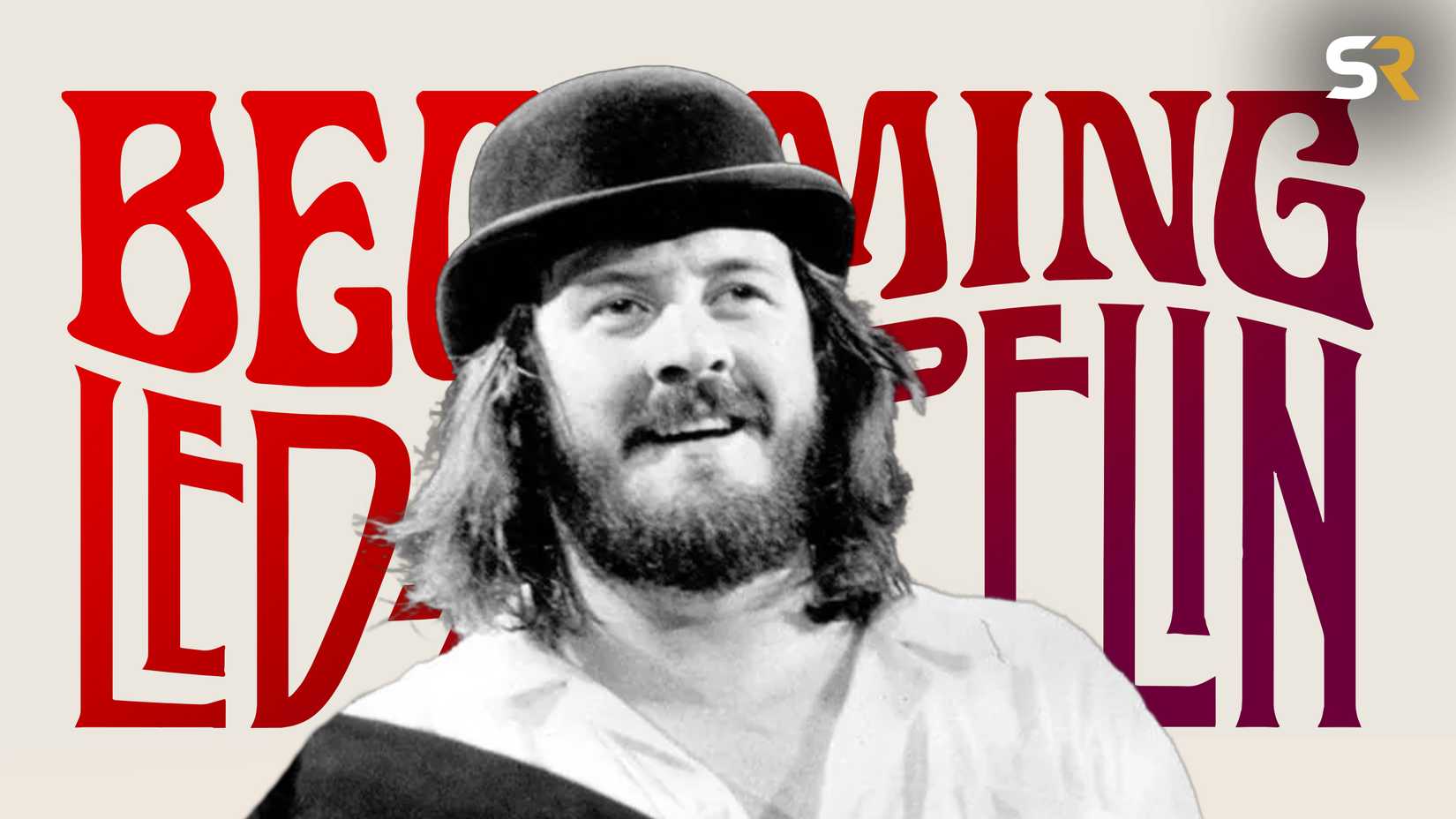
I was particularly struck by a recently discovered interview with John Bonham. Unearthed from the National Film and Sound Archive of Australia, the 1972 conversation appears in the documentary and is deeply moving. Considering Bonham rarely gave interviews, hearing him discuss his drumming—with sincere modesty about his process and motivations—is a remarkable find. It changes how you view this legendary musician, reminding you he was a person, not just an icon.
As a huge Led Zeppelin fan, I’ve always been fascinated by the mystery surrounding John Bonham’s lost vocals. For years, music historians have been trying to find them, and honestly, many of us had given up hope. But this documentary actually found them! It’s an incredible discovery – the most important thing they unearthed, and it packs way more of an emotional punch than even the amazing concert footage. It truly fills a void I didn’t even realize how much I was missing.
4. The Entire Debut Album Cost £1,782 (They Paid For It Themselves)

Page has mentioned this previously in various interviews, but the documentary really highlights it. Hearing the full story provides a new perspective. The band self-funded their first album—around £1,782—deliberately to maintain complete creative control. They wanted no outside influence, no meddling, and the freedom to make music exactly how they envisioned it, without any restrictions on song length or style.
Looking back to 1968, what Led Zeppelin did was genuinely rebellious. Record labels weren’t offering suggestions back then – they were telling bands exactly what to do. And the fact that Led Zeppelin’s first album sounds so uniquely them isn’t a coincidence. It’s because Jimmy Page and Peter Grant risked their own money to ensure the band’s creative vision wouldn’t be compromised right from the start. Honestly, every artist who’s ever stood up for their artistic freedom owes those two a debt of gratitude.
3. Robert Plant Called Their First-Ever Tune “Devastating”
The documentary pinpoints the very beginning: a small basement rehearsal on Gerrard Street with four musicians meeting for the first time. They played “Train Kept A-Rollin’,” and Robert Plant – before he became a legend, still finding his voice – says the experience was a revelation. He knew instantly they had something special.
The words used to describe it are crucial. It wasn’t just good – it was earth-shattering. It impacted you immediately, before you had time to think about it. That recording session was the birth of hard rock, and hearing the story from those who were there still gives you goosebumps even after all these years.
2. John Paul Jones Was A Child Prodigy & Zeppelin’s Secret Weapon
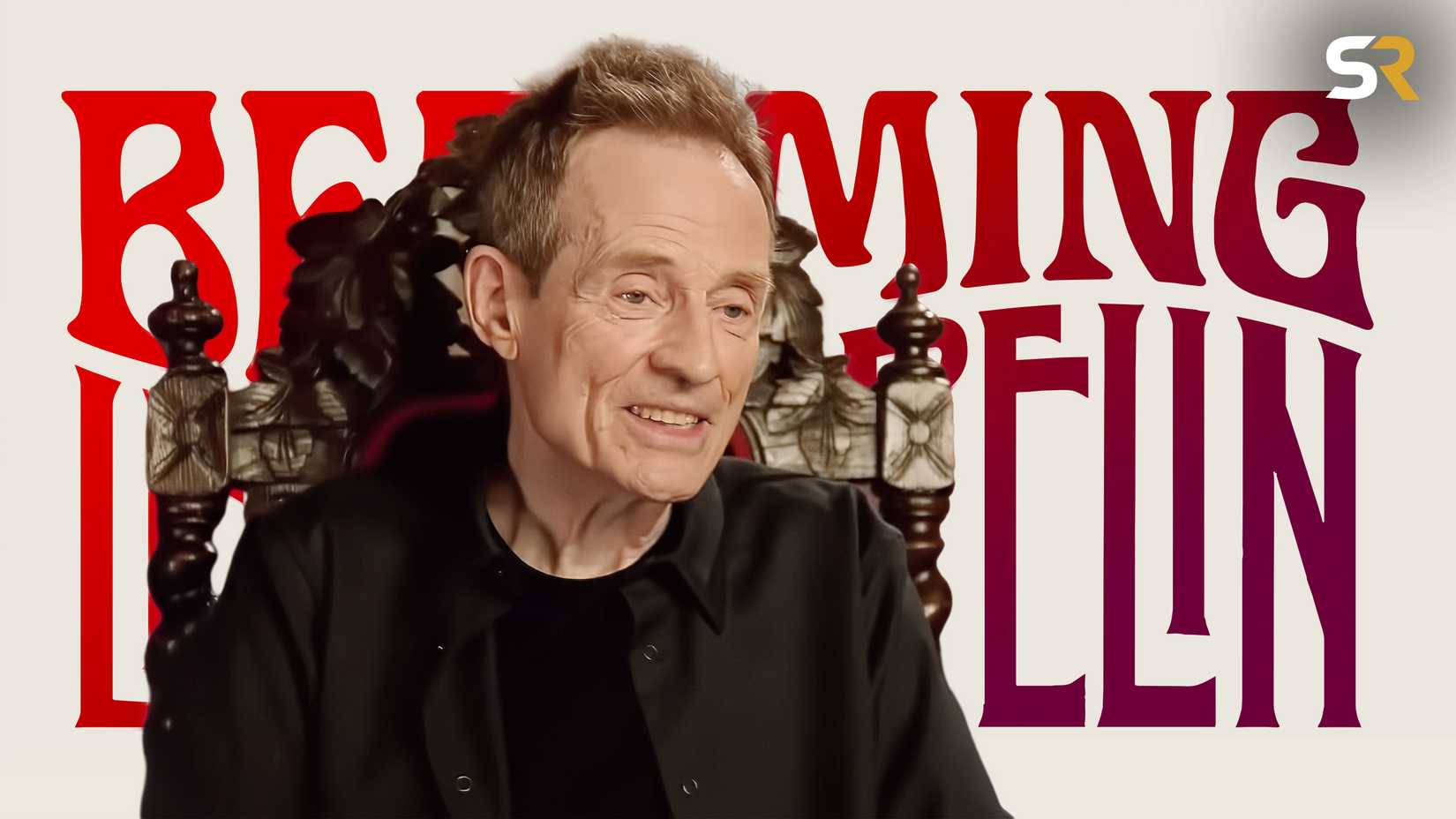
John Paul Jones often gets overlooked when people talk about Led Zeppelin’s history, and this documentary aims to change that. He wasn’t just a talented musician from a young age – his early training as a church organist explains how the band, which began playing blues-rock, was able to seamlessly blend so many different genres – from folk and Eastern music to hard rock and orchestral pieces – without losing its unique sound.
Jimmy Page and Robert Plant were the public face of Led Zeppelin, but John Paul Jones was the quiet force behind their sound. His background in classical and church music gave the band a unique harmonic depth that other rock groups didn’t have, allowing them to achieve their grand musical vision. As the film shows, he was the band’s hidden strength.
1. Jimmy Page Turned Down 50 Years Of Pitches Until…
For fifty years, Jimmy Page turned down requests to be the subject of a documentary. Then, Bernard MacMahon approached him with a unique proposal: a film focused solely on the music and Page’s early life, avoiding gossip, scandalous stories, or sensationalism.
I think the documentary really succeeded because it genuinely understood Led Zeppelin – who they were as a band, not just the legend everyone built around them. By focusing on the core truth and being respectful, the director, MacMahon, gained the trust of the surviving members, guys who’d spent fifty years guarding their story. That’s why this film is the most complete and accurate look at how Led Zeppelin started – it exists because this filmmaker realized the best way to understand them was through their music itself.
Becoming Led Zeppelin is available now on 4K Ultra HD and Blu-ray.
2026-04-16 17:14