The 2000s were a pivotal time for television, marking a significant leap forward for the industry. While classic shows continued to air, the decade saw more experimentation with riskier content and the development of entirely new types of programming.
The 2000s saw the arrival of hugely influential anime like Bleach, Fullmetal Alchemist: Brotherhood, Samurai Champloo, and the revamped Dragon Ball Z Kai. These shows were so popular that they often overshadowed other potentially great series. As a result, some truly innovative and deserving anime from that decade didn’t get the attention they deserved.
RahXephon Pushes Mecha Action To More Surreal & Expressive Places
Neon Genesis Evangelion dramatically changed the mecha anime landscape, proving it was difficult to match its intense psychological and existential themes. While marking the end of the 1990s for the genre, Evangelion also paved the way for a more daring and innovative future. One anime that followed in its wake was RahXephon, which centers on Ayato Kamina, a 17-year-old who discovers his normal life in Tokyo is a fabrication and that Earth is under attack by extraterrestrial forces.
What makes RahXephon stand out is its blend of deep, philosophical ideas from Evangelion with the classic, action-packed feel of super robot anime from the 1970s. The series also uses music in a really innovative way, paving the way for other mecha shows. It’s notable how RahXephon starts with simple, self-contained episodes but gradually develops into a much more intricate and compelling story. Plus, it was one of the first projects from Studio Bones, and it showcases the talent that has made them a leading animation studio.
Baccano! Unleashes A Mob War For An Immortality Elixir
Baccano! is a complex anime that mixes crime, fantasy, and historical fiction in a unique way. It follows immortals, alchemists, thieves, and assassins as they clash over a powerful elixir that grants eternal life. While many anime struggle when trying to combine so many different elements, Baccano! does it seamlessly. Even without the supernatural aspects, the story of rival crime families in 1930s America is incredibly engaging.
The timeline in Baccano! jumps around a lot, which can be confusing at first. However, the story isn’t complicated just for the sake of it, and the way the anime circles back to the beginning feels like a perfect ending to this unique story. This anime didn’t get as much attention as it deserved, and might have been more popular with multiple seasons. Thankfully, Baccano! doesn’t drag things out or rely on forced cliffhangers. It’s a fun, genre-bending crime story that feels like something Quentin Tarantino would direct if he ever made a live-action anime.
Kaiba Tells A Magical Story About Memory & Identity With A Strong Emotional Center
Masaaki Yuasa has created some of the most groundbreaking and captivating anime of the last twenty years, including the thought-provoking series Kaiba. Though only 12 episodes long, Kaiba builds a detailed and expansive world that feels like it could support much more storytelling. The series imagines a future where memories are saved on chips, allowing people to live on even after death. While this offers a kind of immortality, it’s also a system with significant flaws and potential issues.
In this unique world, memories function as currency, and the story begins with the main character waking up with complete amnesia – his memories have been stolen. The anime then explores what makes a person who they are, and blossoms into a beautiful love story. Kaiba doesn’t explain things simply, instead relying on striking, though sometimes intense, visuals. While many viewers were confused by Kaiba when it first came out, its lasting impact proves how forward-thinking its ideas truly were.
Mushishi Turns Supernatural Problem-Solving Into A Meditative Experience
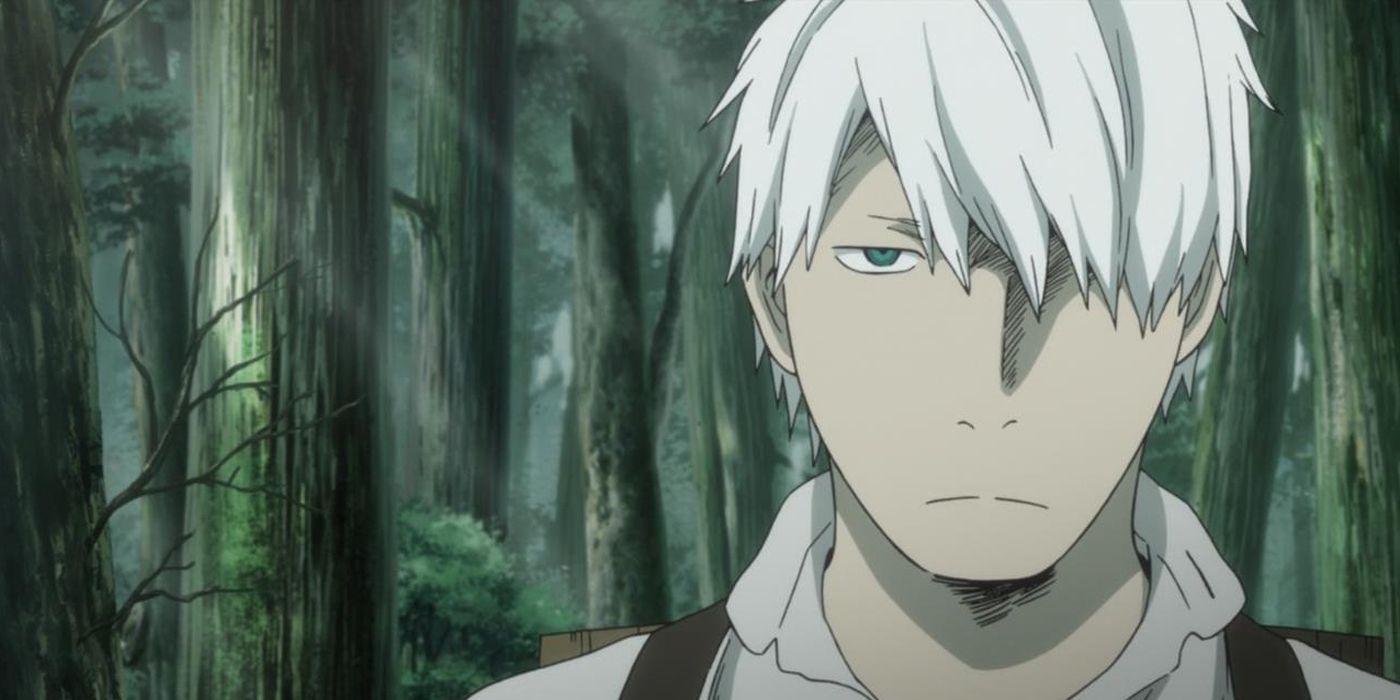
Many anime series feature a talented traveler who goes from town to town, helping people with their issues. While a lot of these shows involve fighting monsters, Mushishi stands out for its peaceful and relaxing atmosphere. The series consistently presents strange, supernatural events, which a researcher named Ginko tries to understand and fix. Interestingly, Ginko remains somewhat of a mystery throughout the show, and doesn’t undergo a significant personal transformation.
Unlike some anime, Mushishi is structured as a series of standalone stories. Each episode feels like a unique, supernatural tale in the vein of The Twilight Zone, focusing on Ginko’s discoveries. This approach really suits the show’s strengths, making each episode compelling even without a complex, ongoing plot. It’s a perfect anime for viewers who enjoy watching individual episodes without needing to follow a long story arc – something more and more people are looking for these days.
Rozen Maiden Combines Magical Girl Aesthetics With A Tournament Twist
The early 2000s saw a lot of creative experimentation in anime, and Rozen Maiden stands out as a prime example. Based on a popular manga by Peach-Pit, it cleverly blends the magical girl and gothic fantasy genres with the unexpected element of intense tournament battles. While Rozen Maiden uses many familiar themes and character types, it’s surprisingly refreshing because it consistently puts a unique spin on them.
Jun Sakurada is a middle schooler who’s often bullied and prefers to avoid the outside world. His life changes when he discovers he’s connected to Shinku, one of the Rozen Maidens. These Rozen Maidens are seven living porcelain dolls created to fight each other; the last doll remaining will achieve ultimate perfection.
From the beginning, the story establishes high stakes with characters who are physically vulnerable but determined to push themselves. Jun discovers a sense of purpose and connection by teaming up with Shinku and growing stronger together. The anime succeeds with its straightforward idea and detailed world-building. It even incorporates elements of a death game, a storytelling device that has become increasingly common since Rozen Maiden first aired.
Speed Grapher Fights With Supernatural Powers Against A Corrupt Capitalist Society
Speed Grapher is a mature action series that really captures the edgy atmosphere of anime from the early 2000s. It takes place in a futuristic, extremely commercialized Japan where a huge gap exists between the wealthy and everyone else. The rich are consumed by their desires and unusual interests. The story follows Tatsumi Saiga, a fearless war photographer, who gets caught up in trouble when he investigates an exclusive club, saves a woman they revere, and gains dangerous abilities linked to his camera.
Saiga has a unique power: anything he photographs is destroyed, a clever concept for a shonen anime. Alongside Kagura, whom he saves, he targets Tokyo’s most corrupt people, with self-contained stories unfolding throughout the 24 episodes. Speed Grapher is fueled by a strong anti-capitalist message that drives its characters. Though it didn’t get much attention when it first came out, its angry and passionate themes feel especially relevant today.
Paranoia Agent Uses Episodic Storytelling To Unpack A Macabre Mass Delusion
Satoshi Kon was a highly influential anime director who died at a young age. He’s best known for his captivating feature films, including Perfect Blue, Paprika, and Millennium Actress. However, one of his biggest accomplishments was the series Paranoia Agent. This thought-provoking show, which is still celebrated today, starts with a timid woman being assaulted by a young attacker on roller skates. What begins as a seemingly straightforward detective story quickly becomes a complex and psychological exploration of the human mind.
Every episode of Paranoia Agent focuses on a different person attacked by Lil’ Slugger, and how they understand this figure based on their own personal trauma. Through these individual stories, the series explores how easily people can fall into believing shared illusions and identifying as victims. It shows how comforting it can be to see yourself as a victim, and how each person affected by Lil’ Slugger contributes to the legend itself, mirroring their own fears. Paranoia Agent deeply examines trauma and mental pain, and it’s remarkably insightful in its look at mass hysteria and group behavior.
Found an error? Send it so it can be corrected.
2026-04-16 06:14