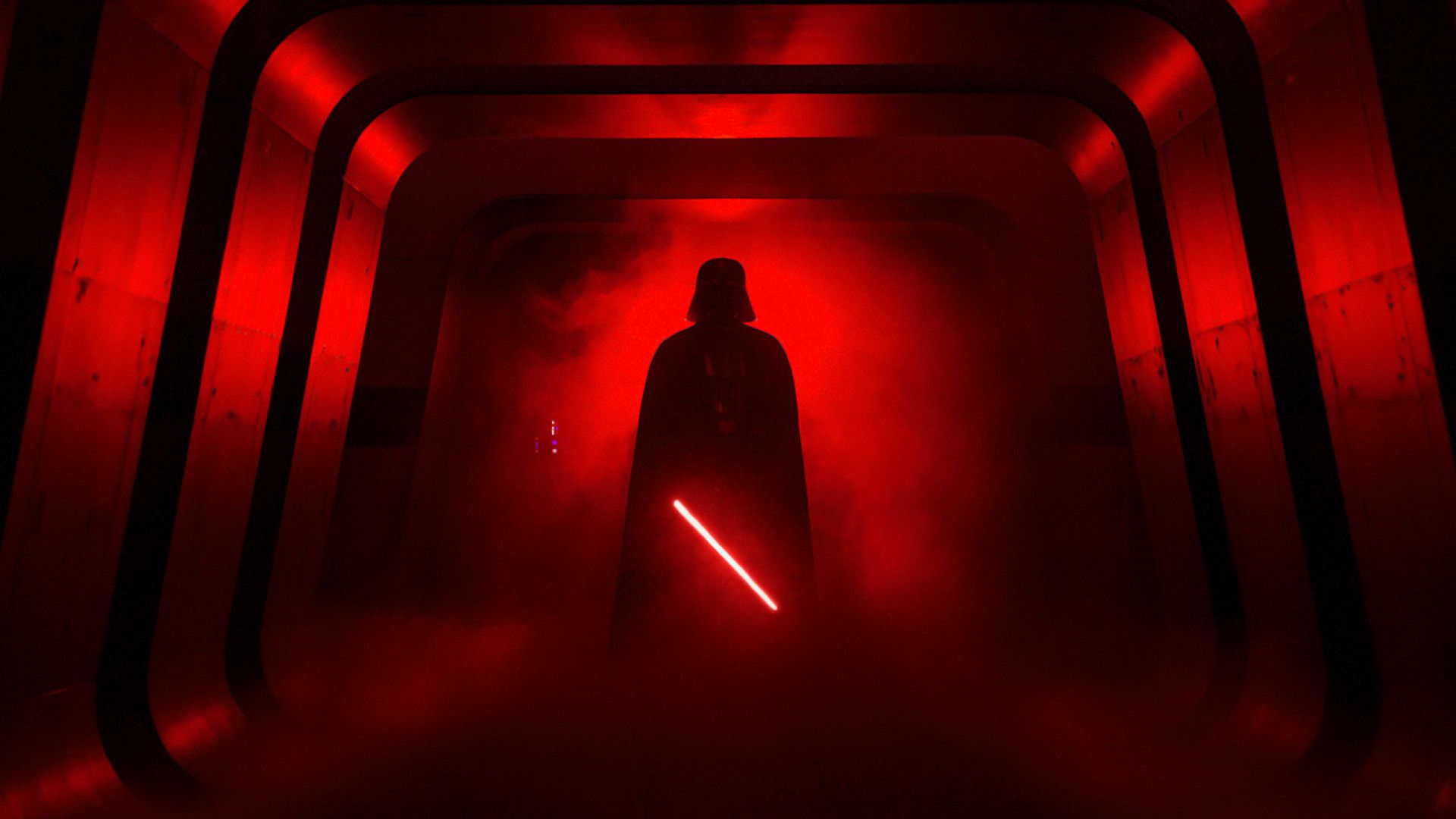
While Disney’s Star Wars isn’t flawless, it has definitely revitalized the franchise and arguably improved upon the original films created by George Lucas in several key areas.
Considering the criticisms Disney’s Star Wars films have faced – like the negative reaction to The Rise of Skywalker and the disappointing performance of Solo – it’s tempting to view George Lucas’ original Star Wars as the peak of the series. However, Lucas’s work wasn’t without its own flaws; his prequel trilogy received harsh criticism, similar to the strong negative response to Disney’s sequel trilogy and those involved in making it.
Disney’s Star Wars builds upon the original work of George Lucas, and some new projects, like the animated series Star Wars: Maul – Shadow Lord, are even exploring ideas he never fully developed. This is a fantastic way to pay tribute to Lucas and acknowledge the origins of the franchise. With so much Star Wars content now available, it’s becoming clearer what Disney has done well with the series, alongside recognizing areas for improvement.
6. Disney’s Star Wars Canon Is More Coherent (Despite The Occasional Retcon)
 ©Disney+/Lucasfilm/Courtesy Everett Collection
Before George Lucas sold Lucasfilm to Disney in 2012 for $4 billion, the official storyline of Star Wars was quite confusing. The original six movies and Star Wars: The Clone Wars were considered the core story, though even those sometimes had inconsistencies. Beyond that, there was a vast collection of books and comics known as the Expanded Universe – now called Star Wars Legends – which had a flexible connection to the main story. Basically, it was considered official until a movie or show changed something. While these books often started with Lucas’s ideas, he didn’t always follow the established details from the Expanded Universe when making the prequels, like the history of Boba Fett.
The same rule applied to video games, such as popular titles like Star Wars: Knights of the Old Republic and Star Wars: The Force Unleashed. They were only considered official parts of the story as long as they didn’t conflict with George Lucas’s original work. Even projects Lucas was involved in weren’t guaranteed to stay official. For example, the 2003 Star Wars: Clone Wars series, which Lucas approved for Cartoon Network, was later replaced by the 2008 Star Wars: The Clone Wars movie and TV show. These newer versions are now considered official, while the original Clone Wars series is not.
For a long time, Star Wars storytelling wasn’t strictly controlled, which meant many creative and innovative stories were lost or discarded. However, in April 2014, Disney decided to change this. They rebranded the older stories as ‘Legends,’ meaning they were no longer official canon. From then on, anything Disney created or approved – including the existing movies and The Clone Wars – would be considered the official Star Wars story.
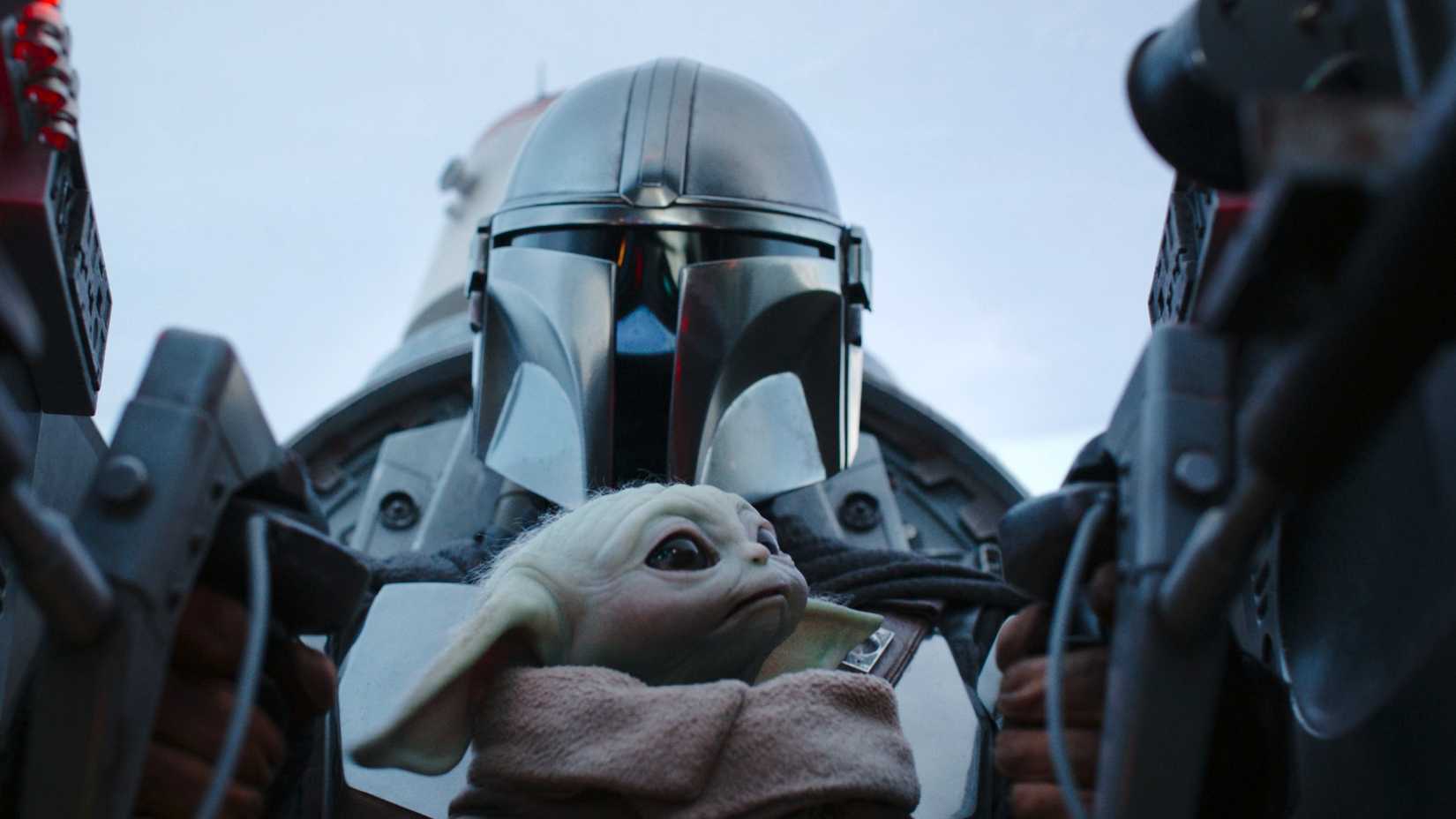
As a huge Star Wars fan, I’m really excited about how everything made since 2014 – movies, cartoons, Disney+ shows, books, comics, and games – all officially connect! It means the story is getting bigger and bigger, which can be a little overwhelming, I admit. But it also opens up so many possibilities! We’re already seeing characters jump between different shows and stories – like how the crew from Star Wars Rebels is now a big part of The Mandalorian universe. And honestly, The Mandalorian feels a lot like a continuation of The Clone Wars, which is amazing to see!
Even with a clearer plan for what’s considered official story material, Disney’s Star Wars still occasionally revisits and changes previously established details. For example, some parts of Ahsoka Tano’s story after the events of Order 66, as shown in Star Wars: Tales of the Jedi, have been adjusted, even though her journey was first detailed in the 2016 novel Ahsoka. However, these changes are small compared to the frequent revisions of the past, and with a franchise as large and complex as Star Wars, a few inconsistencies are inevitable.
It’s definitely simpler to follow the storyline of Star Wars now that Disney has established a clear official timeline.
5. The Star Wars Galaxy Is More Diverse Than Ever Before
 Jonathan Olley/©Walt Disney Studios Motion Pictures/©Lucasfilm/Courtesy Everett Collection
George Lucas’ Star Wars films were innovative for their time, but they lacked diversity. A study by USC engineer Shri Narayanan revealed that in the original A New Hope, only 6.3% of the dialogue was spoken by female characters (according to Variety). Furthermore, it wasn’t until The Empire Strikes Back that a character of color – Billy Dee Williams as Lando Calrissian – was given a speaking role.
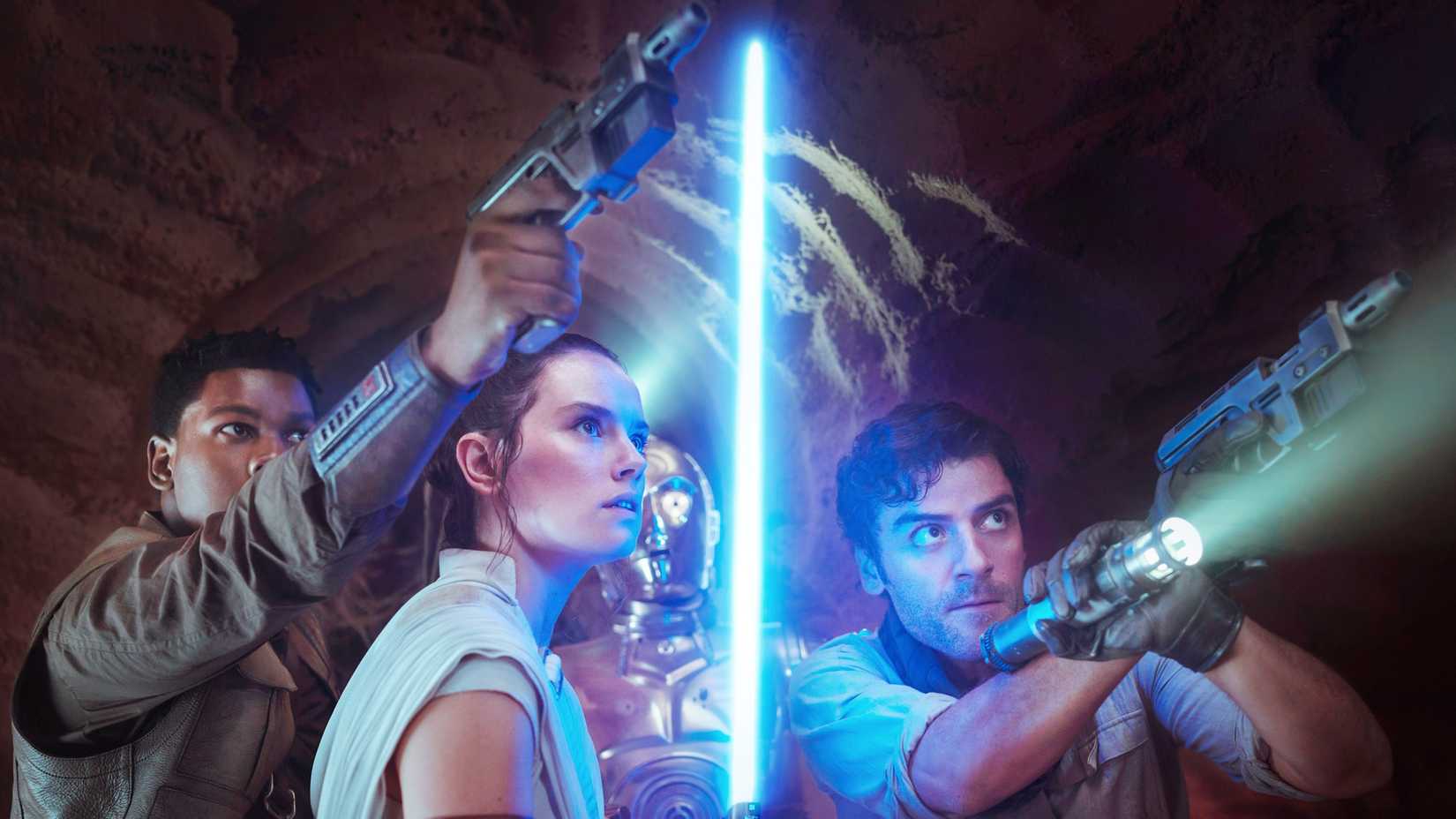
Compared to older Star Wars films, the current installments feature significantly more women and actors of color in leading roles—including stars like Daisy Ridley, John Boyega, Oscar Isaac, and many others. This shift has made the franchise much more inclusive and representative.
There’s always room for improvement, and characters played by John Boyega and Oscar Isaac weren’t featured as much as fans hoped in the recent Star Wars sequels. Interestingly, the most significant effort to include compelling LGBTQ+ characters has come from Star Wars: The High Republic, a book and comic series set centuries before the Skywalker story, rather than from the films themselves. However, Star Wars has undeniably made important and welcome progress in representation since its beginnings.
4. George Lucas Launched Star Wars’ Animated Content, But Disney Took It To New Heights
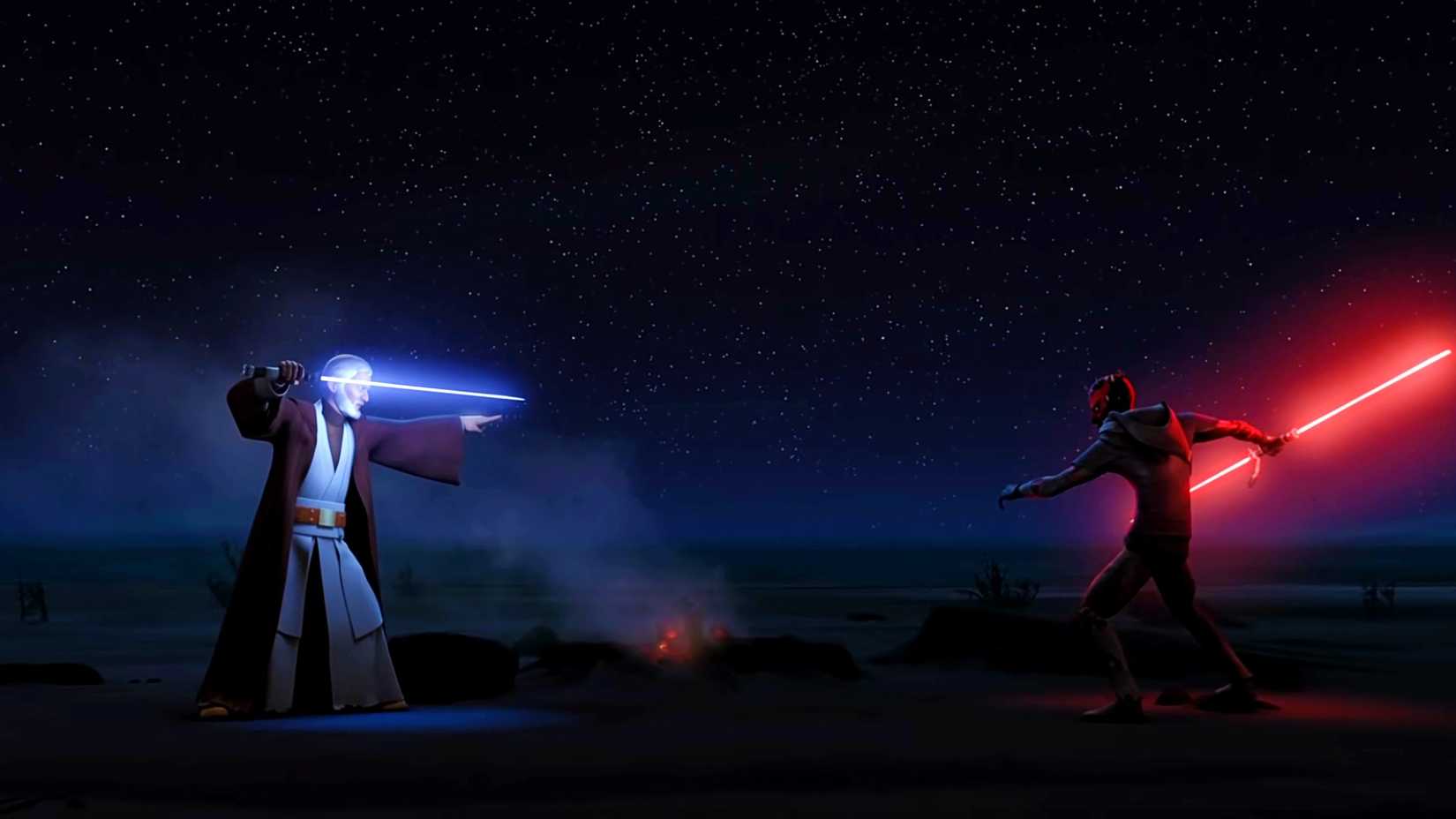
Animation has been a key part of the Star Wars experience ever since Boba Fett first appeared in the Star Wars Holiday Special. Genndy Tartakovsky’s Star Wars: Clone Wars showed that compelling Star Wars stories could be successfully told through animation. Later, with the unique 3D style of Star Wars: The Clone Wars, the franchise really found its footing in the world of animated storytelling during George Lucas’ time.
Even though The Clone Wars did so well, Disney quickly started experimenting with different animation styles and time periods for new Star Wars shows. Rebels was their first official TV series, running for four seasons on Disney XD. It hasn’t reached the same level of widespread praise as The Clone Wars, but honestly, Rebels has really shaped where Star Wars is going now. You can definitely see its influence in shows like The Mandalorian, Ahsoka, and even the more grounded storytelling of Andor.
Disney has been exploring new creative avenues within the Star Wars universe through animated projects like The Bad Batch, the Star Wars: Tales shorts, Star Wars: Resistance, Star Wars: Visions, and the soon-to-be-released Maul – Shadow Lord. These shows allow Disney to try out fresh concepts and styles while still highlighting the importance of animation to the franchise. The Bad Batch stands out as a particularly insightful character study, and Visions provided a platform for a new generation of artists and writers to showcase the vast creative potential of Star Wars.
3. Disney Star Wars’ Live-Action TV Output Is A Major Win For The Franchise
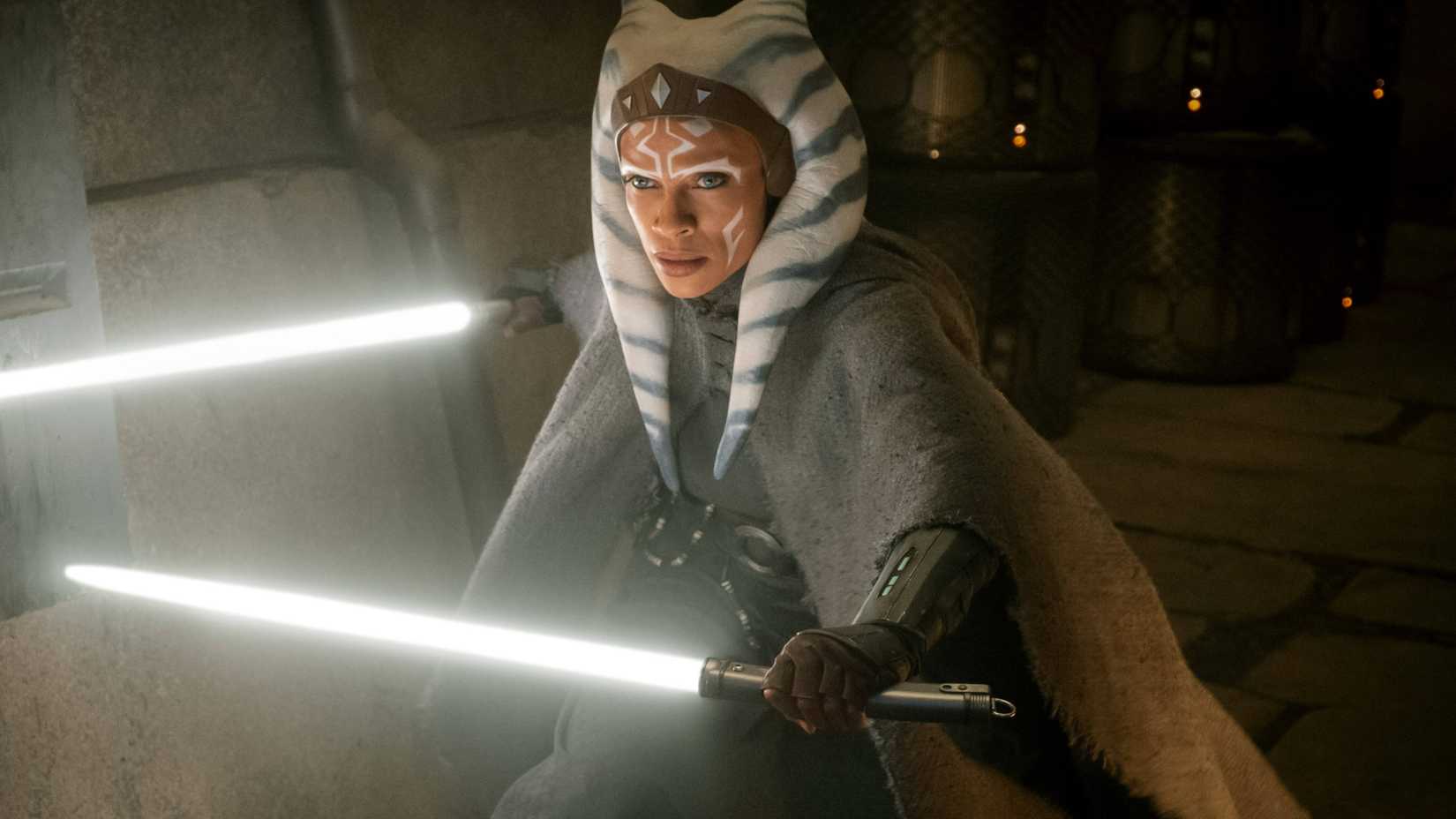
George Lucas had plans to create a live-action Star Wars television series himself. Around 2025, it became known that he was working on a show called Star Wars: Underworld, aimed at adult viewers. The series would have explored the criminal underworld of the Star Wars galaxy between Revenge of the Sith and A New Hope. He’d even written 60 scripts, but the project was ultimately too costly for traditional television and was never made.
Since Disney+ launched, live-action Star Wars shows have become a key part of being a fan. Series like The Mandalorian, Obi-Wan Kenobi, Ahsoka, The Book of Boba Fett, Star Wars: Skeleton Crew, The Acolyte, and the award-winning Andor created by Tony Gilroy have opened up exciting new storytelling opportunities within the Star Wars universe.
While not every Star Wars TV show has been a hit – The Acolyte was canceled after one season and The Book of Boba Fett faced criticism – some shows have been incredibly successful. The Mandalorian introduced a beloved pair of characters who are now heading to a feature film, and Andor redefined what Star Wars storytelling could be, proving that live-action TV series can thrive within the franchise.
These shows dive into the lesser-known conflicts, political struggles, and unique communities within the Star Wars galaxy, giving both casual and dedicated fans a fresh way to experience this universe.
2. Star Wars Now Has The Space To Experiment With New Genres
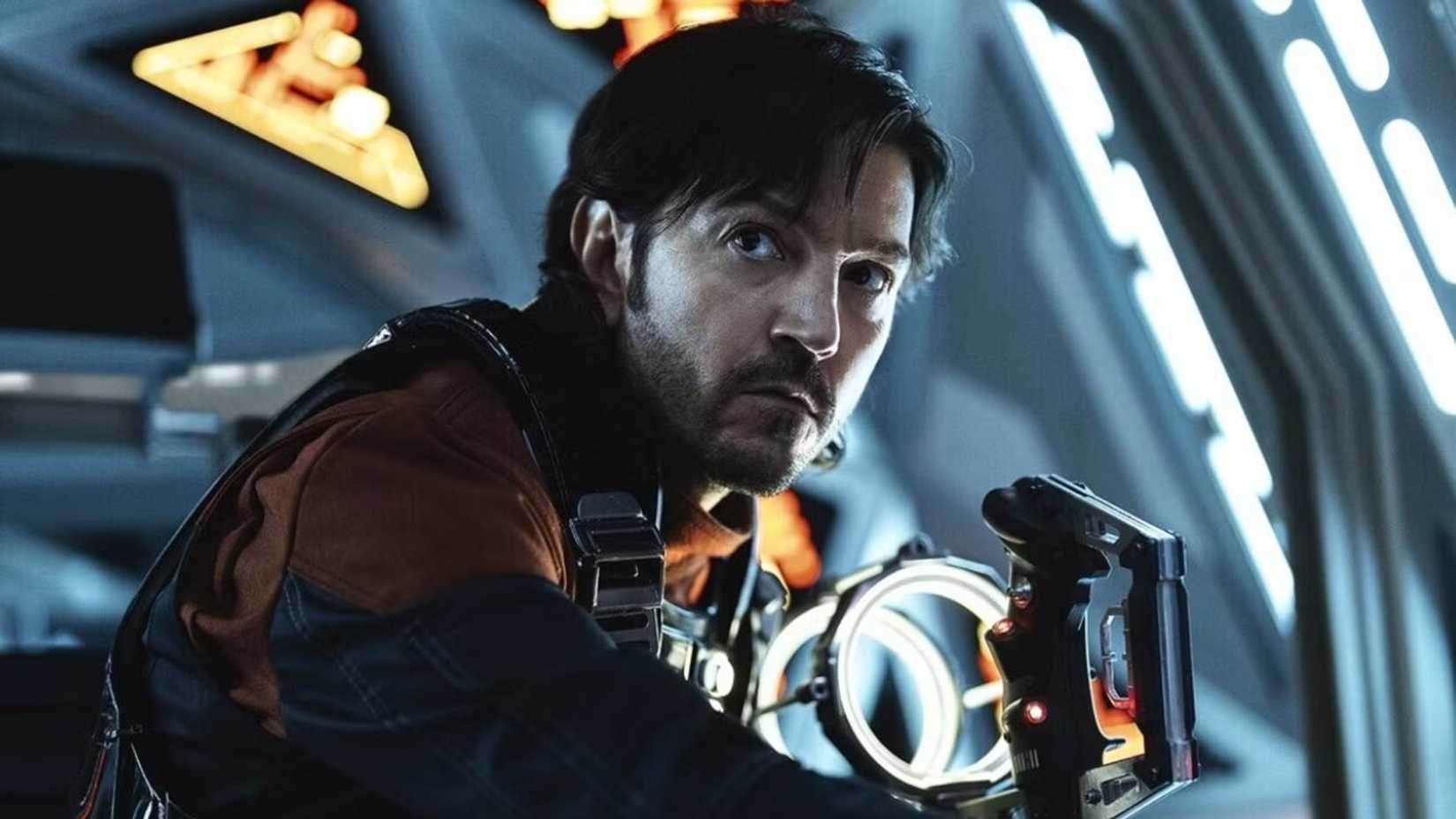
The success of recent Star Wars TV shows, both live-action and animated, has allowed the franchise to explore different types of stories. While Star Wars has the potential to be anything, the original films and prequels created by George Lucas largely focused on the conflict between the Jedi and the Sith, representing a classic battle between good and evil. Though the original trilogy drew inspiration from the Vietnam War and the prequels included more political themes, the films were primarily fantastical space adventures, featuring elements of knights, swordsmanship, mysticism, and romance.
While earlier episodes under Lucas experimented with different styles, it wasn’t until Disney started making more Star Wars content that the series truly branched out. The Mandalorian successfully captured the feel of classic Westerns, and Andor became a compelling political thriller – all while staying true to the established Star Wars universe. This willingness to explore new genres is key to keeping the franchise innovative and appealing to both current and future generations of fans and creators.
1. Disney’s Star Wars Isn‘t Afraid To Explore The Franchise’s Vast Timeline
 Credit: Disney+
Because George Lucas only created seven films and one TV show for Star Wars, his stories didn’t cover the entire history of the franchise. Lucas was skilled at subtly hinting at past events – like Luke and Leia briefly mentioning the Clone Wars in A New Hope long before the show – which made the Star Wars universe feel richer and more detailed. However, all of Lucas’s work focused on a limited period, between the fall of the Jedi and the rise of the Rebellion, a relatively small part of the overall Star Wars timeline.
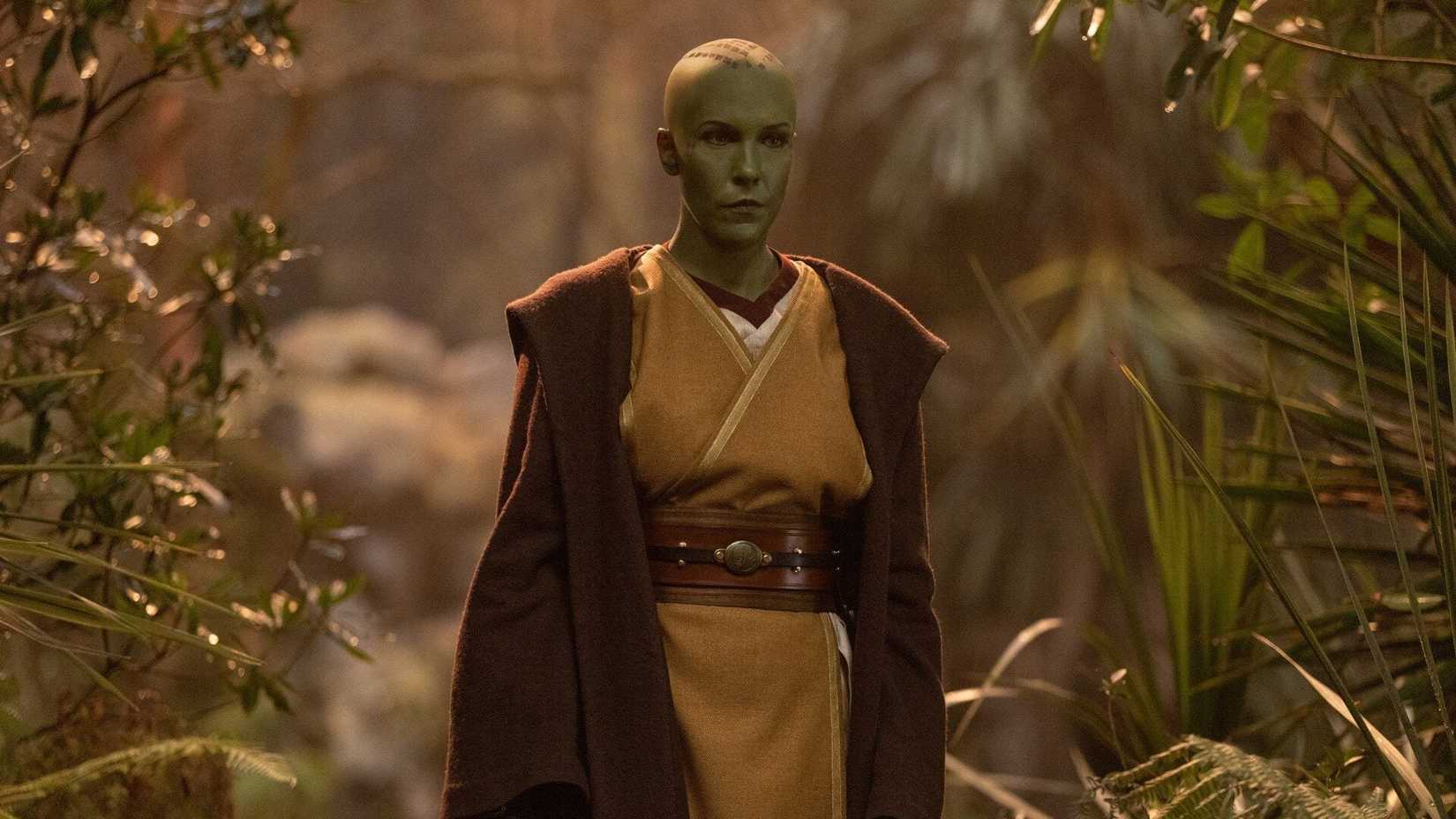
Recently, Disney’s Star Wars has been working to broaden its storytelling beyond the main Skywalker saga. Projects like those in the ‘MandoVerse’ and the exploration of the ‘High Republic’ era – including Star Wars: The High Republic, The Acolyte, Young Jedi Adventures, and Star Wars Jedi: Survivor – have significantly expanded the Star Wars universe, allowing for fresh stories and new characters to shine.
With Dave Filoni now leading creative efforts and Lynwen Brennan co-leading the company at Lucasfilm, it’s unclear how Disney’s Star Wars franchise will evolve in the future.
Star Wars returns to cinemas with The Mandalorian and Grogu on May 22, 2026.
2026-03-20 15:35