Werewolves remain a popular monster in horror, and Robert Eggers’ new film, Werwulf, shows just how captivating they still are by focusing on the creature’s origins. However, the werewolf myth might not be as well-known today if it weren’t for the influential classic horror films produced by Universal Studios.
Universal Studios is famous for establishing many of the classic horror themes we know today, starting in the 1920s. However, they didn’t always get it right. One example is a largely forgotten film called She-Wolf of London, which had a promising idea but ultimately didn’t live up to its potential.
Universal Studios Introduced the Werewolf Genre, But Not All Were Hits
In 1935, Universal Pictures transformed horror cinema with Werewolf of London, the first full-length movie about a werewolf. It established many familiar elements of the genre, like the idea of transformations happening at certain times. The studio continued to innovate with another film, which is still considered the best werewolf movie ever made. Even after over 80 years, it remains both frightening and emotionally powerful, demonstrating that these films and their monsters can explore deeper themes than just violence and shock value.
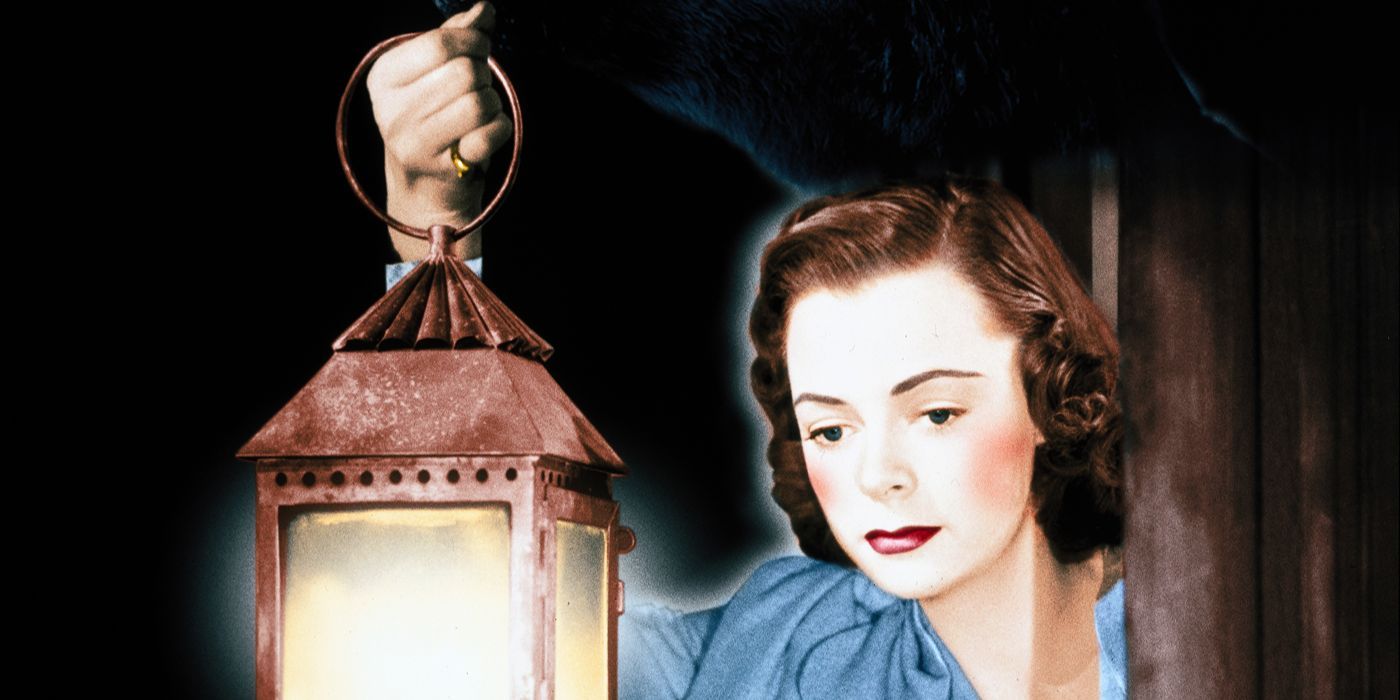
During the height of Universal’s monster movie popularity, they released She-Wolf of London in 1946. The title suggested a fresh take on the werewolf story, focusing on a female lead, but the film didn’t quite deliver. Instead, it presented something unusual for the genre – a twist that might be considered innovative today, but at the time felt like a misleading setup.
She-Wolf of London’s Ending Fails to Capture the Fun of the Werewolf Genre
June Lockhart, famous for her roles in TV shows like Lassie and Lost in Space, stars as Phyllis Allenby. Phyllis plans to move out of her home with her Aunt Martha to get married. Meanwhile, a series of murders begins in London, and people start whispering about a werewolf being the culprit. This film featured more violence than previous Universal monster and werewolf movies, though it didn’t reach the level of deaths seen in The Invisible Man. Still, it’s difficult not to suspect a werewolf is responsible throughout the story.
Phyllis fears her family is cursed with lycanthropy and suspects she’s the werewolf responsible for a series of attacks. The movie She-Wolf of London (a short 61 minutes) builds tension effectively. However, the reveal that there was no werewolf – it was actually Aunt Martha committing the murders and framing Phyllis to steal her inheritance – feels like a disappointing twist. It avoids the opportunity to create a rare female monster movie, a path similar to The Bride of Frankenstein. While the film isn’t poorly made, the title led viewers to expect a more traditional monster movie, and the ending couldn’t live up to those expectations.
Despite being marketed with other werewolf movies, She-Wolf of London is unusual because it doesn’t actually feature a traditional werewolf transformation. However, there’s still potential for a great film focusing on a female werewolf. A proper adaptation could finally give fans what they’ve been hoping for.
Found an error? Send it so it can be corrected.
2026-03-20 07:08