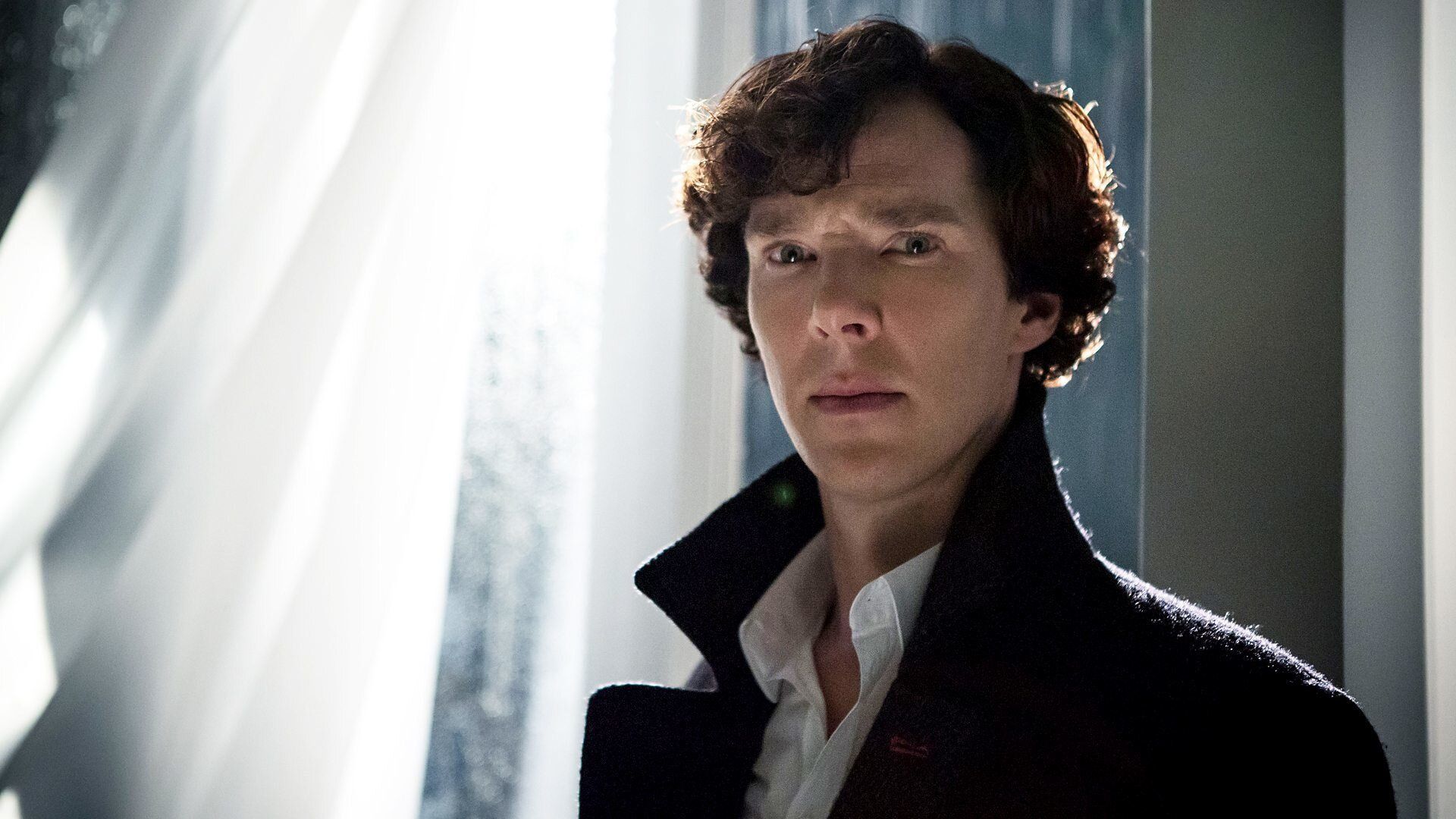
While many TV shows and movies feature the Victorian detective, the 2010 series Sherlock truly revolutionized the procedural drama genre. With Benedict Cumberbatch as Sherlock Holmes and Martin Freeman as Dr. John Watson, the show immediately captivated viewers with its suspenseful opening ten minutes, hinting at a thrilling journey filled with compelling characters and exciting mysteries.
It’s easy to take modern TV for granted, but many people don’t realize how groundbreaking some older shows were. With today’s technology, we’ve forgotten what was once considered impossible in storytelling and editing. The current popularity of Prime Video’s Young Sherlock is a good time to remember the earlier versions and see how much stories about the famously confident detective have evolved.
Sherlock’s Press Conference Scene Was A Revolutionary Start
Sherlock’s First Episode Changed TV
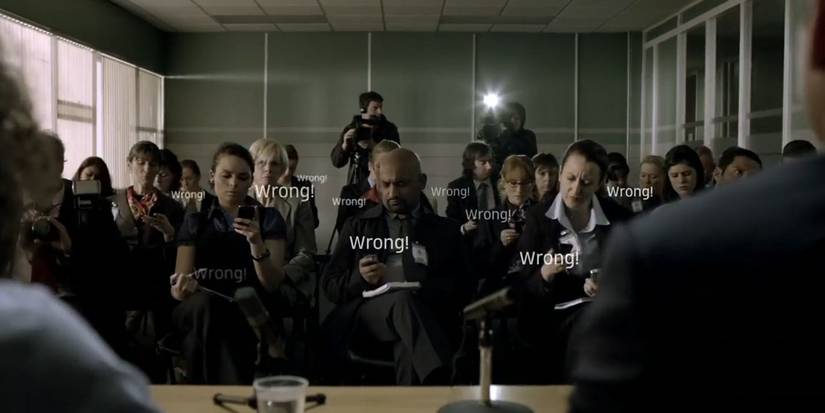
I was absolutely hooked from the very first moments of Sherlock‘s first episode, “A Study in Pink.” It did something truly special for television at the time. We met John Watson right away – the man who would become Sherlock’s indispensable partner – and were immediately thrown into the intriguing mystery that would kick off the whole series.
In the opening ten minutes of the updated Sherlock series, Detective Inspector Greg Lestrade is shown at a press conference discussing a series of apparent suicides in the city. While he’s telling reporters these deaths aren’t murders, everyone simultaneously receives a text message declaring, “Wrong!”
Just like before, when Inspector Lestrade assured everyone they were safe, the situation repeated itself. While the Sherlock Holmes of the novels was a brilliant Victorian detective relying on tools like telegrams and magnifying glasses, the new Sherlock showed a detective who clearly demonstrated his mastery of modern technology, often making the police seem outmatched.
The on-screen text did a great job of introducing Sherlock Holmes. Even before we officially met him, it established him as a confident and clever character who could easily surpass the police. It also hinted at his enjoyment of proving them wrong and making them look foolish.
The “Texts Onscreen” Trope Has Become A Staple Of Modern TV
Modern TV Shows Now Have Texts Floating On A Screen
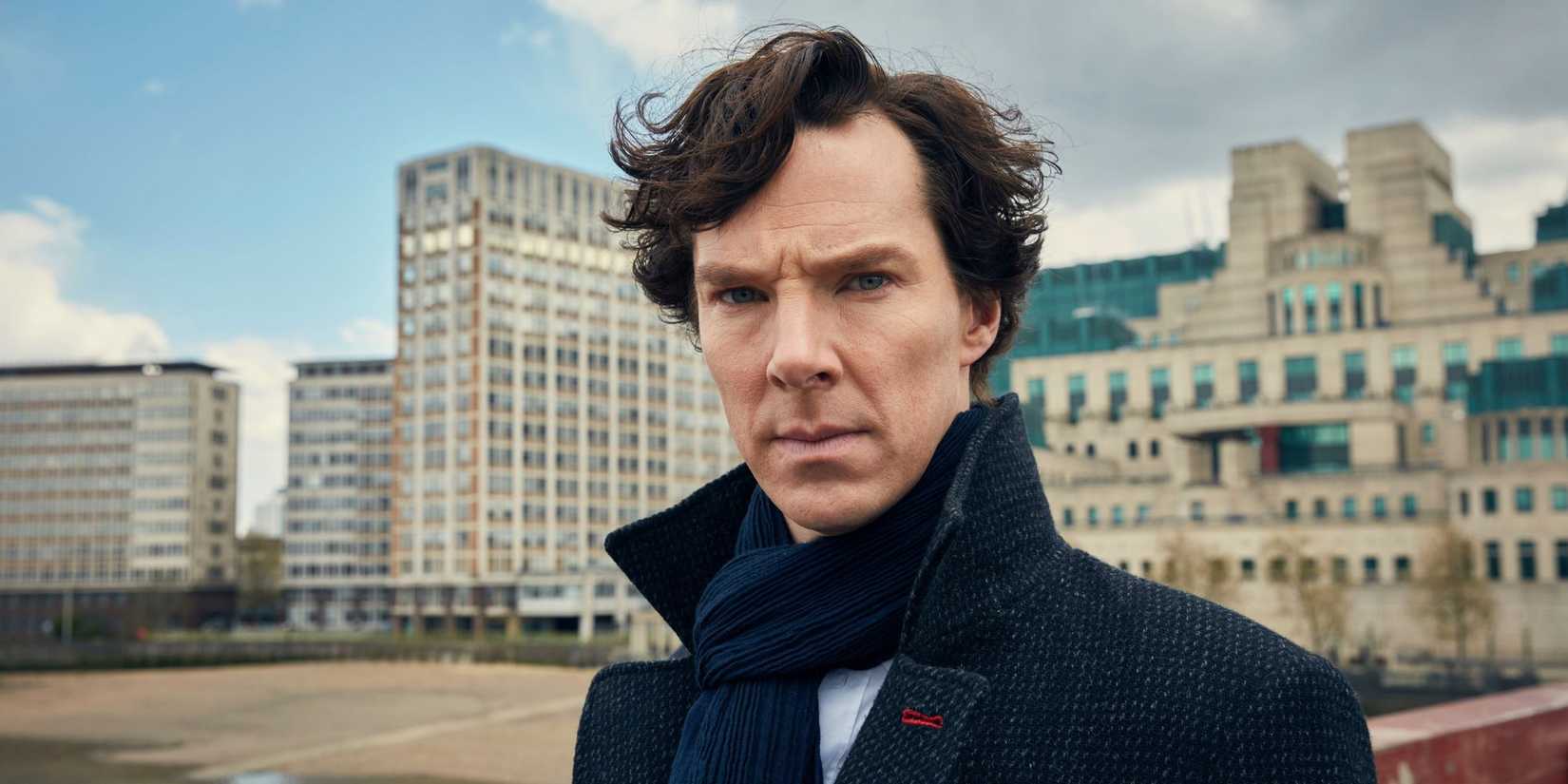
Around the late 2000s, smartphones were rapidly gaining popularity. This created a problem for filmmakers and TV show producers, as they struggled to depict what was happening on a phone without actually showing the screen itself.
Seeing text on screens is now completely commonplace, and viewers actually expect it in modern TV shows. Previously, focusing the camera on a phone screen felt awkward and took attention away from the actor’s performance.
Modern TV and movies now show text messages on screen as if they’re floating in the air, allowing us to see characters’ immediate reactions without interrupting the scene. This is a much better way to portray texting than cutting away from what’s happening.
Throughout the rest of the Sherlock series, this visual technique was consistently employed when text messages appeared on screen. This innovative approach gave the show a unique advantage in telling stories for a modern audience.
2026-03-16 19:38