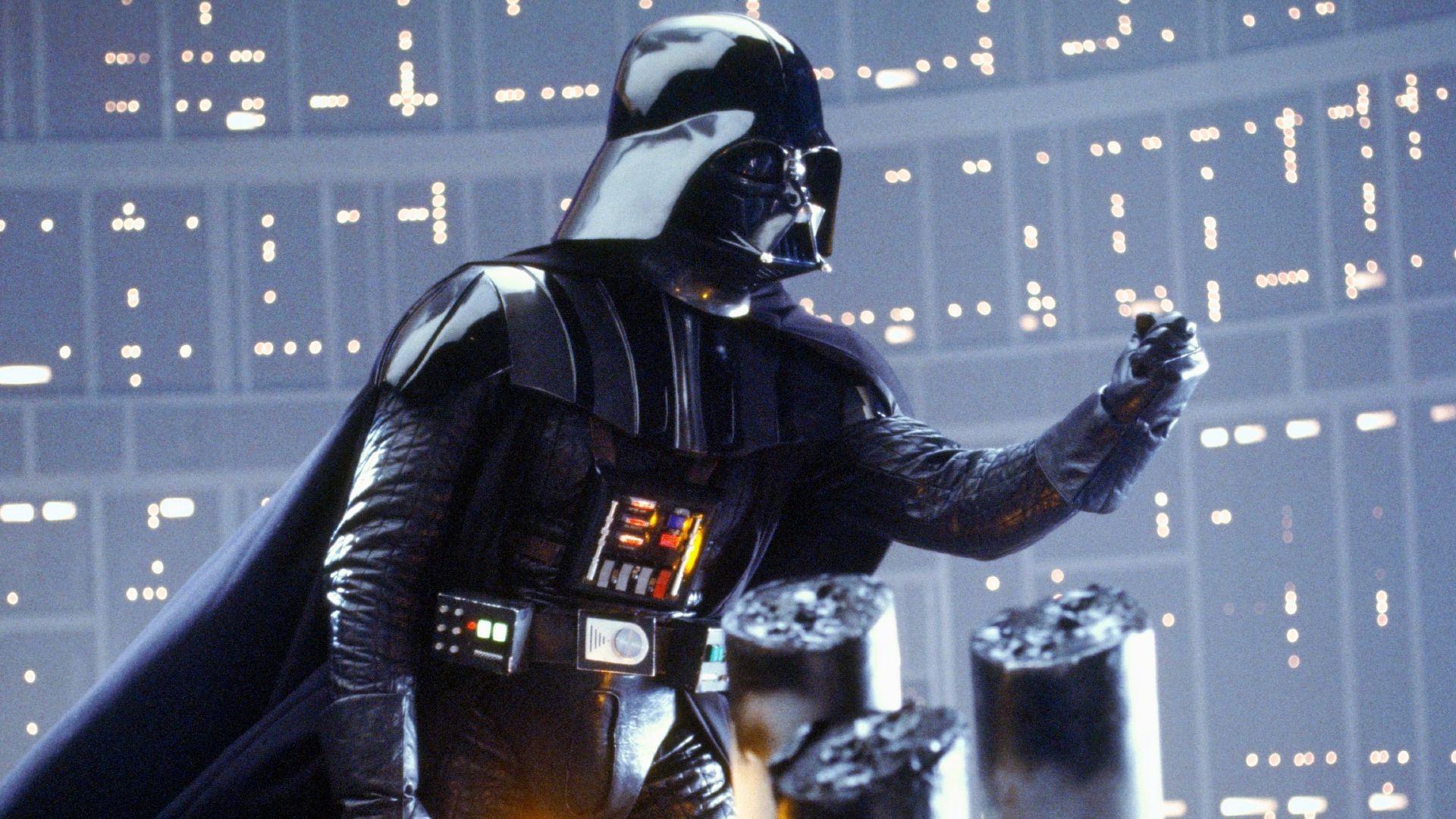
The Mandela Effect is when a large group of people all misremember something. It’s named after Nelson Mandela, as many people falsely remembered him dying in prison in the 1980s – they were surprised to learn he was actually released in 1990. While it’s been noted in many areas of pop culture, the Mandela Effect seems to happen quite often with details from movies and TV shows.
It’s common to find reasons why people misremember details, especially when it comes to movies and TV. Sometimes, director’s cuts are so different from the original versions that viewers get events mixed up. Other times, people argue about how things originally happened even years or decades later. From changes in costumes to misremembered quotes, the Mandela Effect has led to some surprising examples in film and television.
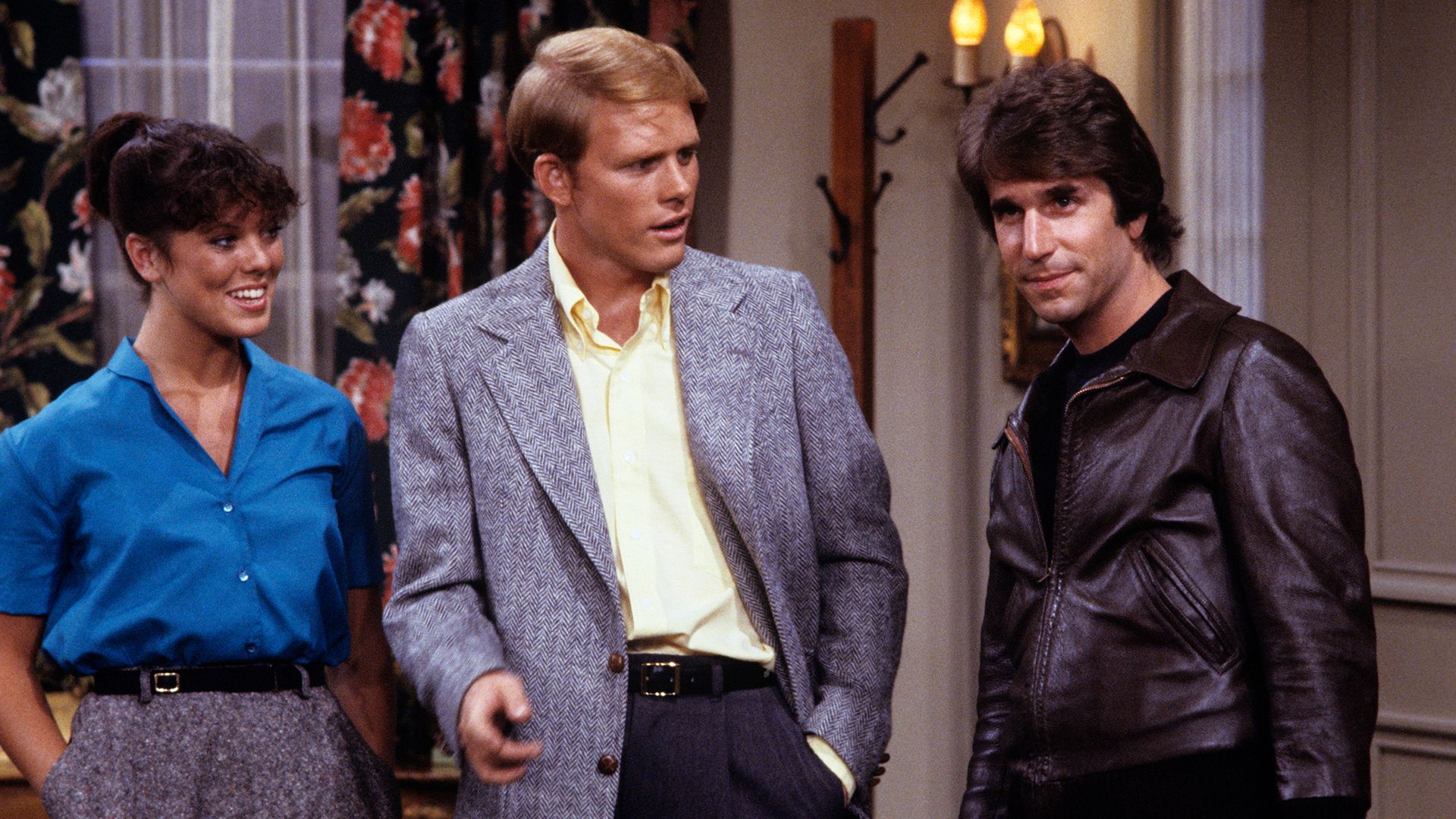
Fonzie’s Jacket in ‘Happy Days’
ABC
Henry Winkler became a household name as the Fonz on Happy Days after the show premiered in 1974. Though he began as a supporting character, the Fonz quickly became the central figure, capturing the attention of viewers nationwide. Surprisingly, despite all the focus on the character, people often overlooked his signature leather jacket.
Many people incorrectly remember the Fonz’s jacket as black, but it was actually brown. He initially wore a grey jacket, which was quickly replaced. The brown leather was a very dark shade, and combined with the limited picture quality of television in the 1970s, it’s easy to see how the misunderstanding started.
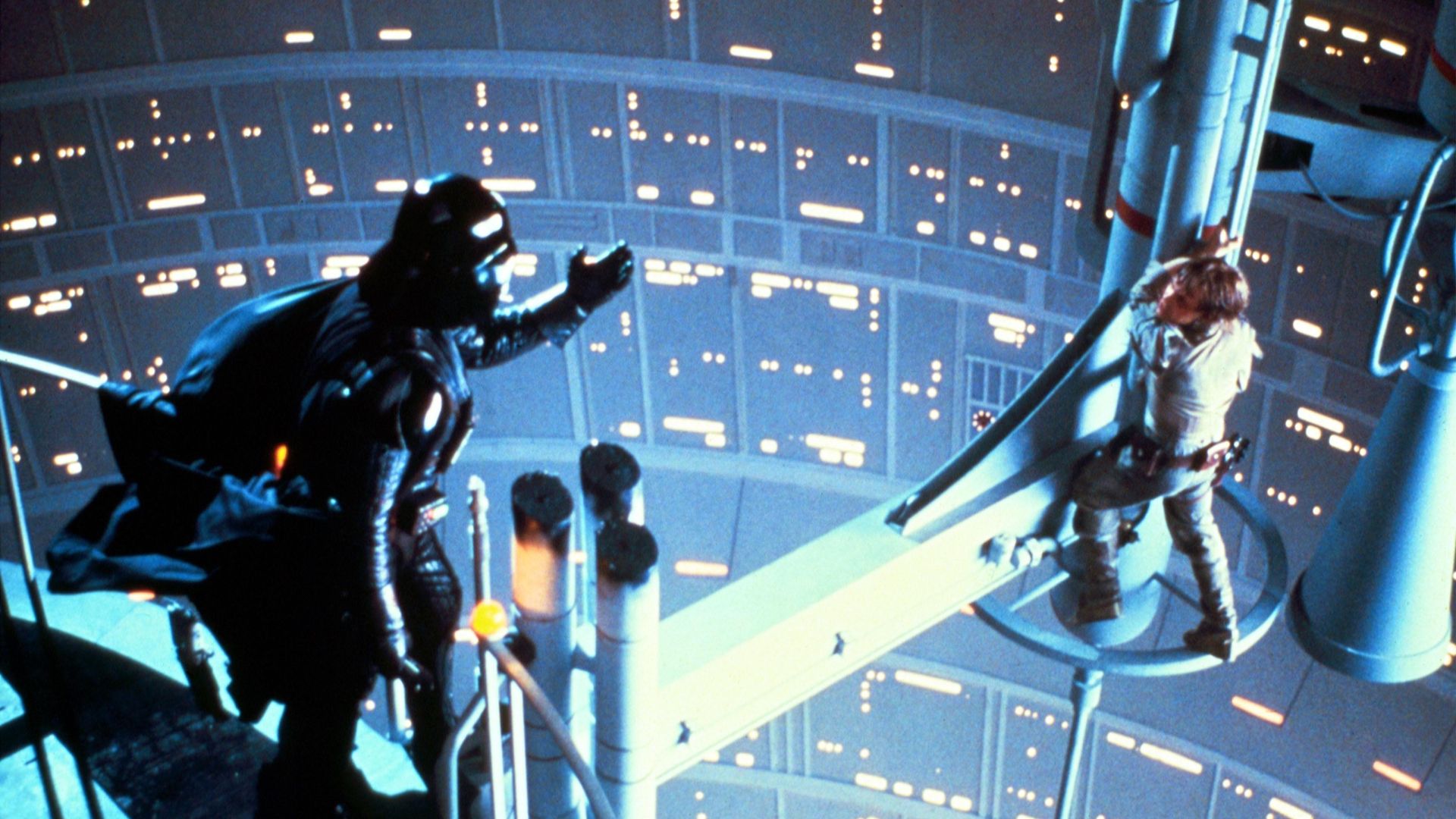
“Luke, I Am Your Father” in ‘Star Wars: Episode V – The Empire Strikes Back’ (1980)
Twentieth Century-Fox
As a huge Star Wars fan, I think the reveal in The Empire Strikes Back – that Darth Vader is actually Luke Skywalker’s father – is probably the most well-known example of a shared false memory out there. It was such a shocking twist! I, like so many others, always remembered Vader saying “Luke, I am your father,” and it’s a line that’s become instantly recognizable and endlessly quoted by fans ever since. It’s amazing how vividly so many of us recall it that way, even though that’s not exactly how it happened in the movie!
Most people today remember the famous line as “No, I am your father,” even though it originally contained a different word. This single change significantly alters the quote’s power. However, it doesn’t diminish the fact that The Empire Strikes Back remains the best Star Wars film, and it doesn’t spoil the surprise of learning Luke Skywalker’s true parentage.
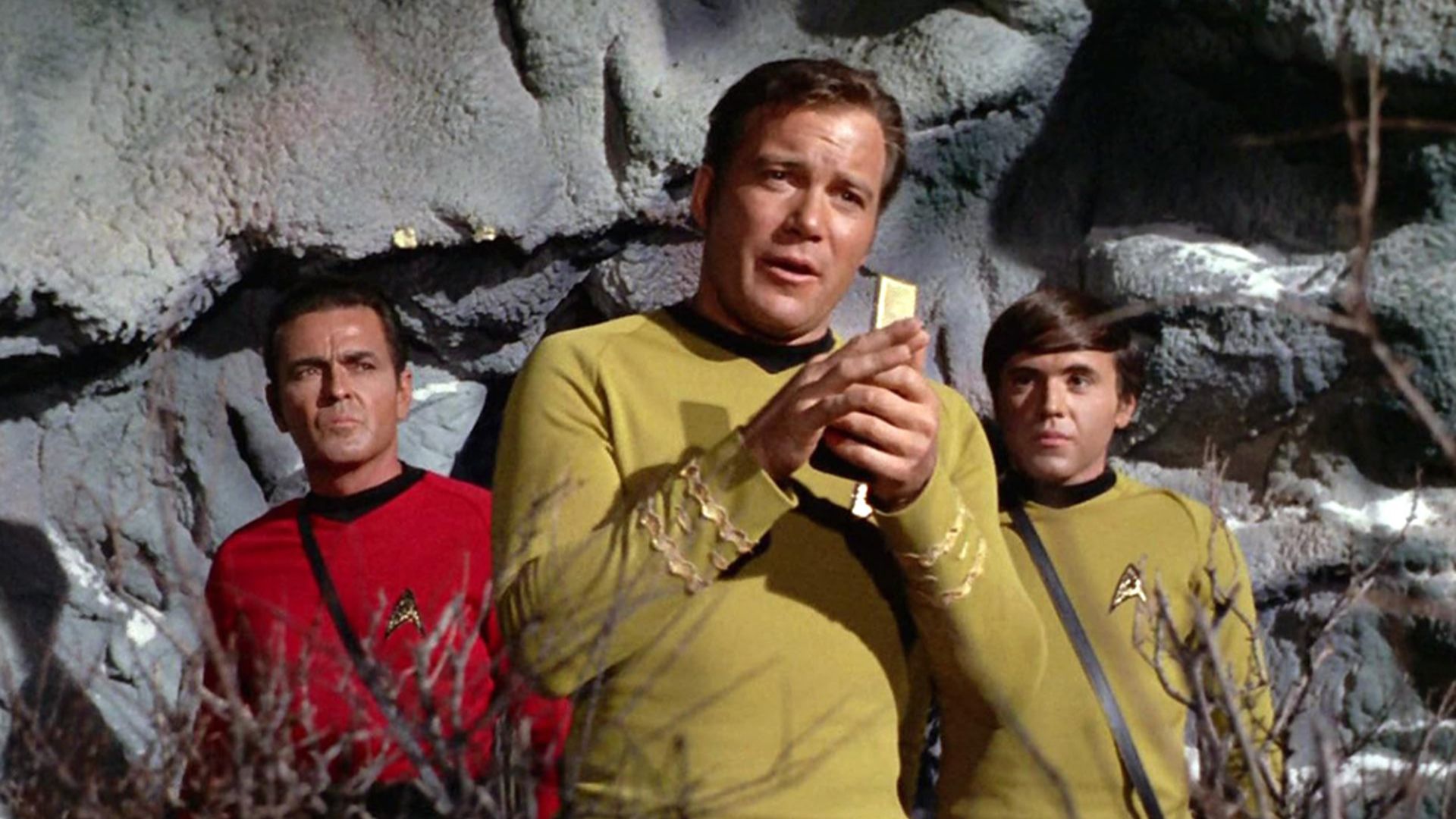
“Beam Me Up, Scotty” in ‘Star Trek: The Original Series’
NBC
The Star Trek series is full of memorable scenes and lines, but the famous phrase “Beam me up, Scotty” is surprisingly one of them. Captain Kirk never actually said those exact words in Star Trek: The Original Series. He did occasionally ask Scotty to beam him or them up, but it was never phrased as the iconic command we remember today.
As a longtime movie critic, I’ve seen countless iconic lines, but few are as instantly recognizable as “Beam me up, Scotty.” Everyone associates Captain Kirk with that phrase – it’s the first thing that pops into your head when you think of him. It’s a bit mind-blowing, then, to realize it’s a classic example of the Mandela Effect – a shared false memory. No matter how legendary the line is, it turns out Kirk never actually said it! It’s a fascinating quirk of pop culture and memory, and it always gets a rise out of audiences when I point it out.
“Yeah, Science B***h!” in ‘Breaking Bad’
AMC
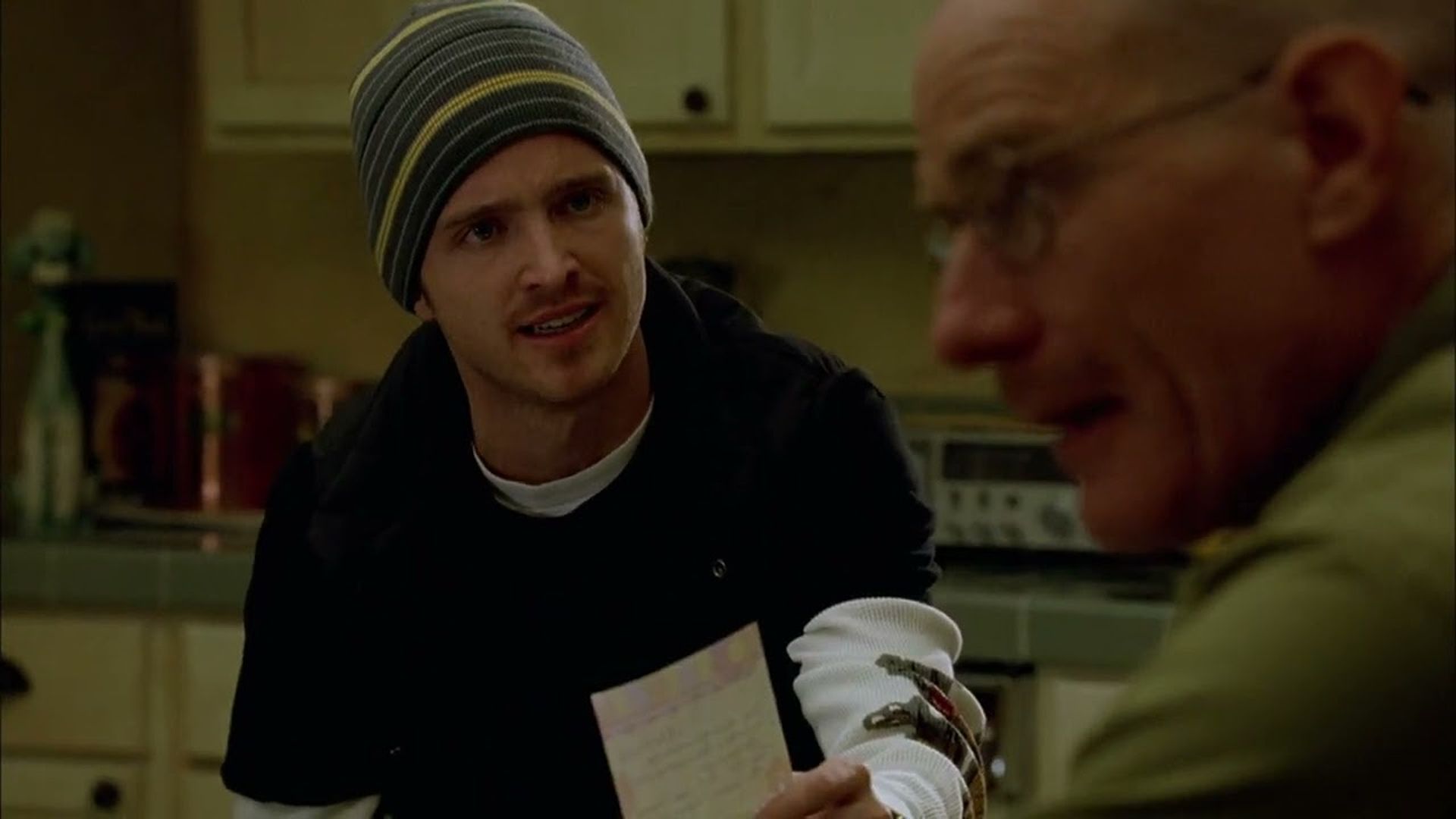
Breaking Bad‘s Jesse Pinkman was always using the word “B***h.” He used it to voice his excitement, disappointment, anger, and everything in between. However, because of this, a lot of viewers incorrectly believed that “Yeah, science b***h!” was a catchphrase of his. While this wasn’t the correct quote, this example of the Mandela Effect wasn’t completely incorrect, either.
In Season 1 of Breaking Bad, during the episode “A No-Rough-Stuff-Type Deal,” Jesse famously exclaimed, “Yeah, Mr. White! Yeah, science!” while excitedly discussing their work with Walt. However, he never actually used the word often associated with him in that scene. Over time, viewers have strongly linked the character with that curse word, leading many to mistakenly remember it being said, particularly because this scene is considered a highlight for Jesse.
Sinbad’s Genie Movie
CollegeHumor
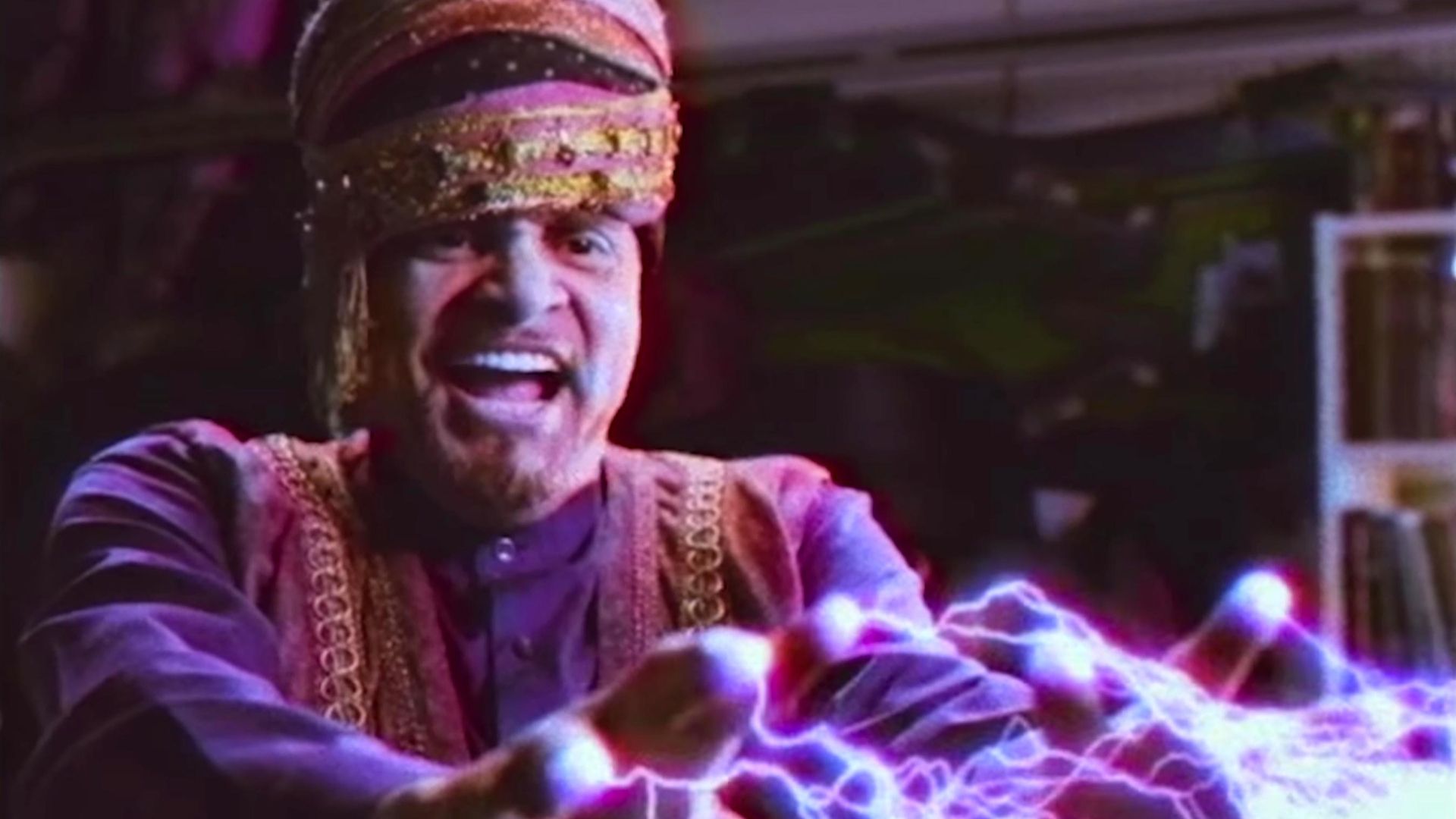
A popular example of the Mandela Effect involves the movie Shazaam!, which surprisingly never actually existed. Many people vividly recall comedian Sinbad playing a genie in a film called Shazaam! during the 1990s, where he helped two children facing difficulties. However, this false memory likely stems from a 1994 event: Sinbad hosted a Sinbad the Sailor movie marathon while dressed as a genie. This was just a promotional event, though – he wasn’t acting in a movie at the time.
Over the years, Sinbad appeared in a CollegeHumor April Fool’s Day video playing a genie, and many people have confused this with a movie called Shazaam! The most probable reason for the confusion is that viewers actually remembered a different 1996 film, Kazaam, which featured Shaquille O’Neal as a genie.
“Mirror, Mirror, on the Wall…” in ‘Snow White and the Seven Dwarfs’ (1937)
Walt Disney Productions
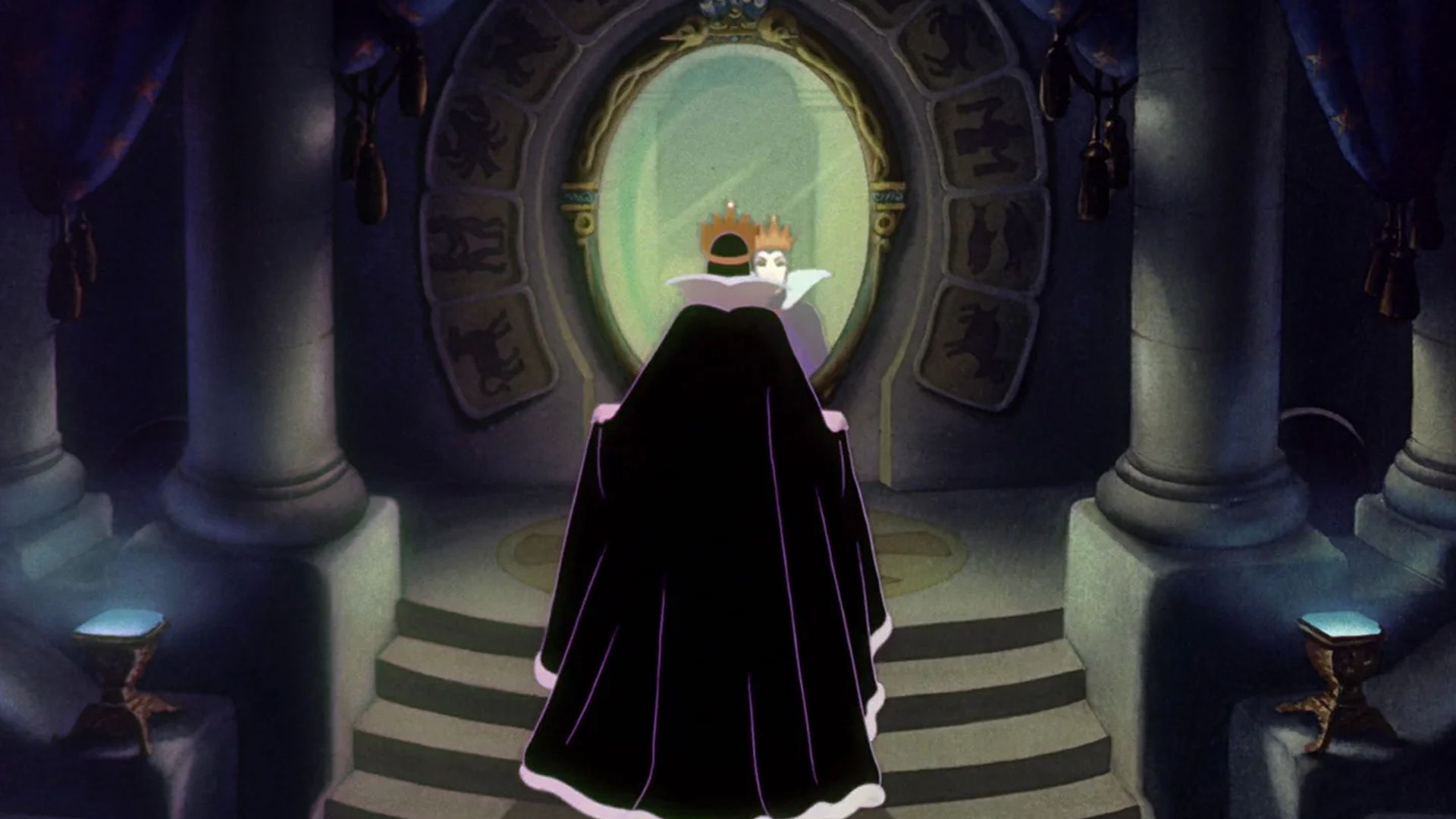
The line “Mirror, mirror, on the wall” is one of the most famous quotes from a Disney villain, dating back to the company’s very first film, Snow White and the Seven Dwarfs. For generations, audiences have remembered the Evil Queen asking her mirror who was the fairest of them all. But surprisingly, the way most people remember the quote isn’t quite right! Just like with the movie The Empire Strikes Back, the line has been slightly changed over time, and the altered version is now what most people know.
Subscribe for deeper Mandela Effect and pop-culture insights
Curious for more? Subscribe to the newsletter for clear, sourced explanations, extra examples, and thoughtful analysis of Mandela Effect cases and other pop‑culture memory mysteries that spark debate.
Interestingly, the Queen originally said, “Magic mirror on the wall,” not “Mirror, mirror.” Disney’s Snow White and the Seven Dwarfs stayed true to the original Brothers Grimm fairytale, which used the longer phrase. However, due to a widespread false memory – known as the Mandela Effect – many other versions of the story now mistakenly quote the shorter, more famous line.
“Won’t You Be My Neighbor” in ‘Mister Rogers’ Neighborhood’
PBS
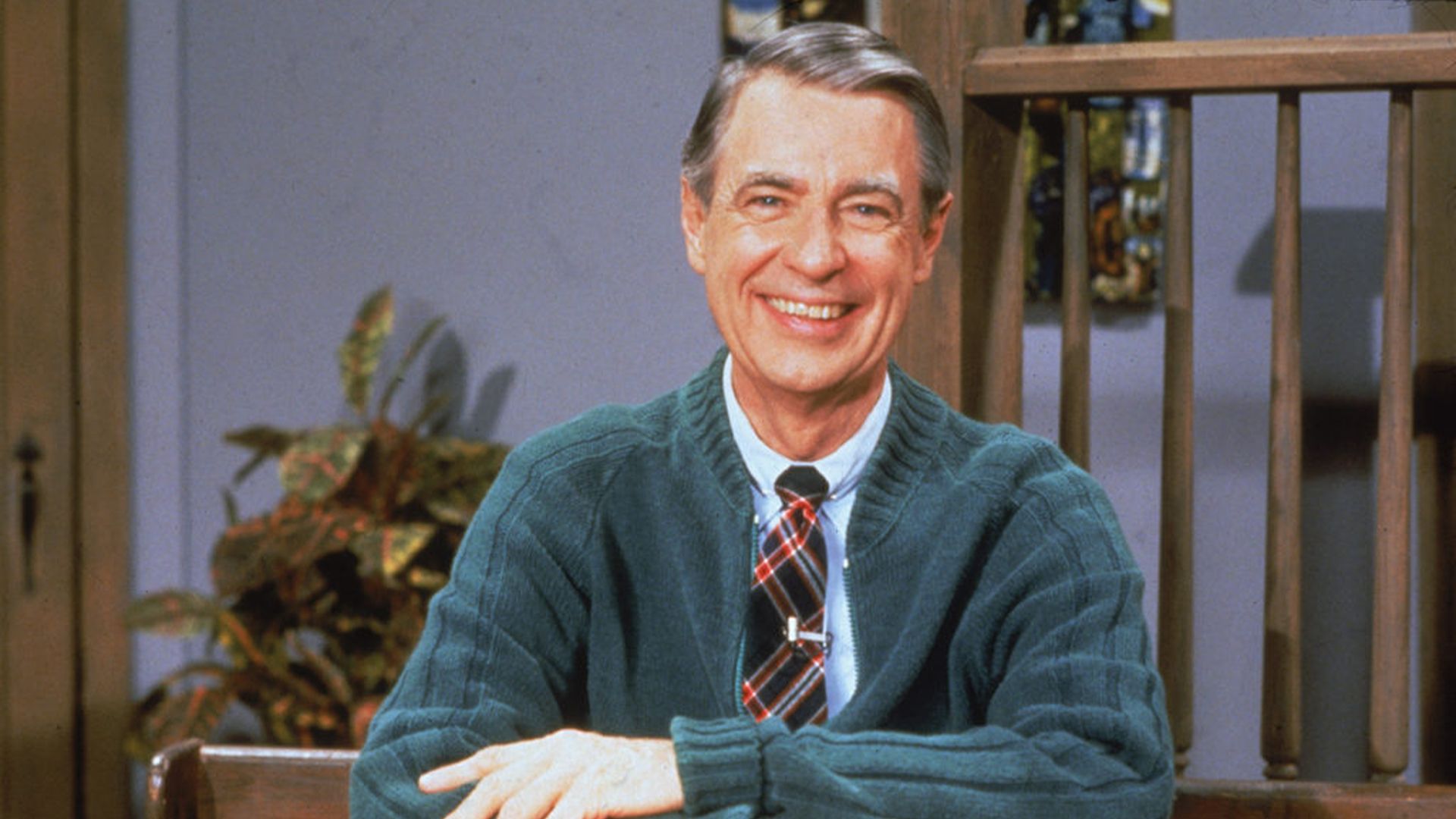
Growing up with Mister Rogers’ Neighborhood was a special experience for many, and the show’s theme song, “Won’t You Be My Neighbor,” stayed with viewers long after it ended. Interestingly, while most people remember the opening line as “It’s a beautiful day in the neighborhood,” the actual lyric is “In this neighborhood.”
People have suggested this added a deeper layer to the song, but Rogers himself felt he was singing directly to the children watching him on television, as if they were right there with him. Surprisingly, the misunderstanding has persisted, and even the 2019 movie about his life, A Beautiful Day in the Neighborhood, portrayed it incorrectly.
There are many other interesting examples of the Mandela Effect in movies and TV, but these are some of the most well-known. Interestingly, some of these titles have multiple instances of this phenomenon. Do these details ring a bell, or were you surprised by these common misrememberings? What other shows or movies do you think have been affected by the Mandela Effect?
Read More
- Limbus Company 2026 Roadmap Revealed
- After THAT A Woman of Substance cliffhanger, here’s what will happen in a second season
- Gold Rate Forecast
- Wuthering Waves Hiyuki Build Guide: Why should you pull, pre-farm, best build, and more
- XO, Kitty season 3 soundtrack: The songs you may recognise from the Netflix show
- Guild of Monster Girls redeem codes and how to use them (April 2026)
- Total Football free codes and how to redeem them (March 2026)
- The Division Resurgence Specializations Guide: Best Specialization for Beginners
- GearPaw Defenders redeem codes and how to use them (April 2026)
- Genshin Impact Version 6.5 Leaks: List of Upcoming banners, Maps, Endgame updates and more
2026-02-04 17:16