I remember when Toonami first launched on Cartoon Network back in 1997 – it really changed how anime was shown on American television. Even now, almost three decades later, it’s still around and still a great place to find new anime on regular cable. While it’s definitely changed over the years, the core idea behind Toonami has stayed the same.
Toonami showcased a great variety of content, featuring beloved classics like Yu Yu Hakusho, Cowboy Bebop, Trigun, and The Big O. However, they also aired some anime that haven’t held up well over time and were ultimately disappointing.
Gundam Wing’s Edgy Characters & Recycled Storytelling Get Lost In Space
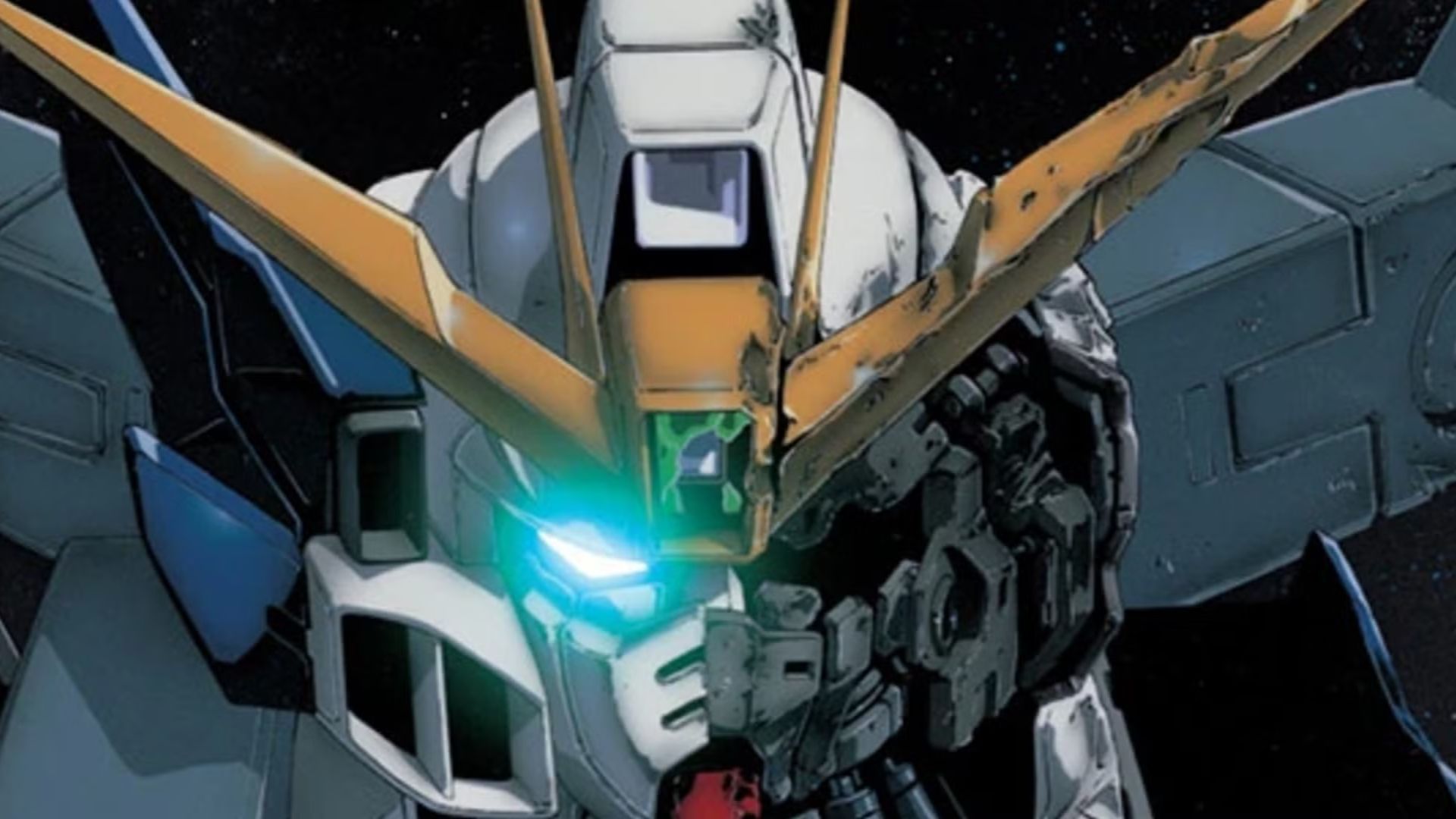
As a longtime fan, I’ve seen the Mobile Suit Gundam franchise grow to include over 50 different series and movies. But there’s a special place in a lot of people’s hearts for Gundam Wing, one of the darker shows from the ’90s. It was actually the first Gundam anime to air on Cartoon Network’s Toonami block, and it really paved the way for the rest of the franchise to reach a much wider audience here in the States.
I think Gundam Wing gets a bit more credit than it deserves. While it’s definitely not the worst series, I always found it curious how much praise it received considering how similar it was to ideas already presented in the original Mobile Suit Gundam and Zeta Gundam. It felt like a rehash of those earlier stories, but without quite as much effort.
While the show features fantastic Gundam designs and a truly excellent soundtrack, it introduces some interesting concepts that unfortunately get lost amidst more superficial and empty spectacle. It’s disappointing that…
Okay, so I’m a huge Gundam fan, but honestly? The main five pilots in this series… their personalities just don’t quite click. It feels like the writers were way more focused on cool action scenes than actually developing them as believable characters with consistent motivations. And it’s not just that – even the show’s big ideas about war and politics feel a little messy, almost like it’s arguing with itself at times. They present conflicting viewpoints, which is interesting in some ways, but ultimately feels underdeveloped.
Tenchi Muyo! GXP Suffers From A Lackluster Lead & A Too-Goofy Tone
Toonami was a big fan of the romantic comedy elements in the Tenchi series, broadcasting Tenchi Universe, Tenchi Muyo!, Tenchi in Tokyo, and Tenchi Muyo! GXP. Interestingly, GXP aired over ten years after the others. While Tenchi‘s focus on a male lead with multiple love interests and its lighthearted, everyday stories aren’t universally appealing, it definitely feels like a product of the late ’90s and early 2000s.
Even though the Tenchi series sometimes feels a bit strange, its best installments are still enjoyable. Tenchi Muyo! GXP is a departure from earlier shows, focusing much more on over-the-top comedy than the mix of everyday life and sci-fi humor seen before. Because GXP happens at the same time as Tenchi Muyo! Ryo-Ohki, many of the main characters are busy with other things.
Seina Yamada, intended as a replacement for Tenchi in GXP, isn’t very convincing. It’s difficult to relate to him, and the constant string of bad luck quickly becomes tiresome. While Tenchi Muyo! GXP expands the scope of the Tenchi universe, it’s not clear that this expansion is truly worthwhile.
Akame Ga Kill! Pushes Shallow Shock Value Too Far
I remember when Akame ga Kill! came out in 2014 – it was a 24-episode anime all about revenge, and it really captured that dark, kind of hopeless feeling a lot of anime had back then. Looking back now, though, it’s a bit rough. Toonami often showed anime that pushed boundaries, but Akame ga Kill! feels surprisingly jarring to revisit these days.
This anime is intensely dark and often mistakes suffering for good writing. What should be a compelling story about a young swordsman joining a group of assassins to overthrow a corrupt government ends up being relentlessly depressing.
People often compared Akame ga Kill! to Game of Thrones because both shows have complex plots and kill off characters frequently. However, Game of Thrones was based on detailed books that gave it depth, while Akame ga Kill! relies more on shocking deaths without the same level of development or meaningful consequences.
The beginning of Akame ga Kill! is incredibly intense and dramatic. However, this over-the-top style quickly becomes repetitive, and the show makes it seem like no character is safe – meaning anyone could die at any moment. This makes it hard to truly connect with the characters or become invested in the story.
The characters in Akame ga Kill! often have mixed and unclear goals, and the villains are cartoonishly wicked without any nuance. Unlike many newer, darker action anime, there’s a lack of moral complexity or depth to anyone’s motivations.
Samurai 7 Is A Sloppy Sci-Fi Reimagining Of A Timeless Action Classic
Akira Kurosawa’s Seven Samurai is a classic action film that has inspired countless copies. Studio Gonzo’s Samurai 7 reimagines this story as an anime, adding elements like cyborgs and magic. It successfully updates the original, taking advantage of what makes anime unique.
The problem with Samurai 7 isn’t that it tries to retell the story of Seven Samurai, but how it does it. Released in 2004, the series is unfortunately hampered by outdated computer-generated imagery that doesn’t blend well with the hand-drawn backgrounds.
While Samurai 7 has some interesting concepts, it’s a long and slow watch with 26 episodes that feel padded with unnecessary content. It would be much more enjoyable if it were shorter, as the story tries to do too much and doesn’t quite come together.
Tokyo Ghoul Is A Frustrating Failure In Adaptation That Squanders Its Potential
Sui Ishida’s Tokyo Ghoul was a hugely popular anime, and it continues to be a favorite among fans at conventions. However, looking back, the series doesn’t quite live up to expectations. While it has some strong points, they’re often overshadowed by questionable choices made throughout the story.
It’s become harder to defend the choices made in Tokyo Ghoul when compared to other popular, dark anime aimed at young audiences that handle similar themes better. The story starts with an intriguing premise: Ken Kaneki gains ghoul-like powers after a dangerous transplant, turning him into a half-human, half-ghoul hybrid.
Kaneki finds himself caught between two different worlds, leading to a thrilling and intense journey where he learns a lot about himself. The first season of Tokyo Ghoul is fantastic, but unfortunately, the show gets weaker with each subsequent season. The second season, Tokyo Ghoul √A, departs from the original manga’s story, and this change negatively impacts the show, ultimately ruining what made the first season so captivating.
The third season of Tokyo Ghoul, titled Tokyo Ghoul:re, tries to quickly cover the main storyline from the manga, but it doesn’t quite work. After waiting so long, squeezing over 120 chapters into just 24 episodes feels rushed and ultimately unsatisfying.
2026-07-28 19:38