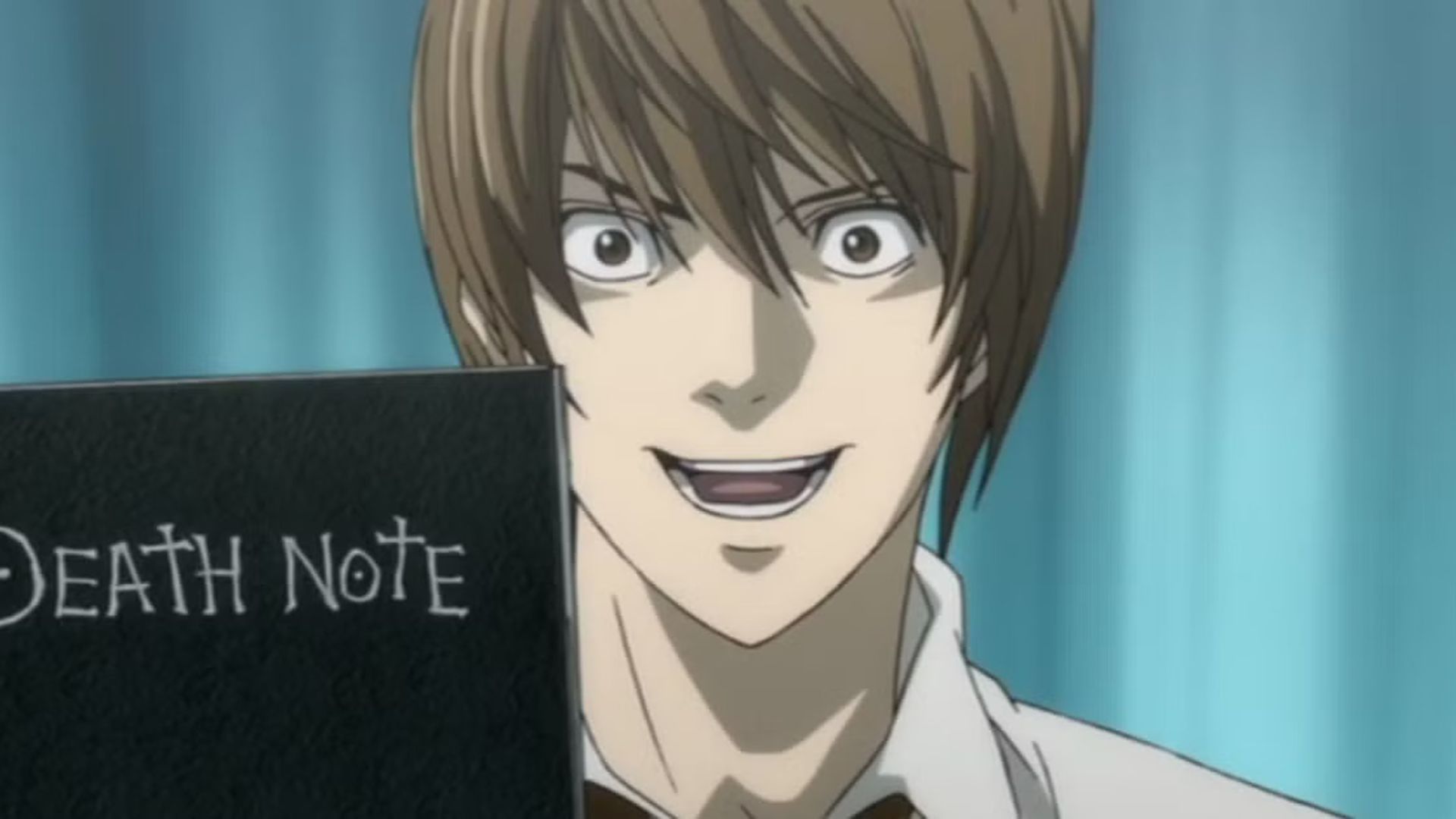
Many people consider Death Note a classic dark fantasy anime, and it’s often one of the first shows new fans watch. With complex characters and an exciting story of pursuit, its 37 episodes are generally very satisfying. However, if you enjoy Death Note, you might find even more to love in other similar anime.
I’ve always found animation to be a fantastic way to tell really compelling and dark stories. What I appreciate is that while these shows feel grounded in reality, the animated format lets creators explore what makes people tick in surprisingly complex ways. You often see supernatural elements or horror mixed with thoughtful questions about right and wrong. I think these five anime are particularly strong – they each capture something special from Death Note, and honestly, I’d even say they surpass it. They’re definitely worth checking out if you enjoy this kind of show.
Psycho-Pass Questions the True Cost of Peace
The anime series Psycho-Pass, released in 2012, is a fantastic psychological thriller that doesn’t get nearly enough attention. Its compelling story, futuristic cyberpunk world, and well-developed characters make it truly captivating. While the second season had some flaws, the rest of the show offers a thought-provoking look at what justice really means.
The Sibyl System is a truly disturbing idea in fiction. It involves constant monitoring of everyone, labeling potential criminals before they’ve even committed a crime, and forces us to consider how much we should depend on technology. While it’s meant to prevent crime and keep the peace, as demonstrated by the actions of Shogo Makishima, the system ultimately proves ineffective.
Beyond its exciting action sequences, Psycho-Pass offers a critique of societal values and ethics. While Death Note also tackles a flawed system, Psycho-Pass boasts more developed characters. Its antagonist, Shogo Makishima, is particularly compelling, expressing his views with a clarity that Light Yagami lacks. Overall, Psycho-Pass is a strong psychological thriller that isn’t afraid to explore complex themes.
Death Parade is a Highly Underrated Twist on the Afterlife
Death Parade is a short anime series with 12 episodes that offers a unique take on the afterlife. Instead of heaven or hell, souls go to a bar where they play games with the bartender, Decim. Winning these ‘Death Games’ earns them a chance at reincarnation, while losing means oblivion. Through these games, the stories behind how each person died are also revealed.
What sets Death Parade apart is its episodic format, where each installment centers on a different pair of newly deceased individuals facing unsettling or grim circumstances. The show excels at nuanced storytelling and thoughtfully engages viewers. Interestingly, the characters often reveal their true selves after death. Throughout the series, Decim—the arbiter—also develops greater empathy, despite initially appearing emotionless. Ultimately, Death Parade is a compelling and insightful anime.
Monster is a Slow Burn Study of Humanity
Often compared to Death Note, Monster is a deeply unsettling anime that focuses on realistic, character-driven horror. Creator Naoki Urasawa demonstrates that the most frightening things aren’t monsters or futuristic technology, but the choices people make. The story centers on Dr. Kenzo Tenma, a skilled and respected neurosurgeon working in Germany. When he defies expectations and saves the life of a young boy named Johan, he soon discovers that his good deed has devastating repercussions.
There are many reasons why Monster surpasses Death Note. The protagonist, Tenma, undergoes significant personal growth as he tries to right past wrongs, revealing complex layers of his character. Furthermore, Johan Liebert is a truly frightening and exceptionally intelligent villain who deeply impacts everyone around him, particularly his sister Anna. What makes Monster stand out is that even its antagonist, Johan, isn’t simply evil; no one is portrayed as purely good or bad. While the ending may be debated, it deliberately highlights Tenma’s unwavering commitment to saving lives – a concept Death Note didn’t fully explore.
Paranoia Agent is Satoshi Kon’s Overlooked Masterpiece
Satoshi Kon is famous for his films like Perfect Blue and Paprika, both highly acclaimed psychological thrillers. While he’s a masterful storyteller on the big screen, his 2004 anime series, Paranoia Agent, proves he excels in television as well. This 13-episode series is a gripping and unsettling story about mass panic and the pressures of modern life.
Despite some imperfections, Paranoia Agent is a fascinating look at how rumors can empower something evil. The series centers around Lil’ Slugger – nicknamed ‘Bat Boy’ – and each episode focuses on a new person he terrorizes, exploring different themes. Interestingly, no one who encounters Lil’ Slugger can remember what his face looks like.
Kon masterfully shows how easily people’s thoughts can be influenced, as we see each character’s viewpoint gradually shift. Though there’s no supernatural element, Paranoia Agent is a gripping exploration of the human mind and how shared societal trauma affects us all.
Attack on Titan Warns Its Audience About the Cycle of Violence
While many anime explore dark themes, Attack on Titan is particularly known for its grim and intense storyline. Its main character, Eren Yeager, is far more complicated than characters like Light Yagami from Death Note. We see Eren transform from a determined hero into a ruthless villain, all in the name of freedom – no matter the price.
Eren Yeager’s choices are complex and difficult to judge, but he’s not the only character in Attack on Titan with a complicated story. As the series moves beyond simple action, it reveals a harsh look at reality. Characters like Erwin Smith and Gabi offer different viewpoints and backgrounds. Attack on Titan evolved into a powerful story about war, bravely showing how propaganda can breed hatred, fear, and violence, particularly in young people.
2026-07-22 22:19