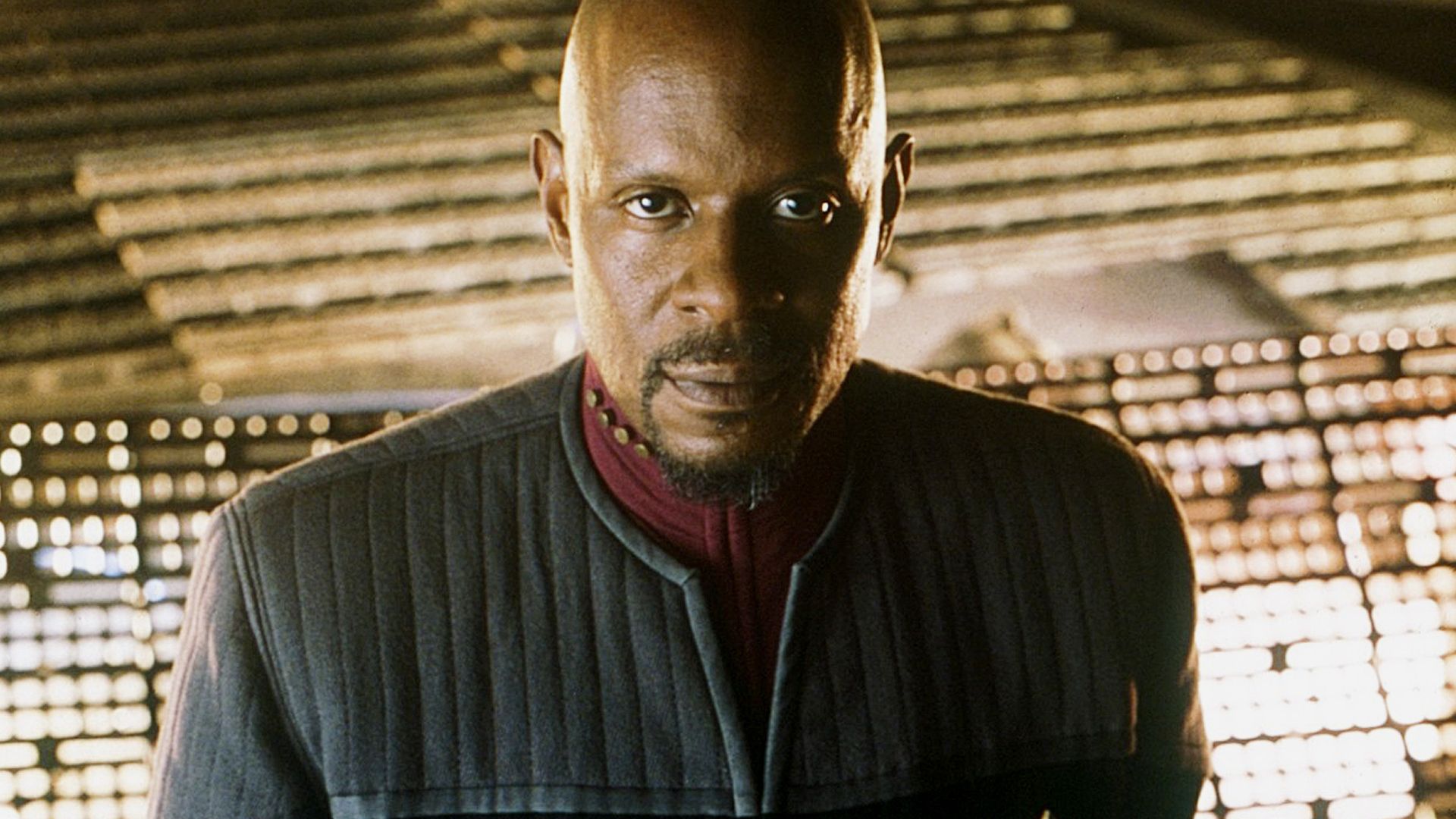
Star Trek: Deep Space Nine centers around Captain Benjamin Sisko (Avery Brooks) and the crew of a space station. The show explored more complex and serious themes than previous installments in the Star Trek universe. The episode “Far Beyond the Stars” from Season 6 is particularly well-regarded, and is known for its impactful conclusion.
This week’s episode revolves around Captain Sisko unexpectedly finding himself in 1950s New York City, reimagined as a science fiction author named Benny Russell. As Benny, he experiences the racism common at the time, including harassment from the police and difficulties getting his work accepted. The episode’s conclusion has sparked a lot of discussion among viewers since it first aired.
Deep Space Nine’s ‘Far Beyond the Stars’ Has a Memorable Ending
From the very start of the episode, I felt so bad for Captain Sisko. He was just saying how, whenever things finally seem to be going right, something awful always happens – like everything just crumbles to dust. He confided in his father that he wasn’t sure how much more he could handle, and for a moment, he even thought about stepping down from commanding Deep Space Nine. It was heartbreaking to watch him struggle like that.
Feeling lost and unsure of his path, Sisko experiences a vivid vision where he’s living a completely different life. In this imagined reality, he’s a writer named Benny who comes up with a fantastic story about a Black captain running a space station called Deep Space Nine. Everyone he shares it with loves the idea, but his publisher worries it won’t appeal to readers.
Benny was thrilled when the magazine editor approved his story and went out to celebrate. However, his joy was cut short by gunshots – he witnessed two police officers shooting a local con man, Jimmy (Cirroc Lofton), during a car break-in. It seemed that for Benny, just like in life for Captain Sisko, every moment of happiness was inevitably followed by something awful.
After Benny challenges the police officers responsible for Jimmy’s death, they assault him. He returns to work expecting to publish his report, but instead finds he’s been fired. This causes a deeply emotional reaction from Benny – powerfully portrayed by Avery Brooks – as he declares that the truth of what happened will live on in his memory.
It was incredible watching Commander Sisko return to Deep Space Nine after everything he went through. It felt like his entire life as Benjamin, all those memories of family and Earth, had faded into something dreamlike for him. The episode beautifully mirrored its opening – a simple conversation with his father – bringing things full circle. He made the powerful decision to stay and see things through, to fulfill his purpose here. And then, right at the very end, Sisko delivered lines that really resonated with me, leaving a lasting impression.
Perhaps Benny isn’t real, and we are – simply creations within his mind. It’s possible that while we exist, Benny Russell is actually dreaming us into being from a place far away. The story doesn’t offer a clear resolution; instead, it leaves the audience with unanswered questions and a sense of unease.
The episode can also be understood as a reflection on the nature of stories themselves. Just like Sisko and his crew are creations of imagination within the show, so is the character Benny Russell. It’s a thoughtful and captivating conclusion that stays with you even after it’s over.
Deep Space Nine’s Themes Remain More Relevant Than Ever
Written by Ira Steven Behr and Hans Beimler from a story by Marc Scott Zicree, the episode “Far Beyond the Stars” fits nicely into the larger Dominion War arc, but it’s also a compelling story on its own. Episodes like this demonstrate why Star Trek continues to be so beloved after six decades.
The issues discussed in this episode are still important and relatable today. Directed by Avery Brooks, it’s considered a classic, and the ending especially makes it stand out as truly special.
While Star Trek usually wrapped up episodes neatly, offering clear resolutions, “Far Beyond the Stars” is different. Most Star Trek stories end on an optimistic note, leaving viewers feeling reassured and confident about the future, but this episode doesn’t provide that kind of closure.
The Deep Space Nine episode “Far Beyond the Stars” stood out by temporarily stepping away from its main plot to focus on a deeply moving, character-driven story about a Black man named Benny Russell. Unlike most recent Star Trek series with shorter seasons, Deep Space Nine had enough episodes to accommodate this kind of standalone narrative.
It’s now unusual for shows to leave viewers with unanswered questions. However, “Far Beyond the Stars” remains impactful, even 28 years after its first broadcast.
2026-07-21 19:15