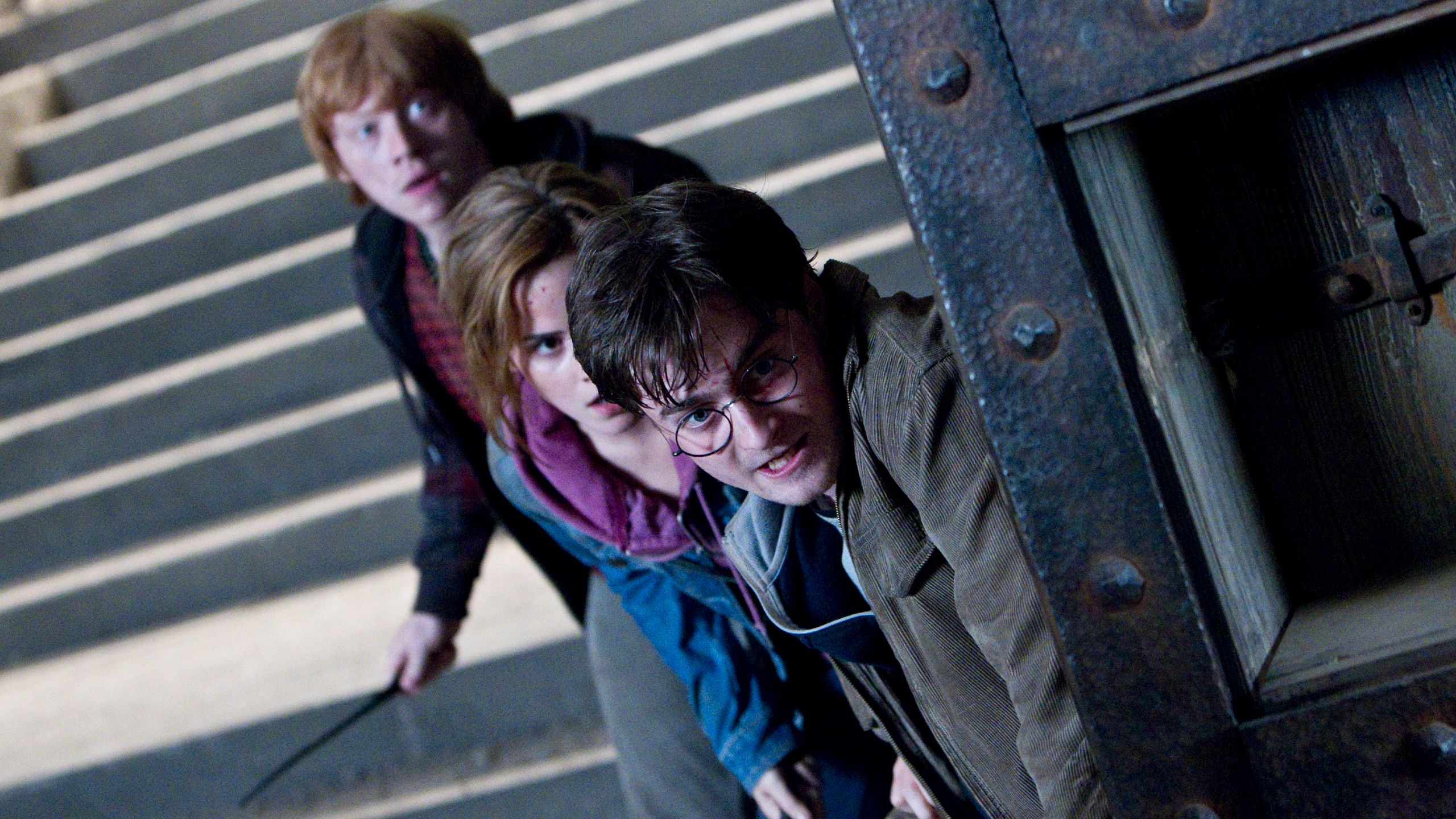
Growing up for many people included watching the Harry Potter films. Kids experienced the magic of Hogwarts alongside Harry, captivated by everything from moving staircases and enchanted ceilings to flying broomsticks and a dining hall where food magically appeared. Even the scarier parts of the story started within the familiar setting of a school adventure.
It’s been 25 years since the first Harry Potter movie came out, and a lot has changed for those who first saw it as children. They’ve grown up, built careers, started families, and now recognize that most adults don’t always handle things well. Revisiting the world of Hogwarts isn’t just about relating to Harry, Ron, and Hermione anymore; it’s about seeing things from a more mature perspective.
This change in perspective can make the films both funnier and much more heartbreaking. What once seemed like typical fairytale challenges – like the way the Dursleys treat Harry – now feels deeply upsetting. Sirius Black’s wasted years become truly painful to think about. And Hogwarts, which previously felt like a brilliantly imagined world, starts to seem like a place struggling to function, held together by a few dedicated people facing impossible choices.
Even though the Harry Potter films still hold a special charm, our understanding of them evolves as we get older. Things like the Weasley family’s money problems and the questionable behavior within the Ministry of Magic feel more relevant – and sometimes unsettling – when viewed with adult perspectives.
The Dursleys’ Treatment Of Harry Is Genuinely Horrifying

When young viewers first see the Dursleys, they usually see them as over-the-top, cartoonish villains – and that makes Harry’s journey to Hogwarts feel even more rewarding. The awful way they treat him, like making him sleep in a cupboard, seems like a deliberate exaggeration. Vernon’s yelling, Petunia’s unfriendliness, and Dudley’s mean behavior are so obvious that they’re sometimes even a little funny.
Seeing someone mistreat a child like this is heartbreaking. Harry, who has no parents, is intentionally neglected, given barely enough to eat, and treated with cruelty by the very people who should be caring for him – the Dursleys. They don’t just favor their son, Dudley; they actively make Harry feel worthless and like a burden for years, convincing him there’s something deeply wrong with who he is.
Molly And Arthur Weasley Were Doing Their Best With Very Little
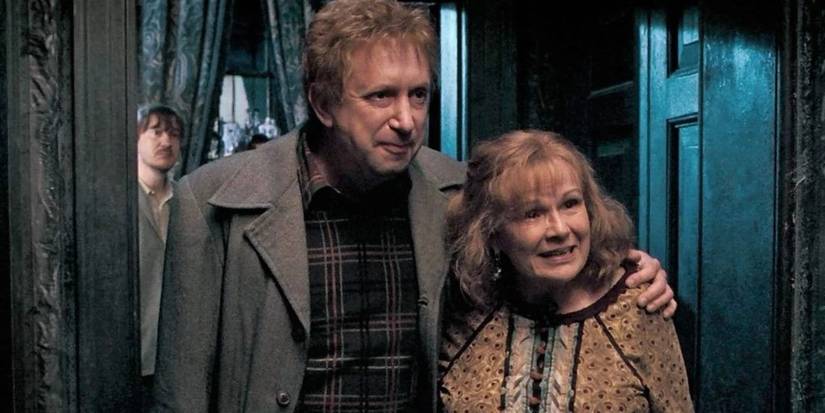
The Weasleys are first shown to be poor through things like Ron’s hand-me-down clothes and used textbooks, which sometimes make him self-conscious at school. Despite their crowded house, it feels cozy and full of love, often hiding the financial strain of raising seven children on Arthur’s income from his job at the Ministry.
As adults, Molly and Arthur Weasley’s kindness is one of the most heartwarming parts of the series. They consistently open their home to Harry, providing him with food, safety, and the love of a family, all without making him feel like he’s imposing or a drain on their resources. Their generosity comes not from their wealth, but from their big hearts.
Hermione Was Carrying Far More Than Her Share

Hermione quickly proves herself essential thanks to her intelligence. Whenever the trio faces a challenge – whether they need a spell, information about history, help with research, or a practical fix – Hermione usually has the answer. It’s easy for viewers to see her as the smartest of the three and even find humor in Ron and Harry’s lack of preparation.
As Harry, Ron, and Hermione become adults, the unequal division of work within the group becomes clearer. Hermione consistently handles much of the research and planning, all while dealing with prejudice that the boys don’t fully grasp. Even before they start searching for Horcruxes in Harry Potter and the Deathly Hallows, Hermione has already made a huge personal sacrifice by erasing her parents’ memories to keep them safe.
Remus Lupin’s Life Is A Story About Poverty And Discrimination
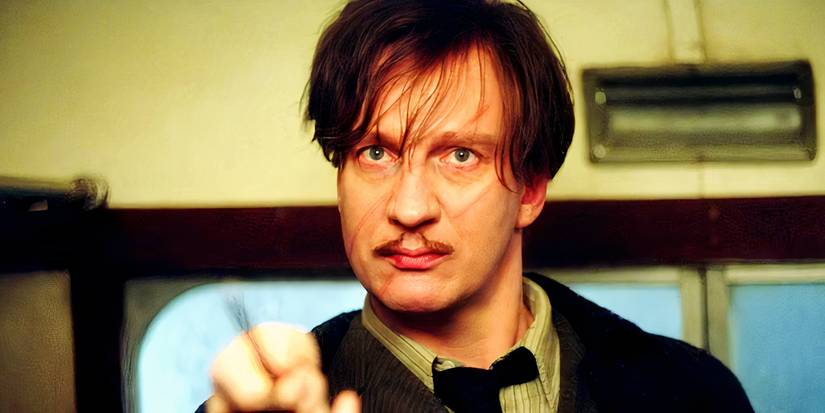
In Harry Potter and the Prisoner of Azkaban, Remus Lupin arrives as the kind and understanding teacher Harry has been longing for. He immediately understands Harry’s anxieties without criticism, skillfully teaches him self-defense, and offers a positive link to his parents, James and Lily, free from bitterness or idealization.
Adult audiences connect with Lupin because of his worn appearance and obvious fatigue. Despite being skilled and good-hearted, he struggles with joblessness and poverty due to how others perceive him. The magical community often views him as a threat, even when he’s careful, making his story a strong example of prejudice within the series.
Snape’s Treatment Of Neville Becomes Harder To Excuse
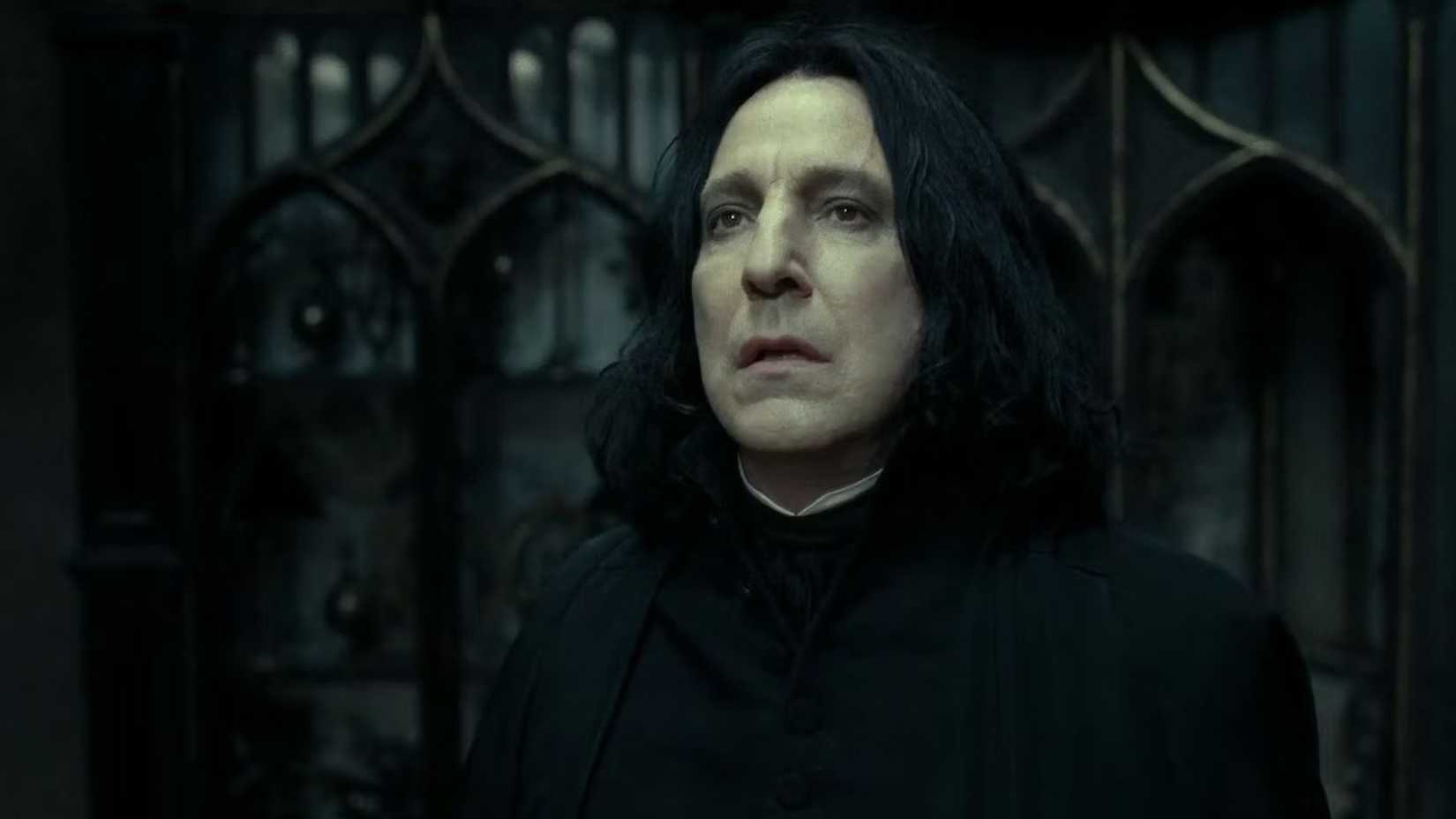
Severus Snape is a deeply complex character in the Harry Potter films, and Alan Rickman portrays him with a subtle sadness and control that makes his backstory truly moving. The film shows us that beneath his harsh exterior lies a courageous man who quietly loved Lily and dedicated years to protecting Harry, even though few people ever understood his motives.
Despite any reasons for his own pain, Snape consistently mistreats Neville Longbottom. He relentlessly humiliates a vulnerable student who has already experienced immense trauma due to his parents’ torture, effectively becoming Neville’s biggest fear. While older audiences might empathize with Snape’s past, it doesn’t justify him taking out his frustrations on children in positions of powerlessness.
The Ministry Of Magic Feels Far Too Real

When you’re young, the Ministry of Magic feels like a magical place with things like enchanted lifts, flying paper planes, and a fountain full of golden statues. At first, their disbelief that Voldemort is back seems like annoying stubbornness, intentionally making Harry’s job harder.
As the story unfolds, it becomes increasingly disturbing. Cornelius Fudge prioritizes keeping his job over addressing a growing danger, dismissing those who raise concerns, manipulating the media, and silencing anyone who disagrees with his version of events. This same pattern of denial and control then appears at Hogwarts with Dolores Umbridge, demonstrating how easily fear and inaction within a system can turn into outright cruelty.
Sirius Black Barely Got A Chance To Live
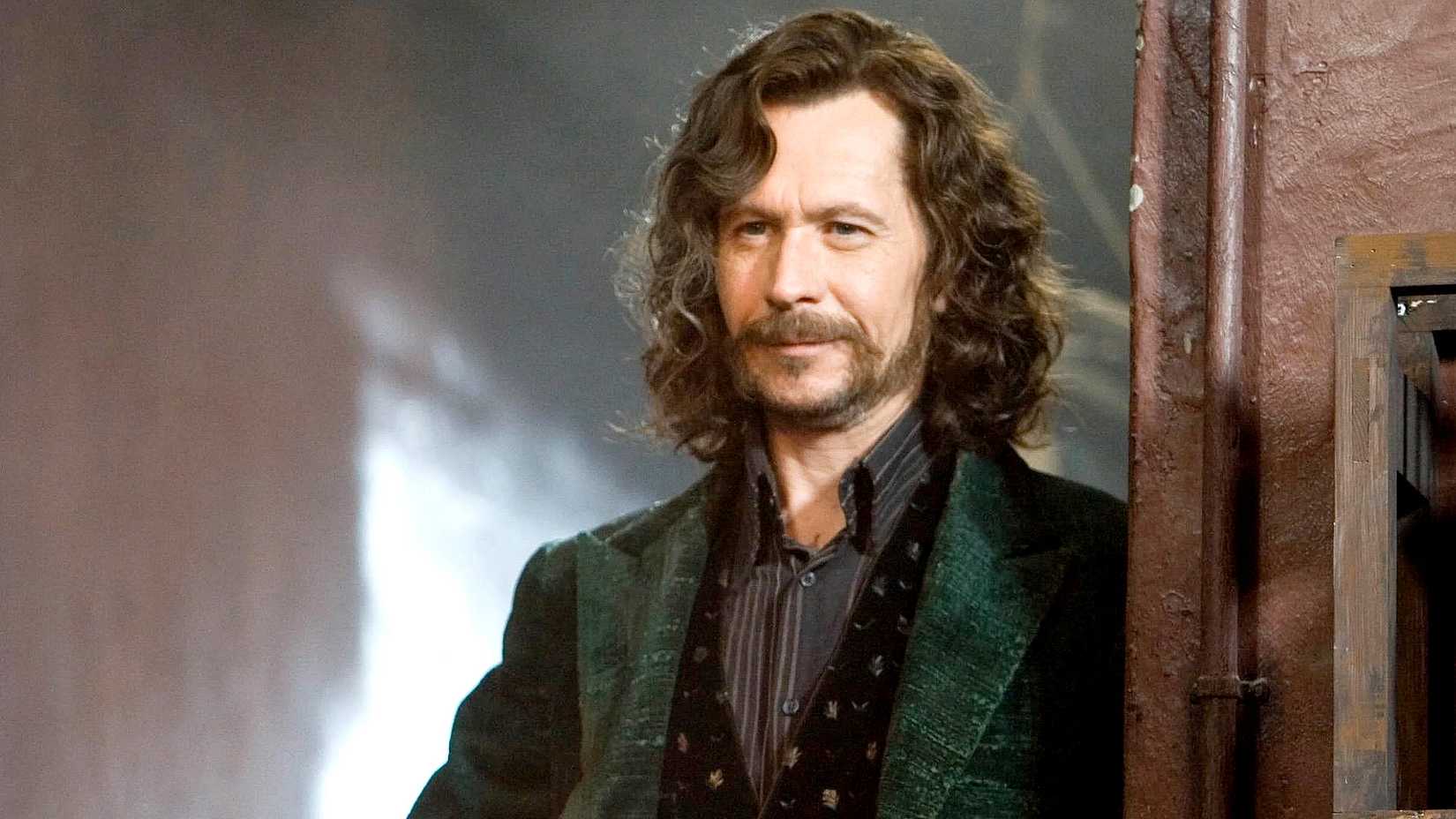
Sirius is initially presented as a threatening escaped convict, making the eventual discovery of his innocence a particularly rewarding moment in Prisoner of Azkaban. Harry finally connects with someone who knew his parents, understands his grief, and offers him the genuine possibility of a family home.
That bright future we hoped for for Sirius Black? It never really came to be. He suffered twelve years in Azkaban for something he didn’t do, and even after escaping, he was forced to live on the run. Most of his adult life was spent trapped – whether it was behind bars, under legal restrictions as a wanted man, or just held captive by his own painful past and the walls of Grimmauld Place, a home he truly hated. It’s heartbreaking when you think about how little freedom he actually had.
Amos Diggory’s Reaction Is More Devastating Than Cedric’s Death

Cedric Diggory’s death is a turning point in the series, signaling the end of its more lighthearted, school-focused stories. Voldemort coldly instructs Peter Pettigrew to kill him, treating a bright and kind young man as nothing more than an inconvenience to be eliminated.
The truly heartbreaking moment comes when Harry brings Cedric’s body back. Amos Diggory’s grief upon realizing his son is gone overshadows everything else happening with Voldemort’s reappearance. Those present understand the future Amos had envisioned for Cedric, and how devastating it is that he’s now returning home to face life without him.
Dumbledore Was Preparing A Child To Die

To young Harry, Albus Dumbledore seems like a comforting guide throughout his difficult experiences. He’s strong enough to intimidate Voldemort, smart enough to grasp the bigger picture, and often available to offer explanations when Harry is confused. While his mysteriousness can be annoying, it also feels essential to who he is as a leader.
Being an adult makes Dumbledore’s plans incredibly difficult from a moral standpoint. He genuinely cares for Harry, but understands Harry might ultimately need to make the ultimate sacrifice. He lets Harry build relationships and dream of the future, all while keeping a devastating truth hidden. While his plan works, the difficult choices he makes don’t become any easier to justify.
Harry Was Still A Child While Everyone Expected Him To Save Them

Throughout the Harry Potter films, it’s easy to forget how young Harry actually is because of his bravery. He constantly faces dangers that even skilled witches and wizards struggle with, which makes him seem like a typical hero from a fantasy story – not just a schoolboy dealing with loss, mistreatment, and huge pressures he never asked for.
Looking back, Harry’s loneliness is the most poignant part of the entire series. Despite being loved by many, very few truly understand the burdens he carries. He’s often relied upon by the adults around him, and he continues to push forward because he’s always had to rely on himself – he’s never been able to count on anyone else to rescue him.
2026-07-23 18:31