Over the past ten years, we’ve seen a rise in exceptionally well-crafted stories. These works skillfully use plot, character development, and subtle themes to create powerful impacts that are hard to replicate in other art forms. What truly defines the best writing of this era isn’t a specific style or subject matter, but rather its technique.
These writers explore diverse genres, from traditional Japanese storytelling and lighthearted romance to intense action and horror. However, what truly sets their work apart is a focus on strong storytelling structure – it’s this commitment that makes the emotional moments feel earned rather than forced. Aka Akasaka stands out twice, while Fujimoto deliberately disrupts conventional structure, and Mikami surprisingly finds that genuine warmth is the most innovative choice in modern storytelling.
Kagurabachi Took the Meme-Route to Fame, But It’s Worth It
Before becoming a popular action manga, Kagurabachi first gained attention online as a meme. Its unique art style drew people in, and many decided to give it a read. Now, it’s considered one of the best new manga of the last five years, and it’s even getting an anime! This shows just how much the series has grown in popularity.
While it’s gained popularity through memes, Kagurabachi truly shines because of its compelling story. After discovering his renowned blacksmith father was murdered by dangerous sorcerers called the Hishaku, Chihiro embarks on a brutal quest for revenge. He’s not only seeking justice for his father, but also trying to recover the six legendary stone blades his father created. Armed with a seventh unique sword, Chihiro fights his way through the series with intense action that makes Kagurabachi impossible to stop reading.
Frieren Finds Grief in the Space Between Centuries
The emotional core of Frieren rests on a unique storytelling decision: the story starts after the heroes have finished their quest. Frieren, being an elf who lives for centuries, has outlived her human companions and is now grappling with the fact that their lives felt short to her. This idea directly shapes the manga’s pace, with chapters unfolding at the leisurely speed of an elf’s long memory. This deliberate slowness isn’t just about creating a mood; it’s a key part of the story’s message.
What makes Frieren stand out is how it flips expectations in fantasy stories. Magic feels commonplace, while everyday human experiences feel deeply meaningful. The story takes its time with Frieren’s emotional growth, showing her slowly opening up—a level of patience rarely seen in action-packed stories. It embraces uncertainty, suggesting that true emotional impact comes at a cost.
Chainsaw Man’s Nihilism Makes the Reader Feel as Manipulated as Denji
Tatsuki Fujimoto carefully sets up betrayals in Chainsaw Man well in advance, so when they happen, they feel devastatingly earned rather than sudden or unfair—the clues were always there looking back. Furthermore, Denji’s simple longing for a normal life makes even the most shocking violence understandable as a result of what he’s been denied.
Makima’s complex portrayal takes Chainsaw Man beyond simple action and violence, turning it into a thought-provoking commentary on storytelling itself. She embodies how the manga industry often caters to audience desires, even to the point of revealing the emptiness of those desires. Ultimately, Fujimoto is exploring how we become invested in things, and he uses the character Denji to show both the appeal and the destructive side of that investment.
Oshi no Ko Dismantles the Entertainment Industry From Inside the Characters Who Love It
In Oshi no Ko, Aquamarine Hoshino’s unique experience – being reborn as a child with the memories of an adult – allows the story to examine the world of idol culture from a detached, analytical perspective. Rather than simply being a story about reincarnation, the manga uses this premise to explore how idol culture functions. Aqua’s outside perspective, because he wasn’t raised within it, is the central focus of the story, not just a way to begin it.
Ruby Hoshino’s storyline creates compelling drama by taking a different path than her brother, Aqua. While Aqua criticizes the world of idols, Ruby fully embraces it, and the show examines her choice with the same depth as his cynicism. The series doesn’t portray either of them as simply being correct. It recognizes that those most hurt by the entertainment industry are often the most dedicated to it, and Ruby embodies that truth within Oshi no Ko.
The Apothecary Diaries’s Maomao Is One of Manga’s Smartest Heroines
Watching Maomao in The Apothecary Diaries, I’ve noticed her sharp mind has real weight. She constantly understands the hidden meanings behind courtly games, but often chooses to stay out of it. It’s interesting because the story portrays her intelligence as something that comes with a price, not just as a helpful tool. What really sets the mysteries apart, though, is that Maomao’s conclusions are based on believable medical knowledge from the time period – they feel like genuine puzzles to solve, not just dramatic twists disguised as science.
What I really love about Jinshi and Maomao’s relationship is how it’s built on seeing each other for who they are, not some kind of romantic ideal. Jinshi discovers someone who just won’t put on airs or act submissive, and the show brilliantly frames that as the most radical thing Maomao can do within the strict rules of the court. It’s actually more powerful and disruptive than all the scheming and backstabbing the consorts are up to!
Spy x Family’s Story Comes Alive In Every Action-Packed, Heartwarming Panel
At its heart, Spy x Family is about the surprising way three people used to living in isolation actually thrive as a makeshift family. While the show is full of humor stemming from each character’s hidden life, the story subtly explores how those who pretend to connect can eventually forget what genuine connection feels like. The author, Tatsuya Endo, never explicitly points this out, making the irony all the more impactful.
Anya Forger has the ability to read minds, but she deliberately holds back from using it fully because she wants her relationships to feel genuine. This simple act perfectly captures the heart of Spy x Family. Loid, on the other hand, keeps insisting the mission is all that matters, even though his actions show otherwise. The author, Endo, skillfully portrays Loid’s denial without ever directly stating it, which is a more challenging and effective way to write.
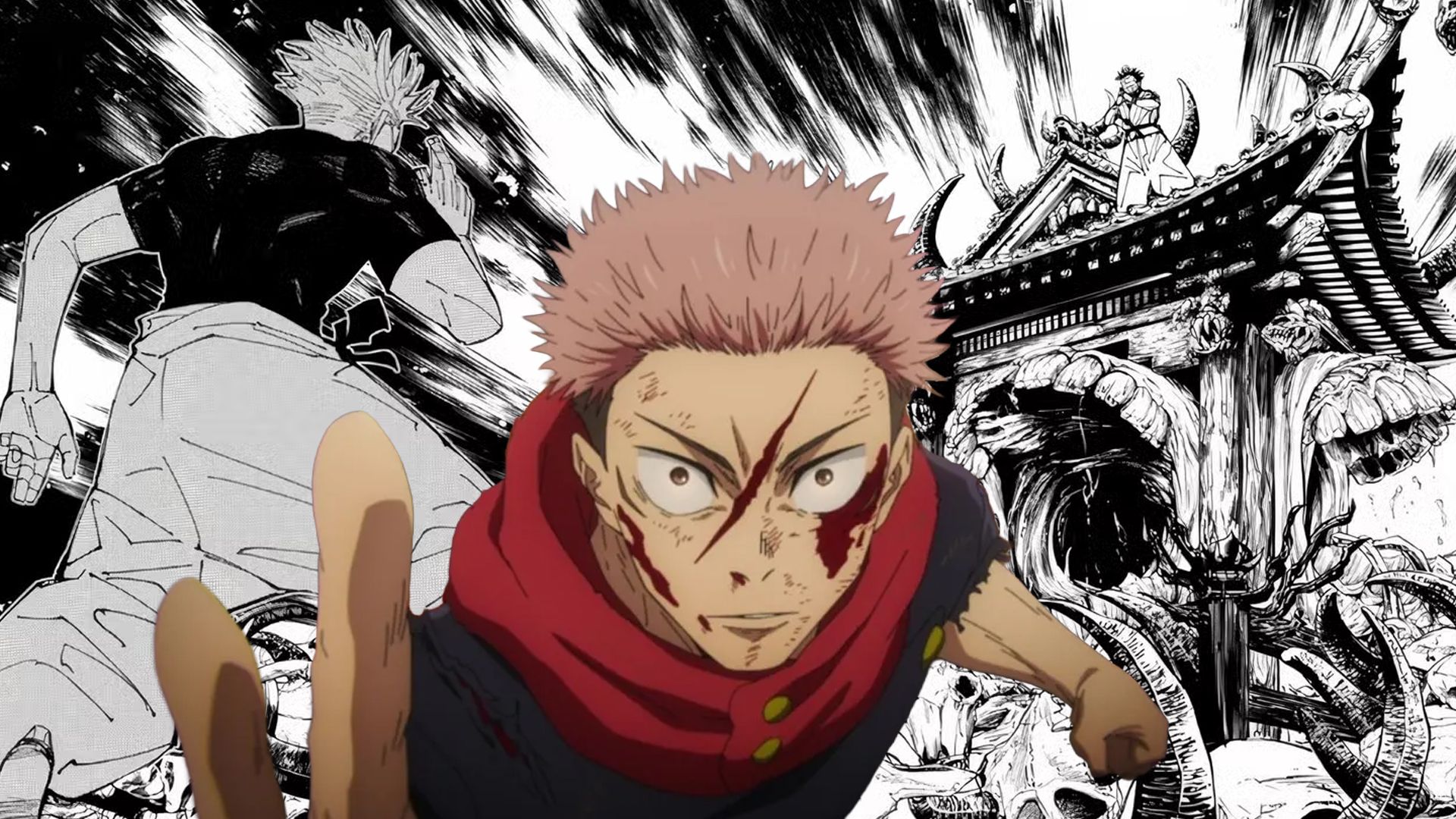
Jujutsu Kaisen Treats the Destruction of its Own Characters as a Political Act
The power system in Jujutsu Kaisen isn’t just about fighting; it’s built to prevent the younger generation from surpassing those already in power. Gege Akutami created a world where the existing hierarchy stays strong by ensuring new challengers suffer losses. The deaths of characters like Nanami, Haibara, and even Gojo’s sealing aren’t random events meant to raise the stakes – they’re a direct result of flaws within the Jujutsu High system itself. Ultimately, the sadness and loss in Jujutsu Kaisen are more about the power structures at play than just personal feelings.
Akutami created a character driven by kindness, but put him in a world where compassion doesn’t matter. Yuji’s determination to ensure everyone has a dignified death feels both admirable and pointless, and the series deliberately doesn’t resolve this conflict – that’s actually the core of what Jujutsu Kaisen is trying to say.
Blue Period Treats The Gap Between Passion And Craft As The Most Honest Form Of Suffering
In Blue Period, Yatora Yaguchi switches from being a top student to an art student, which means he’s moving his intense need for perfection to a world where it’s hard to define success. Instead of seeing this as a problem, creator Tsubasa Yamaguchi uses it to drive the story. Blue Period isn’t about finding hidden talent; it’s about what happens when someone used to excelling through hard work realizes that effort isn’t always enough in the world of art.
Yatora’s bond with Yuka Ayukawa keeps Blue Period from becoming solely focused on individual striving. Yuka’s identity as genderqueer is explored with the same depth and detail as Yatora’s growth as an artist, and this is a key point the author makes: the most meaningful discussions about art in Blue Period occur through interactions between characters, rather than simply depicting an artist’s process.
Akane-Banashi Makes Mastering Rakugo Feel Like The Most Consequential Pursuit
Watching Akane-banashi, I quickly realized it’s much more than just a typical sports manga. It centers on Akane Osaki, who’s determined to become a master of rakugo – a traditional Japanese storytelling art – despite her father being expelled from it. The story isn’t simply about her improving her skills; it’s a complex look at what she’s inherited from him, both in terms of talent and the bitterness surrounding his past. Every time she performs, you feel the weight of all of that, making each success about more than just technical skill. The rigid rules of rakugo aren’t just background; they become the drama, because Akane sees mastering the art as a way to redeem her family’s name, not just to achieve personal success.
Unlike many manga that treat audiences as simple background elements, Suenaga meticulously details the crowd’s reactions, giving them the same care as Akane’s training. Takamasa Moue’s art powerfully reinforces this, especially by showing how the audience’s responses confirm the impact of the performances Suenaga writes.
The Fragrant Flower Blooms With Dignity Is Beautifully Confident
“The Fragrant Flower Blooms With Dignity” is a refreshing manga because it focuses on genuine connection and happiness between two people without relying on typical dramatic tropes. Author Saka Mikami builds the relationship between Rintaro and Kaoruko naturally, avoiding forced conflicts or unnecessary obstacles. The story deliberately avoids complications, and this consistent choice creates a sense of assuredness and heartfelt sincerity, rather than feeling simplistic.
Kaoruko’s honesty comes from a strong sense of self, not just what the story needs, and Mikami skillfully develops her character through dialogue, ensuring she remains assertive despite her kindness. In a decade of complex manga, The Fragrant Flower Blooms With Dignity proves that a story can be confident and well-told without needing a complicated structure.
Found an error? Send it so it can be corrected.
Read More
- Honor of Kings x Attack on Titan Collab Skins: All Skins, Price, and Availability
- Yummy Tteokbokki ASMR redeem codes and how to use them (May 2026)
- The SATISFY x adidas Adizero Adios Pro 4 Debuts in Three Earthy Colorways
- Honkai: Star Rail Silver Wolf Lv. 999 Build Guide: Best Relics, Light Cone, Team Comps, and more
- Top 5 Best New Mobile Games to play in May 2026
- Total Football free codes and how to redeem them (March 2026)
- eFootball 2026 Epic National Midfielders (Ribery, Gattuso, Karembeu) pack review: Strong picks yet not endgame
- Last Furry: Survival redeem codes and how to use them (April 2026)
- FC Mobile 26 TOTS (Team of the Season) event Guide and Tips
- Top 5 Best New Mobile Games to play in April 2026
2026-05-05 07:17