Q’orianka Kilcher, known for her role in Yellowstone, is taking legal action against James Cameron and Disney. She claims they used a teenage photo of her as the inspiration for the character Neytiri in the Avatar films without her permission.
As reported by Entertainment Weekly, she’s taking Cameron and several major studios – including Disney, 20th Century Studios, Industrial Light & Magic, and Weta Digital – to court. Her claims involve using her image without permission, violating her publicity rights, and portraying her in a false and damaging way.
Kilcher is claiming the defendants invaded his privacy, revealed private information about him publicly, damaged his reputation, acted carelessly, created an explicit digital copy of him without permission, and interfered with his ability to earn money, in addition to making false claims.

She is requesting financial compensation for the harm caused, including standard legal damages, and additional penalties to punish the responsible party. She also wants a court to either correct the issue or publicly acknowledge the wrongdoing, and to stop any further unauthorized use of her image. Finally, she’s asking the court to order the responsible party to hand over all profits gained from using her image without permission.
The actress claims Cameron once sent her a note stating he’d been inspired by her beauty when creating the character Neytiri, but was disappointed she was unavailable for the role at the time, suggesting a future collaboration. She states she never agreed to be considered for the part.
Okay, so the lawsuit basically says the director used a photo of me – specifically, a picture of Riley Kilcher – as a direct reference for Neytiri’s early character design. They even made a sketch based on that photo, and it got passed around the art team while they were figuring out what Neytiri would look like. It’s claiming that’s a violation of my rights because they used my likeness without permission.
What to Read Next
According to the lawsuit, Cameron specifically directed the team to use Q’orianka Kilcher’s facial features as the foundation and reference point for creating the character Neytiri’s design throughout the entire process.
She also states that she never had a chance to audition for the role of Neytiri, which ultimately went to Zoe Saldaña, even though her agent attempted to secure her an audition. She refutes Cameron’s claim that she was unavailable due to other filming commitments.
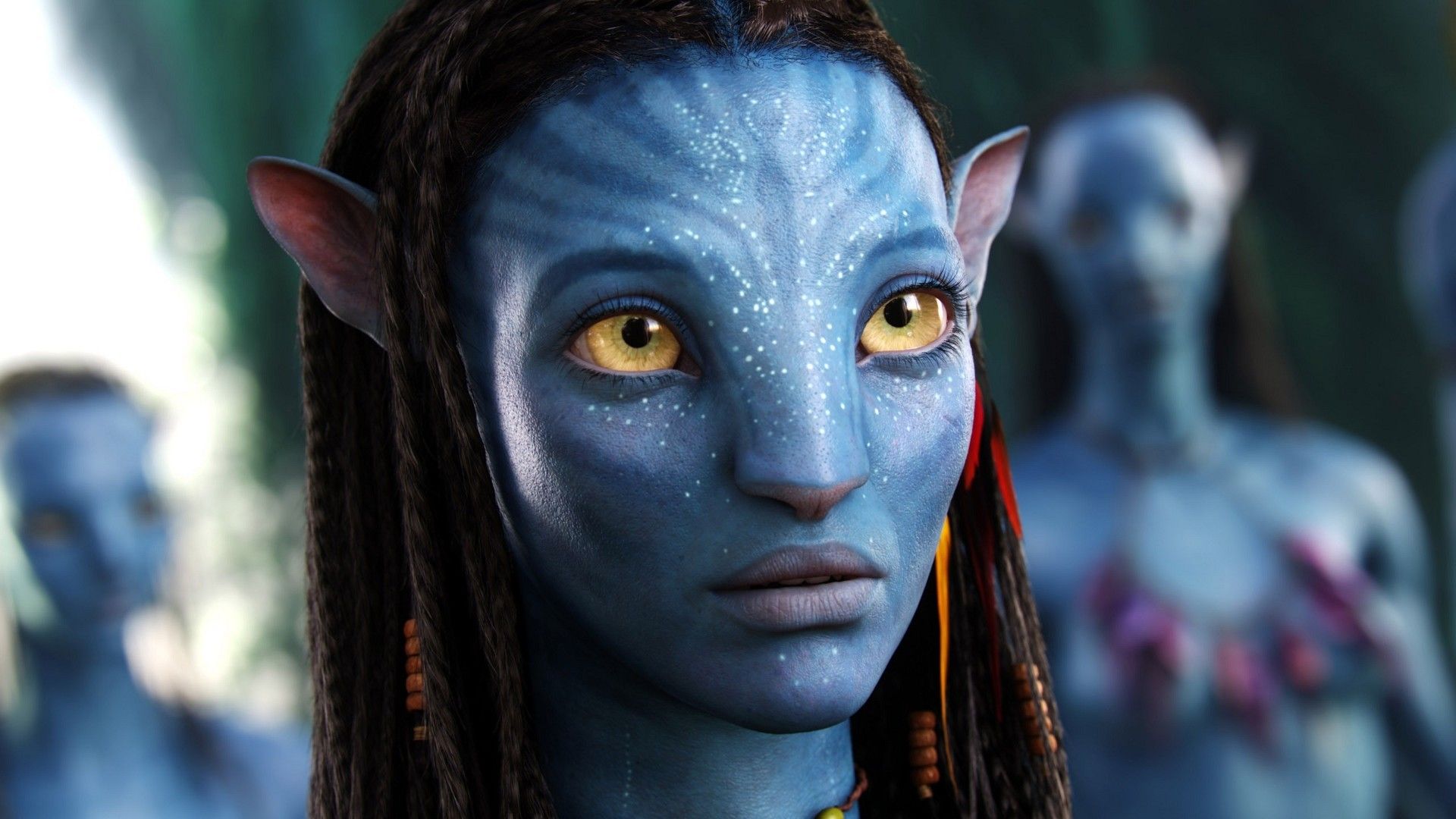
Lawyers for the plaintiff argue that a suggestive scene with her character in the original Avatar amounts to a fabricated, non-consensual depiction of her in a sexual situation—essentially a ‘deepfake’.
When Cameron sent me the initial sketch, I honestly thought it was just a nice, personal thing – maybe a little inspiration for the casting or tied to the work I do as an activist. I was a huge Avatar fan, like millions of others, because I really connected with the movie’s message, and that meant a lot to me.
I was shocked to discover that someone I trusted had been using my image in their work – designing and creating things – without ever asking me or getting my permission. It’s a serious violation of my trust and completely unacceptable.
She expressed deep concern that a photo of her, taken when she was 14 years old, was used without her permission to create something Disney and Cameron profited greatly from.

Cameron’s lawyer, Arnold P Peter, argues that the director didn’t simply draw inspiration from the Indigenous girl, but actually exploited her image. He claims Cameron used the girl’s unique facial features, mass-produced them for profit, and earned billions of dollars without her consent. Peter stated this wasn’t creative filmmaking, but rather a clear case of theft.
The director once explained that the character was based on Q’orianka Kilcher, who played Pocahontas in the film The New World. He told Konbini a few years ago that he’d been inspired by a photo of Kilcher published in the LA Times to promote the movie, specifically focusing on the lower part of her face, which he found particularly striking.
Years later, I met her and gave her a signed print of this artwork. This is the very first print I made. She displayed it above her fireplace. While she wasn’t the model for the character, I wanted to illustrate how a real person’s appearance could influence my creations.
Read More
- Top 5 Best New Mobile Games to play in May 2026
- FC Mobile 26 TOTS (Team of the Season) event Guide and Tips
- Gold Rate Forecast
- The SATISFY x adidas Adizero Adios Pro 4 Debuts in Three Earthy Colorways
- These Cartoon Reboots Totally Missed the Point of the Originals (& Went Downhill Fast)
- Supercell’s “neo mo.co” update set for the Summer of 2026 and this might save the game
- Honor of Kings x Attack on Titan Collab Skins: All Skins, Price, and Availability
- Zenless Zone Zero version 2.8 ‘New: Eridan Sunset’ update will release on May 6, 2026
- Yummy Tteokbokki ASMR redeem codes and how to use them (May 2026)
- STARBUCKS STAND by BEAMS Channels Kenyan Coffee Heritage Into Its Latest Spring/Summer Wardrobe
2026-05-07 14:20