
Toward the end of last year, Chilean artist Mon Laferte released “Femme Fatale,” an album that quickly received praise as one of the top Latin albums of 2025.
As a big fan, I remember when Mon Laferte dropped her first album in 2015 – it felt like a real turning point for Latin Alternative music. Since then, she’s been fearlessly blending old-school rock ballads with the passion of bolero, the cool vibes of trip-hop, and even a touch of jazzy extravagance. But what really makes her music special, for me, is how she embodies this classic ‘femme fatale’ character – it gives everything this incredible, almost movie-like, noir atmosphere.

Mon Laferte, a singer who has won a Latin Grammy, put out her new album “Femme Fatale” in October. It’s a jazz-pop record that makes you think about what a typical life looks like for a truly free woman.
Then she did the unthinkable.
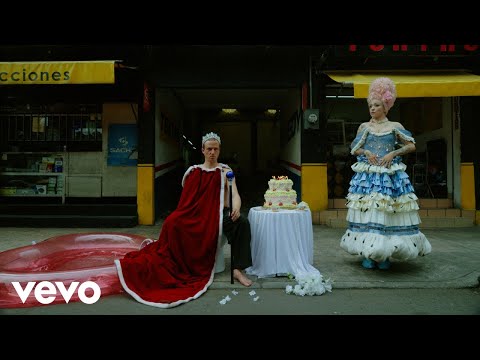
Her double album, “Femme Fatale Vol. 2,” came out on June 12th and is full of creative energy. The 20 songs create a wide-ranging sound, moving from raw punk energy to beautiful, sad ballads. It features a collaboration with St. Vincent, along with folk-inspired moments and a retro lounge feel.
 ×
× At 43 years old, Mon Laferte’s voice is incredibly powerful – raw, emotional, and full of character. Her latest album seems intentionally crafted to captivate and even challenge the listener, blending sophistication with a bold edge, humor with insightful commentary. It draws inspiration from musical traditions while firmly establishing Laferte as a modern innovator. She’s become a leading artist in Latin music, and will perform two shows at the Kia Forum in November – a rare accomplishment for musicians from Latin America.
Mon Laferte, a Mexico-based artist, was on vacation in Paris with her family when she discussed her need to write songs, the strength of her singing, and her ongoing journey with mental health with De Los. This conversation has been edited for brevity and ease of reading.
“Femme Fatale Volume 2 came out just eight months after the first one! It’s amazing – how do you create work so quickly?”
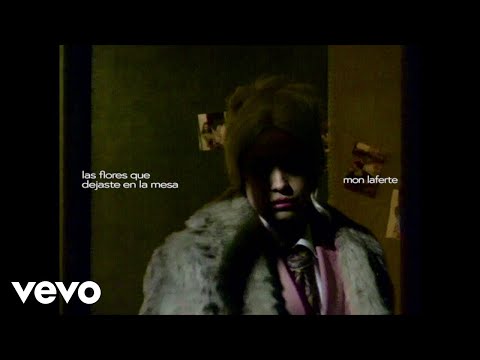
I’m bending the rules slightly since these recordings happened during the same sessions. While working on “Femme Fatale,” I was really into jazz and wanted the title track’s sound to carry throughout the album. I actually wrote around 50 songs, but many didn’t quite fit the initial idea. To keep the first album cohesive, I chose the songs with a jazz feel and saved the rest for the second part.
 ×
× The sheer scope of the album is staggering. I have to admit your creativity frightens me a little.
Thank you very much! Songwriting is one of my greatest joys. When I start, I really get lost in the process. Ideas can strike me anywhere – even at the grocery store, where a simple phrase might inspire a melody. My son often provides great lines too! The album’s longest song, “No Le Regales Tu Corazón,” came to me unexpectedly at 4:30 in the morning while I was working on something else. I quickly grabbed my guitar and finished it within two hours, staying up all night.
Is being you exhausting?
It’s true that life can be challenging, but I truly enjoy being myself. I hope people will remember me as someone who embraced life and made the most of every opportunity.
I really appreciate the variety in “Vol. 2.” You switch between punk on the track “Tal Vez Yo Soy El Problema” and more progressive jazz on “Vi Un Poema En Su Locura,” and there’s even some folk and classic ballads mixed in. Was that intentional – were you trying to showcase how versatile you are as an artist?
That’s partly true. I already had the lyrics for “Tal Vez Yo Soy El Problema,” which had a rebellious energy, and I wanted to create something short and playful with them. Then, I decided to build a song around the upright bass, adding a free-jazz feel – that became “For Your Consideration.” I really wanted to show myself that I could do anything I set my mind to. If I dedicate time and effort to learning something, I can make it work.
As a kid, around age eleven, I used to shut myself away in my room and listen to the James Bond soundtracks – those dramatic melodies by John Barry and the powerful voices of singers like Shirley Bassey and Nancy Sinatra. You’ve really captured that same feeling. Your song, “A Pesar De Ti Y De Mí,” sounds like it could have been a Bond theme from the 80s.
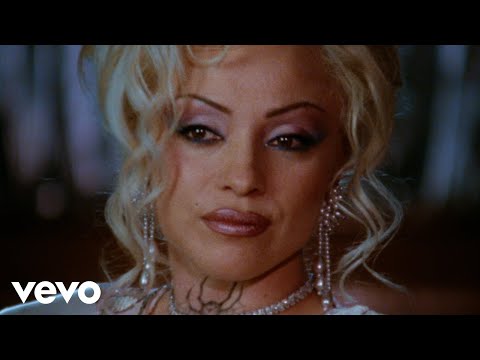
I really wanted this song to be something special. When I was recording it, I drew inspiration from powerhouse vocalists like Whitney Houston – she’s who I grew up listening to on the radio. Things were different back then; we didn’t have the internet, so the radio was how you discovered music. I used to love imagining the singers and creating stories in my head while listening to their incredible voices. I’ve always been a fan of classic vocalists and enjoy all types of music.
 ×
× The album closes with a beautiful, swirling piano melody on the final track, “Gigante.” Can you tell me about how you composed that part?
I sang the lyric to my pianist, and he suggested adding more to it, but I preferred to keep it stripped down and reminiscent of a comforting refrain. I usually create the musical arrangements for my songs by simply singing them through.
Did you always know you possess the kind of voice that could tame a wild lion?
I often questioned my singing ability, but I also knew I had a powerful voice – strong enough to command attention, even in a difficult situation. Growing up, I was a shy child and experienced bullying when I switched schools. However, when I started singing, everything changed, and I quickly became popular. As a teenager, I began performing on the streets and realized my voice naturally carried over the noise of the city. I wanted to capture people’s attention and make them want to keep listening. I believe my voice is a natural gift, something beyond technique, and I’m truly thankful for it.
After listening to your album, it’s clear why so many people admire you – you have over 6 million Instagram followers, after all! I think what connects all of us who love your music is that we feel like outsiders – the unconventional, the people who often feel misunderstood.
I’ve definitely felt like an outsider for most of my life. I was always different and never really fit in with what was popular. I’ve always preferred to do my own thing instead of following trends, but I appreciate that my fans are amazing people.
In your song “Hello Monserrat,” you sing very personal lines – mentioning things like considering Botox, your interest in unique music, feelings about your mother, and the isolation of being on tour. It’s hard to imagine a more revealing glimpse into your life, isn’t it?
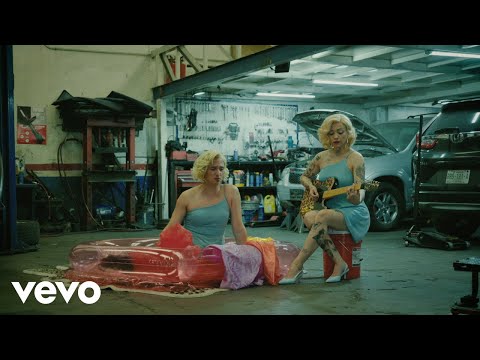
This song is really raw and honest – I share a lot of what I’m thinking about, from silly things like getting Botox to bigger fears and insecurities. What I love about it is that it acknowledges we all face our own mortality. I’m completely vulnerable in my music, and honestly, it makes me realize that nothing truly matters in the end.
 ×
× You’ve already triumphed in a way, even if you don’t survive. Your music will live on and be remembered for generations to come.
That sounds great, although it’s unlikely to last for centuries. Even a hundred years would be fantastic – enough time for my kids to benefit from any publications.
You’ve openly discussed your experiences with bipolar disorder and how your intense sensitivity influences your music. It makes me think – does facing these challenges contribute to the incredible beauty found in your work?
When I look back on my career, I realize I’ve always been a songwriter, whether I was taking medication or not. You asked if being me was tiring, and while I answered honestly, my first thought was actually about my bipolar disorder. I do have periods of mania where I feel incredibly productive – I can’t stop creating things like paintings or songs. This can be both wonderful and challenging. Some people even stop taking their medication because they enjoy those manic phases and the burst of creativity they bring. But I’ve always prioritized my well-being, continuing with therapy and focusing on being a mother. When I feel that intense creative energy, I try to channel it into something good. It’s not necessarily a negative thing, just a part of what makes me, me – a condition with its ups and downs.
2026-07-22 01:02