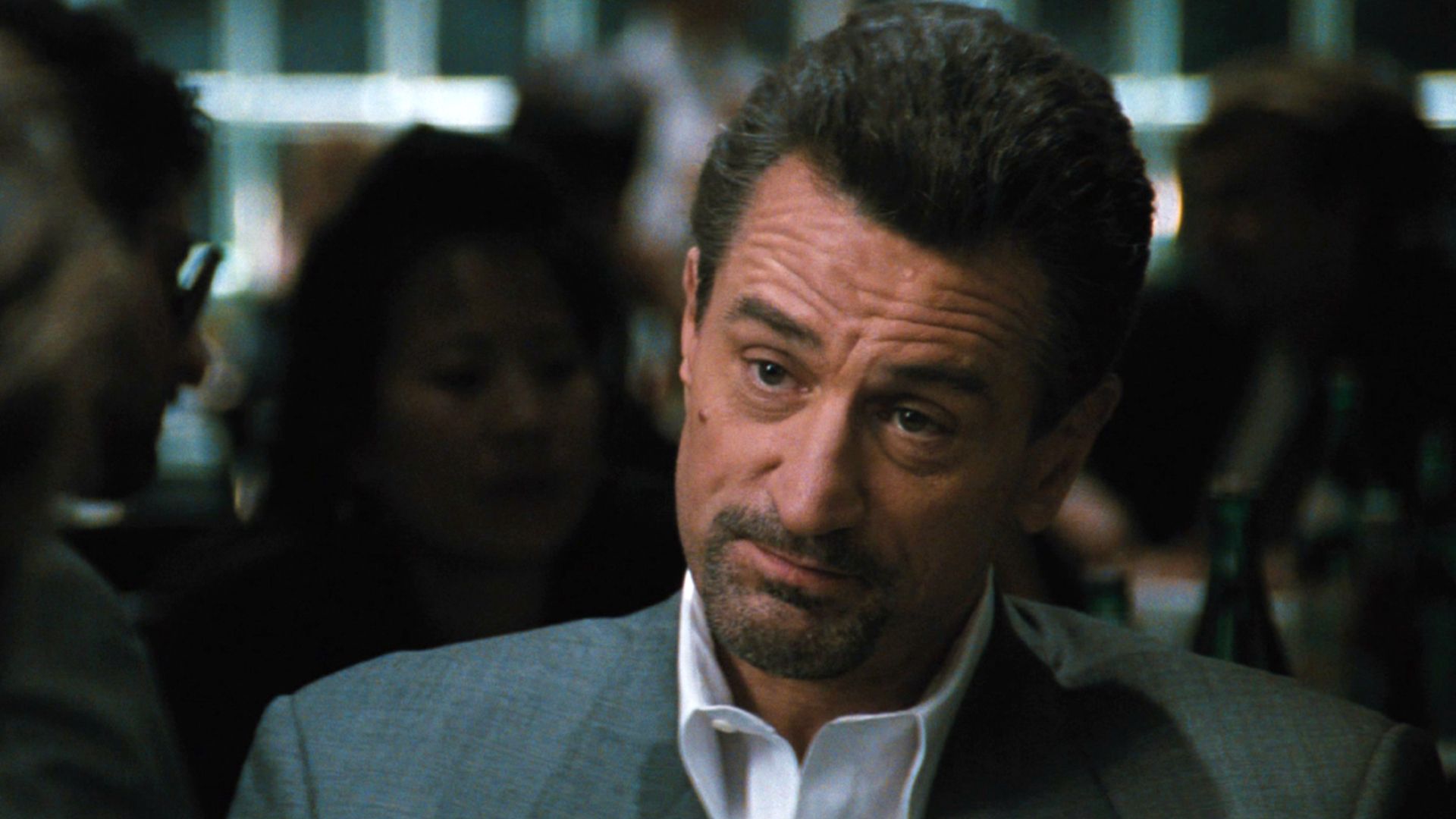
Michael Mann’s iconic crime film, Heat, revolutionized the genre 31 years ago and remains a classic heist movie. Now, fans are eagerly awaiting Heat 2, featuring Leonardo DiCaprio, Christian Bale, Adam Driver, and a host of other established Hollywood stars.
As a huge fan of Heat, I’m incredibly excited about Heat 2! It’s based on the novel Michael Mann co-wrote recently, and from what I understand, it’s going to be a really ambitious project. It’s not just a sequel, but also a prequel – we’ll get to see what happened before the original movie, filling in the backstories of all those iconic characters, and then follow them into the aftermath. Now that Michael Mann has confirmed filming is starting, it’s easily one of the movies I’m most looking forward to seeing.
Let’s be honest, 2026 is shaping up to be a huge year for returning franchises. I’m particularly excited for Heat 2, and honestly, the timing couldn’t be better. But what’s really remarkable is the anticipation for this sequel – it’s rare to see a film generate this much buzz thirty-one years after the original! And while Heat felt like a perfectly complete story, it’s a testament to its impact that we’re getting a follow-up, even if it’s not strictly needed narratively.
Heat Spends Time Developing Every Subplot
 © Warner Brothers/courtesy Everett Collection
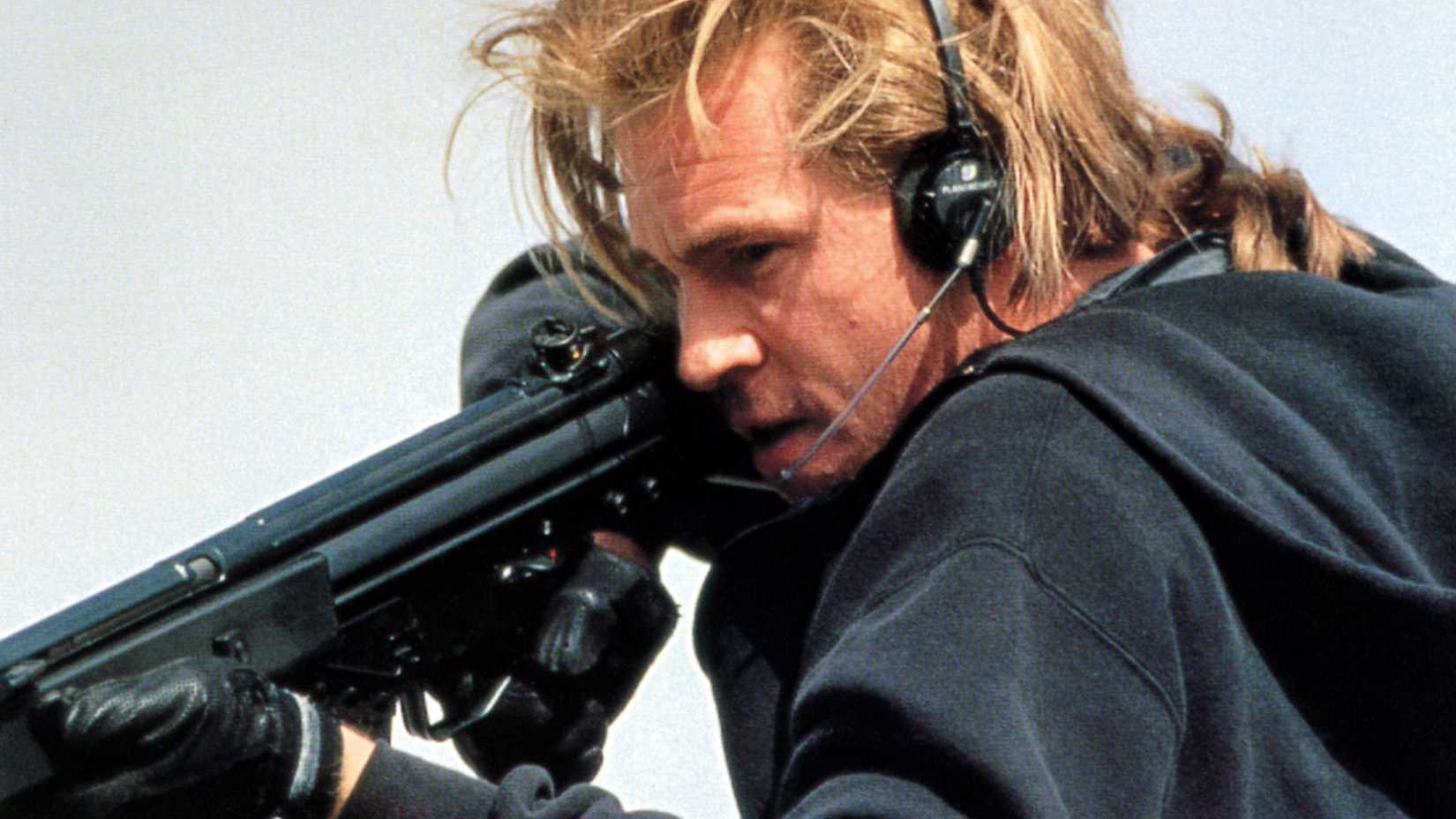
The movie Heat centers on a team of professional thieves, led by Neil McCauley (Robert De Niro), and including Chris Shiherlis (Val Kilmer), Michael Cheritto (Tom Sizemore), and Trejo (Danny Trejo). They become the target of Detective Vincent Hanna (Al Pacino) and his team from the LAPD’s Major Crimes Unit after a sudden, risky move draws the police’s attention.
Beyond the central figures, Heat features well-developed supporting characters like Hanna’s girlfriend (Diane Venora), Chris’ wife (Ashley Judd), and McCauley’s love interest (Amy Brenneman). It’s unusual for a heist film to go beyond the plot essentials to build a richer world, but director Mann put significant effort into crafting the details of Heat.
Val Kilmer fans often point to Heat as one of his best films from the 90s, and for good reason. What makes it a great heist movie is how effectively it uses its long running time. The film thoroughly explores the story and gives satisfying conclusions to every character’s journey, even those with smaller roles, following them all the way to the end.
Heat’s Characters Are Consistent Throughout

What truly stands out in Michael Mann’s skillful storytelling is how consistently authentic all the characters are. From their first scenes, you quickly understand their personalities, and even when they make surprising choices, it feels believable because the film carefully establishes who they are.
Robert De Niro’s character finally explaining his actions at the end of the movie highlights Michael Mann’s skill in building believable motivations, even for surprising choices. Many crime films rely on shocking twists, but Heat stands out by staying true to its characters and avoiding cheap surprises, despite being carefully planned.
Heat Depicts The Exhausting Nature Of Crime And Crime Fighting
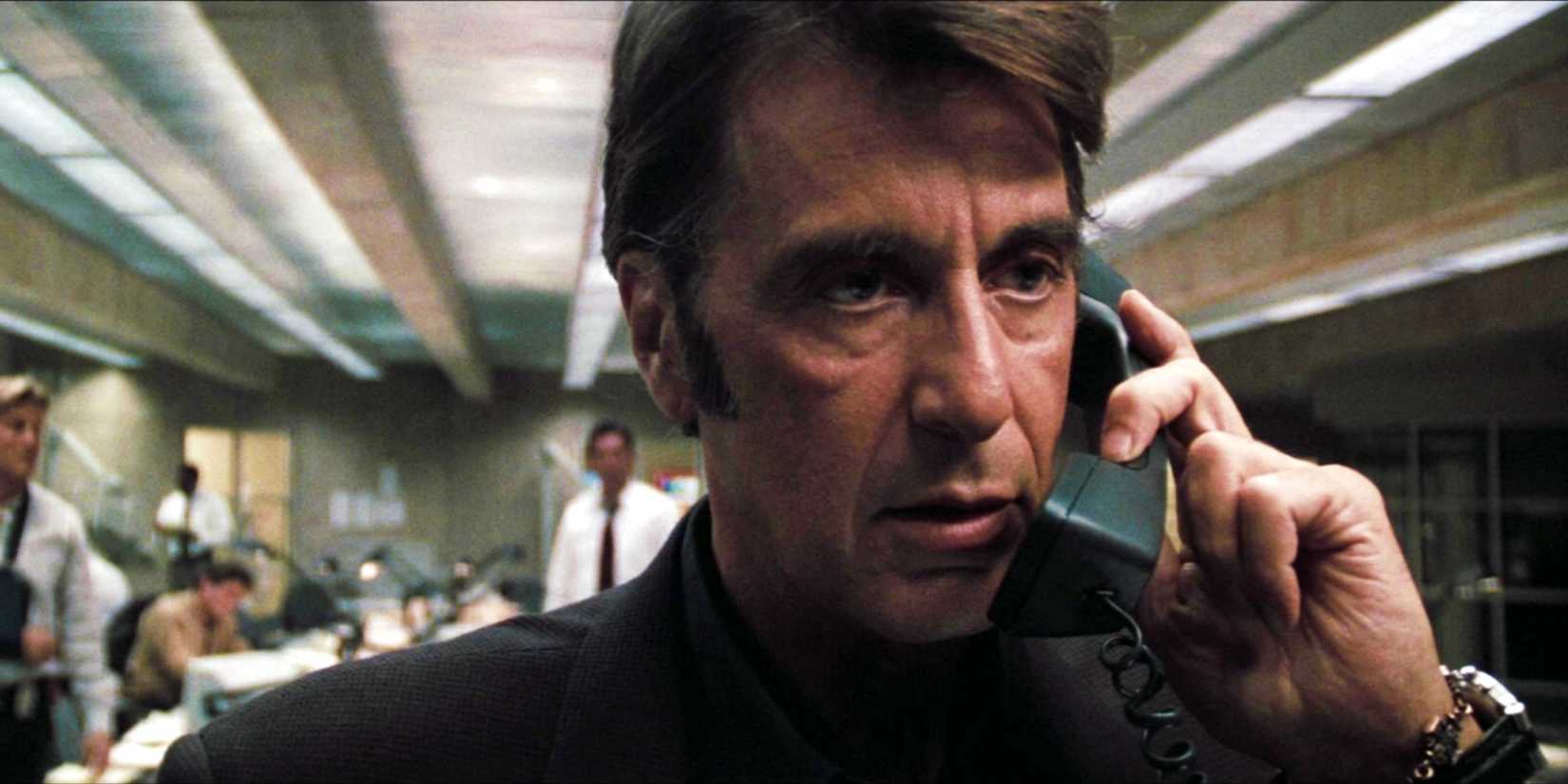
The film Heat is a flawlessly paced action thriller. It excels by giving careful attention to every scene, even prioritizing small details over quick cuts that might usually build excitement. The heists in Heat are shown in detail, from the planning stages to the escape, but the film avoids becoming repetitive, making each moment engaging.
As a real cinema fan, one of the things I always appreciated about Heat is how realistically it shows police work. So many crime movies fall into the trap of portraying the police as either incompetent or magically brilliant, but Heat avoids that. It really digs into the nitty-gritty details and shows how much exhaustive work goes into investigations, even when those efforts don’t immediately pay off. It doesn’t shy away from the monotony – the endless following of leads, the frustrating dead ends – which most films avoid, fearing they’ll lose the audience. But for me, that realism is what makes Heat so compelling.
It Features De Niro And Al Pacino’s First Scene Together
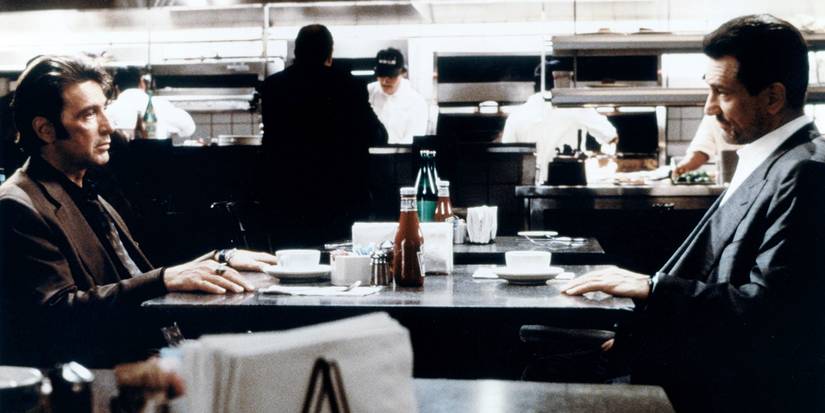
Al Pacino and Robert De Niro are two of the most acclaimed actors in Hollywood history. They’ve been performing for over fifty years, both starting their film careers in 1969. Pacino became famous for The Godfather, while De Niro rose to prominence with Mean Streets. They first shared the screen together in The Godfather Part II in 1974.
As a huge film fan, I still get chills thinking about the diner scene in Heat – it’s amazing to me that Al Pacino and Robert De Niro didn’t share the screen together until then, over 21 years into their careers! That movie is so legendary, and a big part of why is being the first time those two incredible actors were in a scene together. Every review I’ve ever read about Michael Mann’s Heat always highlights the electric chemistry between them, even though their characters were enemies on opposite sides of the law.
Heat’s Copies Prove Its Longlasting Cultural Footprint

A film’s true influence isn’t just about box office numbers; it’s about the movies it inspires. Over the last three decades, Heat has had a remarkable impact, with countless crime films either directly copying its style or explicitly mentioning it as a source of inspiration for their characters and stories.
Even a blockbuster like Christian Bale’s The Dark Knight drew inspiration from Michael Mann’s Heat, despite being a very different type of film. Like Heat, The Dark Knight focuses on the inner lives of its characters, and it’s just one example of how Mann’s work continues to influence filmmakers. Now, the question is whether Heat 2 can live up to the incredibly high standard set by the original.
Read More
- Invincible Season 4 Episode 4 Release Date, Time, Where to Watch
- How Martin Clunes has been supported by TV power player wife Philippa Braithwaite and their anti-nepo baby daughter after escaping a ‘rotten marriage’
- Gold Rate Forecast
- CookieRun: OvenSmash coupon codes and how to use them (March 2026)
- American Idol vet Caleb Flynn in solitary confinement after being charged for allegedly murdering wife
- eFootball 2026 is bringing the v5.3.1 update: What to expect and what’s coming
- Clash Royale Balance Changes March 2026 — All Buffs, Nerfs & Reworks
- Invincible Creator on Why More Spin-offs Haven’t Happened Yet
- Olivia Colman’s highest-rated drama hailed as “exceptional” is a must-see on TV tonight
- Roco Kingdom: World China beta turns chaotic for unexpected semi-nudity as players run around undressed
2026-03-08 21:39