Summary
- Effective August 7, U.S. imposes 39% tariff on Swiss imports
- Swiss watchmakers could face significant price hikes or absorb costs, boosting pre-owned demand
- Part of Trump’s tiered overhaul: 10% baseline, 15% for pacts, Canada’s tariff now 35%
The White House has recently enacted an executive order, effective immediately, that imposes a 39% tax on all imports from Switzerland. This tariff is one of the highest in President Trump’s strategy of reciprocal tariffs. The tariff was put into effect as soon as the deadline for negotiating a bilateral trade agreement with Switzerland passed. The administration claims the $38 billion U.S. goods-trade deficit with Switzerland as justification for this move. It is important to note that the 39% tariff surpasses the 15% tariffs given to trading partners such as the European Union, Japan, and South Korea, who reached preliminary agreements before the August deadline.
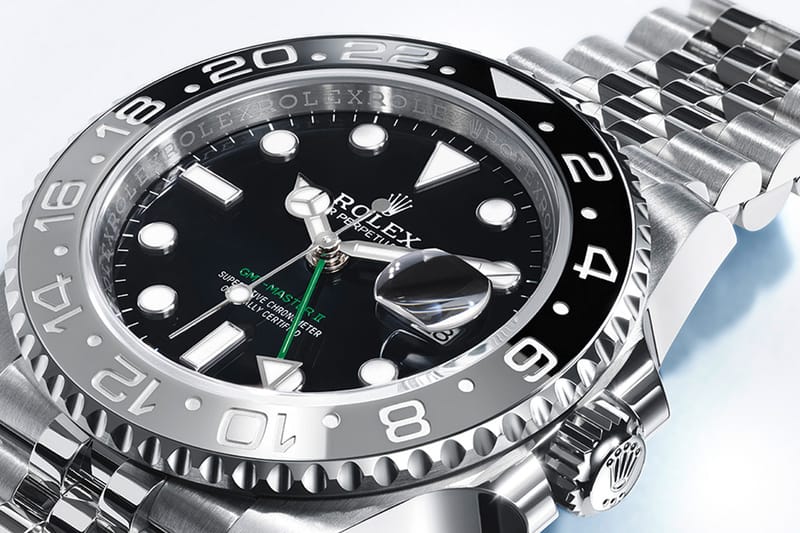
The distinguished Swiss watch industry, which accounted for approximately $6 billion in exports to the United States last year, is currently at a significant juncture. Famous brands like Rolex are grappling with the dilemma of either absorbing additional costs or passing these on to American consumers directly. This choice has already led to retail prices increasing by up to 15%. Smaller, independent workshops that have been thriving in the U.S. market may experience the greatest strain, potentially pushing collectors towards pre-owned platforms and alternative sales channels to avoid the new increased costs.
Beginning August 7, 2025, this recent development represents an escalation of a broader tariff reform initiated by Trump in April. He set a base rate of 10% globally and threatened a 31% tariff on Switzerland if negotiations stalled. By late July, the administration had established a graduated system: a 10% minimum for all imports, 15% for countries with negotiated agreements, and higher duties for those with significant U.S. trade deficits. Consequently, Canada’s tariff has risen from 25% to 35% in a separate order related to cooperation issues in drug enforcement. Countries such as India (25%) and Syria (41%) now face increased obstacles across numerous trading relationships due to these changes.
Read More
- Clash Royale Best Boss Bandit Champion decks
- Vampire’s Fall 2 redeem codes and how to use them (June 2025)
- Mobile Legends January 2026 Leaks: Upcoming new skins, heroes, events and more
- World Eternal Online promo codes and how to use them (September 2025)
- How to find the Roaming Oak Tree in Heartopia
- Clash Royale Season 79 “Fire and Ice” January 2026 Update and Balance Changes
- Clash Royale Furnace Evolution best decks guide
- Best Arena 9 Decks in Clast Royale
- Best Hero Card Decks in Clash Royale
- FC Mobile 26: EA opens voting for its official Team of the Year (TOTY)
2025-08-01 16:57