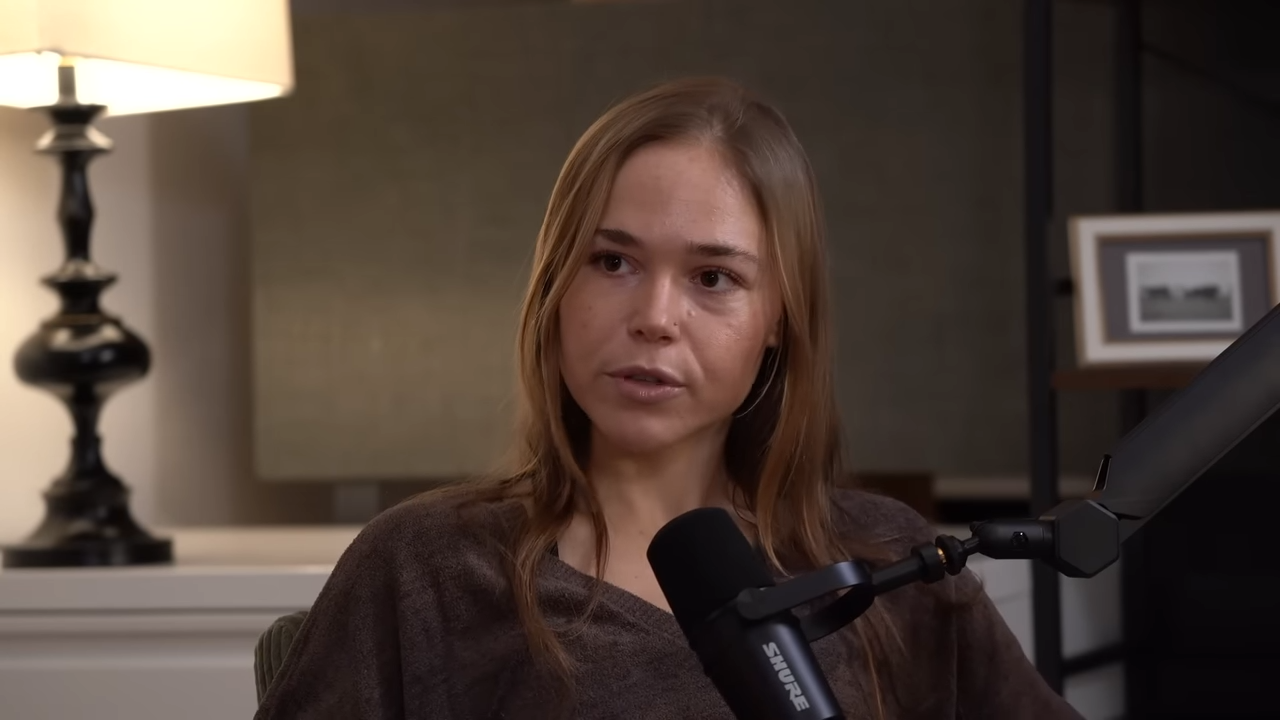
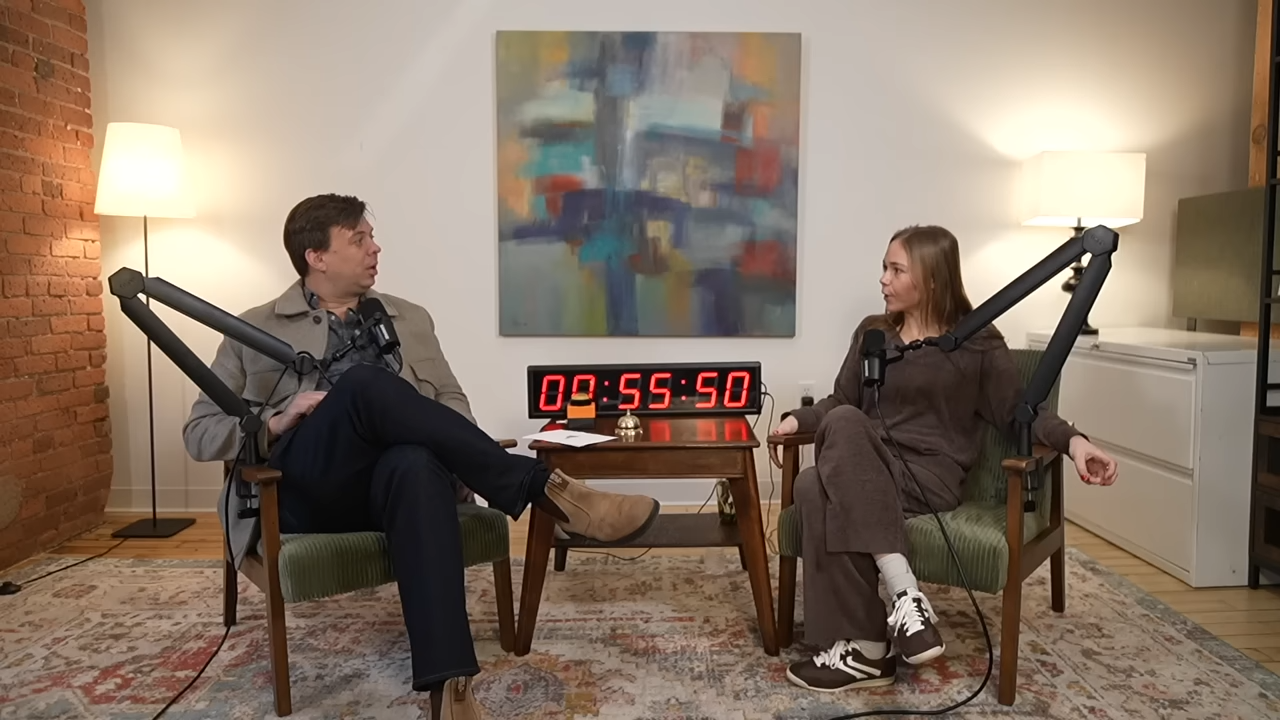
Tim Walz’s daughter, Hope Walz, recently discussed the ethical duties of new media platforms. Speaking on the One Hour Detours podcast with John O’Sullivan, she explained that because content creators like Nick Shirley are seen as relatable and accessible, people tend to trust them more than traditional news sources. This relatability, she argues, creates a responsibility for these new media figures to act ethically.
The comments were made after independent journalist Shirley published a report. Later, Governor Walz questioned whether Shirley was a legitimate journalist. In a 42-minute documentary shared on X (formerly Twitter) and YouTube, Shirley claimed that several Minnesota daycares received millions of dollars in taxpayer money without providing any services. Shirley stated that “billions of dollars have been directed through fraudulent businesses run by Somali individuals,” and that the amount of fraud was substantial, potentially equaling Somalia’s entire GDP.
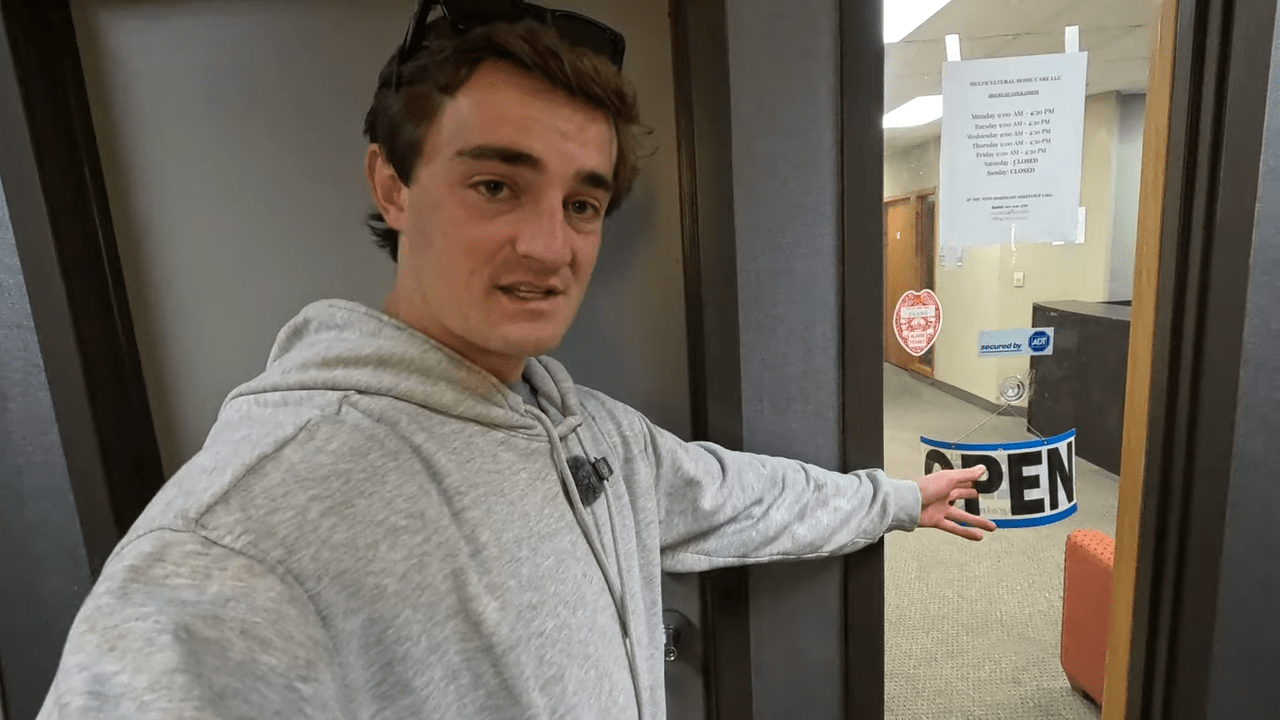
Although Ilhan Omar acknowledges some basis to claims of fraud, she believes Donald Trump and his followers have exaggerated the issue to serve their own purposes. With her father and the Somali community in Minnesota now facing more attention, Omar criticizes Shirley’s reporting as unethical, stating, “You can’t just do this to people.”
According to her, the core of the issue isn’t whether Shirley got the facts wrong. Instead, she believes the problem lies in whether sharing those facts was a responsible thing to do. She feels that before reporting information, people should consider the potential impact of making it public and whether they’re equipped to handle the consequences.
Questioning Who is Qualified
Governor Walz stated that some people are trying to build Shirley into a prominent figure similar to Charlie Kirk, suggesting they both operate within the same conservative media landscape. She then drew a parallel between the audience consuming Shirley’s content and those who express skepticism towards established medical advice, implying they tend to trust unqualified sources. According to Walz, Shirley seems to appeal to this particular audience.
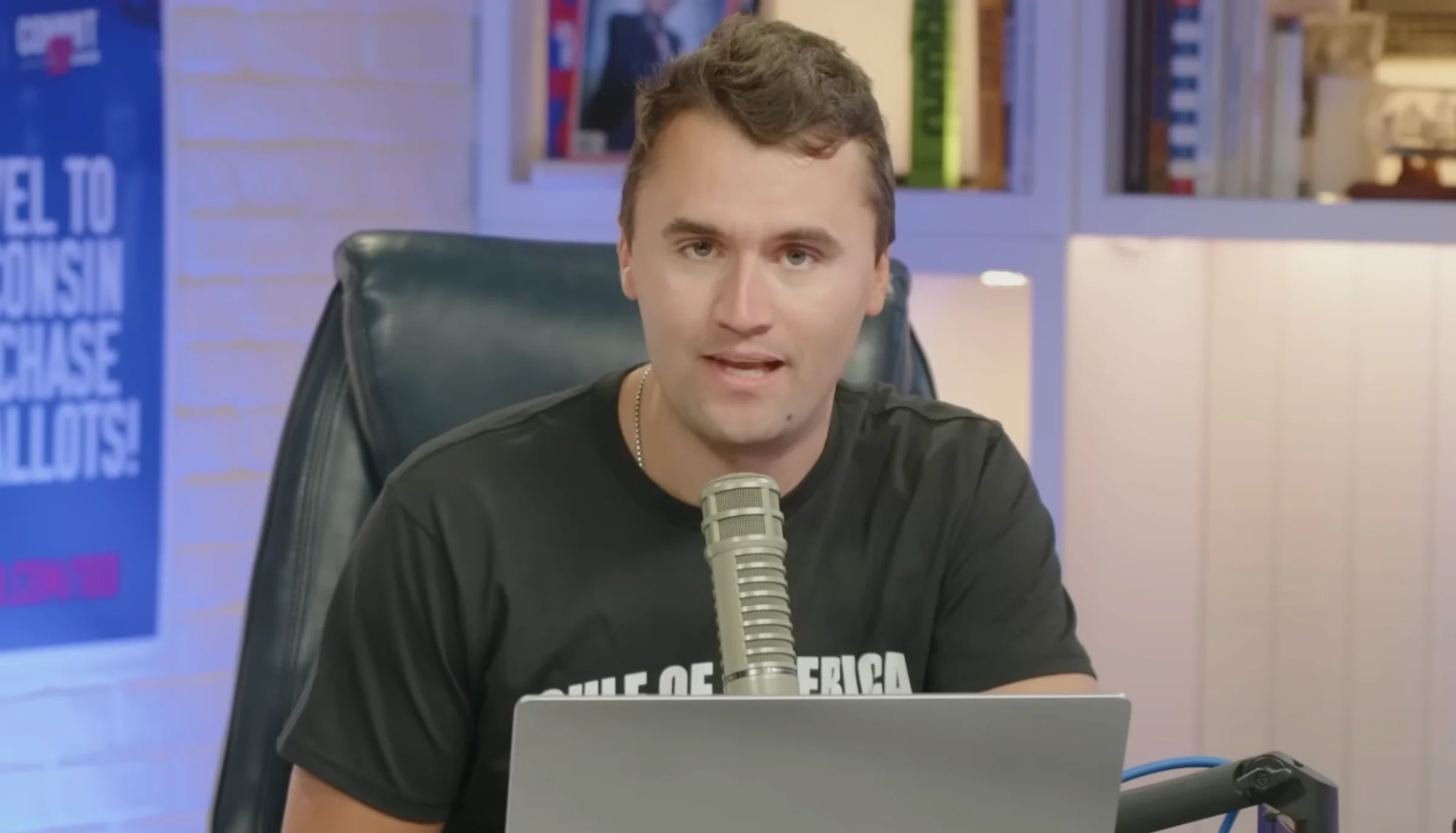
The discussion didn’t clarify who is qualified to reveal fraud or who should have the power to do so. O’Sullivan pointed out that people often find content on phones more believable than traditional news, and Walz confirmed he shared that view.
For a long time, journalists have been expected to report facts supported by reliable sources. While some new media journalists try to feel more real and immediate by reporting as if they’re simply sharing what they see on their phones, a good presentation doesn’t make a story more truthful – solid facts are what truly matter.
Walz was direct about her frustrations with traditional media. She also shared her views on modern journalism, the importance of ethical conduct, and how she perceives authority.
A Matter of Narrative Control
Governor Walz expressed his annoyance with the constant push for neutrality, saying he doesn’t understand the idea of giving equal time to all viewpoints. He believes that when one side is clearly based on falsehoods and the other is grounded in reality, it’s not about being fair to both – it’s about simply presenting the truth.
It’s revealing that, after arguing new media journalists should have limits and then likening Shirley’s followers to people who reject science, she would advise traditional media to simply disregard certain perspectives.
As a total movie buff, I’ve been thinking a lot about stories lately, and it feels like things are getting really complicated. It’s not just about whether something happened anymore, but who gets to tell the story and, honestly, who gets to decide what even counts as the story. It’s like everyone’s building their own version of reality, and it’s hard to know what’s actually true when so many voices are competing for attention.
Read More
- Clash Royale Best Boss Bandit Champion decks
- Vampire’s Fall 2 redeem codes and how to use them (June 2025)
- Mobile Legends January 2026 Leaks: Upcoming new skins, heroes, events and more
- M7 Pass Event Guide: All you need to know
- Clash Royale Furnace Evolution best decks guide
- World Eternal Online promo codes and how to use them (September 2025)
- Clash Royale Season 79 “Fire and Ice” January 2026 Update and Balance Changes
- Best Arena 9 Decks in Clast Royale
- Clash of Clans January 2026: List of Weekly Events, Challenges, and Rewards
- Best Hero Card Decks in Clash Royale
2026-01-09 15:56