Don’t mistake it for the 2022 film – the 1978 movie was the very first big-screen adaptation of Agatha Christie’s 1937 mystery novel. It featured a star-studded cast, including Peter Ustinov as the famous detective Hercule Poirot – a role he would reprise in several films. Alongside him were Jane Birkin, Lois Chiles, Betty Davis, Mia Farrow, Jon Finch, Olivia Hussey, George Kennedy, Angela Lansbury, David Niven, Maggie Smith, and Jack Warden.
Death On The Nile Put The Star In Star-Studded
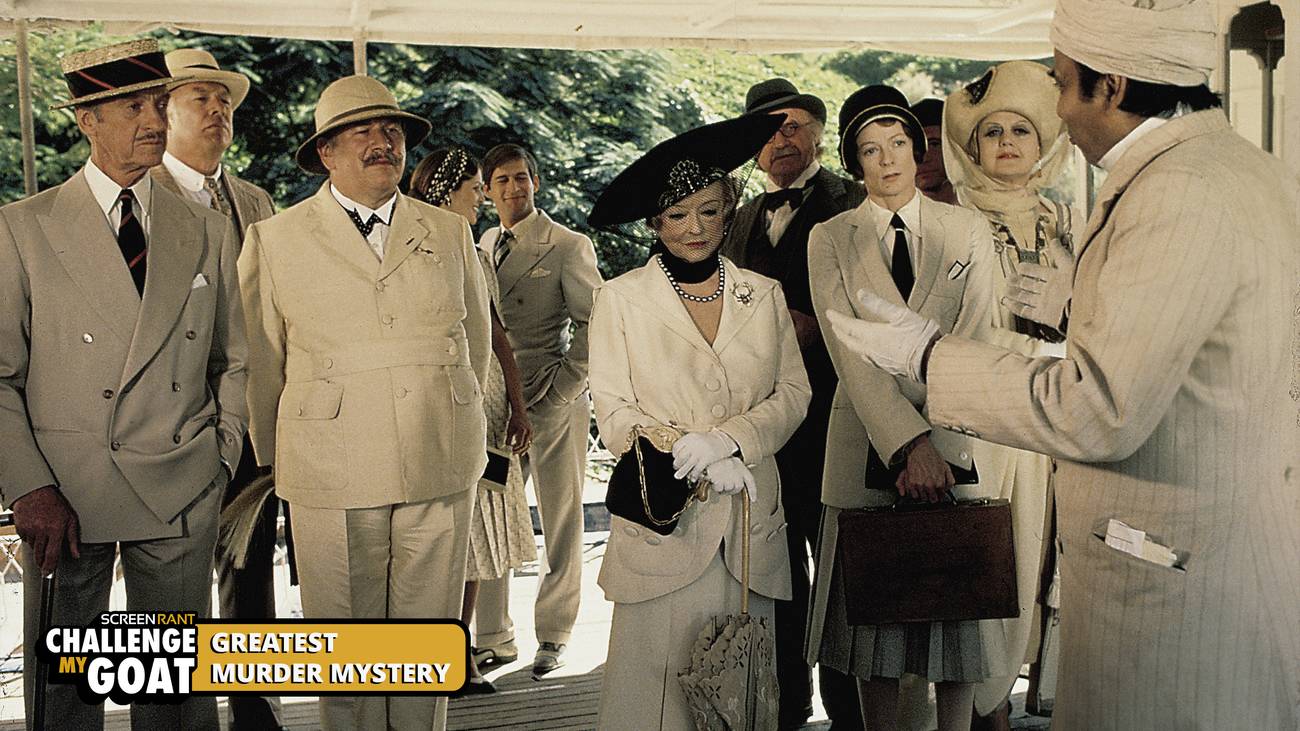
The film boasted a highly accomplished team behind the scenes. Director John Guillermin had previously helmed the blockbuster The Towering Inferno, while the screenplay was penned by Anthony Shaffer, who had recently adapted another Agatha Christie novel, Murder on the Orient Express (1974), and also worked with Alfred Hitchcock on Frenzy. The stunning visuals were captured by Jack Cardiff, a veteran cinematographer known for his work on classic films like Black Narcissus and The Red Shoes from the acclaimed team of Michael Powell and Emeric Pressburger. The score was composed by Nino Rota, who had recently won an Oscar for The Godfather Part II and had also collaborated with legendary directors Federico Fellini and Luchino Visconti.
As a huge fan of mysteries, working on Death on the Nile felt really special. It wasn’t just about making a good whodunnit, it brought back a lot of personal memories for me. Honestly, if I have a ‘sweet spot’ when it comes to movies – a place where everything just clicks for me with a mystery – it’s right there in Death on the Nile. I remember watching this, and Orient Express, with my entire family on VHS, rented from the local store, and everyone being completely hooked. It’s a really fond memory.
Johnson explains that the recent interest in Agatha Christie adaptations started with Albert Finney’s performance in Murder on the Orient Express. This sparked a trend of large-scale, all-star murder mysteries, continuing with films like Evil Under the Sun and several others throughout the 80s. Johnson considers Death on the Nile to be the peak of this era, praising its fantastic cast and the apparent joy they had making the film.
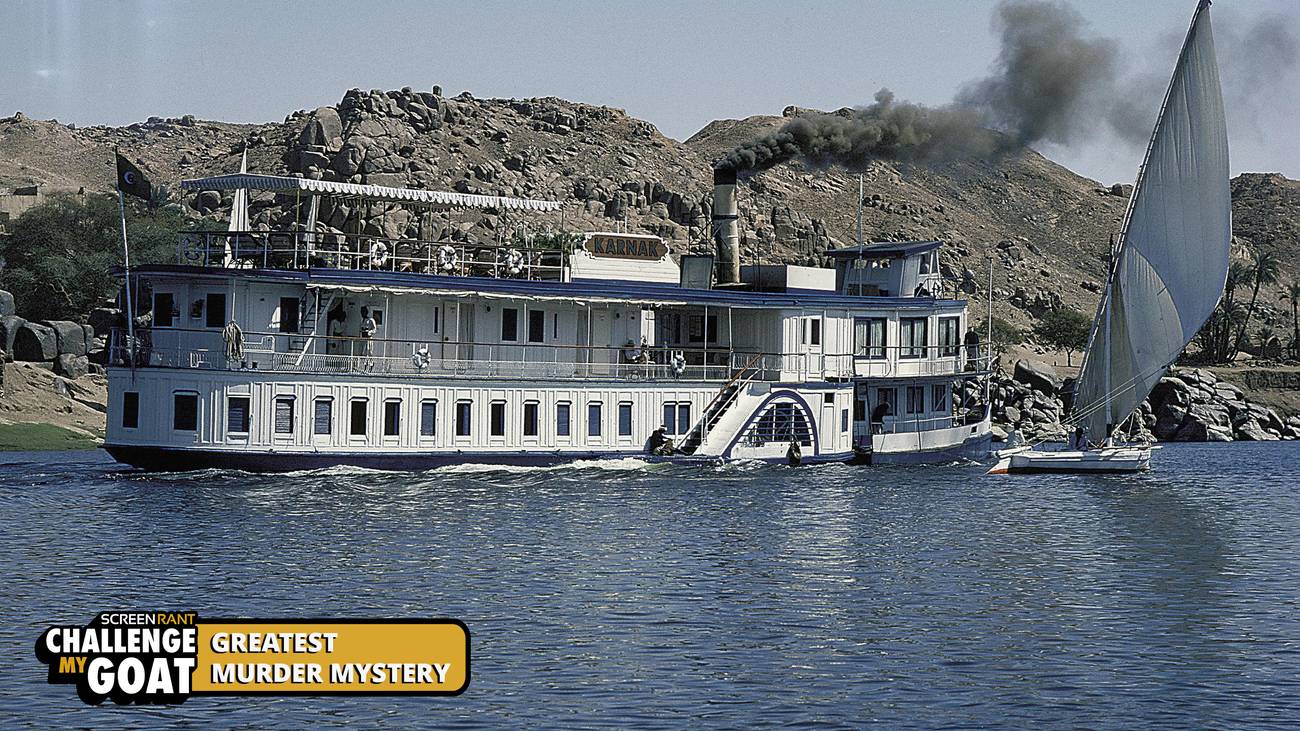
Beyond the stunning visuals and filming on location at places like the Egyptian pyramids, the film boasts a fantastic cast who delve into captivating relationships. He explains that a compelling mystery, built around a central love triangle, immediately draws viewers in. Mia Farrow delivers an exceptional performance, and a poignant, often heartbreaking connection develops between her character and Poirot. He also notes that the movie is genuinely enjoyable.
The show handles the mystery well. It cleverly uses filmmaking techniques – like showing a quick flashback of how each suspect could have committed the crime when Poirot questions them – and I think that’s a really effective approach.
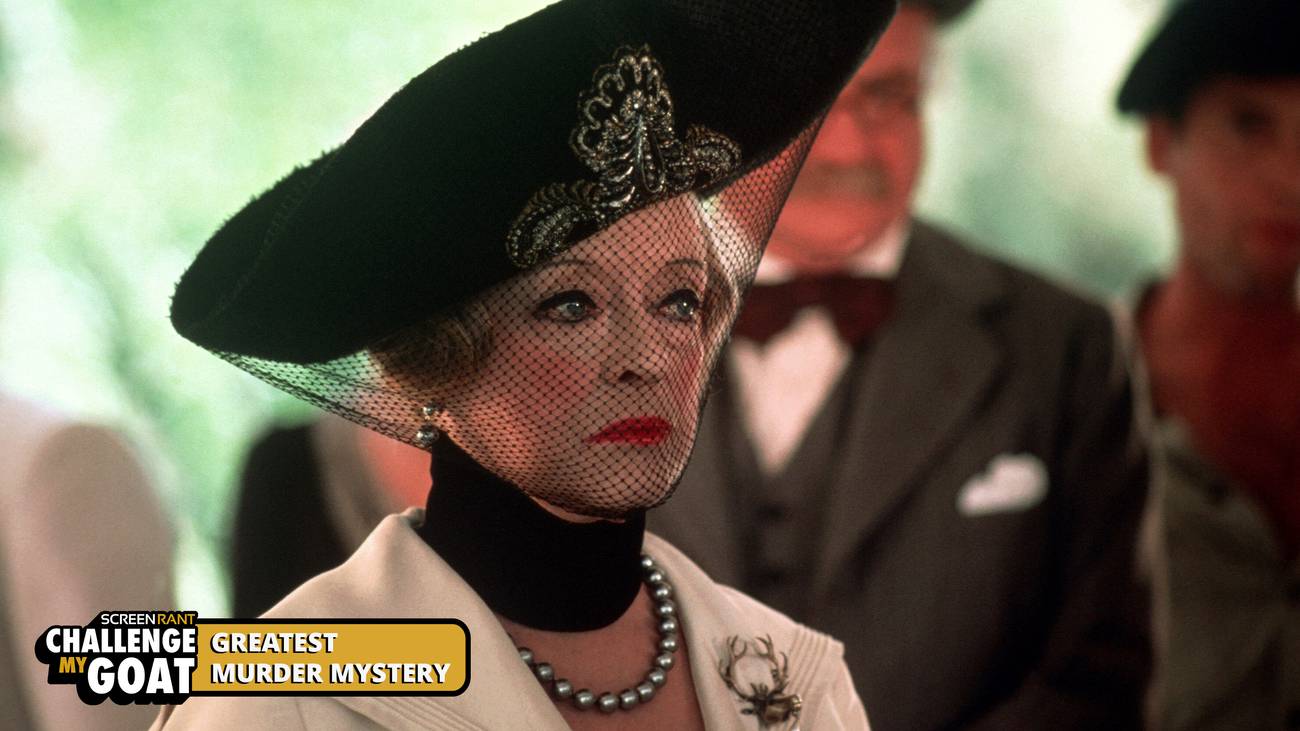
As a fan, I always loved how this movie took Agatha Christie’s already brilliant mystery and really showed it off on screen. Johnson points out that the screenwriter, Shaffer, was key to that – he managed to keep all the clever twists from the book while also embracing the glamour of Hollywood. Johnson admits the book is fantastic to begin with, but the movie adds another layer – it knows it’s a big, flashy production with a star like Bette Davis, and that self-awareness is just incredibly entertaining. It’s like the movie is in on the fun of being a big Hollywood event, and that’s a big part of what makes it so special.
Anthony excelled at writing murder mysteries, displaying both intelligence and cleverness. Johnson points out his talent for quickly revealing crucial details, which director Guillermin then brought to life by filming on location. Johnson particularly praises how efficiently the story introduces the central love triangle and highlights the impressive authenticity of the pyramid scene – the lovers are genuinely riding horses towards the pyramid, captured through real location photography, not a set recreation. It’s a remarkably effective and visually stunning approach.
Even though the film was shot on location with a lot of energy, director Douglas Jackson created a feeling of dread throughout. He describes this as a sense of impending doom, highlighted by a memorable scene where the characters walk silently through an ancient temple. This sequence builds tension as the audience anticipates someone attempting to kill another character by pushing a large stone. It’s a striking scene relying on silence and the visual of small groups moving between massive pillars.
It’s more than just clever conversations. The film also includes these small, brilliant moments – reminiscent of Hitchcock – that show me these movies can really try anything and succeed.
Johnson describes the film as incredibly effective and genuinely enjoyable. He says it’s “an absolute blast,” noting that it understands the audience is there to have fun. Even the more serious or dramatic moments are done with a playful and engaging touch.
Johnson explains he’s intentionally making the kinds of movies he is now because, at their core, that’s what they should always be about: even when dealing with serious or intense themes, they should still be fun and enjoyable.
You can find all episodes of the Challenge My GOAT podcast, including this one, on these platforms:
- YouTube
- Spotify
- Amazon
- Apple
- iHeartRadio
- Player FM
- Podbean
Read More
- Clash Royale Best Boss Bandit Champion decks
- Vampire’s Fall 2 redeem codes and how to use them (June 2025)
- M7 Pass Event Guide: All you need to know
- Clash Royale Furnace Evolution best decks guide
- Mobile Legends January 2026 Leaks: Upcoming new skins, heroes, events and more
- Clash of Clans January 2026: List of Weekly Events, Challenges, and Rewards
- Best Arena 9 Decks in Clast Royale
- Brawl Stars Steampunk Brawl Pass brings Steampunk Stu and Steampunk Gale skins, along with chromas
- How “Hey Grok” turned X’s AI into a sexualized free-for-all
- Clash Royale Witch Evolution best decks guide
2025-12-12 19:29