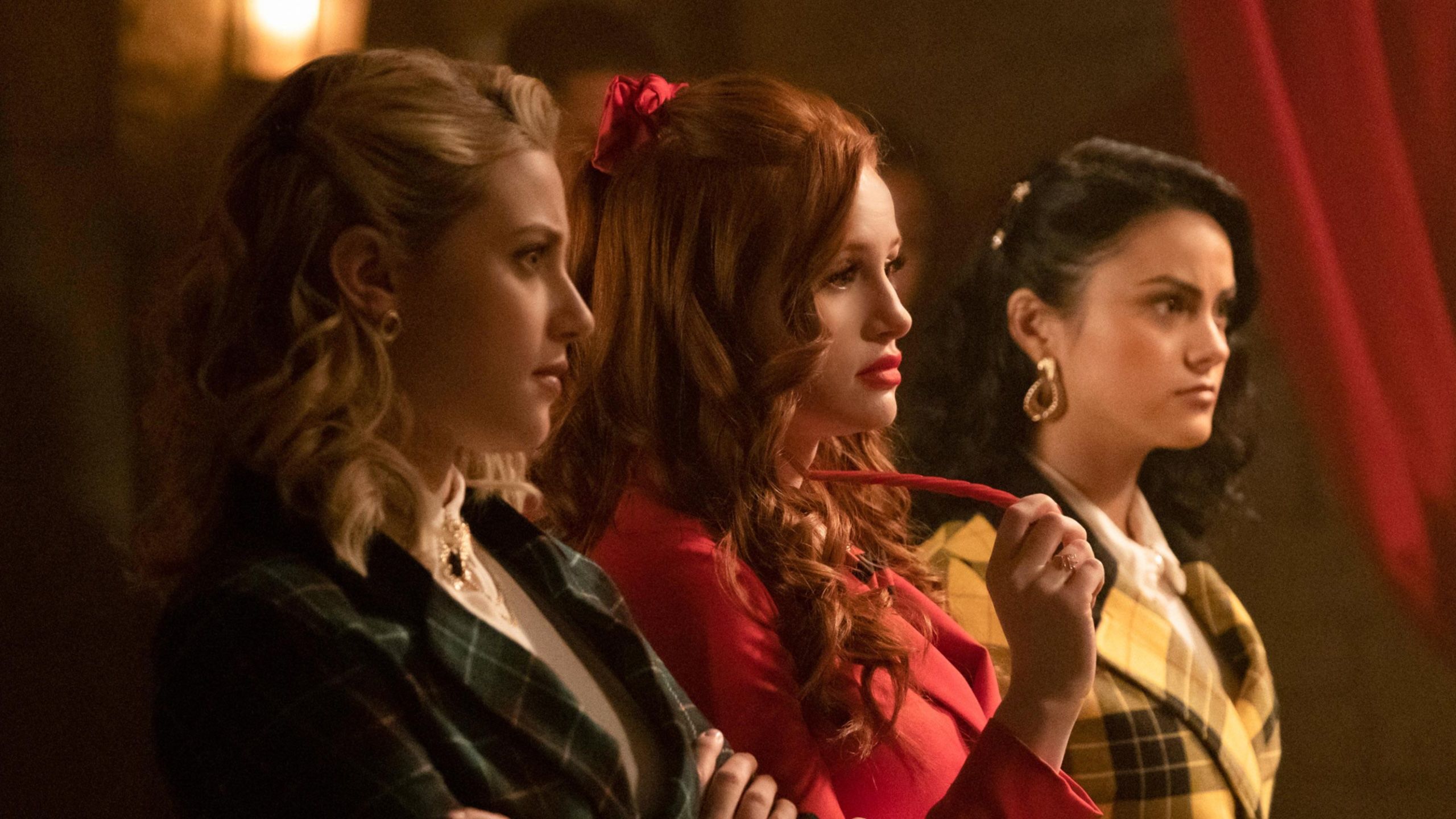
While Twin Peaks was a groundbreaking and ambitious show, another murder mystery set in a small town actually surpassed it in scope. The idea of ‘going bigger’ has always been a driving force in television – from traditional networks to today’s streaming services – with everyone competing to create the most expansive and captivating fictional worlds, even if it makes the story itself more complicated.
Fantasy shows like The Witcher, Castlevania, Game of Thrones, and the upcoming Harry Potter series are known for creating incredibly detailed worlds, which can sometimes hinder the story’s progress. But it’s not just fantasy – some mystery shows are equally ambitious in their worldbuilding. Series like Lost, The Leftovers, and Stranger Things all tell large-scale stories with broad, expansive worlds.
Before shows like those mentioned, Twin Peaks, created by David Lynch and Mark Frost, changed television by taking big risks with its story. It began as a typical small-town drama, but quickly evolved when Agent Dale Cooper, played by Kyle MacLachlan, arrived and brought a detective element to the show. Twin Peaks then blended in fantasy, psychological horror, quirky humor, and even surreal science fiction. While ambitious, this mix was later surpassed – arguably – by the series Riverdale.
Riverdale Season 1 Was An Extended Twin Peaks Homage
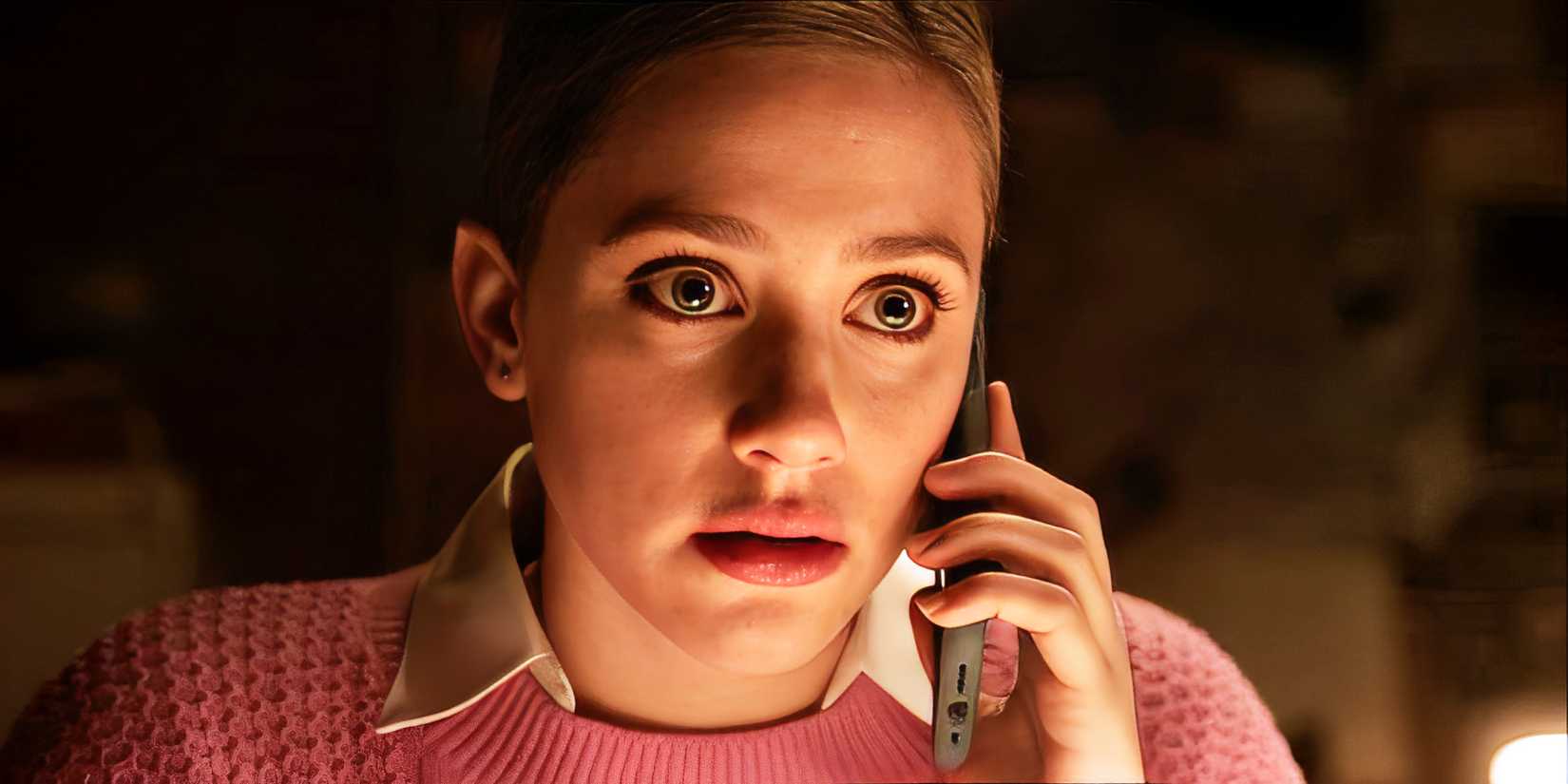
The first season of Riverdale clearly drew inspiration from Twin Peaks in several ways, including character names, the small-town setting, and the main plot. Both shows are named after the towns where they’re set, and both begin with the discovery of a popular teenager’s body, which leads to the uncovering of hidden secrets among the town’s residents. Riverdale, like Twin Peaks, also focuses on both a group of teenage characters and the adults who live in the town.
Riverdale openly drew inspiration from the iconic show Twin Peaks, referencing it frequently. But it wasn’t alone – shows like Castle Rock, Desperate Housewives, and Pretty Little Liars also clearly paid homage to Twin Peaks. Beyond just references, Riverdale also mirrored Twin Peaks’ overall style, combining dramatic teen storylines with a central murder mystery. Unfortunately, Riverdale also made the same key error that ultimately hurt Twin Peaks.
Riverdale Became Far More Surreal and Ambitious With Each Season
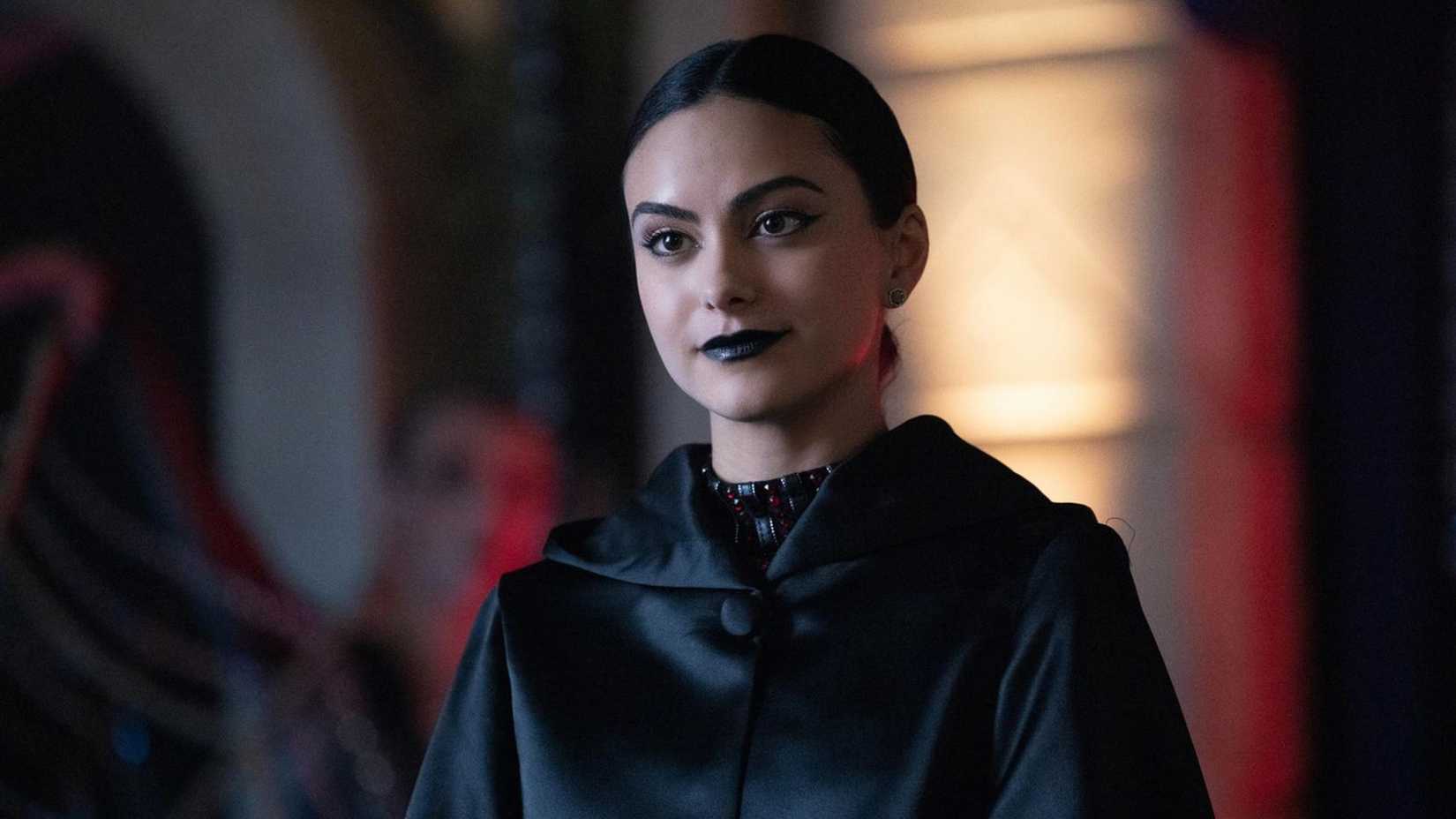
The recent revival of Twin Peaks, though brilliant, ultimately fixed the problems of its second season. Twin Peaks season 2 famously lost its way after revealing who killed Laura Palmer. While the reveal was a powerful moment, the episodes that followed felt aimless until a surprising finale. Later seasons of Riverdale made a similar mistake, but on a much larger scale.
What made Twin Peaks so captivating was its deliberate ambiguity – the show rarely offered clear explanations, and it defied easy categorization. While it certainly had frightening scenes, it avoided typical horror tropes like demons or ghosts. This made it difficult to label as a simple horror-crime drama like Supernatural, The X-Files, or Buffy the Vampire Slayer.
As a total teen drama fan, the stories with Audrey, Bobby, and James? Seriously good stuff – right up there with shows like Dawson’s Creek or Degrassi. But honestly, the show kept cutting away to Coop and the police stuff for way too long, so it never felt like a true teen series. Riverdale tried something similar, but it went way over the top. It was just… weirder and more all over the place. I mean, Season 2 had a masked killer, and then Season 3 threw in a cursed game and a cult? It just got bonkers.
Just as viewers began to understand that Riverdale had become a dark, mystery-focused show similar to Hannibal and True Detective, the plot took a completely unexpected turn. Season 3 threw in a second cult involved in organ harvesting, a secret society of homophobic nuns living in underground tunnels, an intense fight between Archie and a bear, and an illegal boxing ring operating within the local prison. Things got even stranger in seasons 4 through 6, with the introduction of superpowers, alternate universes, time travel, demonic possession, and eventually, a story arc that sent the characters back to the 1950s.
Why Riverdale Changed So Much Later On
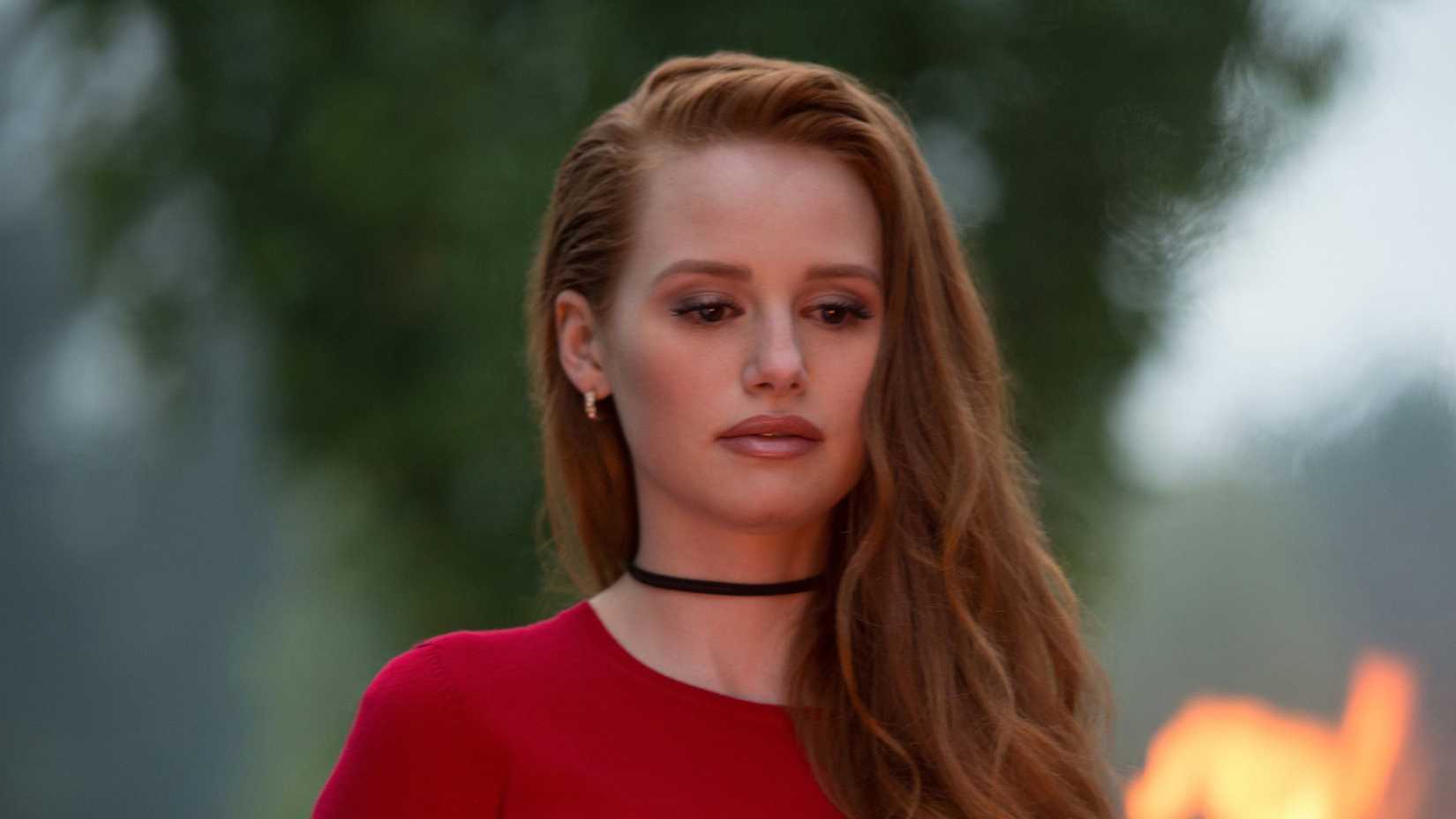
There were moments when Riverdale was so over-the-top, it was enjoyable, and that’s what kept some viewers watching. But even one of the actors acknowledged that the later seasons weren’t essential. Unlike Buffy the Vampire Slayer, which always embraced its fantastical elements, Riverdale began as a realistic teen drama. While it became more exaggerated than shows like 13 Reasons Why, it initially felt rooted in a believable world.
The show’s viewership increased at the beginning of season two with the introduction of the Black Hood, a masked villain who raised the stakes. After that, Riverdale became focused on delivering increasingly dramatic and unbelievable twists with each season and episode, ultimately losing touch with reality. Unfortunately, the show proved that more isn’t always better. Riverdale reached its peak around season two, becoming as strangely captivating as Twin Peaks, but quickly devolved into pure, nonsensical entertainment with no real tension.
The acting was still good, especially from Madelaine Petsch, but the show became increasingly silly, making it hard to connect with the characters. While Netflix’s new live-action Scooby-Doo series shows the Riverdale style is still popular, this show, which had the potential to be like Twin Peaks for a younger audience, ultimately failed because it kept trying to top itself with bigger and bigger twists each episode.
2026-05-30 16:09