While Bram Stoker’s Dracula is the most famous vampire novel, Anne Rice’s The Vampire Chronicles series was equally important in growing public fascination with vampires and horror. Stoker made vampires popular in 1897, but Rice reimagined them in 1976. Over time, though, movies, TV shows, and other media have built upon the classic Dracula image of dark, gothic monsters.
The film Interview with the Vampire featured a talented cast including Brad Pitt, Tom Cruise, and Kirsten Dunst. However, many fans felt it didn’t stay true to Anne Rice’s original Vampire Chronicles novels. More recently, the AMC series Interview With the Vampire has demonstrated that vampires can be complex characters—far beyond simple stereotypes like Dracula or Edward Cullen. These vampires are dramatic, deeply flawed, often toxic and deceitful, yet still captivatingly beautiful.
Vampires Have Long Been Represented on Television
Vampires have been popular in storytelling for decades, featuring prominently in books like The Vampire Chronicles and The Twilight Saga. In film, iconic vampire stories include classics such as Nosferatu and Bram Stoker’s Dracula, as well as more recent hits like Interview with the Vampire, Blade, and Twilight. A new version of Nosferatu was released in 2024. While television largely missed out on the vampire craze until the mid-1990s, Buffy the Vampire Slayer, which premiered in 1997, changed everything.
Buffy was a game-changer for supernatural shows, arguably even more so than the 1994 film Interview with the Vampire. It presented a fresh take on vampires and other creatures of horror. Following its success, many television series attempted to combine elements from both Buffy and the later hit Twilight, hoping to replicate its popularity.
These shows initially focused on love stories and exciting conflicts, leading to popular series like True Blood, The Vampire Diaries, and The Originals. However, as time went on, producers started prioritizing those elements over original concepts, well-written scripts, and solid storytelling.
Television hadn’t seen a truly fresh take on vampires until 2019, when the show What We Do in the Shadows arrived. This comedy, filmed like a documentary similar to The Office, portrayed vampires not as glamorous or brooding figures, but as silly and often inept characters.
I was completely captivated when Interview With the Vampire arrived in 2022 – it truly reinvented how we see vampires! It took everything I love about classic gothic horror and grounded it with incredibly relatable, complex characters. The show is visually stunning, but also brilliantly unsettling because it really explores what living forever with immense power would actually feel like.
The Vampire Lestat Steps Away From Interview With the Vampire
The show Interview With the Vampire tells the story of Louis de Pointe du Lac over two seasons, focusing on his relationship with his maker, Lestat. While the series initially sparks interest and promises to be captivating, it struggles to fully connect with the audience, leaving viewers feeling somewhat distant.
It soon becomes apparent that Louis isn’t telling the truth, and that explains a lot. Because his version of events isn’t accurate – he’s either misremembering things or being misled – it’s hard for the audience to truly connect with his story.
The show presents a unique idea, and once viewers understand that, they can really get invested – even though most of the characters, including Louis, aren’t particularly likable. Despite being told through Louis’s perspective, which isn’t kind to Lestat, it’s clear that Lestat is the most compelling and lively character in the series. That’s why after Louis finishes his interview with the journalist Daniel, the story should shift focus to Lestat and explore his own experiences.
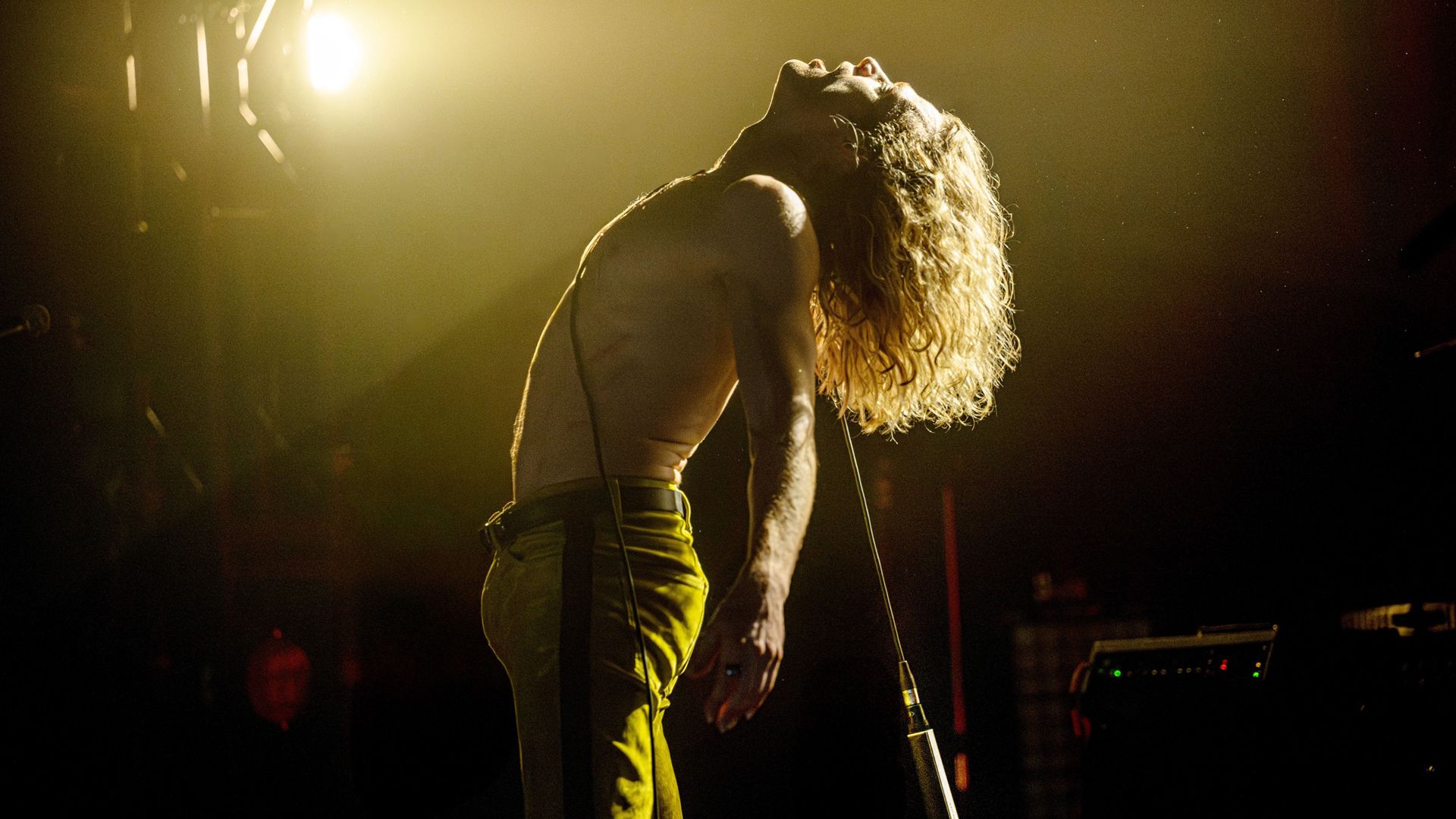
What sets The Vampire Lestat apart? The show’s earlier seasons were known for being dark, atmospheric, and realistically violent. This new season is a complete departure – it’s vibrant, sensual, energetic, and visually lavish, with a rock concert feel. And while vampires have always been complex characters, this season explores their flaws, darkness, and cruelty in even greater depth.
People are feeling increasingly lonely and sad. The story uses well-crafted flashbacks, but the protagonist’s history eventually comes back to haunt him.
What’s Next For Lestat de Lioncourt?
By the end of The Vampire Lestat, it feels like anything is possible. The story leaves many questions unanswered – we don’t fully understand what will happen because of Lestat’s planned concert, his motivations for holding it, or even why the music played throughout the show is titled “The Failures,” though that last part is somewhat hinted at.
One reason this approach is so effective is that horror fans generally enjoy a good mystery. But it also works because viewers are more invested in the characters’ stories. For example, over three seasons of shows like Interview With the Vampire and The Vampire Lestat, fans are really hoping to see the complicated, yet compelling, relationship between Louie and Lestat rekindled and officially confirmed.
The possibility of a reunion doesn’t feel so distant, considering the characters briefly explored getting back together during the show. Of course, that was before they were decapitated and reattached! This detail subtly hints that only Lestat and those he created are capable of surviving such an injury, leaving fans with something to consider.
At first glance, viewers might have focused on the violence and sad love story. However, the real brilliance lies in how the writing subtly builds foundations for much larger stories to unfold later.
While it might seem like the ending of The Vampire Lestat left some questions unanswered, those familiar with the source material know that’s not entirely the case, as both it and Interview With the Vampire adhere to a specific pattern. However, as this adaptation demonstrated, a distinctive visual and artistic style can be crucial for creating a truly great television series.
I truly believe this show has the potential to define vampire television for years and years. It feels like we’re witnessing the birth of the next Buffy, something really special that will set the bar for everything else.
2026-07-23 17:37