Television shows often follow unwritten rules, and audiences can usually tell when those rules are bent or broken. When Game of Thrones premiered on HBO in 2011, its first season was a captivating adaptation of George R.R. Martin’s A Song of Ice and Fire. But viewers who hadn’t read the books were in for a shock.
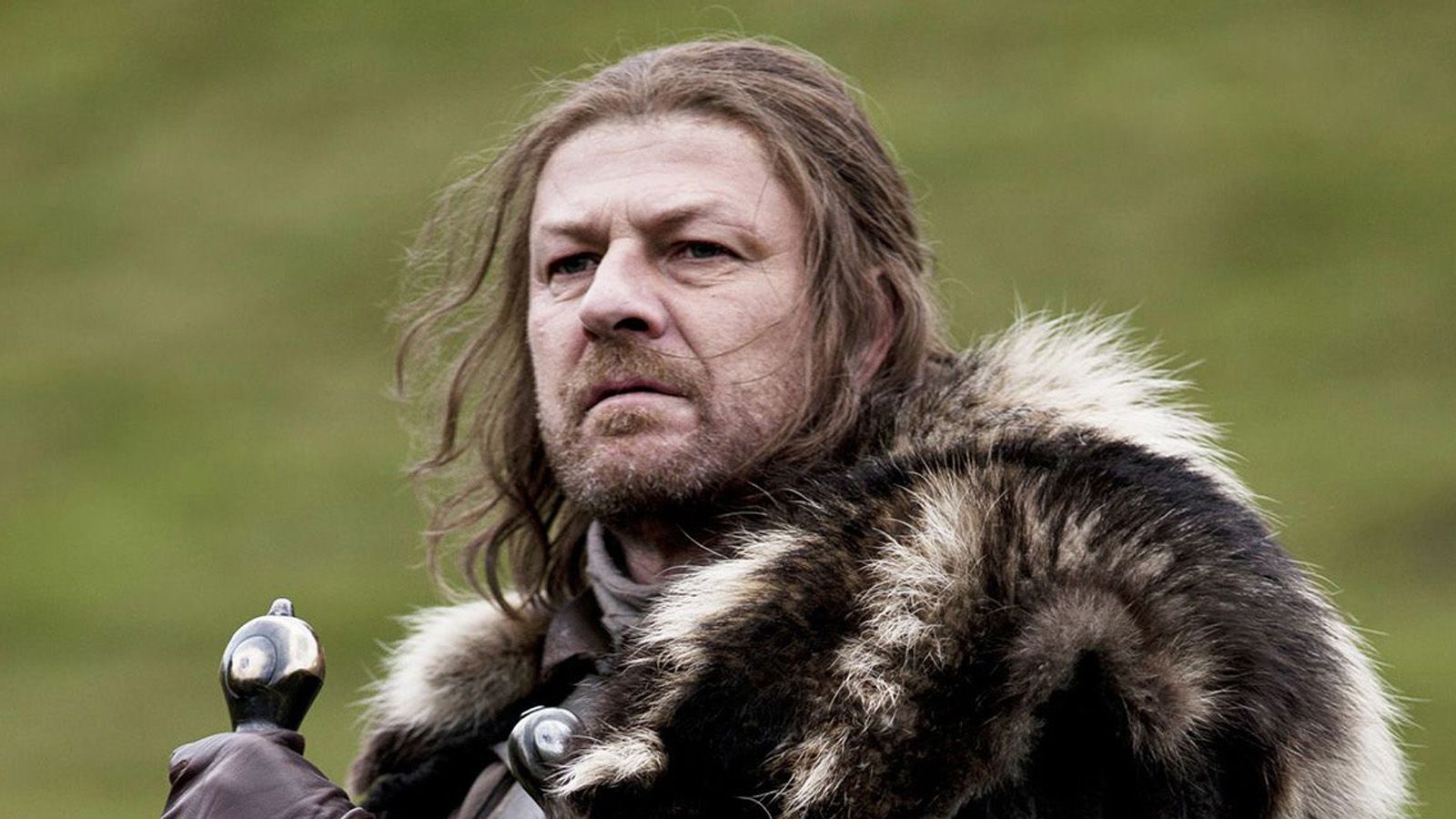
As a huge fan of Game of Thrones, I remember watching the very beginning and feeling absolutely certain that Sean Bean’s Ned Stark was going to be our main guy. Everything in that first season seemed to point to his story being the central one. But boy, was I – and everyone else – in for a shock! It was a brilliant move by the showrunners to make us think that, because the ninth episode of season one completely flipped the script in a way no one anticipated. It wasn’t Ned’s story at all, and that twist really changed how we watched TV.
Game of Thrones Season 1 Isn’t One Man’s Story, It’s an Establishment of Legacy
The first season of Game of Thrones is skillfully designed to mislead viewers. Those familiar with George R.R. Martin’s books knew the story wasn’t truly about Ned Stark as a hero, but about the impact of his life. Even the first book hints at this, but the show really reveals its nature when it becomes clear that no character, not even who seems like the main one, is safe. This realization is when Game of Thrones truly shows what it’s about.
Ned Stark, the Warden of the North, was presented with a deserter from the Night’s Watch by his soldiers, who expected him to deliver justice – which, in this case, meant execution. As Ned beheaded the man, his three sons and ward watched, witnessing the weight of his authority. Bran, the youngest, was seeing this for the first time, and his older half-brother, Jon Snow, cautioned him to watch closely, explaining that their father would know if he looked away.
Ned then speaks with Bran to explain his actions, emphasizing that as Warden of the North, it’s his responsibility to both deliver and enact justice. This situation mirrors a later event in Episode 9, where Joffrey Baratheon sentences Ned to death but refuses to personally carry out the execution.
This smart move in the first episode of Game of Thrones briefly highlights the real hero of the story and emphasizes how important Ned Stark’s influence is on his children. The scene between Ned and Bran also subtly suggests that Bran will ultimately be the main character.
Game of Thrones Juggles Multiple Character Perspectives from the Start
Martin’s sprawling fantasy story is captivating because of its many well-developed characters, each taking center stage in turn. Right from the beginning, the story shifts perspectives, showing events through the eyes of whoever is most important at that moment.
Throughout the series, alliances shift and enemies become allies, particularly with characters like Jon Snow and Tyrion Lannister who are outcasts from their own families. Meanwhile, Daenerys Targaryen, exiled in the east, is gathering strength to reclaim the Iron Throne. Despite being young, she’s underestimated by the various groups fighting for power in Westeros, as they brutally compete for a throne that arguably doesn’t rightfully belong to any of them.
Before he died, Game of Thrones led viewers to believe Ned Stark was the central character, then shockingly killed him off. This event shattered the Stark family, and the show then followed each member as they struggled to survive in a world without their father. What’s unique is that each storyline felt like the main plot, deeply exploring the characters and making you feel invested in their individual journeys.
Game of Thrones’ Rule-Breaking Format Changed TV Forever
With the situation in Westeros becoming increasingly chaotic, it’s easy to lose sight of how the story began with Ned Stark. As the current events unfold and mysteries are solved, viewers are briefly reminded of the very first episode, “Winter Is Coming,” and Ned’s decision to entrust Bran with a heavy responsibility after dealing with a deserter.
Subscribe for More Insider TV Storytelling Breakdowns
Subscribe for More Insider TV Storytelling Breakdowns
As a total movie buff, I’m happy to sign up for their newsletter and occasional emails about cool film stuff. And don’t worry, I know I can easily unsubscribe whenever I want – that’s good to know!
The unexpected turn of events shocked viewers, with many feeling it came completely out of nowhere. However, revisiting the events of Season 1 sets the stage well, particularly the attempt on a young boy’s life. The fact that this boy—Ned Stark’s son, who almost died or was left paralyzed—was the victim merely foreshadowed the shocking execution of Ned Stark in the ninth episode.
Martin’s masterful storytelling allowed him to successfully break from typical narrative structures, a skill that proved invaluable when HBO adapted his work for television. Managing a large cast of important characters was a challenge, but the network succeeded in making viewers emotionally invested in everyone, even those with brief appearances before meeting a tragic end.
Read More
- Clash Royale Best Boss Bandit Champion decks
- Vampire’s Fall 2 redeem codes and how to use them (June 2025)
- World Eternal Online promo codes and how to use them (September 2025)
- Mobile Legends January 2026 Leaks: Upcoming new skins, heroes, events and more
- How to find the Roaming Oak Tree in Heartopia
- Best Arena 9 Decks in Clast Royale
- ATHENA: Blood Twins Hero Tier List
- Clash Royale Furnace Evolution best decks guide
- Brawl Stars December 2025 Brawl Talk: Two New Brawlers, Buffie, Vault, New Skins, Game Modes, and more
- Clash Royale Season 79 “Fire and Ice” January 2026 Update and Balance Changes
2025-12-26 07:39