
Even after 25 years since their debut album, “Is This It,” The Strokes are more popular than ever. Their appeal isn’t limited to fans who remember their early 2000s garage rock heyday; you’ll now see a much younger crowd at their concerts – they’re playing arenas and headlining festivals. Julian Casablancas, the band’s singer, is even gaining attention with his posts on social media. Interestingly, The Strokes’ most popular song on Spotify isn’t one of their older hits like “Last Nite,” but rather “The Adults Are Talking,” released during the pandemic. This shows they’ve connected with a new generation in a way few bands from their era have.
What could be a more perfect moment to release an album packed with obscure humor, unusual vocal styles, and hints of conspiracy theories?
The Strokes’ new album, “Reality Awaits,” is their first full-length release since their Grammy-winning 2020 record, “The New Abnormal.” It’s arguably their most experimental work yet. The album kicks off with the eerie track “Psycho S—,” where Julian Casablancas uses heavy AutoTune to set a dark and unsettling mood. Other highlights include the dreamy, robotic ballad “Falling Out of Love,” which evokes dancing alone in the rain, and “Liar’s Remorse,” a stripped-down song about the dangers of AI, sung surprisingly in a forced Caribbean accent.

Entertainment & Arts
The song “Lonely in the Future” features Julian Casablancas mentioning John Legend and Josh Groban, seemingly criticizing Harry Styles for using a similar beat to The Strokes’ “Hard to Explain,” and also telling music critic Anthony Fantano that he lacks the ability to appreciate true art, regardless of the era.
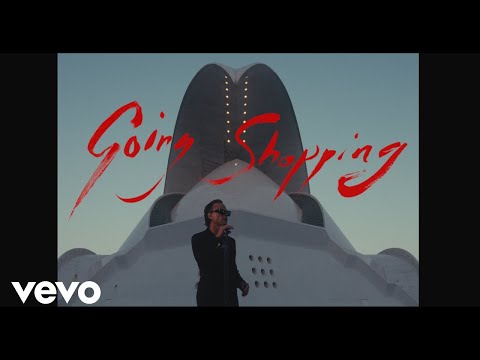
“Reality Awaits” doesn’t quite sound like a typical Strokes album; it feels more like Julian Casablancas exploring his own musical ideas, similar to his work with The Voidz – a band he’s used over the past ten years to express more direct and critical thoughts about society. The lead single, “Going Shopping,” seems to look down on people who aren’t concerned enough about what Casablancas sees as the growing power of the wealthy, suggesting they prioritize possessions over real issues: “The worse things get, the less people want to listen / It’s hard to care about others when you have a comfortable life.” The fact that “Going Shopping” is the album’s most upbeat song – and its music video playfully recreates Paul Simon’s “You Can Call Me Al” – actually makes this criticism even stronger.
 ×
× Occasionally, The Strokes still deliver performances like their incredible set at Coachella. They fall into that signature groove – tight, energetic, and precise – that’s defined them from the start. Songs like “Dine N’ Dash,” “Going to Babble On,” and “Lonely in the Future” are just a joy to listen to, with sharp guitar work layered over a really clean and quick rhythm section. Despite taking inspiration from other bands, The Strokes have a unique sound all their own. Even when they nod to others – like on “The Fruits of Conquest,” which brings to mind early Maroon 5 covering the Rolling Stones’ “Miss You” – it still sounds distinctly like them (and that’s meant as a good thing!).
The Strokes’ consistent and recognizable sound might explain their experimental choices on the album “Reality Awaits.” Alternatively, you could see them using their established success to explore new creative ideas. Regardless, Julian Casablancas doesn’t seem overly concerned with staying relevant in the song “Going Shopping.” He sings about questioning his purpose, reflecting, “I’ve been thinking about what I want to say, but I feel old – or at least that’s what people are saying.”
2026-07-27 20:31