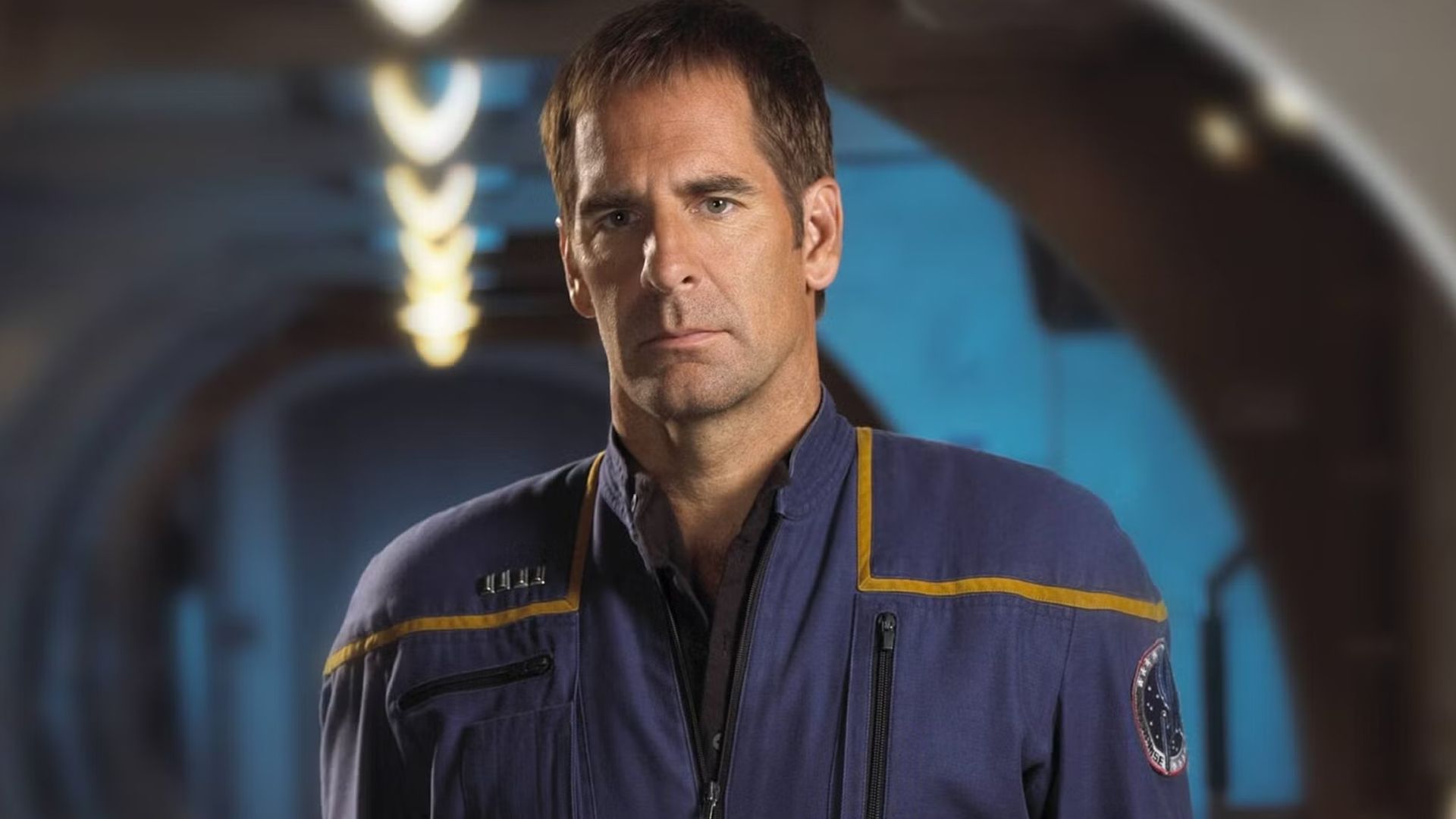
When Enterprise first aired, many involved with Star Trek worried the franchise was losing its appeal. However, the show ultimately proved how to revitalize the series by successfully blending established storylines with innovative concepts, a feat largely attributed to the work of Manny Coto in the final season.
Despite only lasting four seasons, Star Trek: Voyager wasn’t a poorly made show—the real issue was with the UPN network, which aired it. The first three seasons generally stood alone, without heavy connections to established Star Trek storylines. However, when Manny Coto became involved, the show started actively incorporating those connections, and many felt it finally began fulfilling its potential.
How Enterprise Can Be the Blueprint for Future Star Trek Shows
The series Strange New Worlds has attempted to add to the established Star Trek universe, but some fans feel these new stories contradict or don’t honor the original canon.
The original Star Trek series, Enterprise, also received similar criticism at first. Some viewers felt the Vulcans were portrayed as more hostile towards humans than friendly, and questioned their use of mind-melds. The show later addressed these concerns in Season 4 with a three-part story arc that revealed how T’Pau, a character first seen in the episode “Amok Time,” played a key role in rebuilding Vulcan society.
Some argue that Star Trek shouldn’t create any more stories set in the past. However, writers can always find ways to tell compelling, new stories that also enrich the Star Trek universe, no matter the time period. For example, Enterprise showed what it was like when Starfleet was only made up of humans.
The series initially presented a compelling vision of the galaxy’s evolution. However, the abrupt cancellation failed to deliver on that potential. While Strange New Worlds seemed to be building towards a larger, “long game” narrative, audiences generally aren’t willing to wait that long for a payoff.
Season 4 of Enterprise told stories in shorter blocks, usually three or six episodes. Each story would start by questioning established facts, but quickly tie the new ideas back to the show’s existing history. This makes it seem, to newer viewers, as if these interconnected storylines were planned all along, rather than a happy accident made possible by the writers’ deep understanding of the Star Trek universe.
Manny Coto Knew Enterprise Should Embrace Star Trek’s Past, Not Run From It
Developing Enterprise was challenging, mainly because co-creators Rick Berman and Brannon Braga had only two weeks to start production after Star Trek: Voyager finished. They aimed for a fresh approach to prevent the series from becoming repetitive. While the United Paramount Network wanted a similar “ship-of-the-week” format, they didn’t allow the producers enough time to build a new production team.
For nearly twenty years, they consistently produced challenging and fast-paced television, while Coto had spent his entire life hoping for a chance like this.
According to the bonus content on the Star Trek: Enterprise Blu-ray release, the producers didn’t hire him because of his science fiction experience. Surprisingly, it was his work on the horror film Dr. Giggles that impressed them. But Enterprise ultimately found success, much like a perfect pairing. While Braga and Berman had a strong understanding of Trek’s history, Coto truly grasped what made the franchise work and recognized what Enterprise needed to capture the spirit of The Original Series.
Okay, so after Berman and Braga took a step back, Ronald D. Moore’s writing partner, Mike Sussman, really took the reins on Enterprise. Honestly, Season 4 was the show at its strongest – he crafted some fantastic stories that really connected to things we already loved about Star Trek, even though Enterprise was set before everything else, so it was all about foreshadowing the future!
Manny Coto Didn’t ‘Save’ Enterprise, but He Did ‘Redeem’ It for Fans
Coto guided the creative team to explore Vulcan, blending the sometimes frustrating portrayal of Vulcans in Enterprise with the more empathetic and logical aliens that fans had come to love. He also introduced the idea of genetically engineered humans, referencing characters like Khan Noonien Singh to enrich the storyline.
Coto cleverly used that story to explain why the Klingons looked different between the original 1966 series and the later movies and The Next Generation – it provided a logical reason for the change in special effects makeup. While it wasn’t enough to revive the struggling series on Paramount, the core Star Trek storyline remained intact.
In interviews about the show’s extras, Braga hesitantly acknowledged that Coto may have actually created the series they should have been making all along. Rather than trying to distance itself from the original Star Trek, Coto built a show that genuinely felt like an origin story for the world of Kirk, Spock, and the crew.
Manny Coto, who recently passed away at 62, showed – much like Ronald D. Moore before him – that a genuine love for Star Trek didn’t prevent creating fresh, compelling stories. Following in the footsteps of Michael Piller, another talented writer lost too soon, Coto revitalized a series many had dismissed, transforming it into something exceptional. His impact on the genre was profound, and his loss is deeply felt, comparable to the passing of Star Trek’s creator, Gene Roddenberry himself.
The franchise isn’t in trouble, but future writers and creators need to regain the trust of fans who are disappointed with recent installments. Over time, people will inevitably…
A good way to regain fan trust is to address any plot points that contradict established storylines within a few years. Once fans feel their concerns are being heard, they’ll be more open to new and surprising directions for Star Trek. Enterprise provides a great example of how to successfully pull this off.
You can now watch all of Star Trek: Enterprise on Paramount+. It’s also available to purchase digitally, or on Blu-ray and DVD.
2026-05-30 13:07