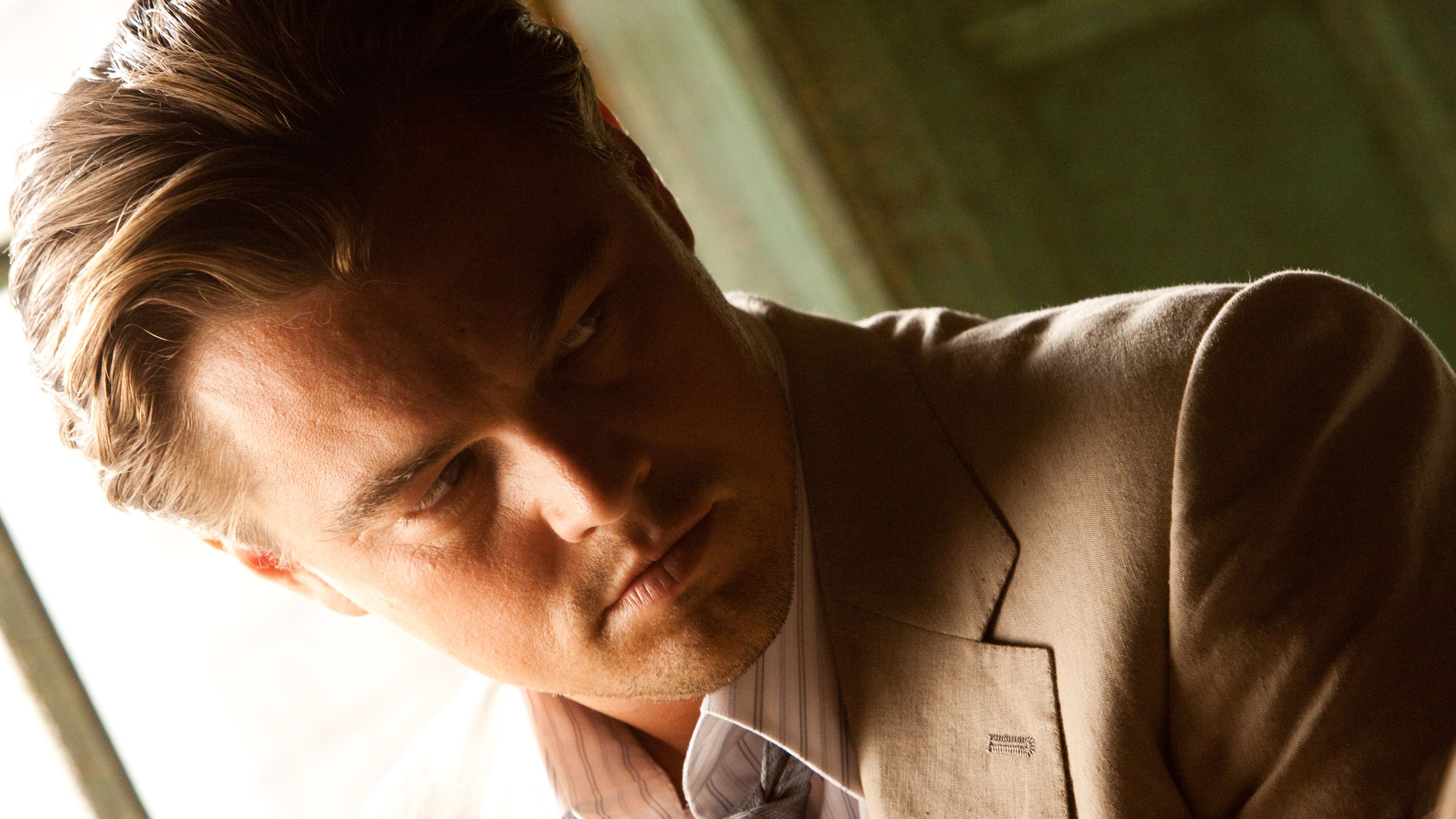
A toy top wobbles on the verge of falling. A man consumed by vengeance starts his pursuit again. And a beloved butler sees something that might not be real.
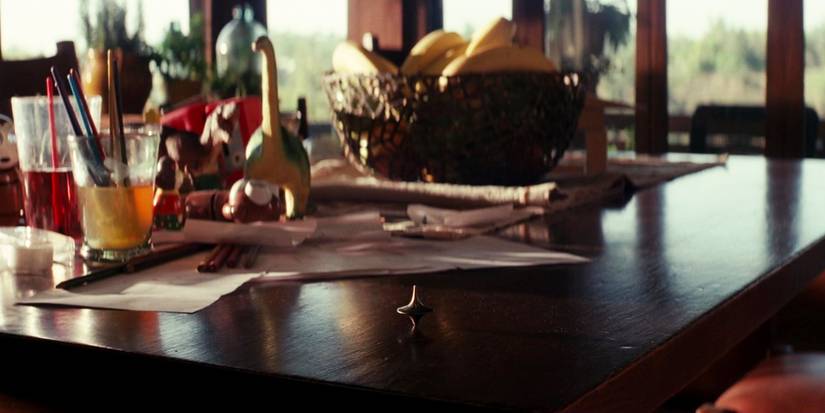
This acclaimed director is famous for creating large-scale, visually stunning films with complex stories and often leaves viewers pondering the meaning with open-ended conclusions. A prime example is the ending of Inception, where it’s unclear if Leonardo DiCaprio’s character, Cobb, truly returns to reality and his children. The film ends right before a key object—a spinning top—falls, leaving his fate ambiguous.
This week, all eyes are on Christopher Nolan as his latest big film, The Odyssey, has been released in cinemas. In an interview, Nolan explained why he avoids explicitly explaining the ambiguous endings of some of his movies. “I don’t want to tell people what to think,” Nolan stated on The Daily Show.
Christopher Nolan intentionally keeps certain plot details ambiguous, even if fans crave clear answers. He does this to make the movie more engaging and, as demonstrated by films like Inception, more memorable. For this approach to be effective, Nolan needs to know the ‘truth’ himself, a lesson he learned early in his career. You can read his complete explanation below.
I often find myself wrestling with open questions and multiple possibilities in my work. It’s crucial for me to arrive at a personal understanding, a conviction about the ‘answer,’ otherwise those ambiguities become frustrating rather than thought-provoking. Think of the ending of Inception – the spinning top sparks endless debate. I learned a valuable lesson early on with my film Memento. It was based on a story by my brother, Jonathan Nolan, and we premiered it at Venice. After the screening, people immediately focused on the ambiguous ending, and I offered my interpretation after saying it was intentionally open to viewers. My brother pointed out that audiences only heard my answer, not the initial disclaimer about letting them decide for themselves. He warned me that my explanation would overshadow everything else, and he was right. From then on, I’ve always avoided imposing a definitive meaning onto deliberately ambiguous endings.
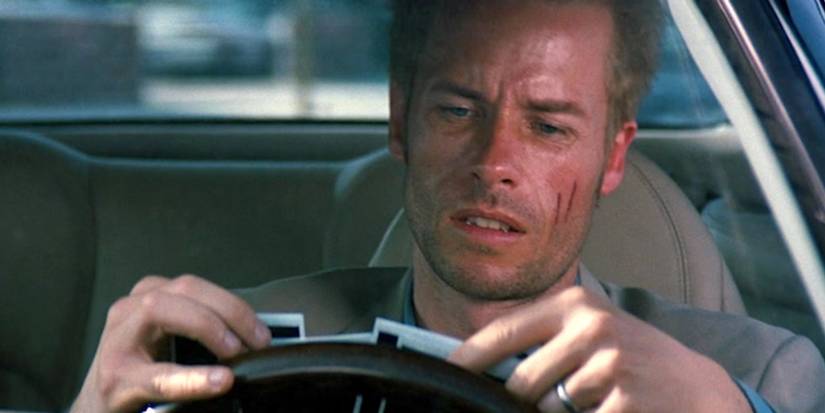
The ending of Memento reveals a devastating truth: Guy Pearce’s character, Leonard, actually caused his wife’s death by accidentally giving her too much insulin. But due to his memory loss, he can’t remember doing so and continues believing someone else is responsible. This suggests he’ll be trapped in an endless cycle of seeking revenge, harming others along the way.
After his successful film debut, Christopher Nolan often dodged direct questions about the ambiguous endings in his movies like The Prestige, Inception, and The Dark Knight Rises. Inception was the most critically praised of these, receiving eight Academy Award nominations. Now that Nolan is thinking about directing a horror film, we might see more of his signature open-ended conclusions in the future.
Christopher Nolan’s most recent film was 2023’s Oppenheimer, which earned him his first Academy Award. While Oppenheimer‘s ending is open to interpretation, it differs from typical ambiguous endings because it’s a true story. Now, The Odyssey presents a different challenge altogether, as it’s a large-scale adaptation of the classic ancient poem by Homer.
Christopher Nolan’s upcoming film, The Odyssey, marks a fresh direction for the director, both in its approach to adapting the classic story and in the cast he’s assembled. He’s collaborating with several new faces, including Zendaya, Tom Holland, Lupita Nyong’o, and Jon Bernthal. Audiences will be eager to see how Nolan interprets the myth and how this film stacks up against his previous work.
Christopher Nolan’s The Odyssey is now in theaters.
2026-07-19 23:11