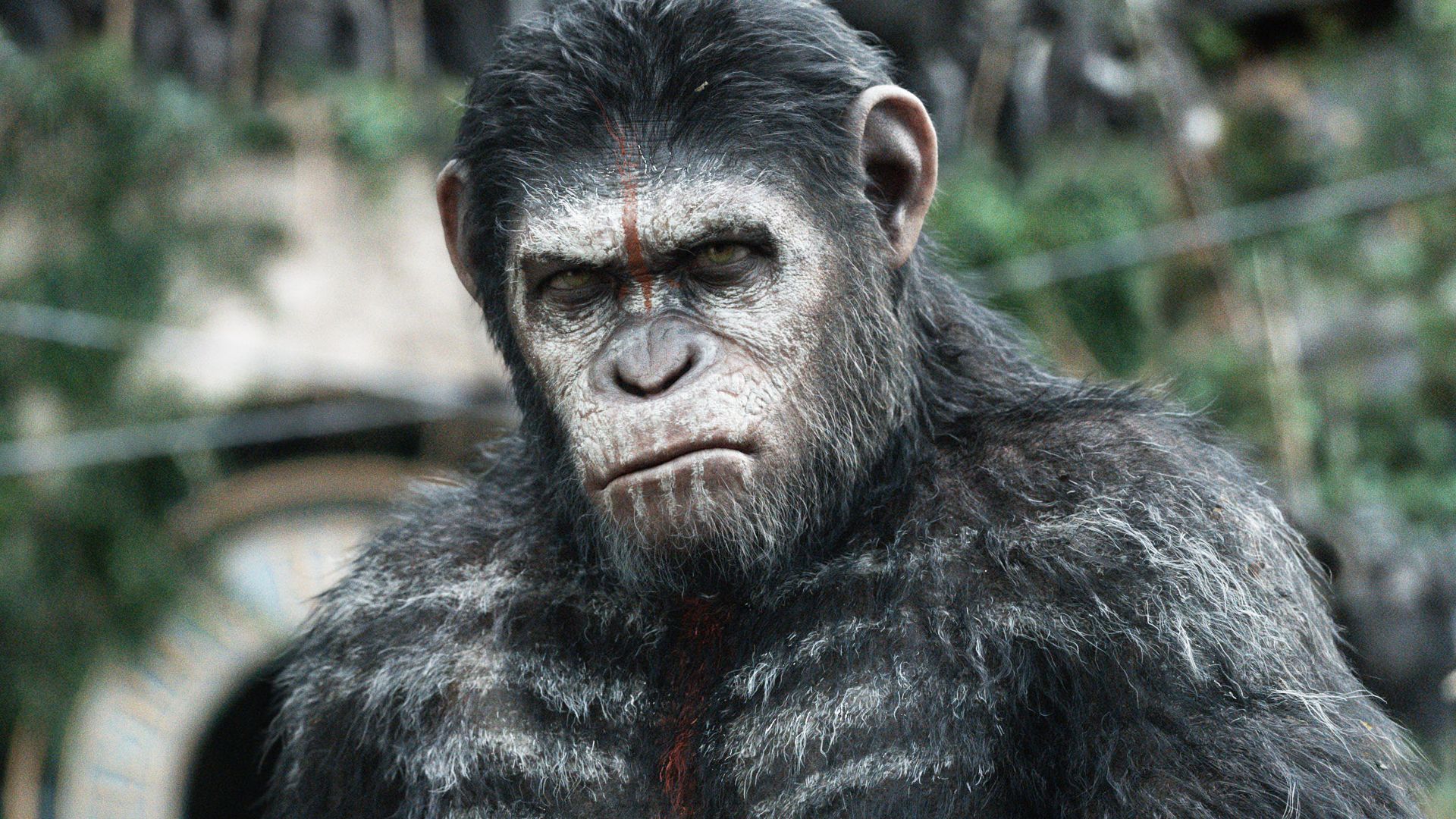
I’ve been a sci-fi fan for years, and while everyone talks about Star Wars and Star Trek, there’s one series that, in my opinion, is far superior. It’s been around for almost sixty years and has consistently delivered amazing stories, even outshining those bigger franchises. With over ten films already made, it’s a really successful dystopian sci-fi universe, and I honestly think it doesn’t get the recognition it deserves.
The first Planet of the Apes film came out nine years before A New Hope and just two years after the premiere of Star Trek: The Original Series. Similar to these iconic sci-fi series, Planet of the Apes has consistently evolved and captivated new audiences, becoming a hugely popular and enduring franchise. It remains influential even today.
Planet of the Apes Is a Bigger and Better Sci-Fi Franchise Than Anyone Realizes
The Planet of the Apes series is a surprisingly strong contender for one of the greatest science fiction franchises ever made. It began in 1968 with a groundbreaking film that broke the mold of the genre. The original movie, starring Charlton Heston, tells the story of astronauts who land on a planet that appears alien, but is actually Earth – a world where apes have evolved to become the dominant species, surpassing humanity.
The Planet of the Apes series has steadily expanded over time, though it hasn’t reached the same level of popularity as franchises like Star Wars. Starting with the first film, the series grew to include four sequels and a TV show, all of which developed the ape society and its connection to the remaining humans.
Despite initial failures and cancelled plans for more films, 20th Century Fox successfully revived the series in 2011 with Rise of the Planet of the Apes. This new beginning led to the films we enjoy today.
What makes Planet of the Apes unique among science fiction stories is its thoughtful exploration of a troubled future. While the films focus on apes, they’re really about the challenges facing humanity as it evolves. The series suggests that even with progress, human nature – and its weaknesses – don’t really change.
The recurring failures of humanity consistently lead to its destruction in each new Planet of the Apes film. The series explores what it means to be human, offering a cautionary tale about how easily one species can take the place of another if circumstances allow.
For nearly sixty years, Planet of the Apes has remained incredibly popular, continuing to resonate with audiences across generations. The franchise, which includes ten films and a television series, has built a devoted following, proving its message is enduring. Though it may not have the same visual spectacle as Star Wars or Star Trek, Planet of the Apes has cultivated a fanbase just as passionate over the last six decades.
The Planet of the Apes Rebooted Timeline Found the Franchise’s Sweet Spot
The Planet of the Apes franchise didn’t truly become successful until many years after it began. The 2011 film, Rise of the Planet of the Apes, revitalized the series by explaining how apes first developed intelligence and eventually surpassed humans. This film launched what fans often call the “Caesar Trilogy,” starring Andy Serkis as the lead ape character, Caesar. It’s this trilogy that cemented Planet of the Apes’ place in science fiction film history.
Caesar’s story across the three films is truly remarkable. We see him grow from an innocent and hopeful ape into a strong, independent leader. However, Dawn of the Planet of the Apes really tests his beliefs when…
War for the Planet of the Apes provides a satisfying end to the trilogy, following Caesar on a desperate journey to protect his family and prevent a human attack. This emotionally engaging story is considered a standout in science fiction and is largely responsible for bringing the Planet of the Apes franchise back to prominence.
As a movie fan, I always feel it’s a huge oversight not to talk about Andy Serkis’s performance as Caesar in the Planet of the Apes trilogy. He’s a master of motion capture – you probably remember him from Lord of the Rings – and he brings so much emotion through all that CGI. It’s incredible how he makes you truly believe Caesar is a thinking, feeling being, someone you connect with over the course of three films. Honestly, it feels like a real injustice that the Academy never even nominated him for an Oscar for that groundbreaking work. It was truly amazing!
The recent Planet of the Apes films, particularly the Caesar Trilogy, are known for their amazing visual effects. The franchise consistently pushes the boundaries of CGI technology, with each movie looking more realistic than the last. This is especially notable since many viewers feel that CGI quality in other Hollywood films has been declining.
The visual effects in this film are better than those in classics like Star Wars and Star Trek. Science fiction has long been a genre for pushing the boundaries of visual effects, and Planet of the Apes has been at the forefront of this innovation for the past fifteen years.
What’s Next for the Planet of the Apes Franchise?
Even after 58 years, the Planet of the Apes series remains popular, with more movies planned. Following the successful Caesar trilogy, 20th Century Fox released Kingdom of the Planet of the Apes in 2024. This new film jumps ahead in time and features a fresh group of characters, led by Noa, played by Owen Teague. Though not as universally praised as the previous three films, Kingdom of the Planet of the Apes was still well-received by audiences and performed well in theaters, ensuring the franchise will continue.
Kingdom of the Planet of the Apes kicks off a new trilogy in the popular sci-fi series. Though the next movie’s title and plot are still unknown, it will likely build on a hint from this film: that hidden groups of humans still exist and may be planning to overthrow the apes. The sequel will probably delve deeper into the stories of Nova (Frey Allen) and the intriguing character played by Dichen Lachman, both of whom appear in Kingdom of the Planet of the Apes.
Rick Jaffa and Amanda Silver, the screenwriters behind the recent Planet of the Apes films, have expressed a strong interest in continuing the series. They’ve even discussed the possibility of creating a third trilogy, which would bring the total number of films in the rebooted series to nine.
It’s currently unknown what a potential third trilogy would look like, but many fans believe it could bring the story full circle, with the Icarus spaceship finally making its way back to Earth. This would provide a satisfying conclusion to the recent prequel series, linking it directly to the original film.
As a huge movie fan, I’ve been blown away by the last four Planet of the Apes films, and honestly, I don’t see the franchise slowing down anytime soon. Each movie has been a real event – the stories are fantastic, and the visual effects are just incredible. If they keep up this level of quality with each new installment, I think audiences will keep coming back for more Planet of the Apes for years to come.
The Caesar Trilogy and Kingdom of the Planet of the Apes are available to stream on Hulu.
Found an error? Send it so it can be corrected.
Read More
- Invincible Season 4 Episode 4 Release Date, Time, Where to Watch
- How Martin Clunes has been supported by TV power player wife Philippa Braithwaite and their anti-nepo baby daughter after escaping a ‘rotten marriage’
- Gold Rate Forecast
- CookieRun: OvenSmash coupon codes and how to use them (March 2026)
- American Idol vet Caleb Flynn in solitary confinement after being charged for allegedly murdering wife
- Invincible Creator on Why More Spin-offs Haven’t Happened Yet
- eFootball 2026 is bringing the v5.3.1 update: What to expect and what’s coming
- Clash Royale Balance Changes March 2026 — All Buffs, Nerfs & Reworks
- Roco Kingdom: World China beta turns chaotic for unexpected semi-nudity as players run around undressed
- Nicole Kidman and Jamie Lee Curtis elevate new crime drama Scarpetta, which is streaming now
2026-01-26 05:40