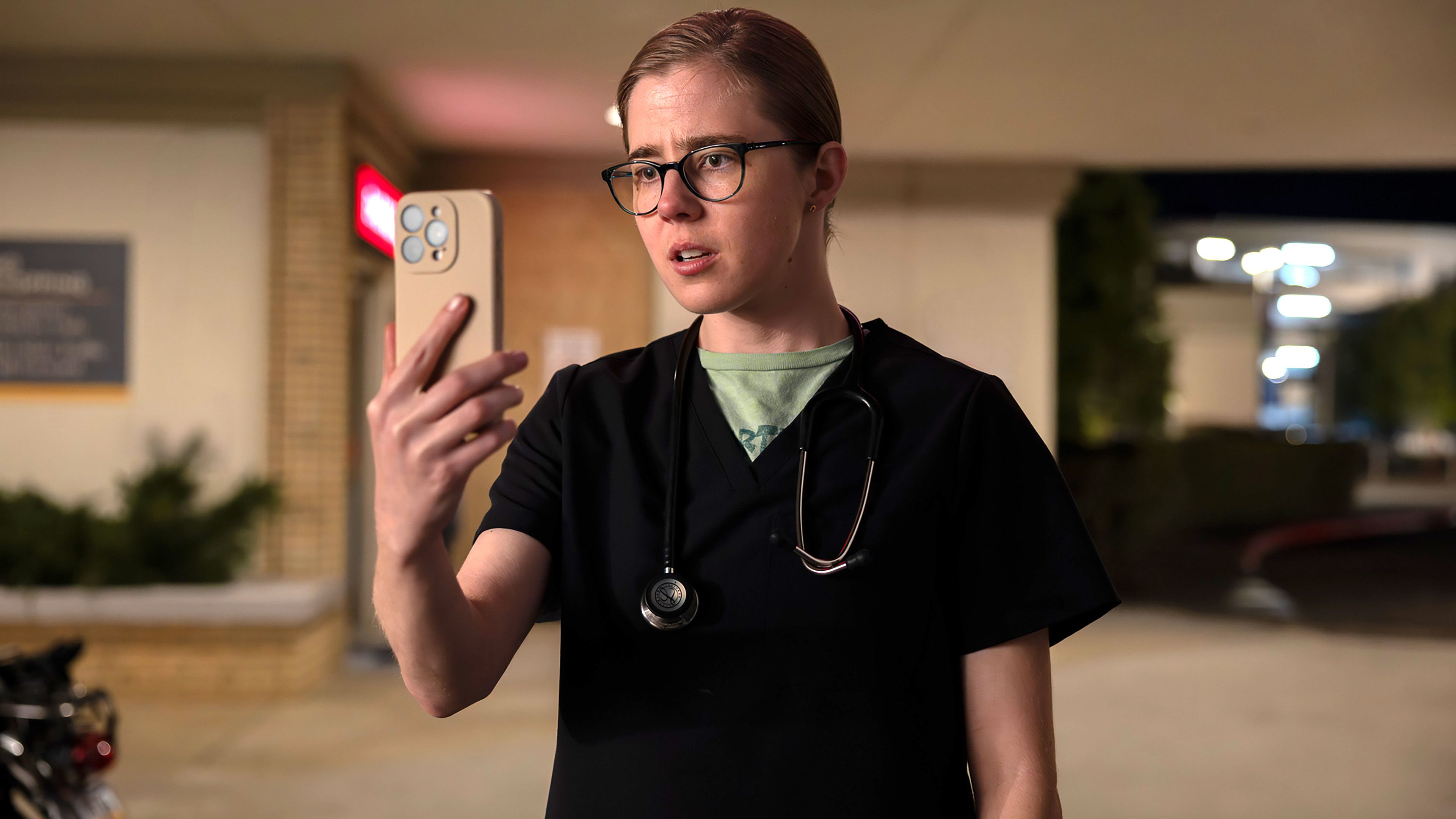
The Pitt season 2 may not have been entirely picture-perfect.
HBO’s medical drama, The Pitt, has quickly become a hit, ranking among the top shows in its genre. It boasts a 96% rating on Rotten Tomatoes and has won five Primetime Emmy Awards. Each season of the 15-episode series focuses on a single 15-hour shift at a hospital, realistically portraying the demanding work of U.S. healthcare professionals. While widely praised for its authenticity, one surgeon has noted that the show doesn’t always get everything right.
During an interview with ScreenRant’s Grant Hermanns mid-season, Dr. David Shapiro discussed the medical drama The Pitt, highlighting both its realistic and unrealistic portrayals. Dr. Shapiro specifically mentioned Dr. Yolanda Garcia (played by Alexandra Metz), noting that her character isn’t entirely accurate. According to Dr. Shapiro, “She’s excellent at diagnosing patients, but her harsh and unkind behavior isn’t typical of today’s surgical residents, which is surprising to see.”
Dr. Shapiro also pointed out a significant problem with the show: it frequently discussed patients’ private medical information, violating their confidentiality.
Discussing other patients’ health issues, especially by name within earshot of others, is unacceptable and violates basic standards of care. This has been a problem for a long time and should have been addressed well before now. While some dramatic flair is expected, there are respectful ways to talk about patients’ cases.
When talking with one patient, you shouldn’t mention another by name or express concerns about them within earshot. Instead, use professional language like, ‘The patient in room six,’ or, ‘I need to discuss a patient with you – could you step aside?’ These are simple adjustments that would improve communication.
Dr. Shapiro pointed out several concerning issues with the medical procedures shown in The Pitt, specifically the misuse of surgical instruments. He was frustrated by instances of tools being mislabeled or incorrectly identified – for example, someone requesting a “trach hook” when it was actually a retractor. He also found it odd that medical students were performing procedures typically reserved for more experienced professionals.
I’m also worried about how the portrayal of trainees – like medical students, residents, and fellows – feels unrealistic. The show depicts someone on their very first day performing procedures that no student would be asked to do today, and honestly, it felt wrong – I experienced similar inappropriate requests 25 years ago. Plus, certain medical practices have simply changed since then.
Dr. Shapiro points out that transferring patients is an old-fashioned practice and could even be a violation of MLA guidelines. He then adds that…
It’s unbelievable they brought someone back after shoulder surgery, especially since they didn’t have insurance. That’s really concerning. Plus, a case manager would never tell someone they can’t receive care, or change established procedures to move a patient to an inappropriate location just because of their insurance status. Patient care should never be compromised for financial reasons.
I recently watched an episode about a construction worker experiencing a dangerous complication from diabetes called diabetic ketoacidosis. His family arrived and wanted to start a crowdfunding campaign to help with his medical bills. The doctors decided to switch him off his insulin drip – which is a standard and good practice – and explore other, more affordable ways to manage his condition. It’s okay to adjust treatment plans when cost is a concern, but it’s crucial to still provide the level of care the patient needs.
Offering discounts to patients is a key strategy, first and foremost. Secondly, uninsured patients often reach a point where they accumulate debt and need a payment plan, which frequently results in them only paying a portion of what’s owed.
The surgeon also offered advice to Noah Wyle, who plays Dr. Michael “Robby” Robinavitch on The Pitt. Dr. Shapiro suggested Wyle highlight the work of the medics and EMTs more, praising both their performances and the writing dedicated to them. He emphasized that these first responders do a tremendous amount of work in the field, especially in a setting like The Pitt, where they’re frequently called to action.
Despite some criticisms, Dr. Shapiro has generally positive things to say about the medical drama, particularly praising its diverse representation of people from all backgrounds.
The show beautifully reflects the real world of healthcare. You see characters of all races, genders, including transgender and non-binary individuals, and hear a variety of languages being spoken – just like in any hospital. I especially appreciate seeing the diversity of backgrounds, like nurses chatting in Tagalog or Farsi, which is so common in medicine. Many healthcare workers are either immigrants themselves or come from families where different languages are spoken at home, and this is wonderfully represented. I love the authenticity and wouldn’t change a thing – in fact, I hope to see even more diversity in the future.
The Pitt is available to watch on HBO Max.
Read More
- Gold Rate Forecast
- These Cartoon Reboots Totally Missed the Point of the Originals (& Went Downhill Fast)
- Total Football free codes and how to redeem them (March 2026)
- Netflix’s Best Stranger Things Replacement Officially Takes America By Storm
- Zenless Zone Zero version 2.8 ‘New: Eridan Sunset’ update will release on May 6, 2026
- Top 5 Best New Mobile Games to play in May 2026
- 6 Animated Movie Trilogies Where Every Entry Is Near-Perfect
- Maggie Smith’s sons “deeply touched” by huge honour to the late “national treasure”
- Clash Royale May 2026 Update to bring Collection Levels, Mastery rework, and progression overhaul
- The Division Resurgence Best Weapon Guide: Tier List, Gear Breakdown, and Farming Guide
2026-05-11 17:50