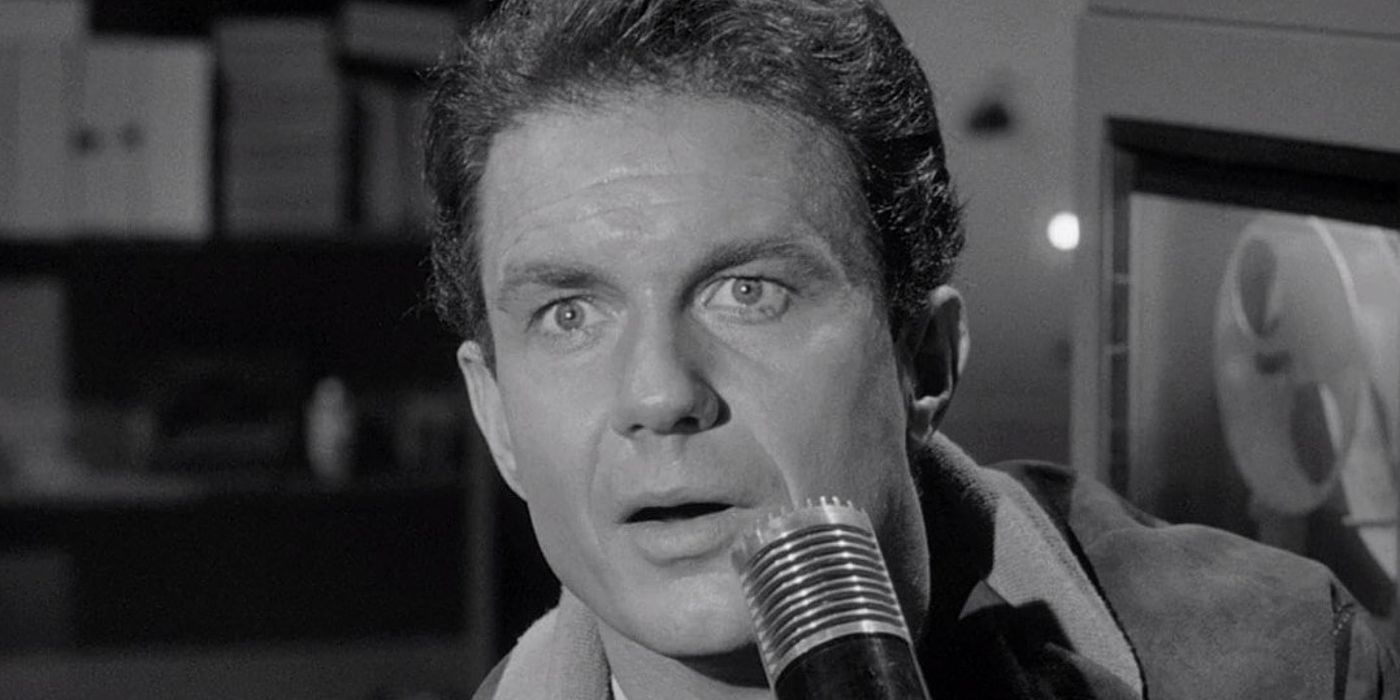
In the 1950s and 60s, television was known for heartwarming family shows and light comedies, offering a comfortable escape for viewers. However, shows like The Outer Limits and The Twilight Zone broke from this tradition by exploring darker themes and incorporating social and political messages. The Outer Limits immediately made an impact with its debut episode.
This episode is particularly memorable for its dark and realistic tone, and its surprisingly unhappy ending. Back when it originally aired, most shows guaranteed a happy outcome, but “The Galaxy Being” didn’t follow that formula. The episode’s conclusion was deeply sad and thought-provoking, exploring difficult questions about what it means to be human, the risks of technology, and the fears of society. While these ideas are common now, The Outer Limits was ahead of its time.
The Outer Limits Didn’t Pull Any Punches in Its First Episode
Premiering in 1963, The Outer Limits significantly impacted science fiction television for years to come. Right from the start, with its first episode, “The Galaxy Being,” the show made it clear it wasn’t typical television. It used science fiction to delve into the complexities and darker side of human nature, prioritizing thought-provoking stories over simple entertainment.
The first episode introduces Alan Maxwell, a radio station engineer played by Cliff Robertson, known to many as Uncle Ben. Maxwell works the night shift and uses the station’s power to send signals into space. Eventually, he successfully connects with a friendly being.
Unlike many science fiction shows of its time, The Outer Limits portrayed alien encounters not as hostile invasions, but as thoughtful exchanges between different, inquisitive species. The story centers on Maxwell, who uses technology to bridge the communication gap, allowing him to learn about the alien’s world and ponder big questions about life, God, and existence – topics rarely explored in similar programs.
The very device Maxwell uses to connect with the alien is also responsible for the episode’s central problem. After Maxwell steps away, a temporary worker accidentally increases the device’s power, which pulls the alien from its home dimension and onto Earth. Because it’s from another dimension, the alien unintentionally hurts people it encounters – a key point that reinforces the episode’s overall message.
Alan and the alien both fail to understand the risks of meeting each other. Once brought to Earth, the alien is just as lost and vulnerable as the humans it encounters. It can’t go back home because its people have a rule against contacting Earth, believing humans are a threat. The story doesn’t suggest that being curious is wrong, but it shows that curiosity can have serious repercussions that need to be considered.
The End of The Outer Limits’ “The Galaxy Being” Set the Tone for the Sci-Fi Series
While “The Galaxy Being” initially appears to be a science fiction story about aliens, it’s actually a story about people. The episode quickly shifts focus from the alien itself to how fear and suspicion can prevent us from truly understanding others. The ending is thought-provoking, prompting viewers to consider difficult questions, and the story ultimately becomes less about the alien’s arrival and more about how humanity responds to it.
The very first episode of The Outer Limits showed viewers that a story didn’t need a happy ending to be compelling. This was a bold move for television at the time, but it became a hallmark of the series – and would influence many science fiction shows that followed. Though often dark, these endings are a key reason the episodes remain memorable and impactful even today.
Found an error? Send it so it can be corrected.
Read More
- These Cartoon Reboots Totally Missed the Point of the Originals (& Went Downhill Fast)
- Gold Rate Forecast
- Total Football free codes and how to redeem them (March 2026)
- Top 5 Best New Mobile Games to play in May 2026
- $292M KelpDAO Exploit: LayerZero Uncovers Single-Verifier Flaw in Massive Hack
- Netflix’s Best Stranger Things Replacement Officially Takes America By Storm
- 6 Animated Movie Trilogies Where Every Entry Is Near-Perfect
- Zenless Zone Zero version 2.8 ‘New: Eridan Sunset’ update will release on May 6, 2026
- Maggie Smith’s sons “deeply touched” by huge honour to the late “national treasure”
- STARBUCKS STAND by BEAMS Channels Kenyan Coffee Heritage Into Its Latest Spring/Summer Wardrobe
2026-05-10 13:06