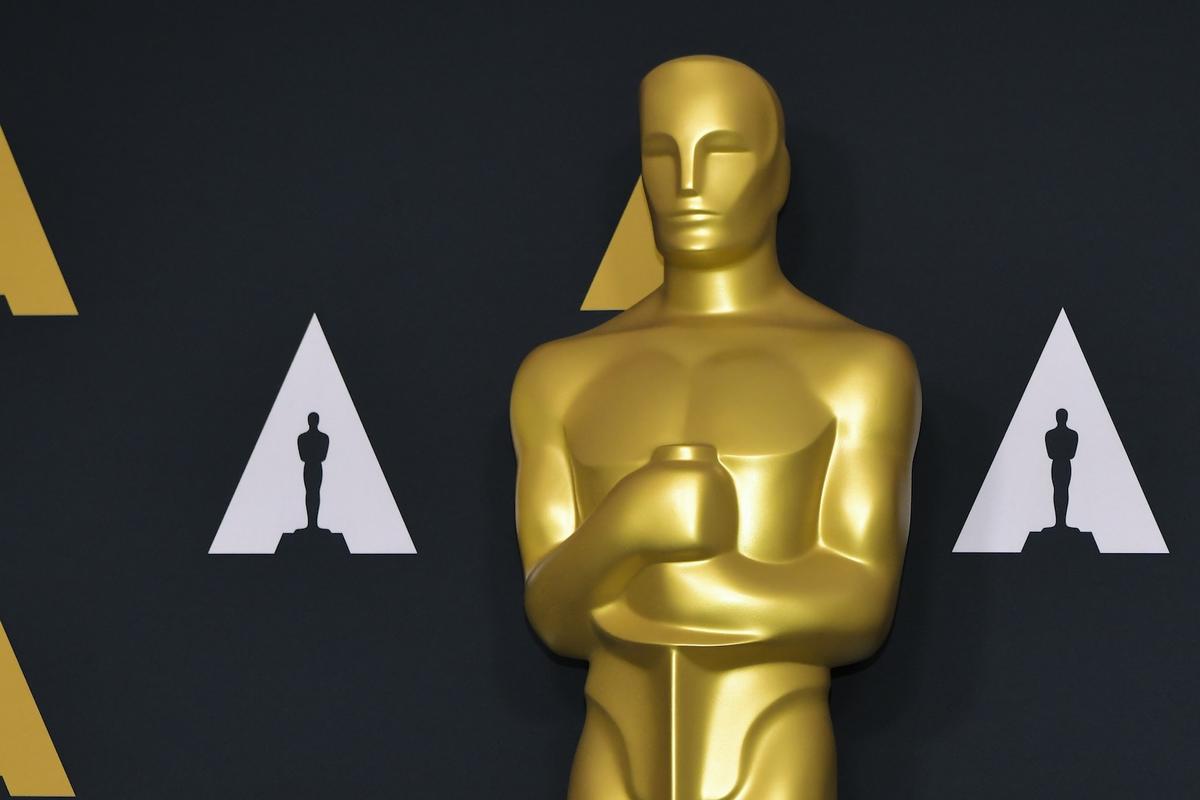
The Oscars are moving from ABC after many years to a new home on YouTube, reflecting the shift in how people watch television.
The Oscars will be streamed on YouTube starting in 2029, the Academy of Motion Picture Arts and Sciences announced. However, ABC will continue to broadcast the awards show for the next three years. The new agreement with YouTube extends through the 105th Academy Awards ceremony in 2033.
As a movie fan, I’m really excited about this new deal! It means we’ll get to see a lot more from the Academy Awards than just the main ceremony. They’re putting everything – the Governors Awards, the nominations reveal, even events for student filmmakers – right on the Oscars’ YouTube channel. Plus, they’re promising interviews with filmmakers and actors, educational programs about film, and podcasts. It’s like getting an all-access pass to the world of the Oscars, and I think that’s fantastic for anyone who loves movies.

Here was Acadmy CEO Bill Kramer and President Lynette Howell Taylor’s statement on the news:
We’re excited to announce a broad partnership with YouTube, making it the new home for the Oscars and all of our Academy programs. As an international organization, the Academy wants to reach the widest possible global audience, benefiting our members and the entire film community. This partnership will combine the Oscars and our programs with YouTube’s huge reach and new ways to connect with fans, while still respecting our history. Together, we’ll be able to celebrate movies, inspire future filmmakers, and share the history of film with more people around the world than ever before.
The new agreement raises several unanswered questions. For example, will the broadcast still include commercials? Will the Oscars stick to their usual three-hour length? And since the show won’t have a fixed time on YouTube, and could potentially run as long as the Academy and the platform want, is it possible the broadcast will be longer than usual?
With the Oscars aiming to boost ratings, will the Academy bring back previously cut awards, like the Honorary Oscars? Beyond that, what other changes can we expect? A big question is whether they’ll try to attract a younger audience, perhaps by appealing to viewers on platforms like YouTube – could someone like MrBeast even present an award, like Best Picture?
As a film lover, I’m really curious to see how things unfold, but 2029 feels like it’s going to be a huge year for movies and, especially, the awards season. It’s definitely a date to watch!
The Best Oscar Best Picture Winners Ever

20. A Man For All Seasons (1966)
The film A Man For All Seasons centers on Sir Thomas More, a man of strong principles who faced a difficult choice. King Henry VIII wanted to marry Anne Boleyn, and More refused to support the decision. The movie follows More as he navigates pressure and threats, remaining true to his beliefs even while protecting himself. It’s a compelling story about law, and the delicate balance of communicating without revealing too much—a skill that, ultimately, has its boundaries.

19. It Happened One Night (1934)
Comedies, especially romantic comedies, are often overlooked by the Academy Awards. However, one notable exception is It Happened One Night, a classic film starring Clark Gable and Claudette Colbert as a reporter and an heiress who fall for each other—a common trope in the genre! Remarkably, the film still feels fresh, funny, and charming decades later, despite being imitated by countless other movies.
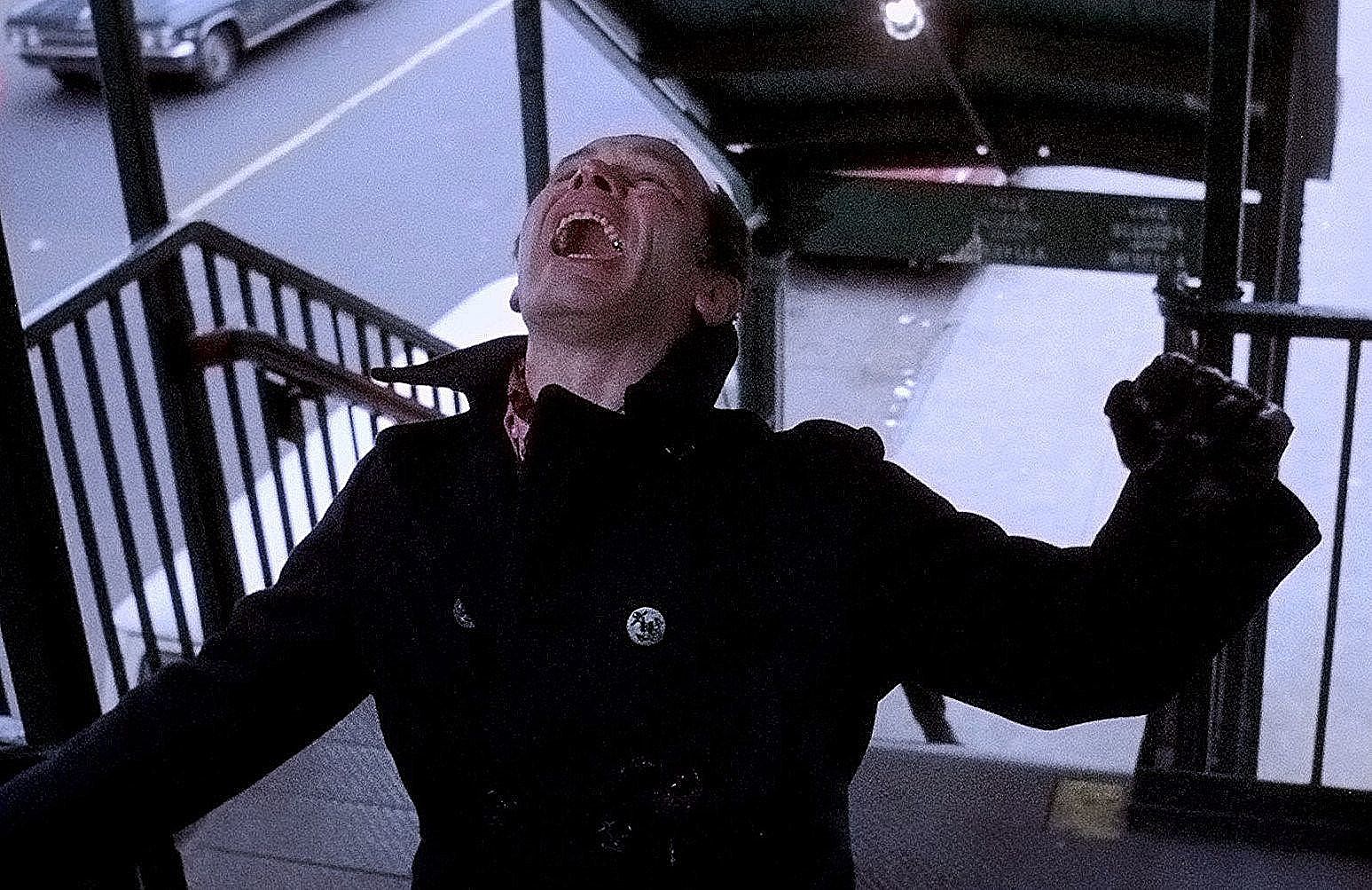
18. The French Connection (1971)
The film The French Connection offers a raw, exciting experience that the Academy Awards often overlooks. It’s known for its fast-paced action and realistic portrayal of New York City, which might explain its enduring popularity among lists of great Best Picture winners. When you look back at Oscar winners, you’ll find many musicals, biographical dramas, and large-scale war movies—but only one French Connection.

17. Rebecca (1940)
Alfred Hitchcock arrived in Hollywood in the late 1930s and immediately achieved success with his first American film, Rebecca, winning the Academy Award for Best Picture. Surprisingly, despite making many more acclaimed films, he never won that award again. But that doesn’t diminish Rebecca, which remains a classic Hitchcock story about obsession and the lingering memories of those we’ve lost.

16. An American in Paris (1951)
Before the late 1960s, musicals were likely the most awarded genre at the Academy Awards. During that time, several fairly unremarkable—even bad—musicals actually won Best Picture Oscars, like The Great Ziegfeld, Gigi, and Going My Way. However, Vincente Minnelli’s An American in Paris was a true standout. Starring Gene Kelly at his best, it tells the story of a World War II veteran in Europe who falls in love with a French woman (Leslie Caron). The film showcases Kelly’s incredible dancing, features classic songs by George and Ira Gershwin—including “Embraceable You,” “I Got Rhythm,” and “Love Is Here to Stay”—and culminates in a breathtaking 17-minute ballet sequence.

15. The Apartment (1960)
In Billy Wilder’s The Apartment, C.C. Baxter (Jack Lemmon) hopes a promotion will solve his unhappiness at work. He allows his bosses to use his apartment for affairs, but his plan backfires when he falls for a woman (Shirley MacLaine) who begins a relationship with his boss (Fred MacMurray) in his own home. The film is notable for being a rare comedy to win major awards at the Academy Awards, likely because its humor is mixed with genuine emotion and relatable truths.

14. Schindler’s List (1993)
Steven Spielberg won his only Best Picture Academy Award (and one of his two Best Director awards) for this powerful historical drama. The film tells the story of Oskar Schindler, a German businessman who risked everything – his money and his life – to save hundreds of Jewish people by employing them in his factories during World War II and the Holocaust. Widely considered one of the greatest biographical films ever made, it skillfully portrays Schindler’s life while also depicting the immense suffering of those affected by the Holocaust.

13. Moonlight (2016)
The Academy Awards experienced an unforgettable moment when Moonlight was revealed as the Best Picture winner – but not before La La Land was mistakenly announced by presenters Faye Dunaway and Warren Beatty. This surprising turn capped off an incredible journey for Moonlight, a moving film that went from a little-known independent production to a truly deserving Oscar winner. (To be clear, La La Land was also a fantastic movie.) Moonlight beautifully portrays the life of a young Black man as he comes of age, honestly and deeply exploring his growth and emotional journey through three stages of his life.

12. Amadeus (1984)
The Oscars often favor films about famous people, but Amadeus stands out because it’s not really about Mozart himself. Instead, it focuses on Salieri, a more relatable character who recognizes Mozart’s extraordinary talent and his own limitations. While most of us can’t identify with being a musical genius, we can understand the feeling of falling short of our goals. The film isn’t entirely historically accurate in its portrayal of Mozart (played by a lively Tom Hulce) and Salieri (an embittered F. Murray Abraham), but it captures a deeper truth, similar to what director Werner Herzog calls “ecstatic truth”—where a film’s emotional resonance is more important than strict historical facts.

11. Terms of Endearment (1983)
While the emotional impact of Terms of Endearment might be lessened for modern audiences familiar with its plot twists, it remains a truly beautiful, funny, and moving film. It stands out for its realistic portrayal of complex relationships – especially the often-difficult bond between a mother and daughter, and the struggles within a troubled marriage – topics rarely explored with such honesty in Hollywood. James L. Brooks isn’t known for flashy visuals, but he has a remarkable talent for directing and writing compelling performances from his actors.

10. The Sting (1973)
Often considered a classic Hollywood film, The Sting reunited Paul Newman and Robert Redford with director George Roy Hill, building on the success of Butch Cassidy and the Sundance Kid. This time, they play a duo of con artists seeking payback against a ruthless gangster (Robert Shaw) who harmed a friend. The film features a brilliantly clever plot, a peak performance from Newman, and a memorable soundtrack of nostalgic ragtime music. I first encountered it as a teenager on PBS, and as a child I identified with Redford’s character. Now, I relate more to Newman—which is a good sign, as long as I don’t see any of Shaw’s character in myself!

9. Lawrence of Arabia (1962)
Growing up as a movie fan in the 1990s, my first experience with Lawrence of Arabia was watching it on VHS, and honestly, it didn’t make much of an impression. It wasn’t until I saw it projected on a large 70mm screen that I truly understood its impact. While home video can be enjoyable, David Lean’s epic about T.E. Lawrence often feels underwhelming on smaller screens – especially when you remember how it looked on old, cropped VHS tapes played on a tube TV. Seeing it on the big screen, though, is a completely different experience – it’s haunting, captivating, and unlike almost any other film.

8. Parasite (2019)
The film Parasite is meticulously crafted, with every element – dialogue, camera angle, plot twist, and design choice – serving a purpose. The film opens with a shot of the Kim family’s cramped, half-basement apartment, highlighting their poverty, which is literally underscored when their neighborhood floods. We then see the Kims struggle to improve their lives by cleverly getting jobs working for a wealthy family. The final shot of the film powerfully connects back to the opening, emphasizing director Bong Joon-ho’s critique of social inequality.

7. The Silence of the Lambs (1991)
Many thrillers feature disturbed criminals, but Jonathan Demme’s The Silence of the Lambs is far more intricate and insightful. It’s also a compelling look at Agent Clarice Starling (played by Oscar winner Jodie Foster) as she navigates a world dominated by powerful and often dangerous men. While Hannibal Lecter (another Oscar winner, Anthony Hopkins) is a significant presence, the film uniquely presents him from Clarice’s perspective, which fundamentally changes how we see him.

6. The Best Years Of Our Lives (1946)
While some film fans might disagree, The Best Years of Our Lives is arguably a better American classic than It’s a Wonderful Life. The film tells the story of three veterans – played by Frederic March, Dana Andrews, and Harold Russell (a WWII veteran who lost both hands in service) – as they return home to their Midwestern town and try to rebuild their lives. Director William Wyler doesn’t celebrate war; instead, he honestly portrays the difficult physical and emotional challenges these men face, offering a remarkably insightful look at the realities of war that still resonates today.

5. No Country For Old Men (2007)
The Coen brothers are known for their excellent films, and No Country for Old Men is arguably their best. It explores a theme they often revisit: how the relentless chase for money can ruin lives. The story begins when a man (Josh Brolin) finds a large sum of cash after a failed drug deal, and this discovery unleashes a wave of unnecessary and brutal violence. Skillfully directed by the Coens, and based on the novel by Cormac McCarthy, No Country portrays a bleak and unpredictable world where fate seems as arbitrary as a coin flip.

4. Rocky (1976)
People who dismiss Rocky as just another boxing movie haven’t likely seen the original in a while, and are confusing it with its weaker sequels. The first Rocky is more like a realistic character study – similar to Italian neorealist films – than a typical sports movie. It spends a lot of time showing the harsh realities of Rocky’s life in Philadelphia, where he barely gets by working as a debt collector for the mob. The film intentionally downplays big moments, like announcing the boxing match winner, because Rocky’s personal connection with Adrian – their love for each other – is far more meaningful. Just like Rocky, Sylvester Stallone himself was underestimated and unfairly labeled as unintelligent back in the 1970s – and that perception still exists today, with some people dismissing the first Rocky simply because it won Best Picture over films like Taxi Driver and Network. The truth is, some years produce multiple exceptional films.

3. The Godfather Part II
Everyone always argues about whether The Godfather or The Godfather Part II is better. For me, it’s definitely the first film that takes the crown. But Part II could have been truly exceptional if they’d managed to get Richard Castellano back as Clemenza – that was Coppola’s original plan, you know. The stories about why he didn’t return vary, but losing him really hurt the sequel. Michael’s arc, and the whole idea of honor and betrayal, would have hit so much harder with Clemenza involved instead of the new character, Frank Pentangeli, who feels completely disconnected from the first film. And those brilliant parallels between young Vito and Michael? They would have resonated even more deeply if Clemenza had been a presence in both timelines. Don’t get me wrong, The Godfather Part II is still a phenomenal movie – those early scenes of young Vito arriving in America are just breathtaking. As someone with immigrant roots, they’re incredibly moving. It’s just a shame that some kind of disagreement – likely creative or financial – prevented Coppola from realizing his original vision.

2. Casablanca (1942)
Despite being set during World War II and focusing on a very specific situation – an American living abroad (Humphrey Bogart) choosing whether to help a resistance leader (Paul Henreid) who is married to the woman he once loved (Ingrid Bergman) – Casablanca explores universal themes of sacrifice, love, and duty. The touching and bittersweet relationship between Bogart’s Rick and Bergman’s Ilsa, combined with its incredibly memorable lines, have made it a beloved classic that continues to resonate with audiences today.

1. The Godfather (1972)
We don’t need another review explaining why The Godfather is a classic. Instead, consider this perfect moment that captures the film’s power and efficiency: When Michael Corleone (Al Pacino) learns his father, Vito (Marlon Brando), has been shot, he immediately runs to a payphone to call home. Up until then, Michael claimed he wanted nothing to do with the family business. But the news changes him, and he abruptly shuts out his girlfriend, Kay (Diane Keaton), while making the call – mirroring how Vito conducted business privately, while the rest of the family celebrated obliviously at a wedding. This scene also hints at the film’s final image. It’s a simple shot that brilliantly shows Michael reluctantly beginning his descent into the dangerous world of his family’s criminal enterprise.
Read More
- Clash Royale Best Boss Bandit Champion decks
- Vampire’s Fall 2 redeem codes and how to use them (June 2025)
- Mobile Legends January 2026 Leaks: Upcoming new skins, heroes, events and more
- World Eternal Online promo codes and how to use them (September 2025)
- Clash Royale Season 79 “Fire and Ice” January 2026 Update and Balance Changes
- Best Arena 9 Decks in Clast Royale
- Best Hero Card Decks in Clash Royale
- Clash Royale Witch Evolution best decks guide
- Clash Royale Furnace Evolution best decks guide
- FC Mobile 26: EA opens voting for its official Team of the Year (TOTY)
2025-12-17 22:30