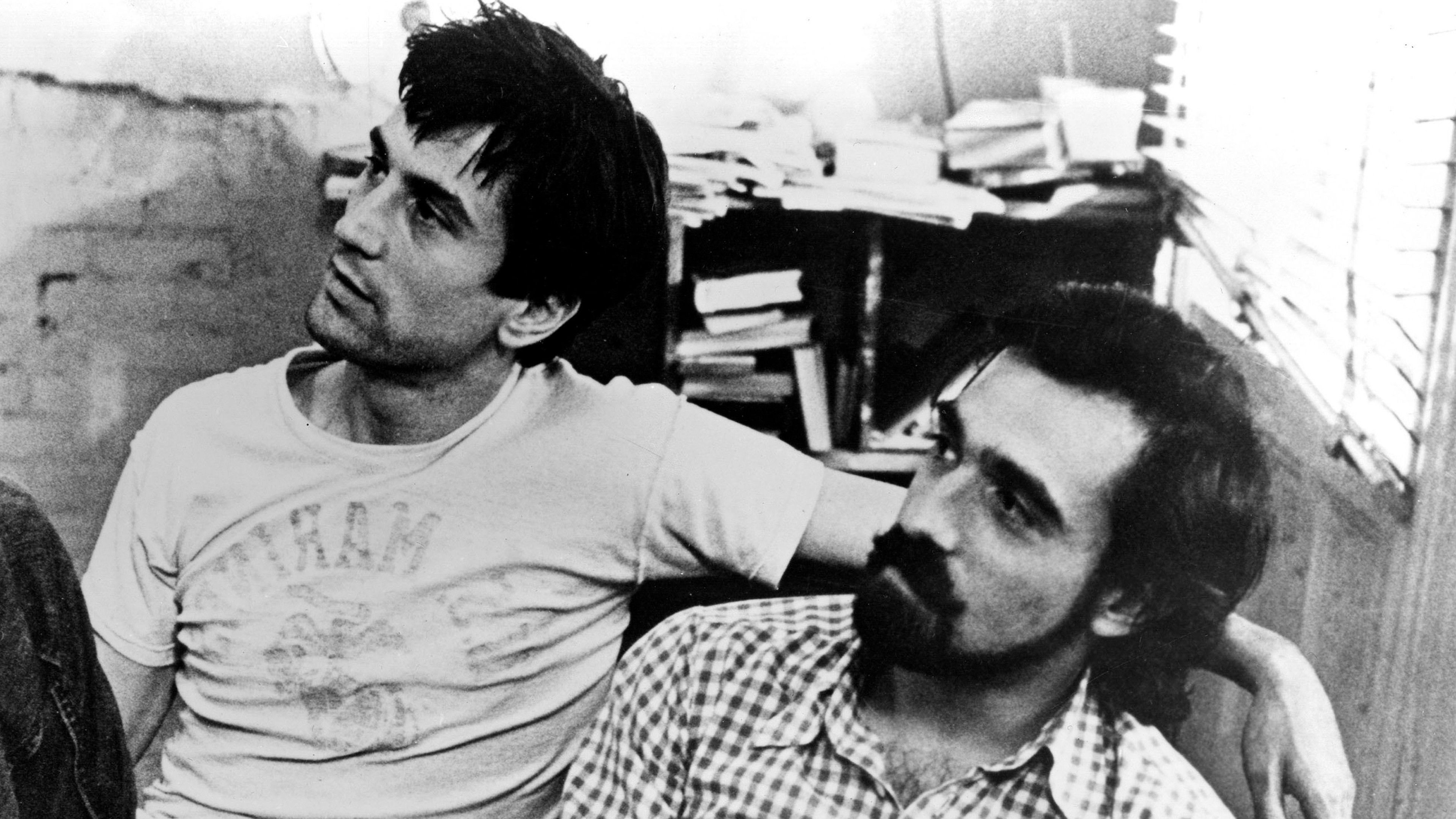
Taxi Driver first premiered on February 8, 1976, at the Coronet Theater on Broadway, and immediately sparked a strong reaction from the audience. Over the past 50 years, it’s become a landmark film, widely considered to be director Martin Scorsese’s masterpiece.
From its disturbing beginning to a finale that feels like a scene from Travis Bickle’s imagination, Taxi Driver is a starkly realistic film, presented through the eyes of a lonely outcast with inflated ideas about his own importance. It deliberately blurs the line between dreams and reality, exploring the very space that movies are uniquely suited to create.
The movie reveals profound truths about difficult topics that are easily missed. It delves into the core of issues like men’s loneliness, the lasting psychological damage caused by war, the origins of prejudice, and what drives people to violence. Surprisingly, the film feels even more relevant today than when it was originally made.
Martin Scorsese’s film Taxi Driver is widely considered his greatest achievement from a remarkably strong period in his career, and it represents Robert De Niro’s finest acting performance. It’s rare for any actor to deliver such a complete and uniquely brilliant performance, and even legendary performers like Brando, Pacino, and Nicholson haven’t reached this level of originality in their work.
Taxi Driver Was Released On February 8, 1976

When Taxi Driver first premiered in New York, reactions were divided. While many critics hailed it as a creatively significant film, others strongly objected to its intense violence, particularly in the final scenes, and the controversial depiction of a young character played by Jodie Foster.
Gene Siske, a film critic for the Chicago Tribune, strongly criticized the movie during a discussion with Roger Ebert on PBS. He said the violence was so intense that he actually had to look away from the screen.
Ebert strongly disagreed with the other reviewer, arguing that the film’s violent scenes were actually important for resolving the tension built throughout the story. He even described it as one of the best movies he had ever watched in his written review.
Several other leading figures in the film industry later agreed with his viewpoint. Regardless, Taxi Driver was a massive hit with moviegoers. It remained Martin Scorsese’s most commercially successful film until The Color of Money earned more in 1986, and it left a lasting mark on popular culture that extended well beyond cinemas.
As Taxi Driver celebrates its 50th anniversary, it’s important to remember the difficult journey the film had. The studio, Columbia Pictures, tried several times to stop it from being made, and when it was released, many people criticized it as being shocking and exploitative. It was even wrongly connected to the 1981 attempt on President Ronald Reagan’s life.
For many years, this film wasn’t fully appreciated, but it’s now widely considered a classic of cinema. What’s remarkable is that it still offers new perspectives and enjoyment, even after repeated viewings.
The Movie Was Martin Scorsese’s 2nd Collaboration With Robert De Niro

Just over a year after Martin Scorsese directed the romantic comedy Alice Doesn’t Live Here Anymore, and ten months after Robert De Niro’s Oscar win for The Godfather Part II, Taxi Driver catapulted both of them to industry stardom. While they had collaborated before on the 1973 film Mean Streets, this project marked a significant turning point in their careers.
To truly embody the character for his breakout role, De Niro fully immersed himself in preparation. He spent months working as a New York taxi driver and even dealt with the practical difficulties of Travis Bickle’s distinctive mohawk. De Niro didn’t just memorize lines; he developed Travis Bickle through ongoing conversations with the director and by observing the world around him.
As a film buff, I’ve always been struck by how deeply personal Taxi Driver feels, and a lot of that comes from the collaboration between Paul Schrader’s writing and the way Martin Scorsese and Robert De Niro really immersed themselves in the gritty reality of 1970s New York. The now-iconic mirror scene? Completely improvised by De Niro! Scorsese was right there with him, actually operating the camera himself, shooting from a low angle to capture that intense glare. It’s a testament to their creative partnership and commitment to authenticity.
Taxi Driver Is Scorsese & De Niro’s Greatest Masterpiece

Deciding on the best Robert De Niro film or Martin Scorsese movie is really a matter of opinion. However, when it comes to their collaborations, only Raging Bull comes close to matching the impact and quality of Taxi Driver as a truly outstanding film.
This film feels more connected to its city than any other Martin Scorsese and Paul Schrader collaboration. Taxi Driver depicts a New York City grappling with intense social problems, a failing economy, racial unrest, political instability, and widespread moral decline. The movie accurately reflects the real issues New Yorkers were facing at the time.
Martin Scorsese’s Taxi Driver powerfully tells the story of Travis Bickle, a lonely and tragic character who helps us understand the difficult issues facing New York City after a period of economic decline. The film’s dreamlike visuals and haunting music, composed by Bernard Herrmann shortly before his death, put the viewer right alongside Travis as he navigates the city.
Robert De Niro, known for his captivating charm in films like Mean Streets, transforms into a deeply troubled Vietnam War veteran, radiating intense threat. He skillfully uses the same acting techniques that allowed him to convincingly portray a younger version of Marlon Brando in The Godfather Part II to create his most unique and compelling character yet.
No performance from Robert De Niro has ever been more iconic, and Martin Scorsese has never directed a more perfect film than Taxi Driver. Regardless of personal preferences, the film’s brilliance is undeniable.
50 Years On, Taxi Driver Is More Important Than Ever

Considering the main ideas in Taxi Driver makes it clear why the film feels even more relevant now than when it was first released. Long before the 2025 Netflix miniseries Adolescence expertly showed how toxic masculinity develops in society, Martin Scorsese’s film explored similar themes with remarkable insight.
What really struck me about Taxi Driver is that it doesn’t offer easy answers. Unlike some films, it ends on a really unsettling note, leaving you with more questions than you started with. Beyond the gripping story, it powerfully shows how damaging loneliness, feeling cut off from society, and having unstable, dead-end jobs can be. And honestly, those problems feel even more common today than they did back in the 70s, especially for young men. It’s a film that stays with you, making you think long after the credits roll.
The film portrays difficult and disturbing themes like the trafficking of young girls, the blaming of minority groups through racism, violence taken into one’s own hands, the psychological trauma of war, and an attempt on the life of a manipulative politician. It feels remarkably prescient – as if it predicted current events. Many of the most famous lines from Taxi Driver sound like they could be taken from today’s headlines.
As a film buff, I’m always searching for movies that truly endure, but few do it like Taxi Driver. It’s not just a great film – it’s almost unsettling how relevant it still is, like it somehow predicted the darker side of modern life decades ago. It’s a terrifyingly accurate reflection of society at its worst, and honestly, it deserves all the praise it gets as a true work of art.
Read More
- The Division Resurgence Best Weapon Guide: Tier List, Gear Breakdown, and Farming Guide
- Kagurabachi Chapter 118 Release Date, Time & Where to Read Manga
- Last Furry: Survival redeem codes and how to use them (April 2026)
- Clash of Clans Sound of Clash Event for April 2026: Details, How to Progress, Rewards and more
- Gold Rate Forecast
- Guild of Monster Girls redeem codes and how to use them (April 2026)
- Top 5 Best New Mobile Games to play in April 2026
- ‘Project Hail Mary’s Soundtrack: Every Song & When It Plays
- Genshin Impact Version 6.5 Leaks: List of Upcoming banners, Maps, Endgame updates and more
- All Mobile Games (Android and iOS) releasing in April 2026
2026-02-08 17:10