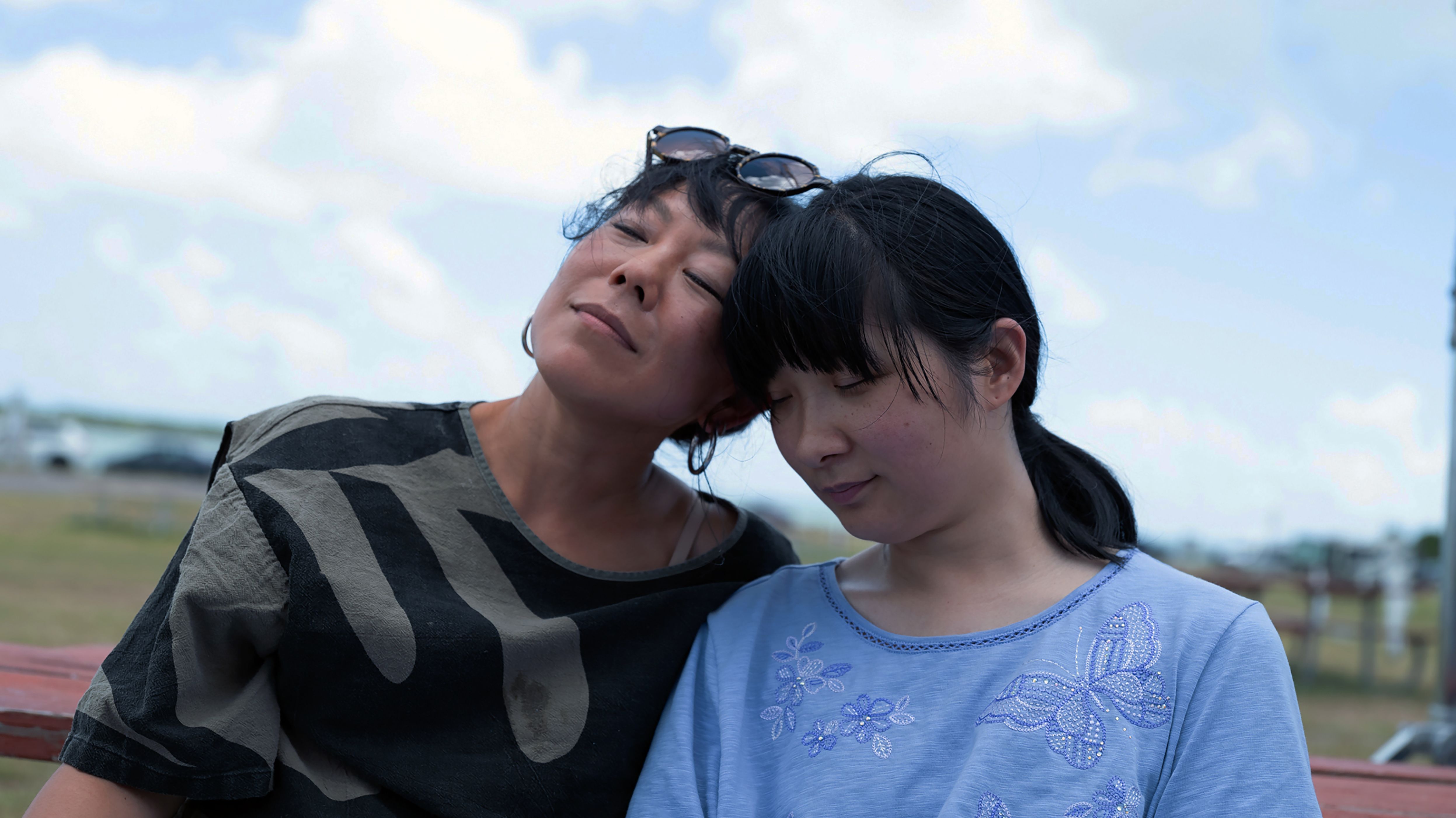
Liz and Anna Sargent, a writer-director duo, bring uniquely personal experiences to their work. As Korean-American adoptees raised in a working-class family, they’ve faced a particular kind of racial isolation that differs from many immigrant stories. Adding to this, Anna lives with cognitive disabilities and has been a caregiver for their aging parents, giving her firsthand knowledge of the frustrating complexities of the healthcare system. Their film, an expanded version of Liz’s 2023 short that also premiered at Sundance, is deeply informed by these experiences, and its emotional power comes directly from Liz’s perspective. However, the film’s broad approach and intentionally unclear ending feel unfocused and, at times, problematic.
The film Take Me Home feels incredibly realistic and authentic. Anna, the lead actress who largely improvised her lines, gives an exceptional performance. The movie has a unique quality that comes from a deep level of trust between everyone involved. While the story is fictionalized – the real people come from a family of eleven, not just two – the details, from the rundown state of the nursing home to the family’s everyday routines, are deeply rooted in their actual lives. Ultimately, it’s a lovely and deeply moving film.
The film focuses less on the relationships between Anna and her sister, Emily, and their parents, and more on the director’s worries about how someone like her sister might struggle in a society that often leaves people vulnerable. As one healthcare worker points out, the American healthcare system is intentionally complex, and insurance companies prioritize profit over people’s well-being.
Despite the Film’s Authentic Voice, the Characters are Reduced to Proxies
Anna’s difficult home situation likely contributes to her challenges. Her mother is kind, but her father is emotionally unavailable. The house is cluttered and messy, with a sense of neglect – everything from piles of belongings to old food in the fridge suggests this. Anna struggles with daily living skills; while she can manage some basic self-care, she avoids personal hygiene and rarely leaves the house except for errands.
Emily often has angry outbursts, and her parents either don’t know how to calm her down or have simply gotten used to her difficult behavior, unintentionally making things worse. Emily has tried to distance herself from the drama, moving to Brooklyn where she’s established a stable life with a job and a partner. She hasn’t visited home in two years and often avoids answering calls from her family as a way to protect herself.
When a family tragedy strikes, Emily returns home and finds herself responsible for her sister again, forcing her to reconnect with a sibling who resents her long absence. Overwhelmed by life’s demands, Emily doesn’t notice the first signs of her father’s developing dementia. The film uniquely focuses on a quiet, underlying question: what will become of Anna as her father’s condition worsens and he’s no longer able to care for her?
Mostly, Take Me Home feels like a quiet, observational story, letting us see a very personal and detailed life unfold. However, it can be draining to watch Anna repeatedly struggle and refuse the help that’s offered. The bond between Emily and Anna is unique and complicated. While Liz Sargent effectively portrays the challenges this family faces, she doesn’t always highlight the happy moments or the connections they share.
The film’s biggest weakness lies in its surprisingly abrupt ending. This twist reframes everything that came before, raising difficult ethical concerns. The film essentially asks: if someone like Anna can’t receive the care they need, what can be done to offer them some comfort? While this is a valid and thought-provoking question, the way the film portrays that comfort feels awkward and overly simplistic. Because the ending is open to interpretation, it unfortunately opens the door to troubling ideas that could be seen as supporting eugenics.
In Take Me Home, Sargent clearly aims to express the understandable frustration and worry caused by a healthcare system that doesn’t consider people like her sister. However, the film tries to cover too much – the mother’s illness, the father’s dementia, the sister’s disappearance, and the family’s money problems – which makes the overall message feel scattered. It’s within this confusion that the film’s most unsettling ideas emerge.
Take Me Home screened at the 2026 Sundance Film Festival.
Read More
- Invincible Season 4 Episode 4 Release Date, Time, Where to Watch
- How Martin Clunes has been supported by TV power player wife Philippa Braithwaite and their anti-nepo baby daughter after escaping a ‘rotten marriage’
- Beyond Accuracy: Gauging Trust in Human-AI Teams
- ‘Project Hail Mary’s Unexpected Post-Credits Scene Is Worth Sticking Around
- Gold Rate Forecast
- Clash Royale Balance Changes March 2026 — All Buffs, Nerfs & Reworks
- CookieRun: OvenSmash coupon codes and how to use them (March 2026)
- We talked to ‘Bachelorette’ Taylor Frankie Paul. Then reality hit pause on her TV career
- eFootball 2026 is bringing the v5.3.1 update: What to expect and what’s coming
- Only One Straw Hat Hasn’t Been Introduced In Netflix’s Live-Action One Piece
2026-01-27 03:08