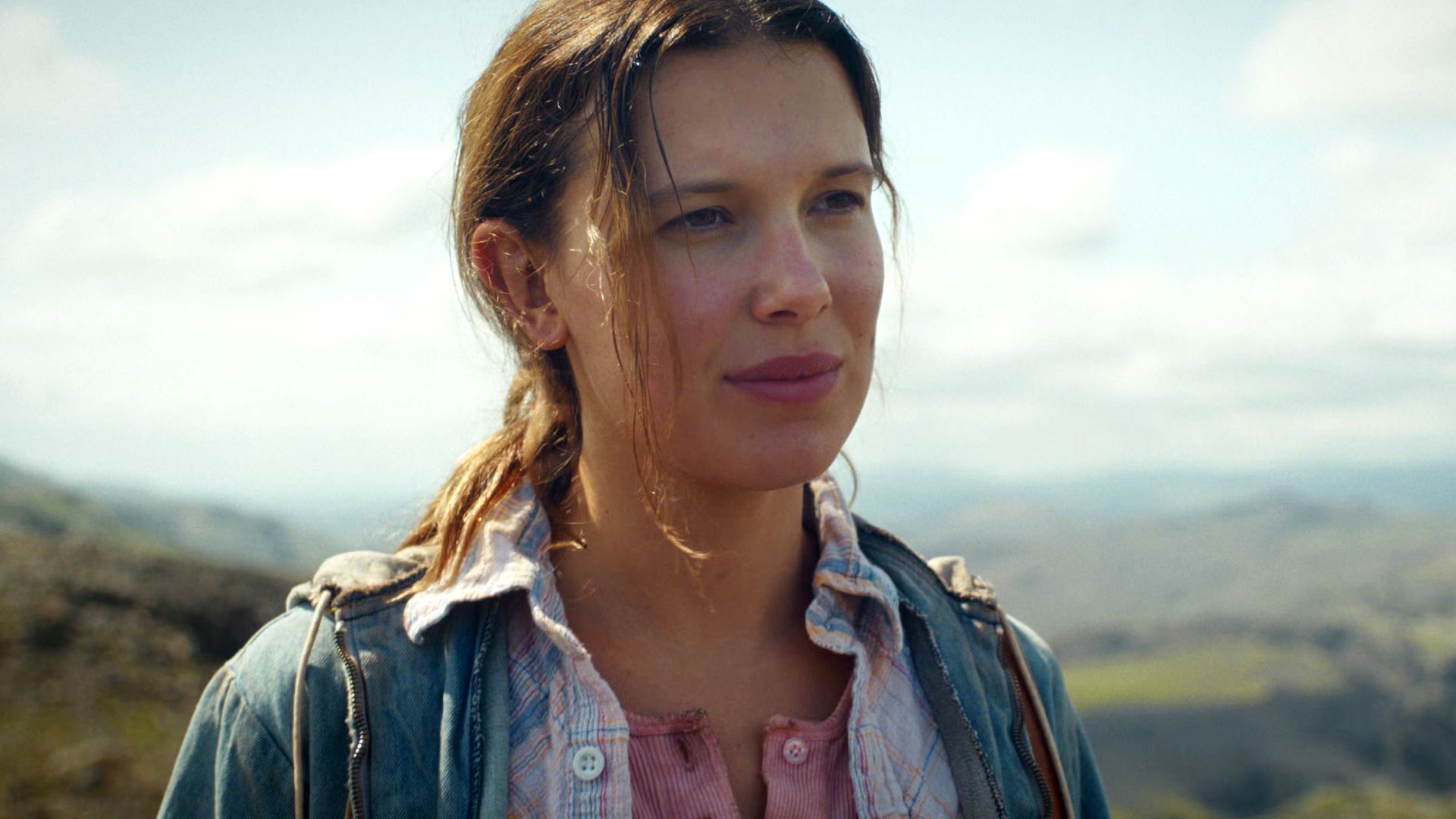
The finale of Netflix’s Stranger Things was a major cultural moment, much like the end of Game of Thrones. However, Game of Thrones disappointed many with its final season, especially the last episode, and that negatively impacted how the show will be remembered. This created a lot of pressure for Stranger Things to deliver a satisfying conclusion.
Given the negative reaction to other shows with disappointing episodes, Stranger Things understandably wanted to avoid a similar outcome. However, “The Rightside Up” hasn’t been well-received. Critics have pointed to a lack of significant character deaths, the unclear situation surrounding Eleven, inconsistencies in the plot, and the absence of certain characters. In fact, it’s currently one of the lowest-ranked Stranger Things episodes on IMDb, only slightly better than an episode that felt like a standalone spin-off and another that received intentionally negative reviews.
Some people are comparing the potential ending of Stranger Things to the controversial finale of Game of Thrones. However, a more fitting comparison would be to the ending of Lost.
Comparing Stranger Things’ Finale To Game Of Thrones Is Too Harsh
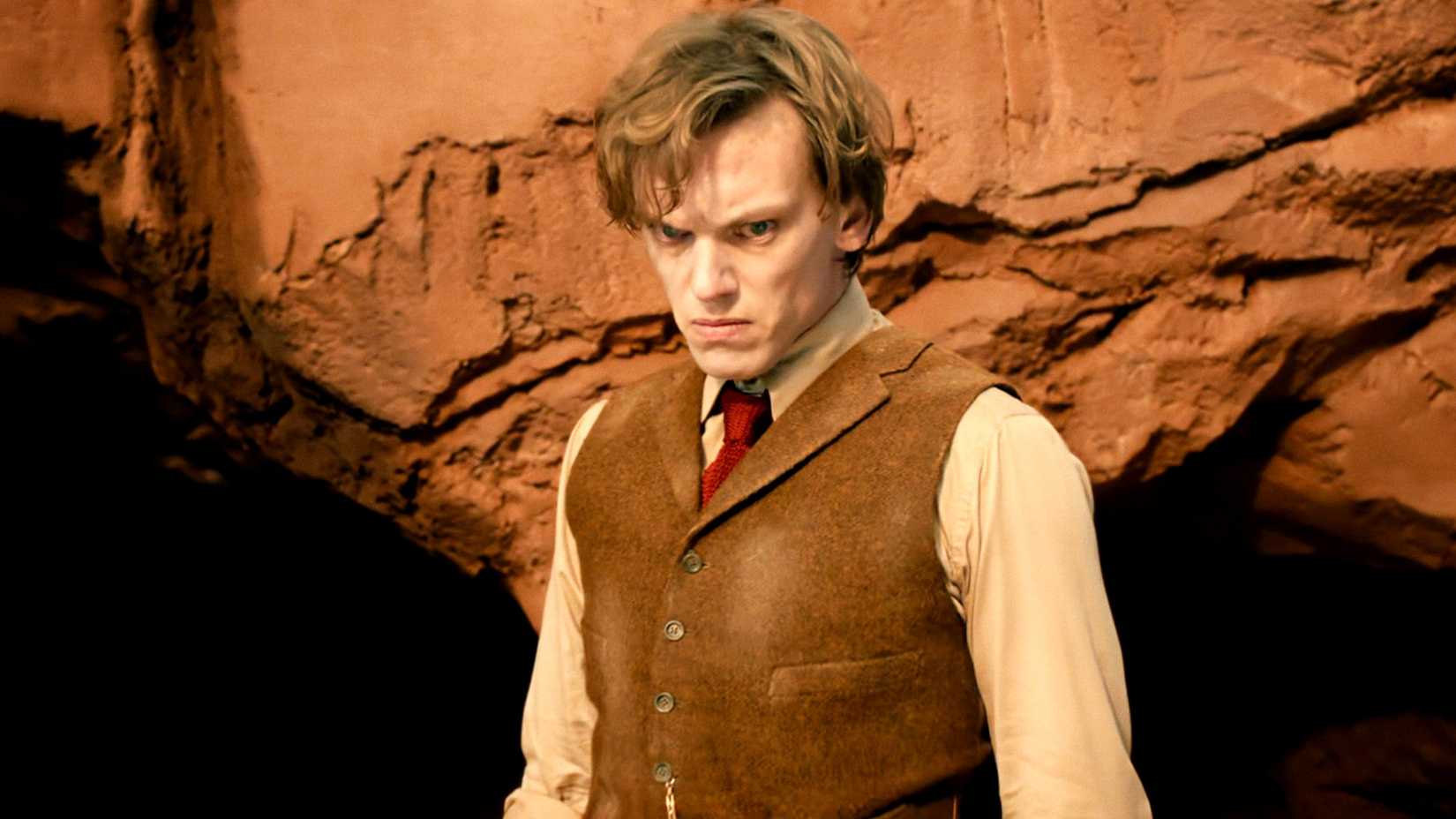
While the ending of Stranger Things wasn’t flawless, comparing it to the widely criticized finale of Game of Thrones feels excessive. A major problem with Game of Thrones‘ ending was how out of character some actions felt – like Daenerys’s decision to burn King’s Landing or Bran being chosen as king. Even if viewers disagree with the direction Stranger Things took its characters, the finale remained consistent with their established personalities.
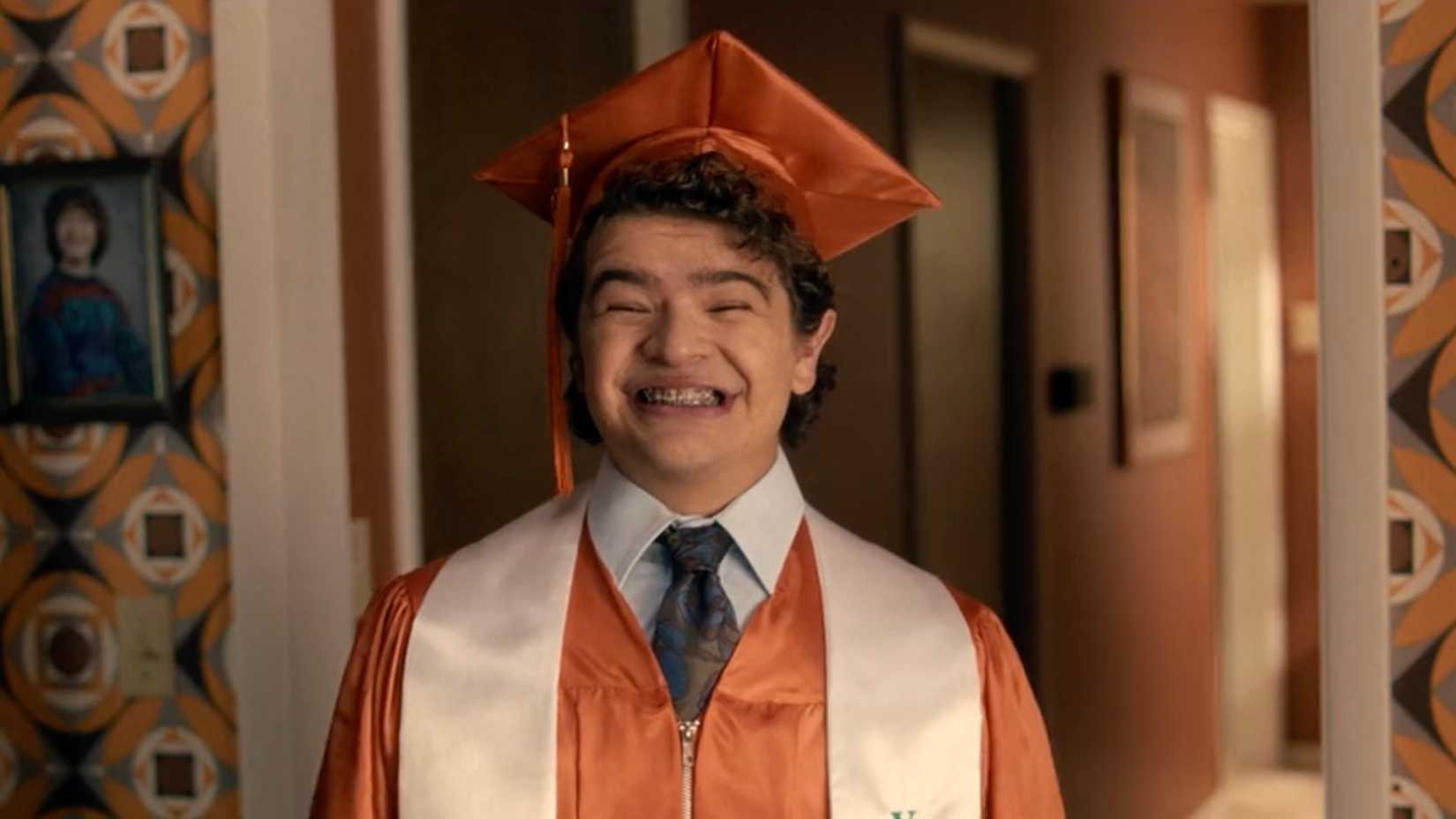
Eleven’s willingness to sacrifice herself for her friends, Dustin’s tribute to Eddie during graduation, and the older kids navigating life beyond Hawkins all feel organic to the story. The show’s progression in “The Rightside Up” doesn’t feel forced or simply designed to shock; it feels natural and earned.
I have to admit, when Arya Stark took down the Night King in Game of Thrones, it felt a little… unexpected, especially since the story had really built up Jon Snow to be the one. Then I saw Joyce Byers defeat Vecna in Stranger Things, and it just worked. It felt so much more meaningful, bringing everything full circle back to the very beginning when Vecna first caused her so much pain with Will. Honestly, no one deserved to be the one to finally stop him more than she did, even Eleven. It was a perfect, emotional payoff.
A big criticism of the final season of Game of Thrones was how rapidly it defeated major enemies – the Golden Company, Euron Greyjoy, the Night King’s army, and finally Cersei – seemingly just to set up Daenerys as the ultimate villain.
The fifth and final season of Stranger Things continued to center on Vecna, but revealed a surprising twist: the Mind Flayer was the true villain in “The Rightside Up.” Unlike Game of Thrones, the show didn’t abandon important antagonists, ensuring key threats were fully addressed.
One of the most disappointing parts of the Game of Thrones finale was how important plotlines, like Jon Snow’s true parents and the prophecy surrounding ‘The Prince That Was Promised,’ were abruptly dropped. While Stranger Things’ ending did leave some characters, like Linda Hamilton’s, underdeveloped and quickly moved past the issue of the pregnant test subjects, it still managed to resolve its main mysteries.
The latest season of Stranger Things finally explained the origins of the Upside Down and Vecna, and gave each main character a heartfelt farewell. It also revealed why Will Byers was so important to Vecna’s plans. While viewers might debate whether these storylines were resolved well, the show at least didn’t leave any major plot points hanging.
Stranger Things’ Finale Has A Lot More In Common With Lost’s Ending
Before Game of Thrones became known for its controversial ending, Lost held that title. The popular mystery series ran for six seasons and concluded in 2010, initially receiving mostly negative reactions. However, unlike the Game of Thrones finale, Lost‘s ending had a dedicated group of fans who considered it a fitting, though imperfect, conclusion to a complicated story.
The reaction to the Stranger Things finale, “The Rightside Up,” is mirroring what happened with the Lost finale. Despite some criticism, a lot of people are actually defending it and saying they enjoyed it. Publications like Nerdist, Medium, and IGN all gave the episode positive reviews, and that’s reflected in user scores too. On IMDb, “The Iron Throne” (the Game of Thrones finale) has a rating of 4.0, while “The Rightside Up” scores a 7.6. Interestingly, the two-part finale of Lost received ratings of 8.4 and 9.1 on the same site.
It’s striking how similar the complaints about the ending of Stranger Things are to those about Lost fifteen years ago. Both shows were criticized for being overly ambiguous – Eleven’s fate, for example, drew comparisons to the confusing flash-sideways scenes in Lost. Both finales also had to let some minor plot points go unanswered (like what happened to the Demogorgons or the meaning of the bird in Lost) to concentrate on the main mysteries, such as Vecna’s origins and the purpose of the island.
Both Stranger Things and Lost have a tendency to answer questions with even more mysteries. For example, the strange cork at the center of the island in Lost opened up a whole new level of backstory that could have supported its own show. Similarly, the rock that connected Henry Creel to the Mind Flayer in Stranger Things could also be the foundation for a spin-off series – and the creators, the Duffer brothers, plan to do just that.
Comparing Stranger Things to Game of Thrones isn’t fair to the Netflix show. While Game of Thrones had significant problems, Stranger Things delivers a finale that, like Lost before it, is likely to spark debate. It’s sometimes unclear and feels unfinished, but ultimately, it feels like a natural conclusion to the story.
Read More
- Clash Royale Best Boss Bandit Champion decks
- Vampire’s Fall 2 redeem codes and how to use them (June 2025)
- Mobile Legends January 2026 Leaks: Upcoming new skins, heroes, events and more
- World Eternal Online promo codes and how to use them (September 2025)
- Clash Royale Season 79 “Fire and Ice” January 2026 Update and Balance Changes
- Best Arena 9 Decks in Clast Royale
- Best Hero Card Decks in Clash Royale
- How to find the Roaming Oak Tree in Heartopia
- Clash Royale Witch Evolution best decks guide
- FC Mobile 26: EA opens voting for its official Team of the Year (TOTY)
2026-01-10 00:49