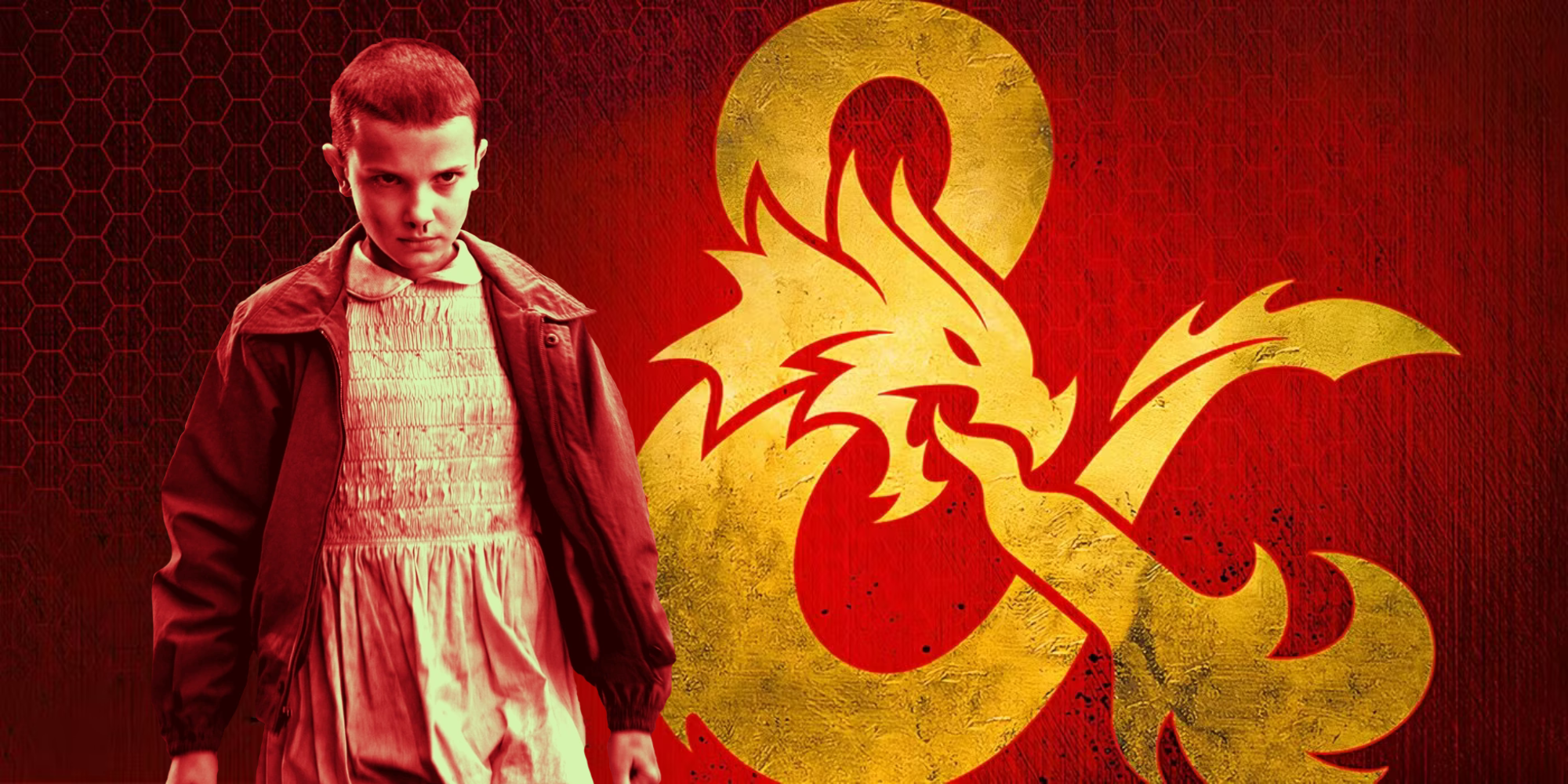
From the very beginning, Stranger Things has made it clear how much it loves Dungeons & Dragons. The show constantly references the tabletop game – using its ideas for storylines and even naming monsters after creatures from the game. This connection gave the show a relatable emotional core, particularly in its first few seasons, helping viewers understand the strange events unfolding on screen.
As the show became more complex, its connection to the original Dungeons & Dragons inspiration began to weaken. The Duffer Brothers recently confirmed, in a post on X (formerly Twitter), what many dedicated fans have observed for a while: the show’s grasp of D&D rules isn’t very strong, and some major plot points actually contradict the game’s established logic.
Will Byers Was Right There, and Stranger Things Missed It
 COURTESY OF NETFLIX © 2025
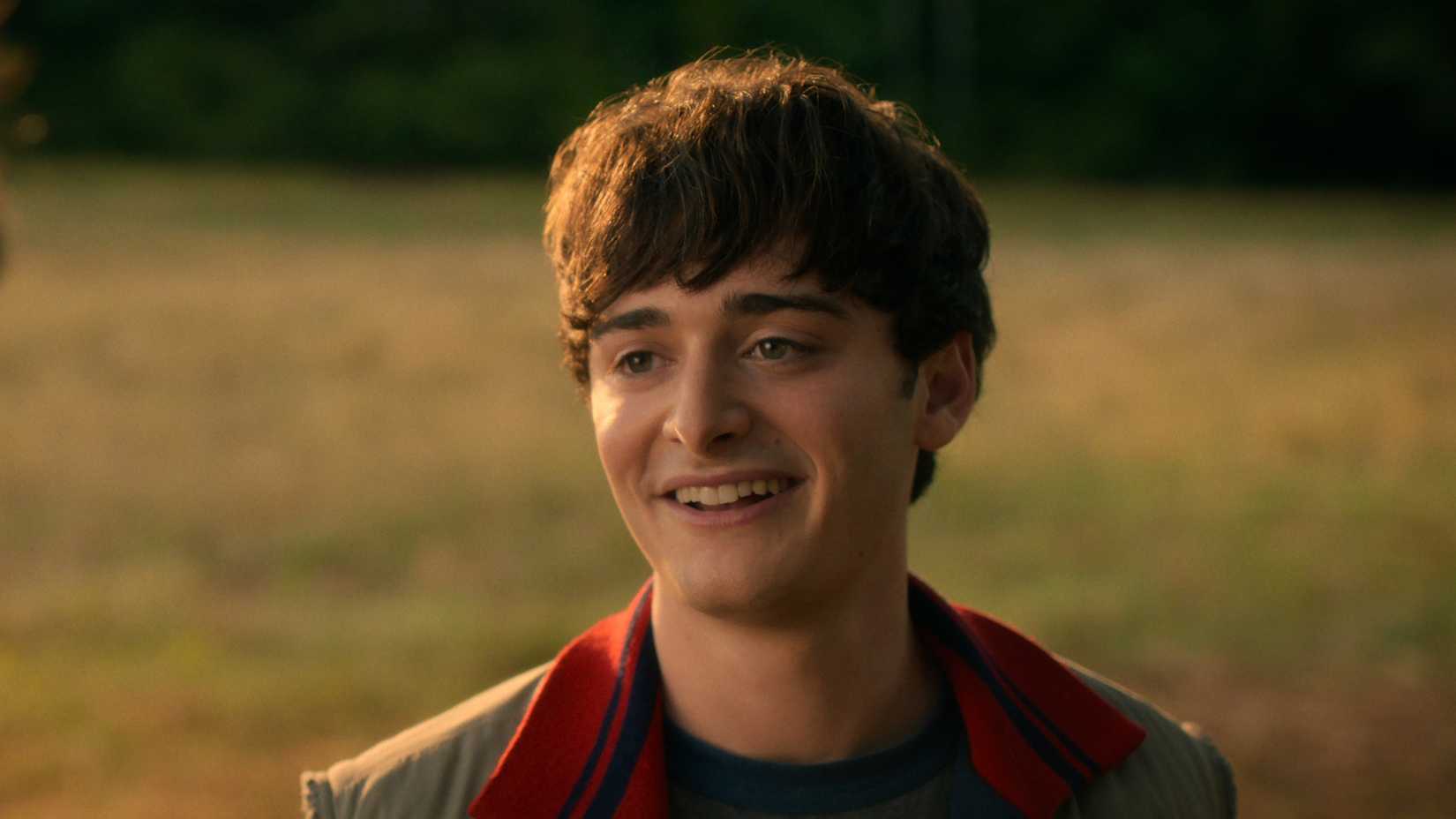
Will Byers is a prime example of this. The show portrays him as a wizard or sorcerer, but those terms don’t quite capture what’s happening to him. He doesn’t learn magic or develop powers on his own – his link to the Upside Down is forced upon him, intrusive, and comes from an external source.
When looking at it like something from Dungeons & Dragons, Will feels more like a warlock than a sorcerer. His powers aren’t based on his own skill or practice, but come from a powerful, outside source. Vecna’s control over him works just like a dangerous deal, one Will didn’t agree to and can’t break free from. Describing him as a sorcerer doesn’t fully capture this important detail and misses an opportunity for a more meaningful comparison.
It’s hard to overlook the problems when the show’s creators admitted they altered the established timeline just to feature Vecna. Changing past details to accommodate a villain isn’t new, but doing so while also ignoring the rules of the source material—something the show used to do so well—feels like a step down.
Vecna, the Mind Flayer, and Saying the Quiet Part Out Loud
The connection between Vecna and the Mind Flayer just makes things more confusing. While the established lore of Dungeons & Dragons clearly defines both characters and their roles, the show blurs those lines in a way that feels unplanned. Rather than enriching the story’s history, it introduces inconsistencies that don’t fit with either the game itself or what we’ve seen in previous seasons of the show.
This uncertainty isn’t limited to the show’s story. When the creators jokingly suggested a continuation only if they needed money, it didn’t sit well with fans. Even as a joke, it makes the ending feel temporary instead of final, which contradicts their previous statements that this season was meant to be the true conclusion.
Given how much Stranger Things relies on heartfelt emotion, fond memories, and genuine feeling, the recent comments feel surprisingly negative. The show doesn’t have to perfectly mirror Dungeons & Dragons, but it does need to feel authentic. When the creators acknowledge they took easier routes or had backup plans, it’s harder to dismiss the issues fans have been noticing.
Read More
- Clash Royale Best Boss Bandit Champion decks
- Vampire’s Fall 2 redeem codes and how to use them (June 2025)
- Mobile Legends January 2026 Leaks: Upcoming new skins, heroes, events and more
- M7 Pass Event Guide: All you need to know
- Clash Royale Furnace Evolution best decks guide
- World Eternal Online promo codes and how to use them (September 2025)
- Clash Royale Season 79 “Fire and Ice” January 2026 Update and Balance Changes
- Best Arena 9 Decks in Clast Royale
- Clash of Clans January 2026: List of Weekly Events, Challenges, and Rewards
- Best Hero Card Decks in Clash Royale
2026-01-09 16:58