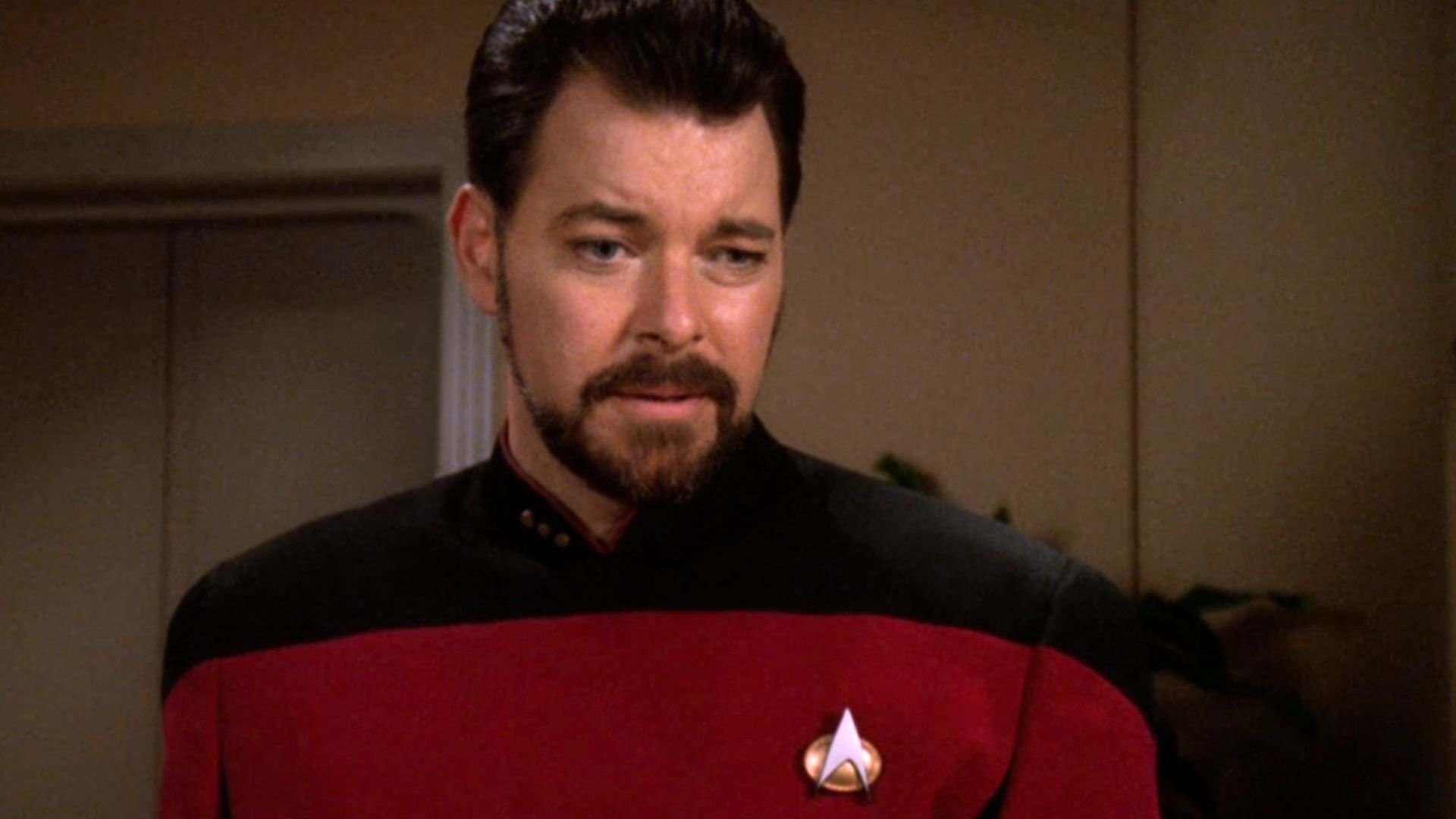
Many episodes of Star Trek have caused controversy, but often those issues fade with time. However, one episode that recently celebrated its 30th anniversary remains as impactful today as it was when it first aired. While the episode uses science fiction elements and has a logical plot, it tackles a deeply sensitive topic that still feels incredibly relevant and powerful in 2026, just as it did in 1996.
In 1996, only two Star Trek series were currently being made. Deep Space Nine was well into its seven-season run, while Voyager was just starting out with its second set of episodes. Voyager hadn’t initially been as popular as previous Star Trek shows, and one particularly criticized episode didn’t help. Despite this, Voyager gradually gained a loyal following and is now considered a fan favorite. Like other Star Trek series, Voyager earned its reputation by tackling complex and often sensitive topics that many other shows avoided.
This article discusses assisted suicide.
Why ‘Star Trek: Voyager’s “Death Wish” Was (& Is) so Controversial
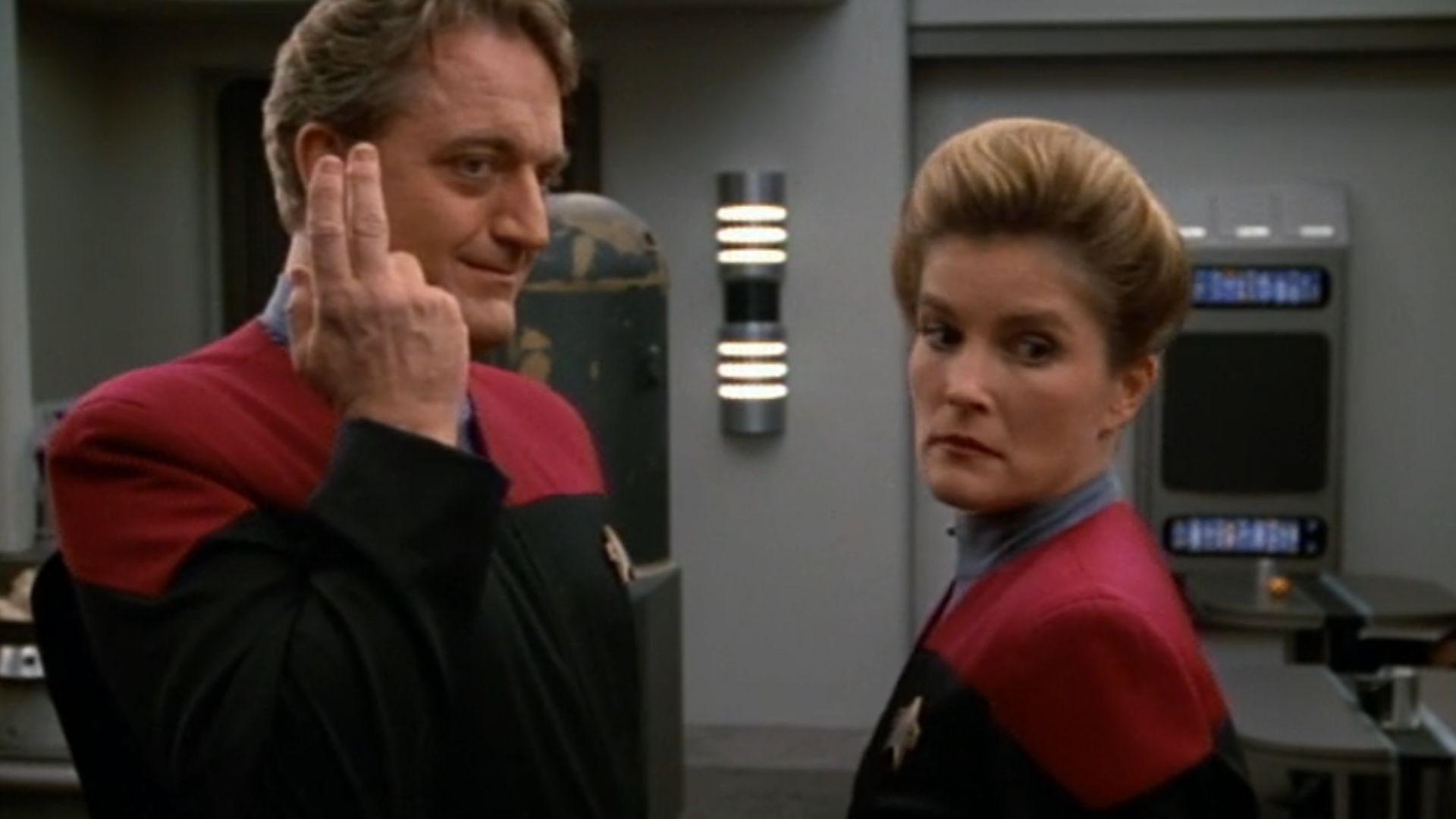
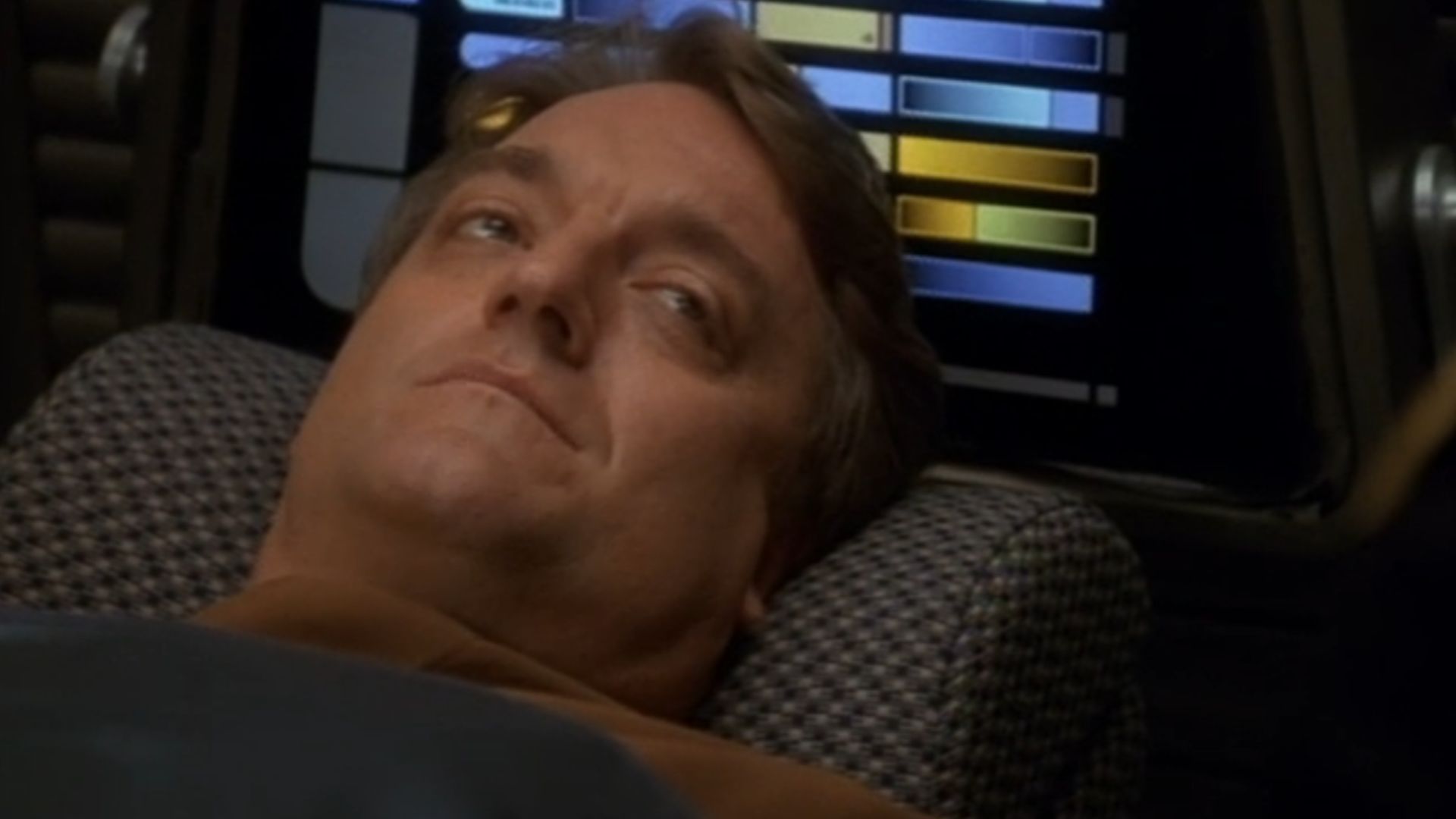
The Star Trek: Voyager episode “Death Wish,” which first aired on February 19, 1996, centers around a surprisingly sensitive topic for a sci-fi adventure. Captain Janeway and her crew discover a comet containing a prisoner who is actually a member of the powerful, god-like Q race. Since all members of the Q Continuum are called Q, this new individual is known as Q2 or Quinn. The episode begins with Quinn playfully showing off his incredible abilities, but quickly takes a serious turn when he expresses a desire to end his life.
The episode “Death Wish” centers on Quinn, a being who feels utterly jaded after centuries of life. He believes he’s experienced everything and is now simply bored with existing. However, as a Q, he’s immortal, which creates a paradox. He desperately wants to die, but can’t unless he gives up his powers. He asks the crew of the Voyager for help in achieving this. Essentially, the episode is about assisted suicide, or euthanasia – a topic considered highly sensitive when the episode aired in 1996, and one that remains largely unchanged in public perception even today.
The episode “Death Wish” tackles a sensitive subject, but frames it with enough science fiction elements that it’s generally accepted as a fictional story. However, using common genre tropes actually highlights the episode’s most troubling aspects. The core issue is Quinn’s desire to die despite being physically healthy, which points to a psychological struggle. While mental health wasn’t widely discussed in 1996 when the episode aired, revisiting it in 2026 reveals how insensitive it sometimes feels. This doesn’t seem to be intentional, but rather a result of the episode being a product of its time.
It’s hard to say for sure, but a show like “Death Wish” probably wouldn’t be made today in the same way. A modern version of the story would likely need to address the fact that the character, Quinn, could have lived much longer if he hadn’t been allowed to end his life. Instead of simply being at peace with his life, a current take might also show him experiencing physical suffering, which could lessen the controversy. While the story is clearly fictional, the underlying message is powerful and can’t be easily dismissed.
The Crossover Elements of “Death Wish” Partially Masked Its Controversial Storyline
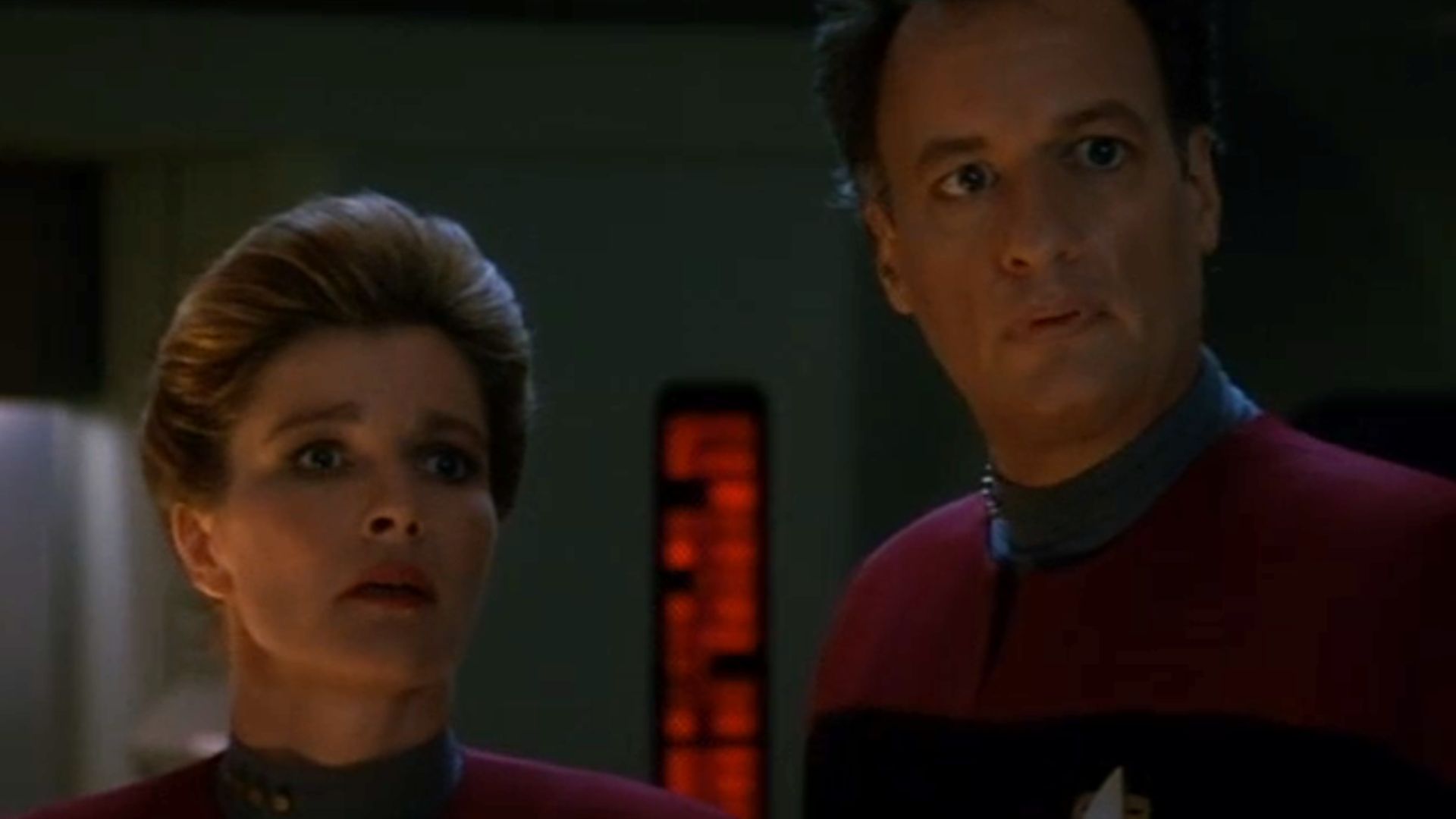
As previously noted, “Death Wish” occasionally managed to present its story as a simple science fiction tale. This was enhanced by including references to other Star Trek shows, which particularly pleased longtime fans. At times, “Death Wish” felt like a continuation of Star Trek: The Next Generation. The introduction of the Q in TNG‘s premiere episode, “Encounter at Farpoint” (1987), made these beings strongly associated with the first live-action Star Trek series since the original.
MovieWeb Report: Subscribe and never miss what matters
Immerse yourself in the cinematic universe with the latest movie news, reviews, and exclusive content from MovieWeb.
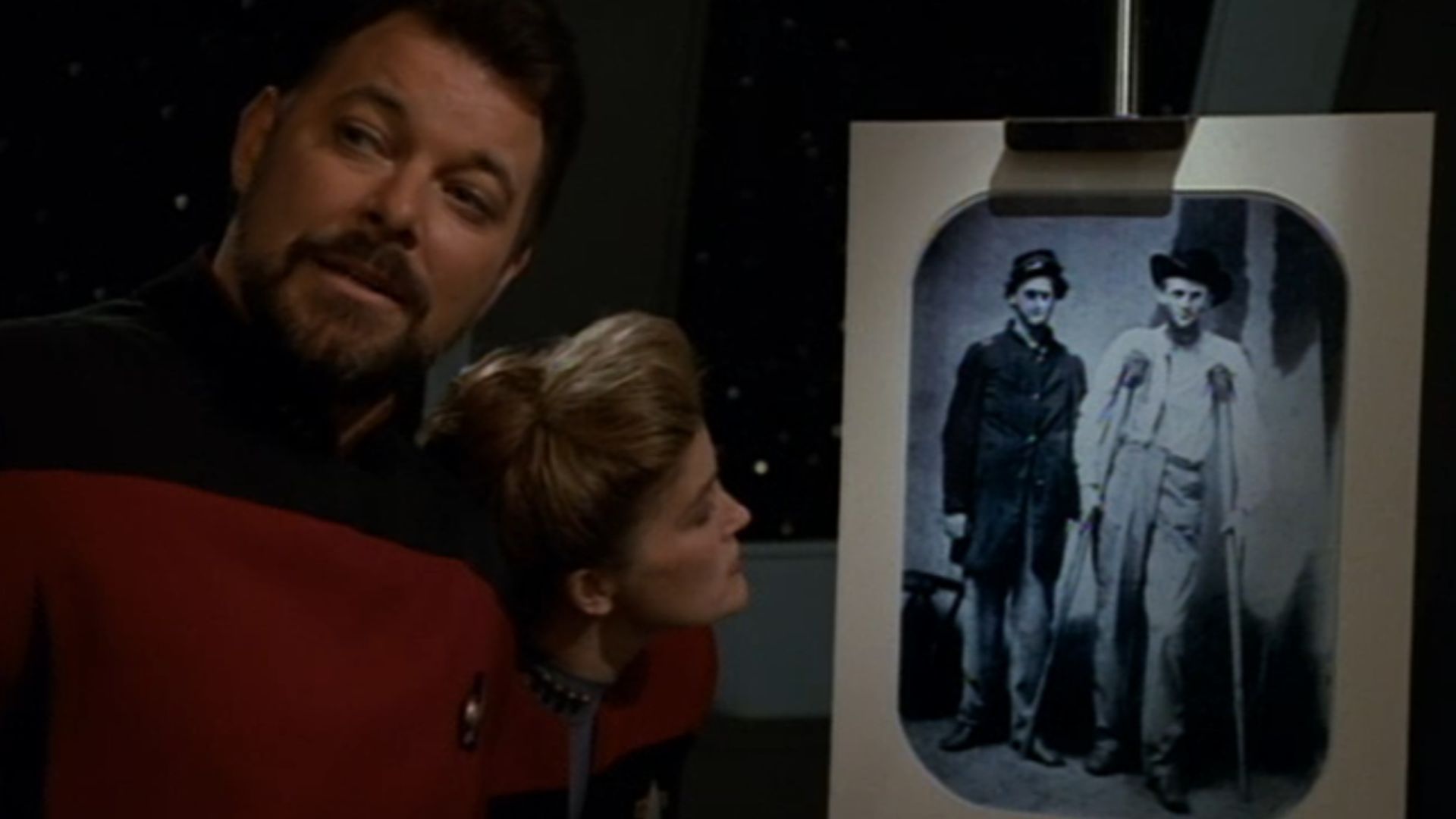
John de Lancie, who famously played the omnipotent Q in multiple episodes of Star Trek: The Next Generation, including the pilot “Encounter at Farpoint,” reprised his role in a Voyager episode, “Death Wish.” He was attempting to dissuade a character named Quinn from choosing to die. In the same episode, Jonathan Frakes made a single appearance as Commander Riker, brought in as a witness for Quinn’s trial. It was revealed that Quinn had actually saved Riker’s ancestor, meaning Riker wouldn’t exist without him – a connection that added depth to the story and pleased fans. Given Voyager‘s remote location in the Delta Quadrant, bringing in guest stars was difficult, but “Death Wish” successfully featured both Q and Riker.
Though Star Trek: The Next Generation concluded in 1994, Jonathan Frakes appeared in a 1996 episode of Voyager called “Death Wish.” At the time, plans for follow-up movies continuing the Next Generation story were already underway.
The ‘Death Wish’ episode was a significant moment for Voyager and Star Trek as a whole. It’s unclear if it was meant to divert attention from the episode’s main ideas, but it definitely seemed to lessen the impact. The story could have focused on a completely new alien race, unconnected to existing Star Trek characters. Had it done so, the episode’s powerful themes likely would have resonated even more strongly with viewers, without the distraction of familiar faces.
Read More
- ‘Project Hail Mary’s Unexpected Post-Credits Scene Is Worth Sticking Around
- Beyond Accuracy: Gauging Trust in Human-AI Teams
- How Martin Clunes has been supported by TV power player wife Philippa Braithwaite and their anti-nepo baby daughter after escaping a ‘rotten marriage’
- Clash Royale Balance Changes March 2026 — All Buffs, Nerfs & Reworks
- Gold Rate Forecast
- CookieRun: OvenSmash coupon codes and how to use them (March 2026)
- The most surprising Hannah Montana cameos: From John Cena to Dwayne Johnson and even a Coronation Street soap star as show celebrates its 20th anniversary
- eFootball 2026 is bringing the v5.3.1 update: What to expect and what’s coming
- Total Football free codes and how to redeem them (March 2026)
- Genshin Impact Version 6.5 Leaks: List of Upcoming banners, Maps, Endgame updates and more
2026-02-19 15:39