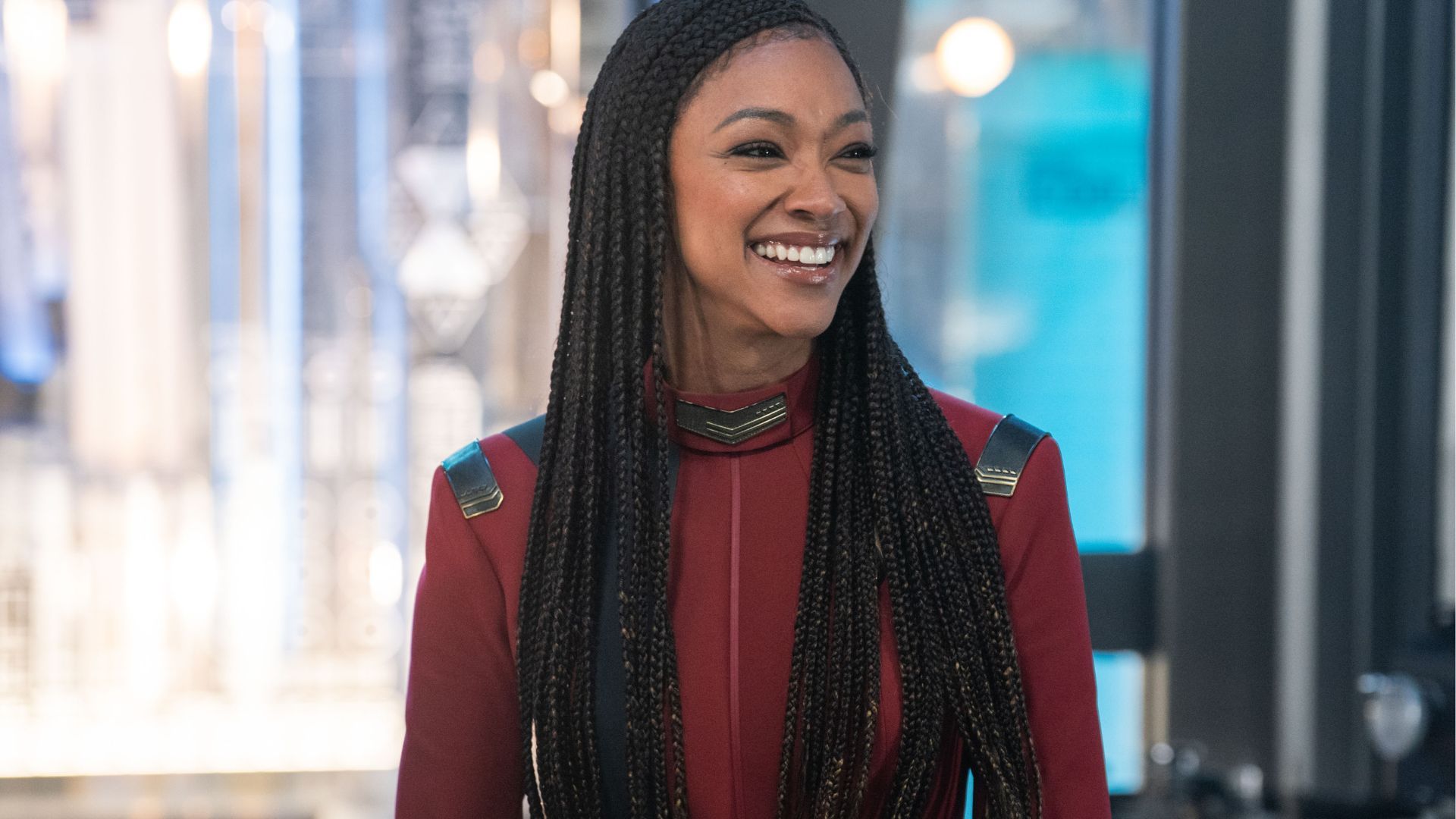
Though Star Trek: Discovery concluded in May 2024, it recently achieved a milestone for the franchise. As the first Star Trek series of its generation, Discovery successfully combined familiar themes with a fresh approach. Despite facing some criticism, Paramount consistently supported the show, allowing it to thrive. And it has – surpassing the success of earlier Star Trek series in impressive ways.
While Discovery still felt like a Star Trek series, it broke with tradition by centering the story around a single main character, Michael Burnham, played by Sonequa Martin-Green, instead of the usual team. This meant some characters didn’t get as much screen time, a choice that wasn’t popular with all Star Trek fans. However, even those who disliked Discovery have to admit it’s significantly influenced the direction of the Star Trek universe.
‘Starfleet Academy Makes ‘Discovery’ the First ‘Star Trek’ Show to Have Two Direct Spinoffs
While you could technically call every Star Trek show after the original series a spinoff, that’s an oversimplification. Most Star Trek series aren’t direct continuations of previous shows; they create their own stories within the existing Star Trek universe. Star Trek: Discovery began as a prequel to the original series and a sequel to Enterprise, but it’s now become the foundation for two new shows that wouldn’t have been possible without it.
One notable success was Star Trek: Strange New Worlds. This show originated from the popular characters introduced on Discovery Season 2, where a new cast took on roles aboard the USS Enterprise. While Strange New Worlds serves as a prequel to the original Star Trek series, it wouldn’t have been possible without the foundation laid by Discovery. The actors—Anson Mount as Captain Pike, Ethan Peck as Spock, and the rest of the Enterprise crew—were initially cast for Discovery. This allowed the spinoff to stand on its own after Discovery’s ship traveled to the 32nd century in its Season 2 finale.
Beyond creating a new Star Trek series with its time jump, Discovery‘s future setting also led to another show: Star Trek: Starfleet Academy. Premiering in January 2026, this series is set after the events of Discovery‘s final season. The return of Starfleet Academy to Earth – a first in many years – wouldn’t have happened without Captain Burnham and her crew’s involvement in 32nd-century politics. Because of this connection, even though Starfleet Academy is only loosely connected to Discovery, it’s hard not to consider it a spinoff.
2025’s ‘Section 31’ Makes ‘Star Trek: Discovery’s Mini-Franchise Even Larger
CBS Studios
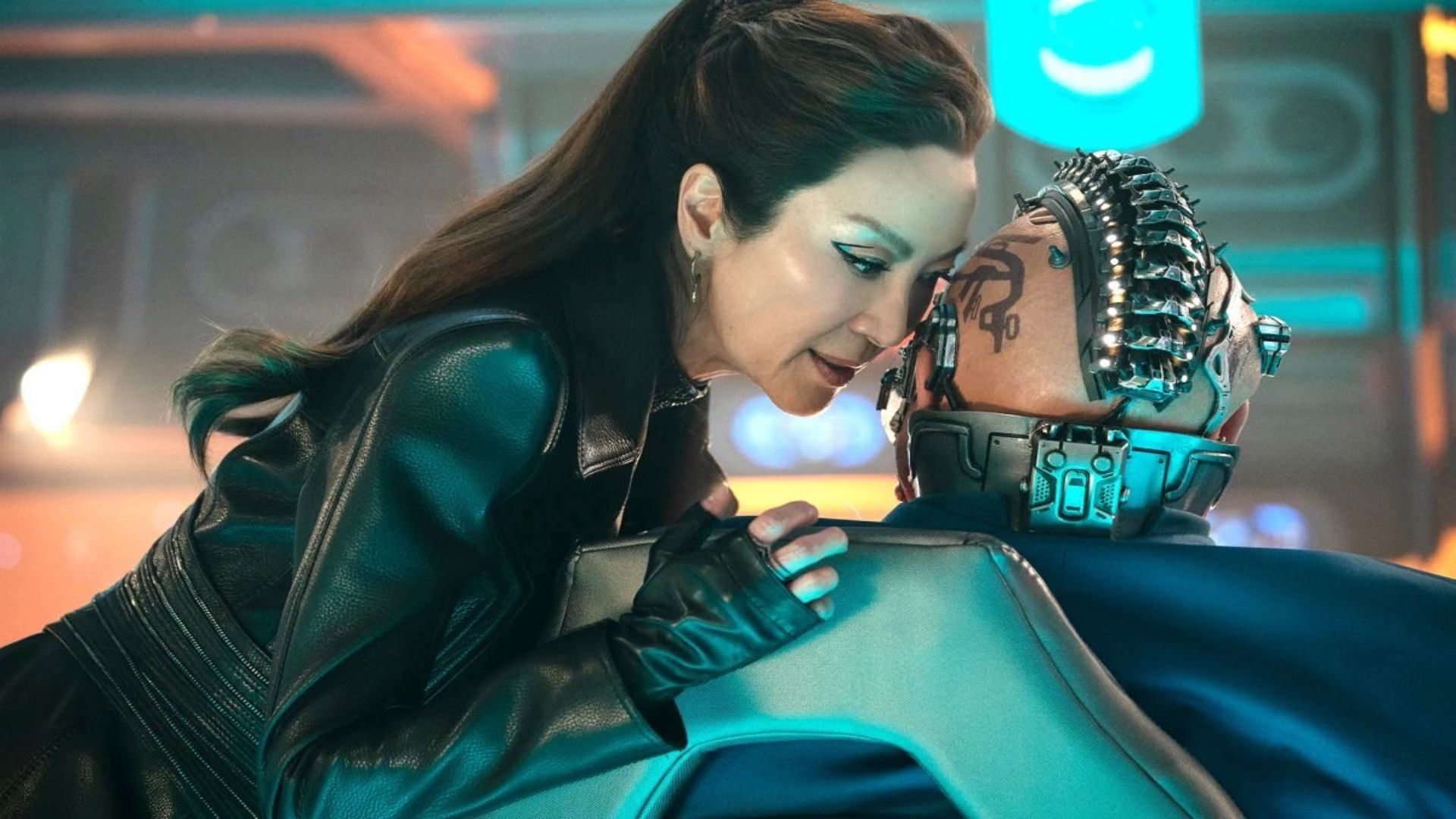
While not the first Star Trek movie, Section 31 marked a turning point for the franchise. It was the first full-length film that felt like a new series branching off, rather than a continuation of an existing show. The story centers on Michelle Yeoh’s character, Emperor Philippa Georgiou, and picks up after she traveled from the 32nd century to the 24th century in the Discovery Season 3 finale, “Terra Firma.” To follow the complete Discovery storyline, including its spin-offs, viewers need to watch Discovery itself, Strange New Worlds, Section 31, and finally, Starfleet Academy.
| The Timeline of Star Trek: Discovery and Its Spinoffs | |
| Movie/Show | Set In |
| Star Trek: Discovery Seasons 1 & 2 | 23rd Century |
| Star Trek: Strange New Worlds | 23rd Century |
| Star Trek: Section 31 | 24th Century |
| Star Trek: Discovery Seasons 3-5 | 32nd Century |
| Star Trek: Starfleet Academy | 32nd Century |
Although it’s cool that Section 31 is Star Trek‘s first traditional spinoff movie, the harsh truth of the matter is that it’s not very good. The straight-to-streaming project was panned pretty much universally by fans and critics alike. Since its release, it has largely been forgotten and is only ever referenced for how disappointing it was. Considering that it was exploring an era of the 24th century that Star Trek had almost never addressed before, it’s especially disappointing that Section 31 was so poor.
Other ‘Star Trek’ Shows Have Come Very Close to Having Two Spinoff Shows
NBC
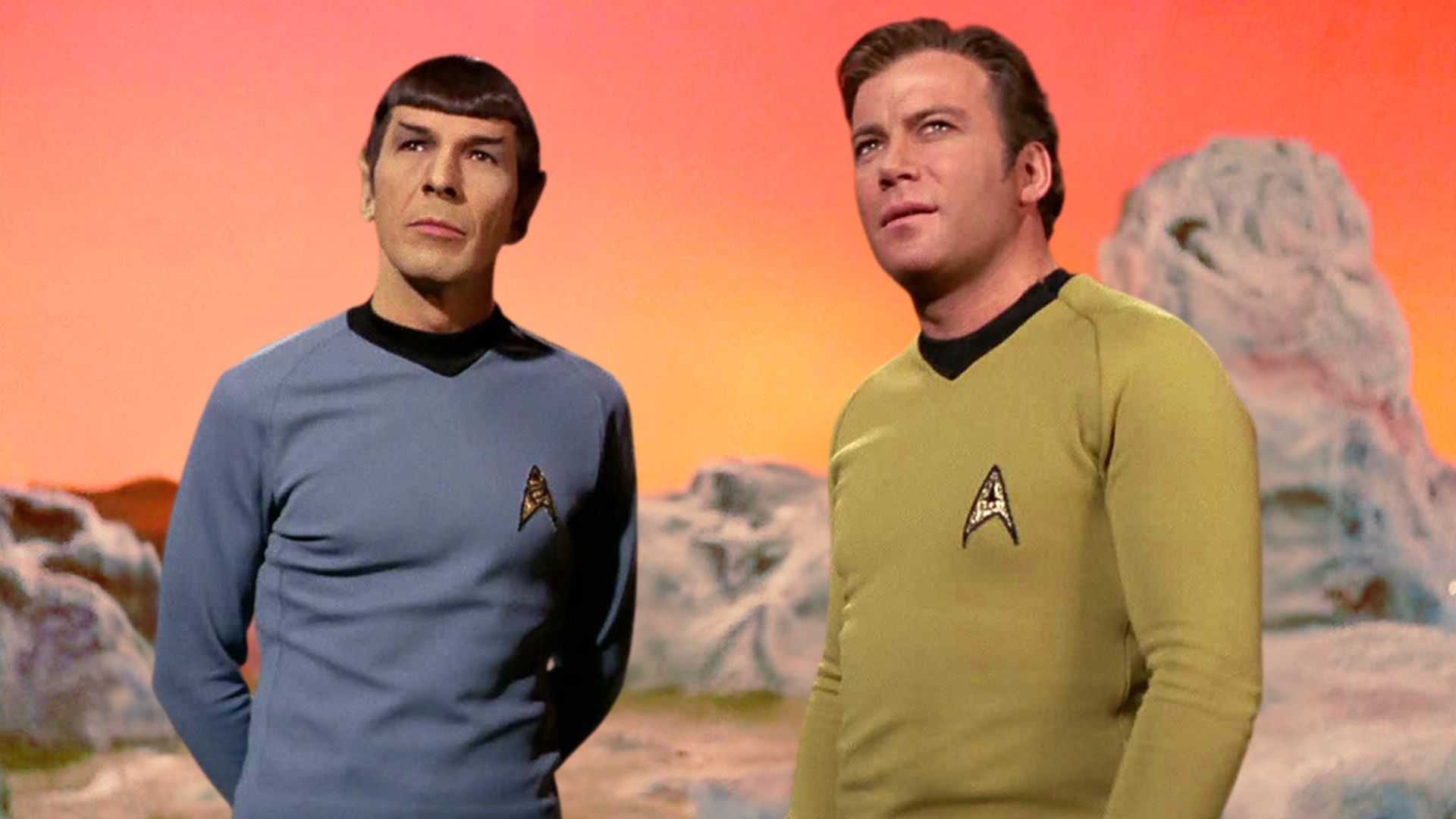
Though Star Trek: The Original Series ended after three seasons in 1969, it continued in 1973 with Star Trek: The Animated Series. While some might see the animated show as a spin-off, it really picked up the story right where the original left off. The same is true for Star Trek: The Next Generation; it’s often thought of as a spin-off, but it’s more like a continuation of the original series’ story with new characters. Technically, the original series could be considered to have spawned these shows, but that’s a bit of a stretch.
Subscribe for deeper Star Trek spinoff insights
Looking for deeper context on Discovery’s spinoff web and franchise milestones? Subscribing to the newsletter offers thoughtful analysis of Star Trek timelines, character lineage, and how new series reshape canon—essential reading for engaged fans.
Besides the original Star Trek, only Star Trek: The Next Generation and Star Trek: Voyager have led to other shows. Star Trek: Picard started years after The Next Generation ended, telling a new story with Patrick Stewart. However, bringing back the original cast in Picard‘s final season made it more of a continuation of TNG than a completely new spinoff. Star Trek: Prodigy could be considered a spinoff of Voyager, but even if it is, Voyager still doesn’t have as many follow-up shows as Star Trek: Discovery.
Read More
- Clash Royale Best Boss Bandit Champion decks
- Mobile Legends January 2026 Leaks: Upcoming new skins, heroes, events and more
- Vampire’s Fall 2 redeem codes and how to use them (June 2025)
- Clash Royale Furnace Evolution best decks guide
- Clash of Clans January 2026: List of Weekly Events, Challenges, and Rewards
- M7 Pass Event Guide: All you need to know
- Brawl Stars Steampunk Brawl Pass brings Steampunk Stu and Steampunk Gale skins, along with chromas
- Best Arena 9 Decks in Clast Royale
- Mobile Legends: Bang Bang (MLBB) Sora Guide: Best Build, Emblem and Gameplay Tips
- Clash Royale Witch Evolution best decks guide
2026-01-05 16:23