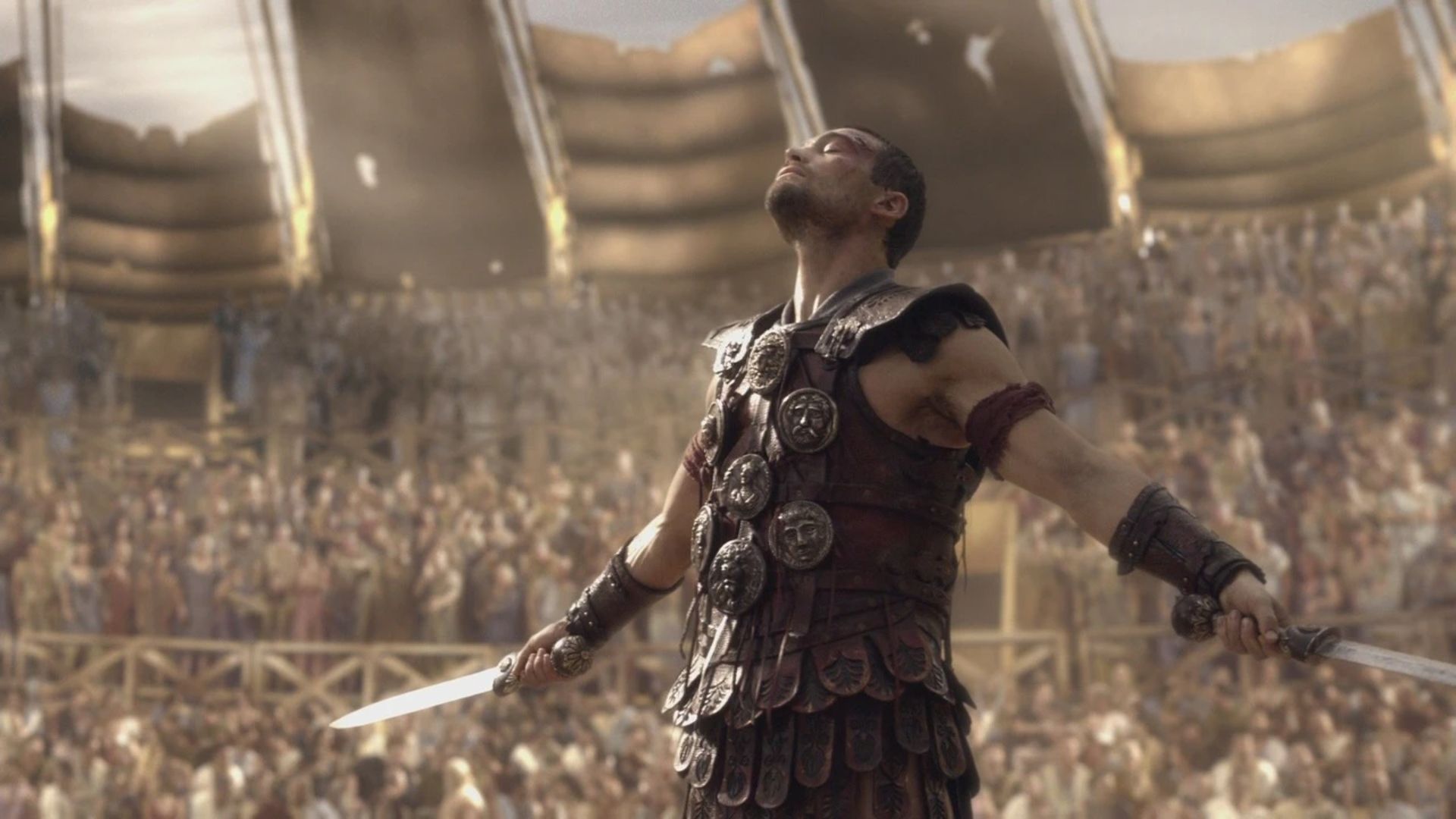
At first glance, the shows Spartacus, Gods of the Arena, and House of Ashur appear to be aimed at viewers who enjoy shows like Nip/Tuck and Californication, with a focus on sex and over-the-top violence. It’s easy to miss something with all the action – a head can roll as quickly as the football changes hands in a Patriots-49ers game! But despite the sensationalism, the Spartacus series is surprisingly accurate when it comes to historical details about the Roman Republic, making it appealing to history enthusiasts.
The original series tells the story of Spartacus, from his beginnings as a Thracian warrior to his fame as a gladiator and ultimately, his leadership of a major revolt against Rome. The first spin-off, Gods of the Arena, focuses on the early days of the House of Batiatus and their first star, Gannicus. The second spin-off, House of Ashur, presents a different version of events, with the cunning slave Ashur taking control of the House of Batiatus and training a new generation of gladiators. If you look past the show’s mature content, you’ll find a strong basis in historical events throughout all these series.
7
The Gladiator Weapons

Starz
The show accurately depicts the weapons used by gladiators during training and in arena fights. We see characters wielding weapons like the retiarius – using a net and trident – the thraex with its small shield and curved sword, and the murmillo, known for its large shield and fish-crested helmet. These aren’t inventions of the series creator, Steven S. DeKnight; historical evidence confirms gladiators actually fought with these same weapons in Ancient Rome.
Ancient Roman writers like Seneca, Juvenal, and Suetonius described the retiarius gladiator – known for fighting with a net – as a high-risk, high-reward combatant. Because they wore no armor, retiarii depended on their agility and skill. In contrast, the thraex was known for inflicting particularly gruesome wounds, and the murmillo was heavily armored for maximum protection.
While generally accurate, Spartacus does take some historical liberties. For instance, the fighting style of the retiarii – gladiators who fought with nets and tridents – didn’t emerge until the 1st century AD, which is after the show’s timeframe (73-71 BC). However, it’s easy to see why the show included them. It would have been a missed opportunity for a series about Ancient Rome to leave out such a famous weapon and fighting method.
6
Decimation as a Form of Punishment
Starz
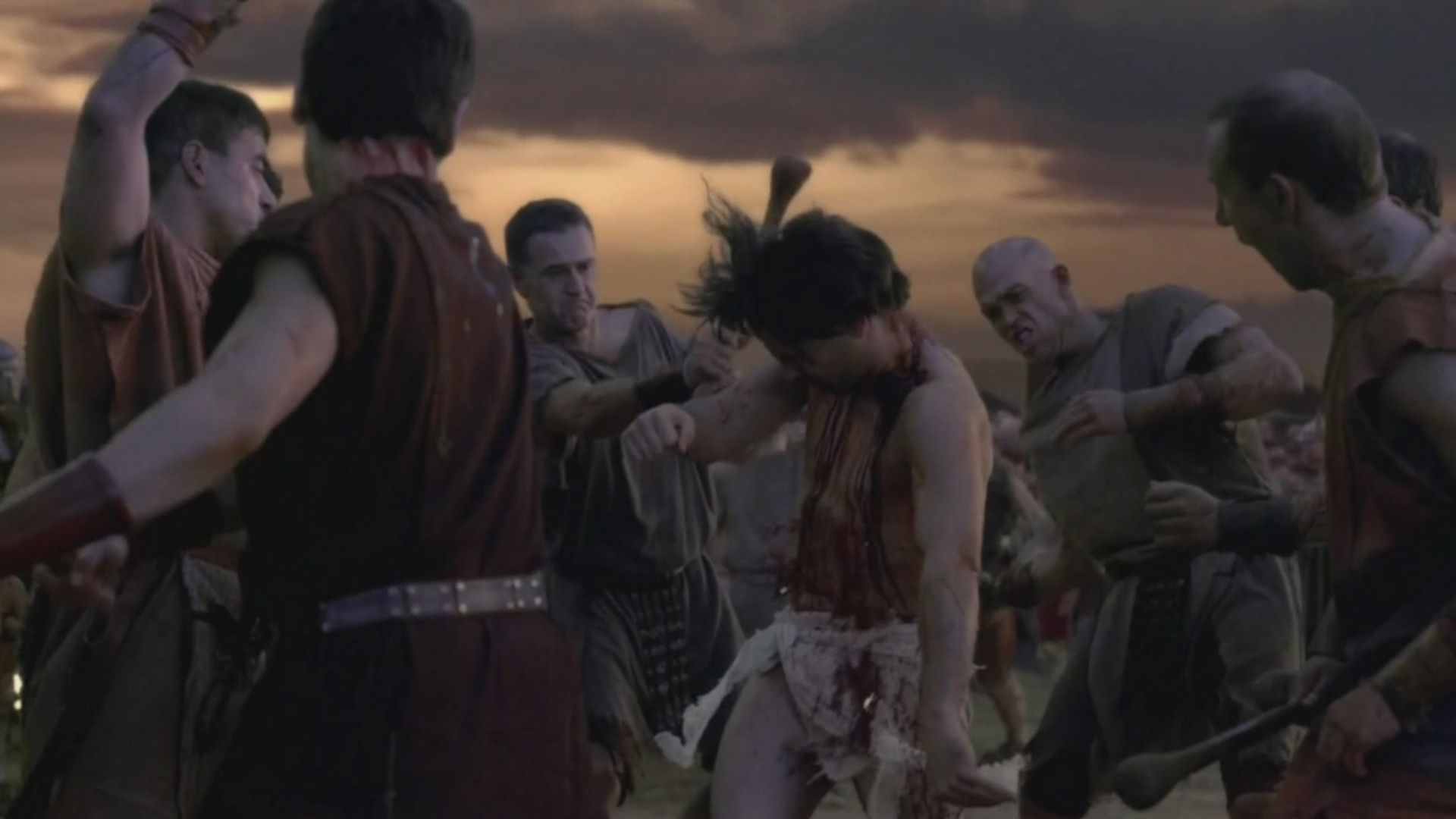
After Glaber’s unsuccessful attempt to crush the slave revolt in Spartacus, the Roman senate asks Crassus for help. He’s the wealthiest man in Rome and the only one who can afford to raise a large army. Although he lacks significant battle experience, Crassus quickly demonstrates skill and brutality as a commander. He enforces strict discipline, using a harsh punishment called decimation – executing one in ten soldiers – after every loss to keep his army focused.
Decimation was a harsh Roman military punishment where soldiers would randomly execute one out of every ten men in their unit, typically by beating or stabbing them. Historian Michael J. Taylor, in his book Decimatio: myth, discipline, and death in the Roman Republic, identifies Crassus as the Roman general who first used this brutal practice as a way to discipline or motivate his troops.
The series predictably portrays the practice of decimatio with intense drama, even implying it was a successful tactic. Just when defeat seemed certain, Crassus’s leadership began to transform the soldiers’ mindset. This shift led them to decisively defeat the forces of Spartacus and Crixus, ultimately bringing the Third Servile War to a close.
5
Latin-like Dialogue
Starz
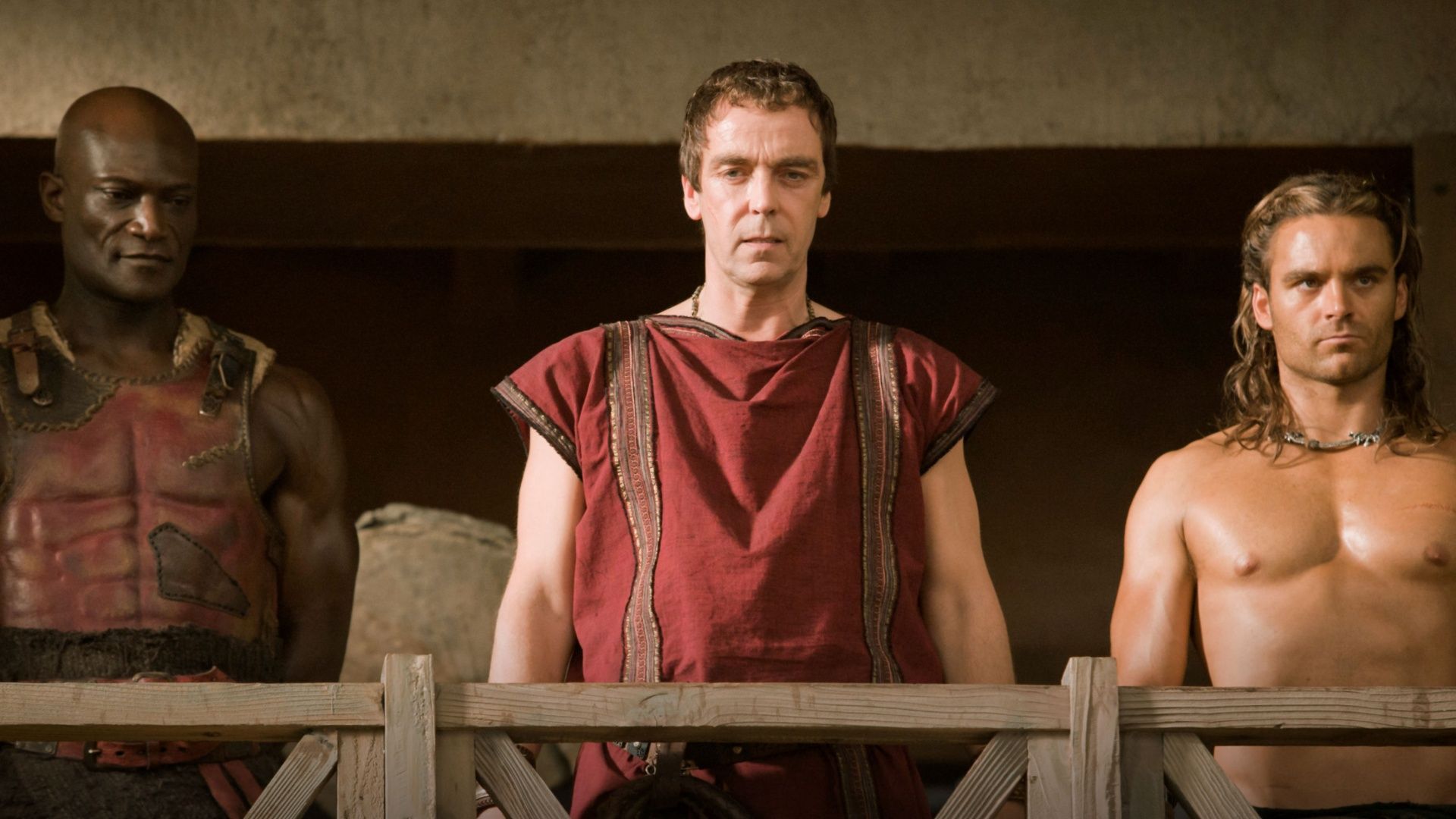
Many films and TV shows about Ancient Rome surprisingly ignore the fact that Romans actually spoke Latin. However, the show Spartacus is different. While it doesn’t rely heavily on subtitles, it thoughtfully incorporates a few Latin words – like ludus (a gladiatorial training school) and lanistae (the person in charge of the school) – into the dialogue. The show also subtly structures its English sentences to reflect Latin grammar.
Unlike English, the Latin language doesn’t use words like ‘a,’ ‘an,’ or ‘the.’ The Starz series intentionally copies this style, with characters saying things like “Bring wine to table” instead of “Bring wine to the table.” This makes the dialogue sound beautifully poetic – a significant improvement over the conversations in many other historical dramas.
Batiatus was the best at delivering witty and memorable dialogue throughout the series. His clever storylines, passionate speeches, and sarcastic humor were consistently hilarious. It’s unfortunate he only appeared for two seasons. Had the Television Academy been more open to the original show, John Hannah deserved an Emmy for making the character uniquely his own. Watching Batiatus at his most energetic, mischievous, and enthusiastic is guaranteed to make you laugh.
4
Social Prejudice Against the Lanistae
Starz
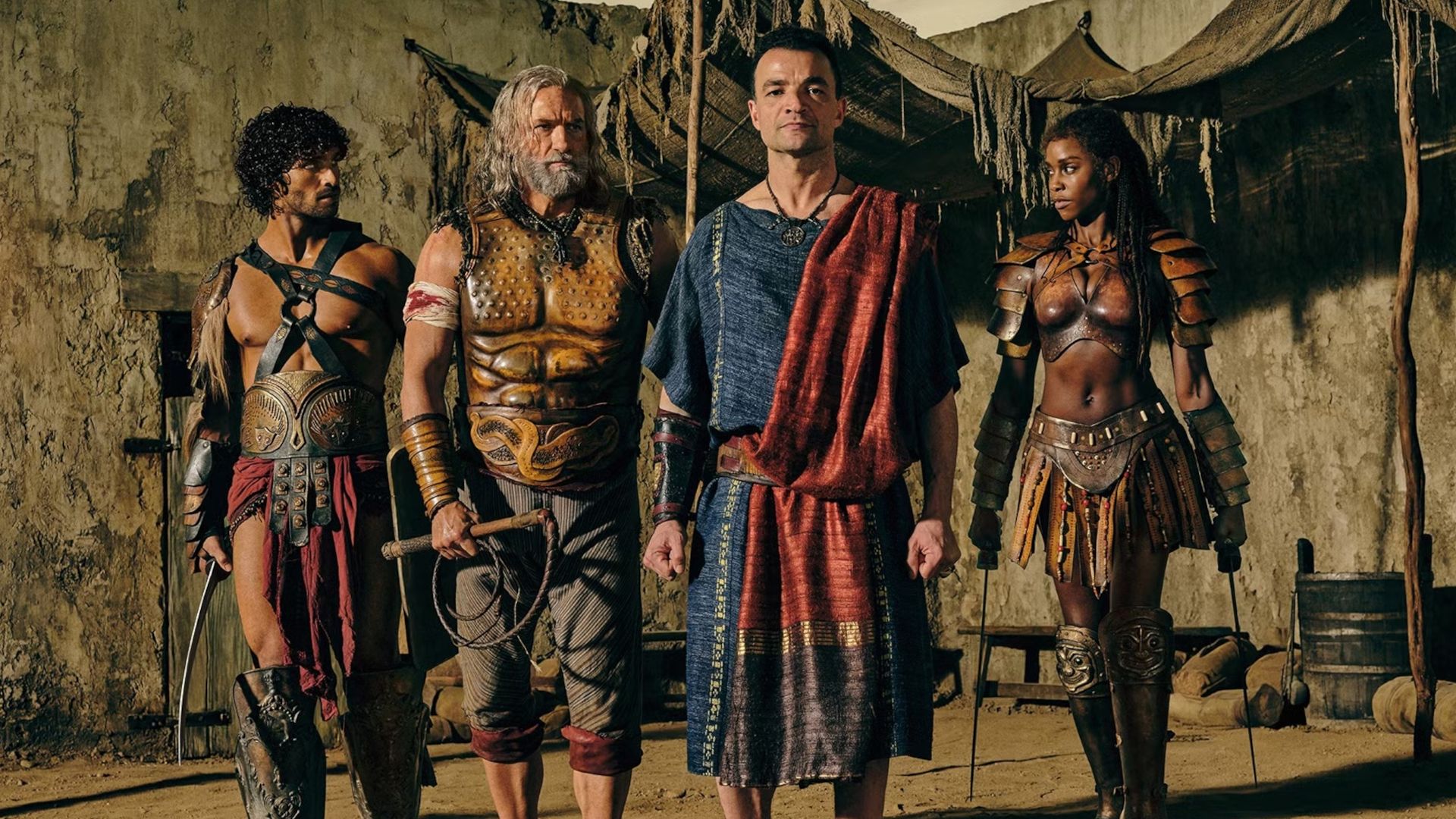
Batiatus is shown as a wealthy man because his gladiators are consistently winning in the arena. However, despite his success, powerful figures like Roman generals and senators still look down on him and other gladiator school owners. Batiatus also struggles with pressure to provide fighters for private, exploitative parties, or risk being ostracized from Rome’s elite. This same prejudice is now directed towards Ashur in the new series.
Historical records show that in the Roman Republic, prejudice was determined by a person’s social class and job, not by their race or ethnicity, as is often the case today. For example, even though some Lanistae (gladiator trainers) were wealthy, they were often seen as low-class due to their association with violence and death.
In both Gods of the Arena and the main series, Batiatus stands out as a fundamentally good person – patient, strong-willed, and fair. These qualities allow him to overcome the limitations of his social standing. He occasionally clashes with his wealthier peers, and when frustrated, he’ll subtly express his disapproval or even plan for payback, but ultimately, he always succeeds.
3
Gladiators Buying Their Freedom
Starz
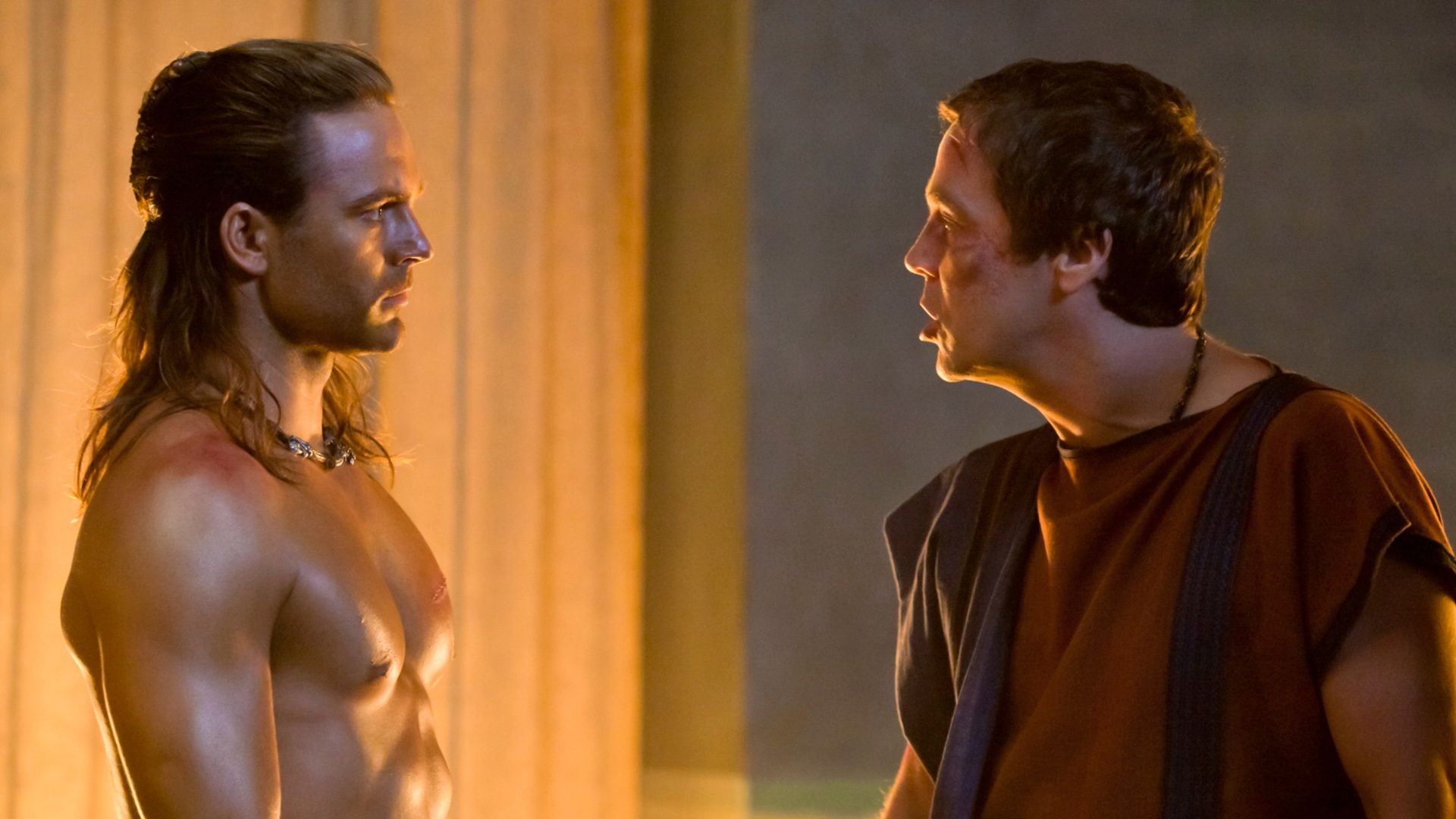
In the series Spartacus, some gladiators earn their freedom through success in the arena, with Gannicus being a prime example. After becoming a celebrated Champion in Capua, he’s released at the end of Gods of the Arena and leaves the gladiatorial school for good. However, he returns in Season 2 (Vengeance) to help Spartacus and the other escaped gladiators fight against Rome.
It was actually possible for slaves to buy their freedom. As William Westermann explains in his book, The Slave Systems of Greek and Roman Antiquity, Roman law allowed masters to give slaves a sum of money called a peculium to reward them for work. For gladiators, winning in the arena was that work. This allowed slaves to earn money, save it, and eventually purchase their freedom.
The show Spartacus effectively uses the concept of peculium – earnings that could buy a gladiator’s freedom – to drive the plot. We first see this with Gannicus, who fights his way to freedom and enjoys a comfortable life afterward. The story suggests Spartacus could have had a similar outcome if Batiatus hadn’t interfered and manipulated events.
2
Slaves Allowed to Have Romantic Relationships

Starz
Throughout the series, several gladiators develop meaningful relationships with women who are enslaved in their homes. While it could seem like these relationships are simply for added sexual content, romantic connections like the one between Crixus and Neavea were historically accepted in Ancient Rome.
Roman law permitted relationships between enslaved people, known as contubernium, primarily to maintain order and prevent unrest. However, enslaved individuals were not allowed to legally marry, as they were considered property and lacked the rights afforded to free citizens. Any children resulting from these relationships were legally considered the property of the mother’s owner.
When the show Spartacus first aired, the romantic relationships between enslaved people sparked a lot of debate. Some viewers loved these storylines, but others criticized them, claiming they were unrealistic given the historical context of Roman slavery. However, it turns out the show was actually quite accurate – slaves in the Roman Republic often had personal freedoms and enjoyed relationships with each other.
1
The Battle Tactics During the Third Seville War

Starz
The second and third seasons of the show feature some of the most exciting action scenes, taking place during the peak of the Third Seville War. Spartacus and his men cleverly defeat the Romans by using surprise tactics – like tricking them into a hidden trench during a blizzard and climbing down mountainsides using ropes made from plants.
According to the philosopher Plutarch, Spartacus cleverly used a snowstorm to his advantage during a battle. He dug a hidden trench and led Glaber’s troops into it – a strategy the series accurately portrays. Robert Shannon’s book, Magistrates of the Roman Republic, adds that Spartacus also crafted ropes from plants to help his army surround and outmaneuver Glaber’s forces.
No showrunner could have ignored these amazing strategies. While reading about them is enjoyable, seeing them play out on screen is even more captivating. It’s unfortunate that Spartacus, despite being brilliant, ultimately lost the war, but Glaber did warn him that Rome would keep sending reinforcements. Glaber strongly predicted, “Rome will send more and more legions.”
Read More
- Clash Royale Best Boss Bandit Champion decks
- Mobile Legends January 2026 Leaks: Upcoming new skins, heroes, events and more
- Clash Royale Furnace Evolution best decks guide
- Vampire’s Fall 2 redeem codes and how to use them (June 2025)
- Best Hero Card Decks in Clash Royale
- Best Arena 9 Decks in Clast Royale
- M7 Pass Event Guide: All you need to know
- Brawl Stars Steampunk Brawl Pass brings Steampunk Stu and Steampunk Gale skins, along with chromas
- Clash of Clans January 2026: List of Weekly Events, Challenges, and Rewards
- Brawl Stars December 2025 Brawl Talk: Two New Brawlers, Buffie, Vault, New Skins, Game Modes, and more
2025-12-10 18:39