Sony Music has sued AI company Udio, claiming that Udio illegally used over 30,000 of its songs.
Sony claims that Udio illegally used music from YouTube to develop its AI technology, without getting permission. Udio allows users to create songs by typing descriptions of what they want, and Sony alleges that the platform can generate audio that closely resembles copyrighted music.
In a recent lawsuit, Sony accused Udio of violating musicians’ and songwriters’ copyrights since its launch. The company claims Udio is prioritizing becoming the leading AI music generator over respecting intellectual property rights, and argues that no AI company should be allowed to grow by infringing on copyright.
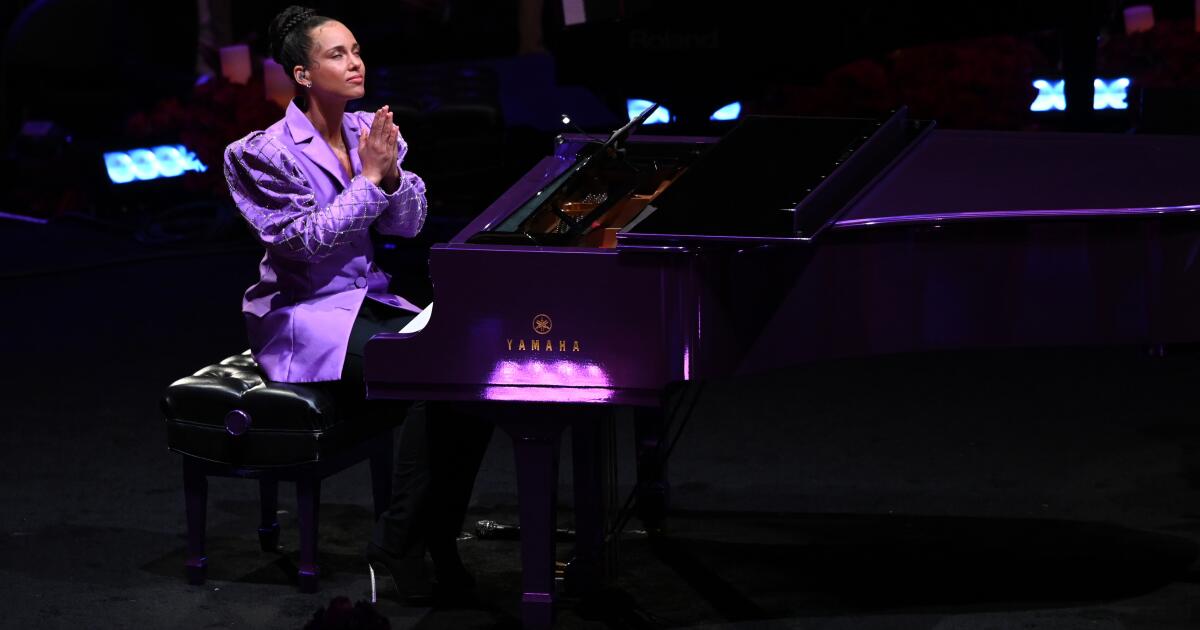
Sony has expanded its legal action against Udio, claiming the AI music generator is using more copyrighted songs without permission. The lawsuit now includes recordings from popular artists like Alicia Keys, Dolly Parton, and Elvis Presley.
In 2024, Sony filed a lawsuit against Udio, as did Warner Music Group and Universal Music Group. However, both Warner and Universal have since reached agreements with Udio to license their music catalogs, allowing artists to decide if they want their work included.

Hollywood Inc.
Universal Music Group and AI company Udio have resolved their lawsuit. The case began when UMG claimed Udio used songs protected by copyright to develop its artificial intelligence technology.
According to Sony’s legal complaint, since the initial lawsuit against Udio began, it’s become clear that when a music service illegally uses copyrighted songs to create AI-generated music, the resulting flood of machine-made tracks will compete with and devalue the original recordings.
Sony is asking for damages ranging up to $150,000 for each copyrighted work that was illegally used, or alternatively, the actual financial losses they’ve suffered, or the profits Udio made as a result of the infringement. They are also seeking to recover other related expenses and legal costs.
Udio did not immediately return a request for comment.
So, about that lawsuit filed this year? As someone who loves movies, I was really interested in the company’s response. Basically, they’re saying they fully support the tech they’ve built and, crucially, have no intention of using copyrighted material to train their systems. It’s good to hear they’re taking this seriously and respecting creative work.
Udio explained that their AI music model, like other generative AI, learns by studying examples. Similar to how a music student learns by listening to songs and reading sheet music, the model was trained by processing a vast library of recorded music.

Hollywood Inc.
Digital actor Tilly Norwood will star in her first movie, a comedy drama called ‘Misaligned.’
With AI technology rapidly improving, many in Hollywood are worried about AI models being trained on their work without their consent or fair payment. However, AI supporters argue that it can benefit the entertainment industry by lowering costs – especially in areas like visual effects – and allowing for more experimentation with new concepts.
Disney and Universal are suing AI businesses, claiming they’ve violated copyrights. Meanwhile, other entertainment firms like Lionsgate, the studio behind “Hunger Games,” are working with AI – they’ve even invested in AI startup Runway as part of a growing collaboration.
Sony and UMG still have ongoing lawsuits against AI startup Suno.
2026-07-21 22:31