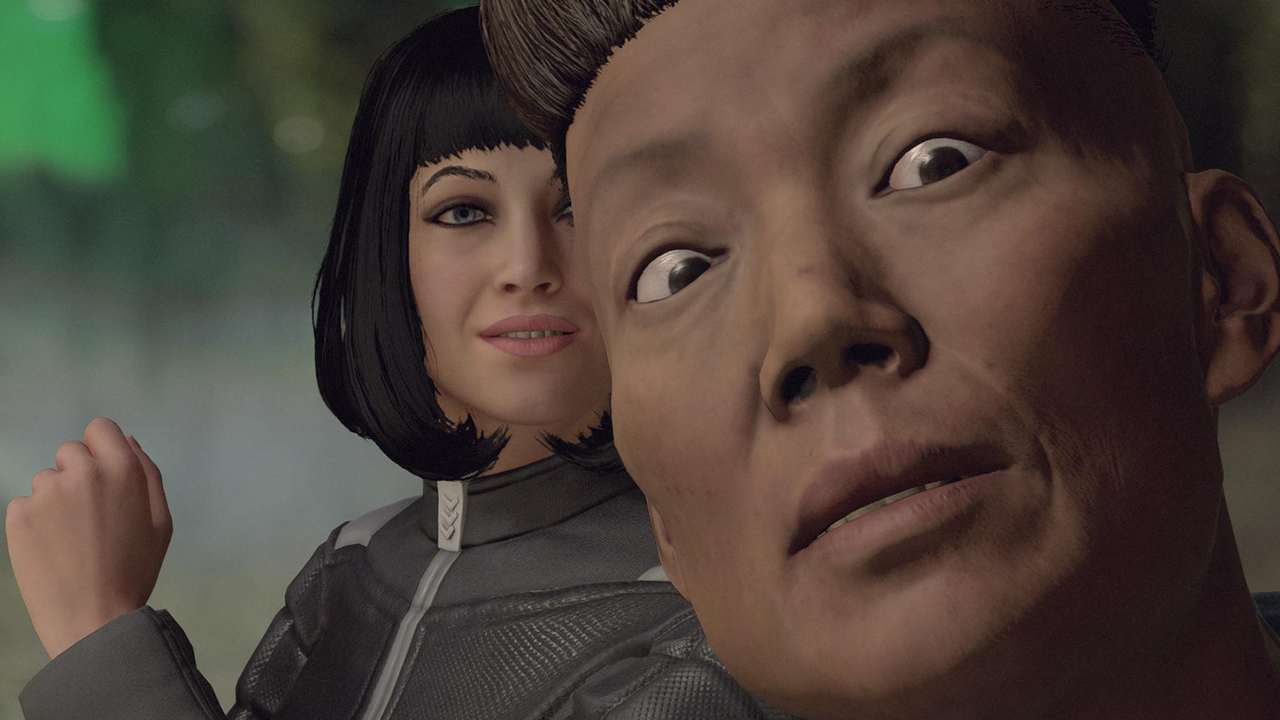
Starfield is a captivating RPG, though what’s truly compelling isn’t necessarily the gameplay itself, but the story behind its creation and what it represents. It’s a hugely ambitious project, packed with features typical of open-world RPGs, and made by a dedicated team over many years. So, why hasn’t it been the massive hit everyone expected, and what lessons can we learn from its journey?
So, I was reading an interview with Kurt Kuhlmann, who used to be the lore master for The Elder Scrolls and worked on Skyrim, and he basically said the biggest issue with Starfield is that it just didn’t all come together as a really solid, cohesive game. It felt a little disjointed, apparently.
Kuhlmann departed Bethesda in 2023, coinciding with the release of Starfield. Having been with the company throughout the game’s development, he witnessed significant shifts in Bethesda’s work processes and internal communication.
Working on Skyrim was a large project, but the development process felt more straightforward. He was a lead developer, working directly with the team, including all the quest designers. However, things began to shift after Skyrim, and this was a major issue for Kuhlmann.
When Starfield was being developed, Todd Howard remained the creative director, but he worked with a larger team of leaders. These leaders weren’t just directors within a single studio; they included heads and producers from various studios involved in the project, according to Kuhlmann.
Sometimes, when speaking with key people in one location, you’d get one response, while the same question asked to those in another location might yield a different answer.
Kurt Kuhlmann
He felt uneasy with the idea of leaders simply creating content. While he wasn’t sure if their approach was incorrect, he believed that when managing a large project with many people, a leader’s primary focus shouldn’t be on content creation itself.
After Zenimax bought several game studios and Bethesda’s projects grew larger, communication became a challenge. Teams got so big that it wasn’t always clear who had the final say. According to Kuhlmann, different people would often receive different answers depending on which studio lead they spoke with.
As Howard took on more work, things started to slow down. Decisions were often delayed because Todd, who sometimes had to break ties, was too busy to weigh in.
Kuhlmann praises Howard as a strong project leader, but notes that as the company grew, he spent less time on actual game design. This was especially problematic with Starfield, where Howard was frequently diverted from the game itself, which negatively impacted its development.
Kuhlmann initially thought the game was solid when it launched, calling it a finished product, though not a masterpiece. He explained that after a long development period, it was time to release it, but he doesn’t believe it was rushed. In fact, Starfield turned out to be Bethesda’s most refined and smoothest open-world RPG to date.
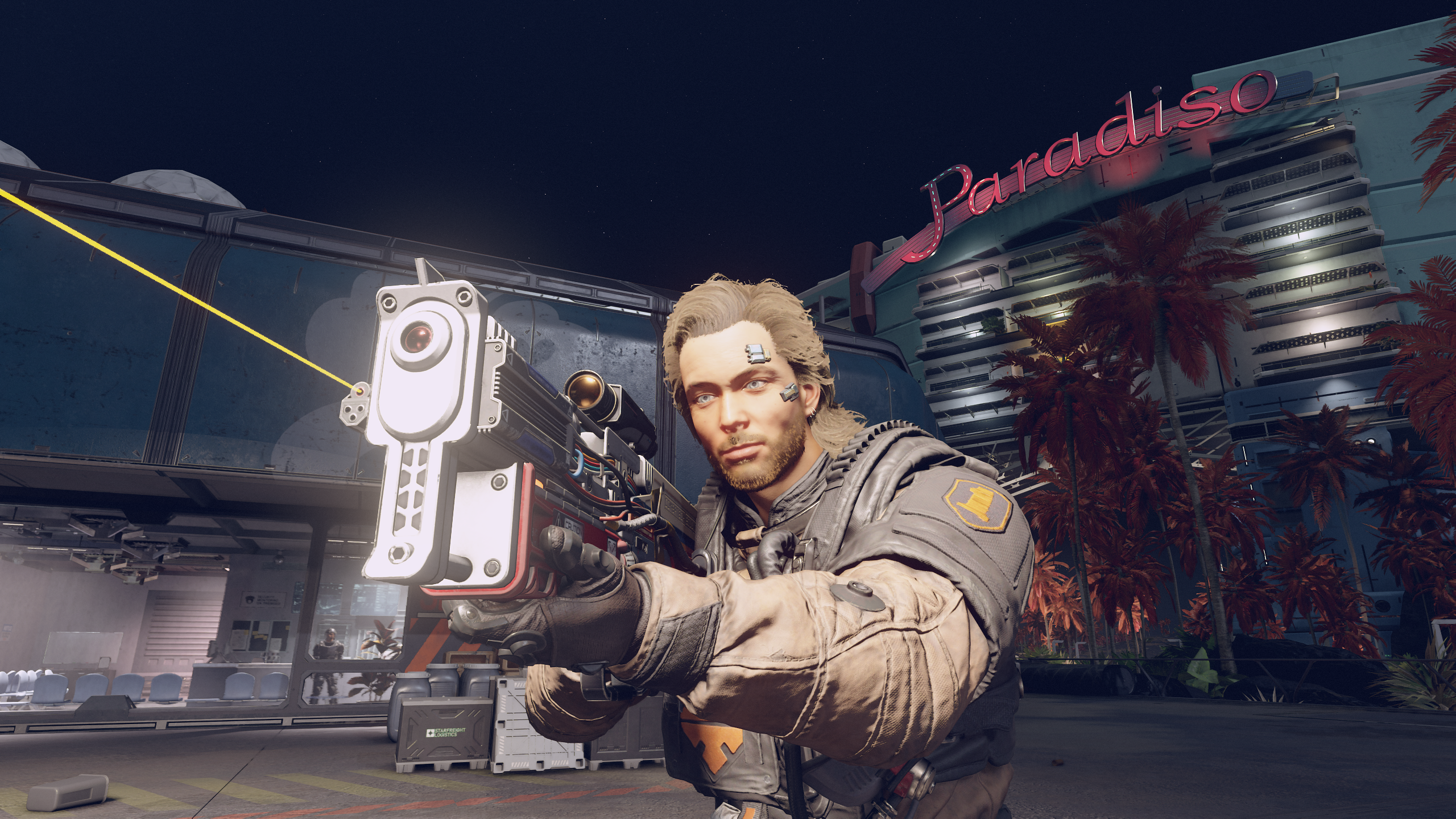
Starfield suffered because Bethesda tried to do too much. Unlike previous games – with Fallout 76 being the only real exception as an experiment with multiplayer – each title was usually built upon the strengths of what came before. As Kuhlmann explains, they typically used the previous game as a base and then added new features.
According to Kuhlmann, Starfield felt like a completely new experience for about half of its features, thanks to its space setting, spaceship battles, automatically created planets, and customizable ships. Bethesda, however, seemed to have lost some of its expertise in game development, which had previously been a major strength.
To address these challenges, Bethesda had to significantly increase their team size, which led to questions about managing such a large group and ensuring everyone was aligned. They also lacked established expertise in realistically depicting space, spaceships, and how to incorporate these elements into the game’s quests.
When you add the absence of shared understanding to existing communication difficulties, it creates new challenges.
According to the quest designer, Kuhlmann, difficulties emerged because the core mechanics of spaceships and planets weren’t functioning as intended for a considerable period. This forced the team to improvise when building missions, quests, and stories, as their initial ideas about how space travel would work were constantly revised or discarded. They had to adapt to frequent changes in the fundamental workings of these systems.
We can’t release a game that has the kind of problems 76 had when it was released.
Kurt Kuhlmann
This resulted in quests needing to be redesigned, which was expected. However, Kuhlmann explains that developers also started avoiding adding new features that might later need changing. This created a lack of consistency in the game, as many elements were constantly being revised or were uncertain for a long time.
The rocky start of Fallout 76 cast a long shadow over the development of Starfield. Although Fallout 76 has improved significantly and become a successful multiplayer game, its initial release was plagued with issues and bugs. According to Todd Kuhlmann, Bethesda learned from that experience. They knew they couldn’t repeat the same mistakes with Starfield, which is why the team took extra time to polish the game before launch.
I was really hoping Starfield would be the next Skyrim, you know? It was great that it actually launched without being totally broken, which is a big win for Bethesda! But honestly, it didn’t quite capture the same magic for a lot of people, and I think some were surprised by that. From what I’ve heard, the developer expected the reaction to be pretty much what it was – a solid game, but not a universal phenomenon.
He described the game as decent, but not among Bethesda’s strongest titles. He explained they attempted a significant shift into a new genre with many new features, and acknowledged it’s difficult to compete with established games in that genre, especially those refined over several versions. Ultimately, he felt the game was good enough, and certainly not a failure.
Despite enjoying Starfield’s visuals and realistic space elements – which he considered excellent – Kuhlmann felt the game lacked overall cohesion. He explained that the different parts of the game didn’t quite connect, preventing it from reaching the same level of quality as some of the developer’s other titles.
Read More
- The Division Resurgence Best Weapon Guide: Tier List, Gear Breakdown, and Farming Guide
- Kagurabachi Chapter 118 Release Date, Time & Where to Read Manga
- Last Furry: Survival redeem codes and how to use them (April 2026)
- Clash of Clans Sound of Clash Event for April 2026: Details, How to Progress, Rewards and more
- Annulus redeem codes and how to use them (April 2026)
- Gold Rate Forecast
- Silver Rate Forecast
- Gear Defenders redeem codes and how to use them (April 2026)
- All Mobile Games (Android and iOS) releasing in April 2026
- Top 5 Best New Mobile Games to play in April 2026
2026-01-21 17:19