
During a recent Senate hearing, lawmakers questioned Federal Communications Commission (FCC) Chairman Brendan Carr about several issues, including concerns over media censorship, the FCC’s role in overseeing media, and accusations that he tried to intimidate ABC over comments made by comedian Jimmy Kimmel a few months ago.
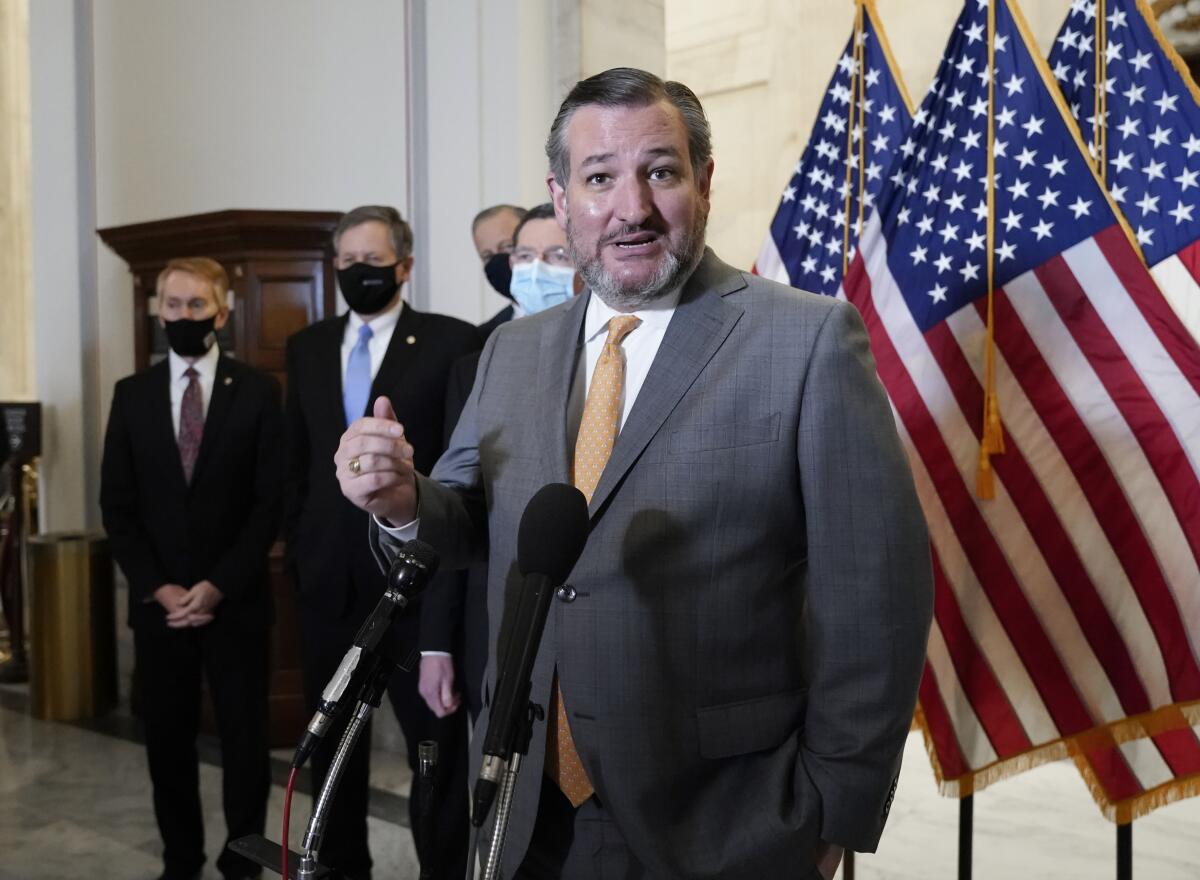
Senator Ted Cruz held a hearing with the Senate Commerce, Science, and Transportation Committee on Wednesday to discuss the recent controversy surrounding ABC’s temporary suspension of “Jimmy Kimmel Live!.” This came after a wave of criticism on social media regarding comments made by Jimmy Kimmel following the death of conservative activist Charlie Kirk.
On September 17th, Walt Disney Co. removed Jimmy Kimmel’s show from the air shortly after a suggestion that ABC, owned by Disney, should discipline Kimmel for his comments or risk review by the Federal Communications Commission. Following this, two large groups of TV stations also stopped airing Kimmel’s show, but both groups brought it back a few days after ABC began producing new episodes again.
Progressives were angered by the FCC chairman, appointed by President Trump, for potentially violating the First Amendment rights of broadcasters. Several Republicans, including Ted Cruz, criticized Chairman Carr after he implied to ABC that broadcasters could face consequences either through cooperation or through more forceful action.

Hollywood Inc.
Since becoming chairman of the communications agency, Carr has brought attention back to concerns about news bias and started investigations into diversity programs at Comcast and Disney. Recently, he publicly criticized NBC’s reporting on the Kilmar Abrego Garcia situation.
Cruz, in September, said that Carr’s comments belonged in the mob movie “Goodfellas.”
On Wednesday, Carr clarified that his remarks about Jimmy Kimmel weren’t meant to be threats to Disney or the two groups of ABC stations that chose not to air his show.
The chairman stated the FCC has the legal power to ensure TV stations operate for the benefit of the public. However, he didn’t explain how a single, confusing line from Jimmy Kimmel’s September 15th show broke the rule requiring broadcasters to serve their local communities.
Okay, so Senator Cruz actually started off really nicely, giving FCC Chairman Carr a lot of credit for his first year. But honestly, the Democrats on the committee kept trying to turn the whole three-hour hearing into a discussion about whether the Trump administration was trying to go after TV and radio stations that the president didn’t approve of – and whether Carr was okay with that. It was a bit of a shift from the positive start!
As a big follower of media and politics, I remember a lot of criticism aimed at Carr back then. Many Democrats accused him of being too loyal to the president and not acting as an impartial regulator at the FCC, which is supposed to be independent. It felt like they thought he was prioritizing political allegiance over doing what was best for fair licensing.
Even though the Communications Act of 1934 established the Federal Communications Commission (FCC), FCC Commissioners Brendan Carr and Olivia Trusty explained that the agency doesn’t operate with complete independence.
The two Republican lawmakers argued that, since the president controls appointments to the FCC, the agency functions more like other government departments.
Senator Andy Kim (D-N.J.) directly asked Christopher Carr if President Trump was his boss. He then questioned whether Carr recalled the oath he took to uphold the Constitution, reminding him that all federal officials, including Carr, are sworn to protect it.
Kim stated, “The American people are the ones in charge.” She then asked if the president or top officials had ever discussed using the Federal Communications Commission to target those who criticize them.
Carr declined to answer.

As a long-time follower of the FCC, I always found Commissioner Anna M. Gomez, the sole Democrat, really stood out. She often disagreed with the other commissioners, and I remember there was a particularly interesting debate about whether the FCC was unfairly favoring Trump’s agenda when it came to approving mergers. It was clear she wasn’t afraid to question things, which I really appreciated.
Trump also continued to criticize news organizations he dislikes, posting on Truth Social that NBC News should be embarrassed for conducting what he called “garbage ‘interviews'” with his political opponents, specifically Senator Raphael Warnock of Georgia.
Trump suggested that NBC and other television networks should pay a substantial fee for using publicly owned broadcast frequencies, which he described as highly valuable.
The Federal Communications Commission’s approval of Larry Ellison’s family acquiring Paramount was delayed for several months. The deal finally went through after Paramount agreed to pay Donald Trump $16 million to resolve a dispute over changes made to a pre-election interview with Kamala Harris that aired on CBS’s “60 Minutes.”
Hollywood Inc.
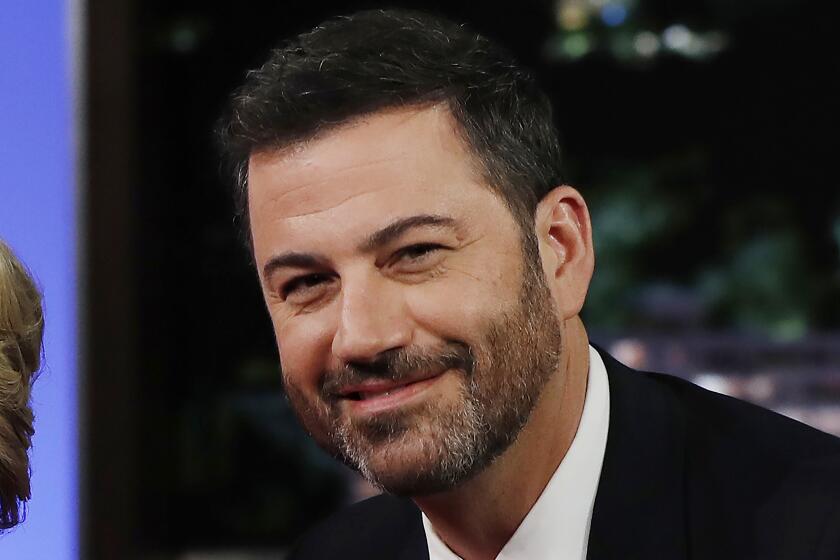
On his show Monday, Jimmy Kimmel suggested the person who allegedly attacked Charlie Kirk could be a supporter of Donald Trump.
According to Gomez, the FCC is clearly using its power over company mergers and legal actions to try and control what content is published.
The hearing occasionally turned into a debate between Democrats and Republicans about which party had historically been more likely to violate First Amendment rights. Senator Cruz and other Republicans brought up a 2018 letter where three Democratic members of the committee asked the Federal Communications Commission to look into Sinclair Broadcast Group, a conservative media company.
Senator Cruz criticized Democrats, saying they seem to have recently acknowledged the importance of the First Amendment. He suggested they should respect it even when they hold power, and that it shouldn’t be used to unfairly attack opponents.
“We should respect the free speech of all Americans, regardless of party,” Cruz said.
Hollywood Inc.
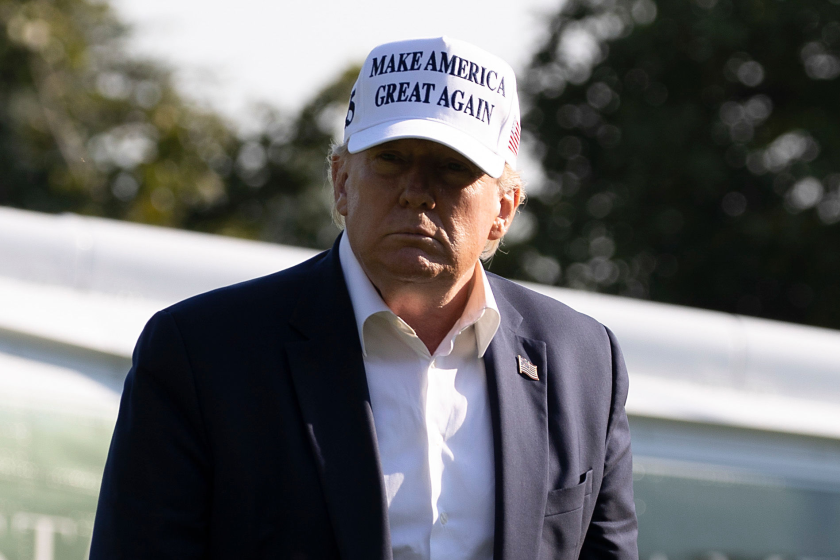
Companies like YouTube, Disney, and Meta have paid over $90 million to settle lawsuits brought by former President Trump.
Read More
- Clash Royale Best Boss Bandit Champion decks
- Vampire’s Fall 2 redeem codes and how to use them (June 2025)
- Mobile Legends January 2026 Leaks: Upcoming new skins, heroes, events and more
- World Eternal Online promo codes and how to use them (September 2025)
- Clash Royale Season 79 “Fire and Ice” January 2026 Update and Balance Changes
- Best Arena 9 Decks in Clast Royale
- M7 Pass Event Guide: All you need to know
- Clash Royale Furnace Evolution best decks guide
- Best Hero Card Decks in Clash Royale
- Clash of Clans January 2026: List of Weekly Events, Challenges, and Rewards
2025-12-18 02:33