
Film scores are probably the most widely heard music, yet often aren’t truly listened to. Despite being everywhere and greatly enhancing movies – even achieving artistic merit – film music often doesn’t receive the attention and appreciation it deserves.
From the beginning, this work was dismissed by many in the classical music world, preventing it from gaining a place in concert halls despite its clear connection to established orchestral pieces. It’s also been overlooked by general audiences and even Hollywood, as demonstrated by the Golden Globes’ choice not to televise the original score award – supposedly due to time constraints. (Ludwig Göransson won for “Sinners,” yet the show still ran long, even exceeding the length of “Avatar: Fire and Ash.”)
Conductor Scott Dunn is working to elevate film music and combat its undervaluation by launching a new orchestra at the Wallis in Beverly Hills. This orchestra features some of Los Angeles’s most talented studio musicians and will focus on performing exceptional scores.
“It really strikes me that we had so many brilliant people here, and we didn’t really pay attention to them,” Dunn explains.
The Scott Dunn Orchestra launched last May with a concert celebrating the music of Henry Mancini, and followed that in November with a tribute to midcentury Hollywood composers. This Saturday, they’re taking audiences back to the 1970s with iconic scores by Jerry Goldsmith (from “Chinatown”), Nino Rota (“The Godfather”), Marvin Hamlisch (“The Spy Who Loved Me”), David Shire (“The Conversation”), and, naturally, John Williams.
Dunn admits this was the most challenging concert he’s ever organized. He explains that creating additional programs featuring music from the 1970s would be easy, as there’s a huge amount of material to choose from.
His upcoming concert in May will highlight the European composers who immigrated and played a key role in developing the sound of Hollywood movie scores during the 1930s.
The 1970s were a creatively rich period for film music. Some of the new directors emerging at the time were open to trying new things. For example, the score for “Chinatown” was quickly composed for an unusual ensemble of four pianos, four harps, and a single trumpet. In contrast, the score for “The Conversation” used only a solo piano, mirroring the film’s isolated and sad main character. Other directors preferred a more traditional orchestral sound, leading to collaborations like Martin Scorsese and Bernard Herrmann on “Taxi Driver,” and Steven Spielberg’s pairing with John Williams, who brought back the large-scale, epic style of film scoring.
The 1970s brought a wave of new musical influences to American film. Composers from France and Italy, like Rota and Michel Legrand, blended classic and modern styles. Simultaneously, Broadway composers such as Hamlisch contributed catchy melodies and sophisticated arrangements. The decade also saw a nod to Hollywood’s past with music from legendary composer Miklós Rózsa. It was a period of significant change and a fascinating mix of sounds.

While some film scores, or their key ideas, have been performed in concert halls, even excellent movie music is often treated as something for casual “pops” concerts or outdoor summer events. This implies that many symphony orchestras believe film music is best suited for family-friendly, informal settings rather than serious musical performances.
These days, most orchestras are playing film scores, but usually while showing the movie on a big screen. The Los Angeles Philharmonic is part of a growing trend of performing live scores alongside films like “Jurassic Park” and “Home Alone.” However, composer John Dunn, who hoped this would increase appreciation for film music, says it’s mostly become a way to attract audiences to popular movies and boost ticket sales, rather than highlighting the music itself or its artistic merit.
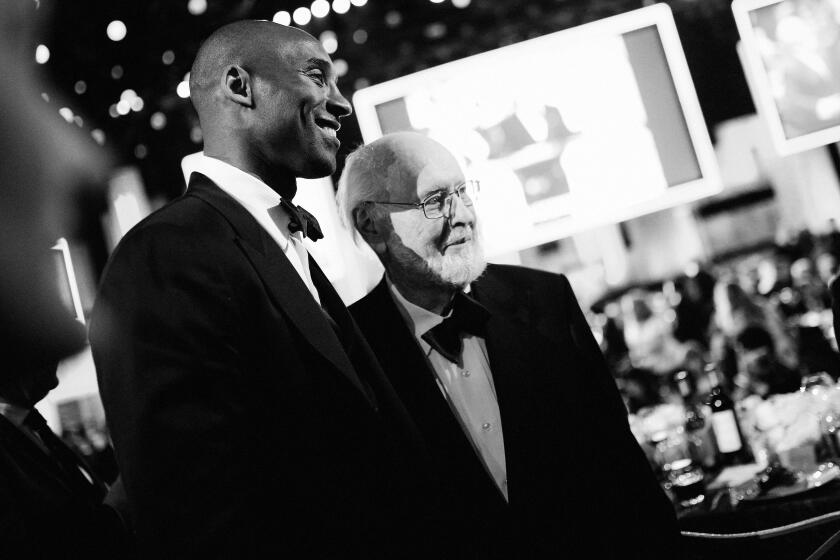
He was quick to point out that this was positive, as it attracts audiences. However, he believes the music itself can create incredible concert experiences, especially when presented without the film and with carefully chosen arrangements.
Dunn learned from John Mauceri, the founder of the Hollywood Bowl Orchestra in 1991, who led popular film music concerts there for fifteen years. Mauceri believed the music itself should be the main focus, arguing that the film could actually be a distraction. He felt that with careful arrangement, film scores could stand alone as excellent concert music.
As a film music fan, I’ve always wondered why we don’t see more orchestral concerts dedicated to movie scores. It’s a surprisingly complex issue. While external hurdles like securing rights and finding original scores are definitely problems, a lot of the resistance actually came from within the composing community itself. The early generations of Hollywood composers, unfortunately, bought into the idea that film music wasn’t ‘serious’ enough compared to classical work. They often didn’t value their own creations, and rarely bothered to properly archive or adapt them for the concert hall. Honestly, just finding those old scores in playable condition, on top of all the licensing headaches, makes putting on these concerts a real challenge.
From the very beginning of Hollywood, people have been captivated by film scores. These moviegoers developed a special sensitivity, learning to truly listen to and enjoy the music that plays alongside dialogue and sound effects. Often dismissed as simply “background” music, we believe it’s actually the heart and soul of the cinematic experience.
This small group was full of talented musicians. Many of them started playing themes from movies like “Indiana Jones” with their school bands and eventually joined professional orchestras, eagerly anticipating the chance to perform scores from films like “Star Wars” in famous venues such as Disney Hall and Carnegie Hall. The club also nurtured conductors, including Gustavo Dudamel, a passionate fan of film music, along with Mauceri and David Newman, son of the renowned film composer Alfred Newman. Both went on to become experts and champions of film music in concert settings.
David Dunn’s path to this club was unexpected. As a child in Iowa, he loved playing Broadway tunes on the piano and, with excellent instruction, was accepted into Juilliard. However, the pressure of piano competitions overwhelmed him, leading him to abandon music. He moved to Los Angeles, studied pre-med at USC, and ultimately became a certified eye surgeon.

In the early 1990s, Dunn decided to sell his house. Among those interested in buying was Leonard Rosenman, a celebrated Oscar-winning composer known for his work on “Rebel Without a Cause.” Rosenman spotted a Steinway grand piano and advanced musical scores, realizing that Dunn wasn’t just a doctor, but a talented musician. They struck up a friendship, and Rosenman encouraged Dunn to pick up music again.
He first returned to playing the piano, but he felt isolated as a solo performer. This led him to conducting, where he enjoyed the collaborative experience of making music with a full orchestra.
He advises against attempting to become a top conductor so late in life, saying it’s a very difficult and challenging journey.
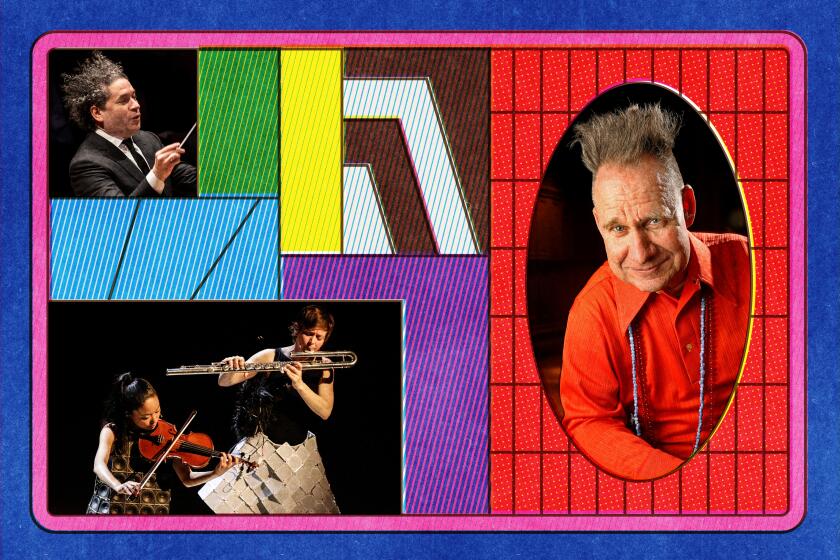
All that hard work proved worthwhile. Dunn has gone on to lead major orchestras around the world, from Los Angeles to Sydney, and has played alongside numerous popular musicians. He’s also a strong advocate for film scores, often arranging the music himself and sometimes even playing the piano.
Does anyone actually enjoy this kind of music? Dunn seems confident they do, noting that all their concerts have been sold out so far. He’s already planning future performances, potentially featuring music by French composers, Randy Newman (whom he compares to Schubert), and, of course, John Williams, with a focus on some of Williams’ less famous pieces.
This “background” music deserves L.A.’s full attention.
Read More
- Clash Royale Best Boss Bandit Champion decks
- Vampire’s Fall 2 redeem codes and how to use them (June 2025)
- World Eternal Online promo codes and how to use them (September 2025)
- How to find the Roaming Oak Tree in Heartopia
- Mobile Legends January 2026 Leaks: Upcoming new skins, heroes, events and more
- Best Arena 9 Decks in Clast Royale
- ATHENA: Blood Twins Hero Tier List
- Clash Royale Furnace Evolution best decks guide
- Brawl Stars December 2025 Brawl Talk: Two New Brawlers, Buffie, Vault, New Skins, Game Modes, and more
- How To Watch Tell Me Lies Season 3 Online And Stream The Hit Hulu Drama From Anywhere
2026-01-15 21:32