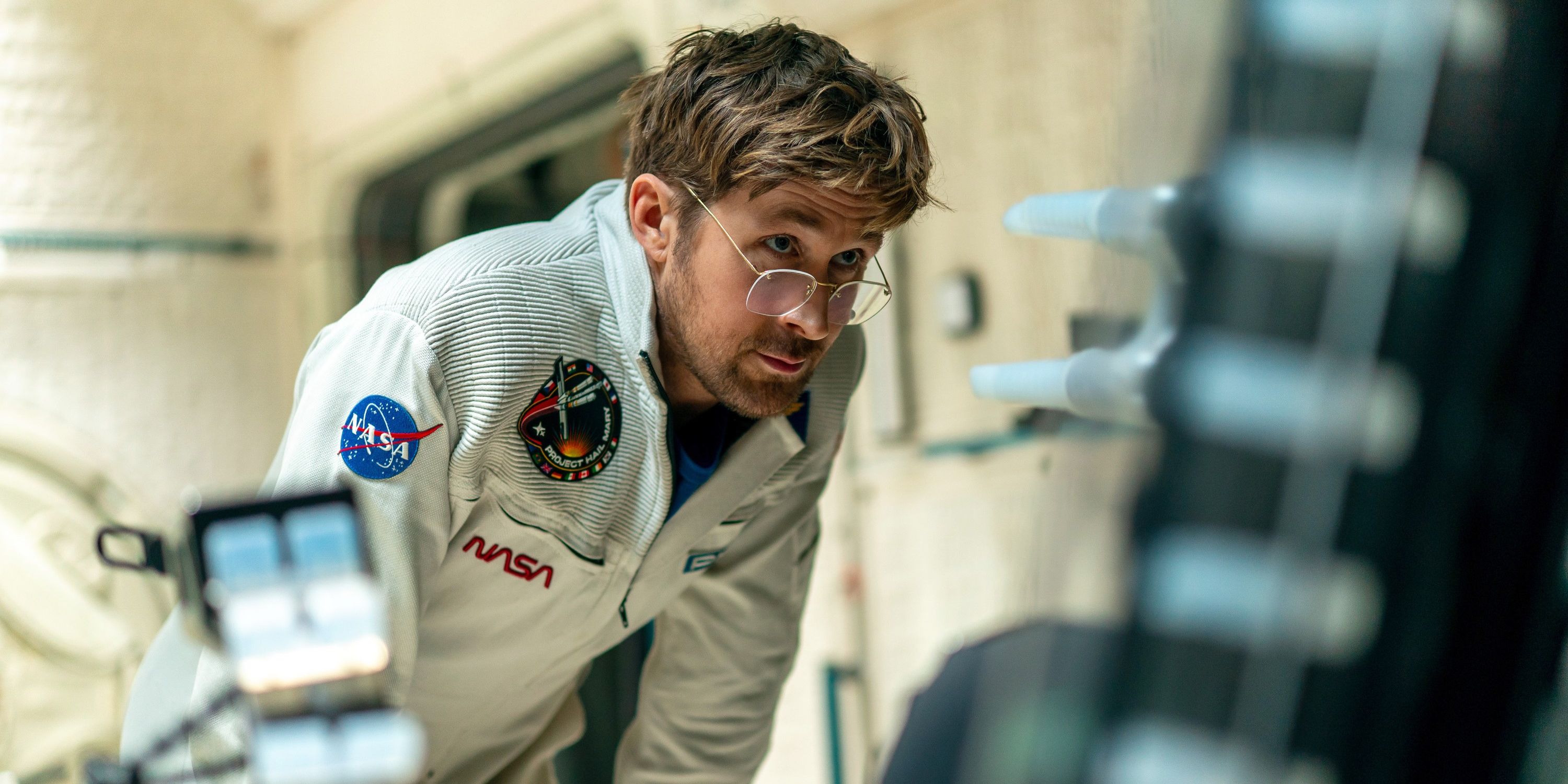
Ryan Gosling stars in a new, large-scale science fiction film that’s taking a different approach than most. Director Chris Miller explains that the movie was filmed without using any traditional green or blue screen effects.
According to director Miller, a key element of the movie’s appeal is that it was filmed entirely using practical sets – no green screens were used at all. The filmmakers actually built a large portion of the spaceship, both inside and out, allowing the actors to interact with a real environment. This commitment to physical sets, and having a tangible set around the actors at all times, contributes to the film’s realistic and natural feel.
That’s not what he meant, despite some jokes online. Miller explained on social media that saying “no green screen” doesn’t mean there were no visual effects (VFX) used at all.
Miller explained in a tweet that they avoided relying heavily on green screen effects, as they can look unrealistic if not done well. Instead, they physically built the interior of the spaceship in the movie ‘Hail Mary.’ However, even with the set, some digital cleanup was still needed to remove wires, puppeteers, and replace ceilings during post-production.
Miller explained that when filming Ryan outside the ship, they used a black backdrop to simulate space and a color-changing background for scenes near a planet’s aurora, creating realistic lighting that surpassed what a green screen could achieve. The vast space scenes and spaceship shots were all created digitally by ILM, while the character Rocky was brought to life through a combination of puppetry and animation by Framestore, along with contributions from many other talented artists. Miller emphasized that the project was a collaborative effort, and they were fortunate to work with the best in the industry.
Project Hail Mary’s Lack of Green Screen Is a Bold Sci-Fi Risk
Unlike many recent big-budget movies, Project Hail Mary didn’t use a green screen and extensive digital effects. While digital effects give studios flexibility to change films during editing, some viewers feel that relying on them too much can make movies feel artificial and less impactful compared to older films where more of what you see was actually built and filmed.
I’ve always noticed how tricky green-screen shots can be, and it’s something Miller pointed out too – getting the lighting right is a real challenge. I remember people weren’t thrilled with how the heroes looked during the big finale, especially with that bright orange, digital background. It just didn’t quite blend seamlessly, and it really stood out.
Despite the potential challenges, the filmmakers behind Project Hail Mary made a bold choice. Instead of creating the alien character, Rocky, with computer-generated imagery, they opted for practical effects – a less common approach, especially given the film’s large $200 million-plus budget and the lack of an established franchise. While the film is based on a novel by Andy Weir, who also wrote The Martian, that earlier film succeeded with a significantly smaller budget.
Despite initial doubts, these decisions appear to be working well. Even Guillermo del Toro, a director renowned for his ability to create compelling fantasy films, agrees.
Del Toro enthusiastically praised the movie on Twitter, calling it emotional and beautiful with outstanding performances and masterful direction. He particularly highlighted the impressive practical effects, sets, and puppetry created by Phil and Chris, describing them as inspiring and a goal for his own work, especially in an era dominated by digital effects.
It’s still uncertain if the creative decisions made by Lord and Miller will resonate with audiences beyond director GDT and translate into box office success, though initial reactions are positive. Project Hail Mary hits theaters on March 20th.
Read More
- Invincible Season 4 Episode 4 Release Date, Time, Where to Watch
- Physics Proved by AI: A New Era for Automated Reasoning
- How Martin Clunes has been supported by TV power player wife Philippa Braithwaite and their anti-nepo baby daughter after escaping a ‘rotten marriage’
- Gold Rate Forecast
- CookieRun: OvenSmash coupon codes and how to use them (March 2026)
- American Idol vet Caleb Flynn in solitary confinement after being charged for allegedly murdering wife
- Total Football free codes and how to redeem them (March 2026)
- Goddess of Victory: NIKKE 2×2 LOVE Mini Game: How to Play, Rewards, and other details
- Olivia Colman’s highest-rated drama hailed as “exceptional” is a must-see on TV tonight
- Only One Straw Hat Hasn’t Been Introduced In Netflix’s Live-Action One Piece
2026-03-06 01:36