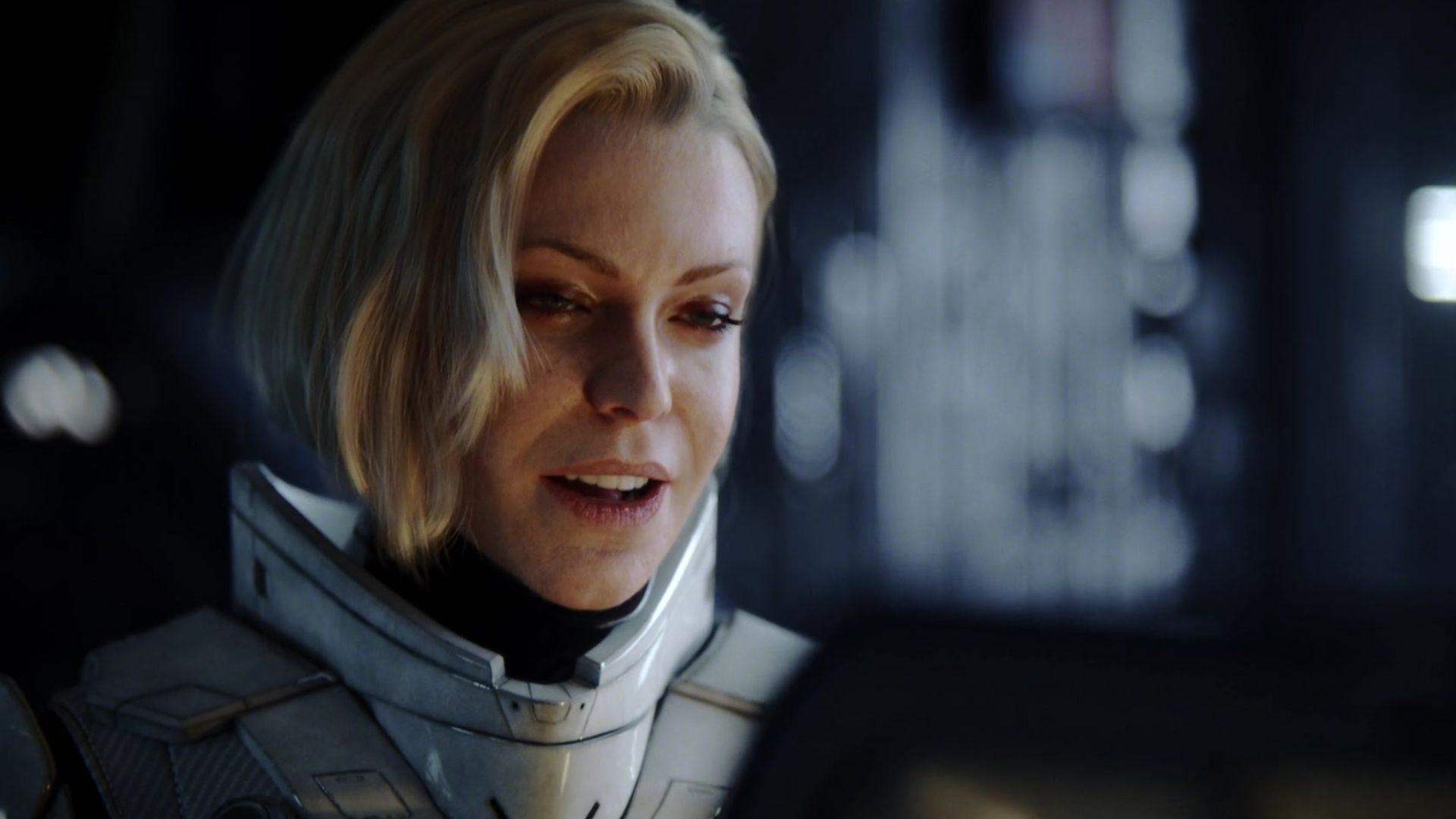
Despite being in its fourth season, Netflix’s Love, Death & Robots still feels fresh and innovative. The animated sci-fi series has presented a wide variety of stories without ever losing momentum. While the anthology format often lends itself to long runs, Love, Death & Robots truly excels at it.
Anthology sci-fi shows often stay interesting by introducing new characters, settings, and stories each time. But truly groundbreaking reinvention every episode is rare. Love, Death, & Robots stands out because it fully embraces the possibilities of the anthology format, using it as a space for bold and innovative storytelling.
Compared to classic sci-fi series like The Twilight Zone and Black Mirror, Love, Death & Robots feels built to last. It’s all about trying new things with its stories, visuals, and overall mood. Episodes can be dark, funny, thought-provoking, or even completely silent visual experiences. This isn’t just a creative choice – it’s a way to ensure the show can continue indefinitely.
Love, Death & Robots Can Do Whatever It Wants
Unlimited Freedom Means Unlimited Stories
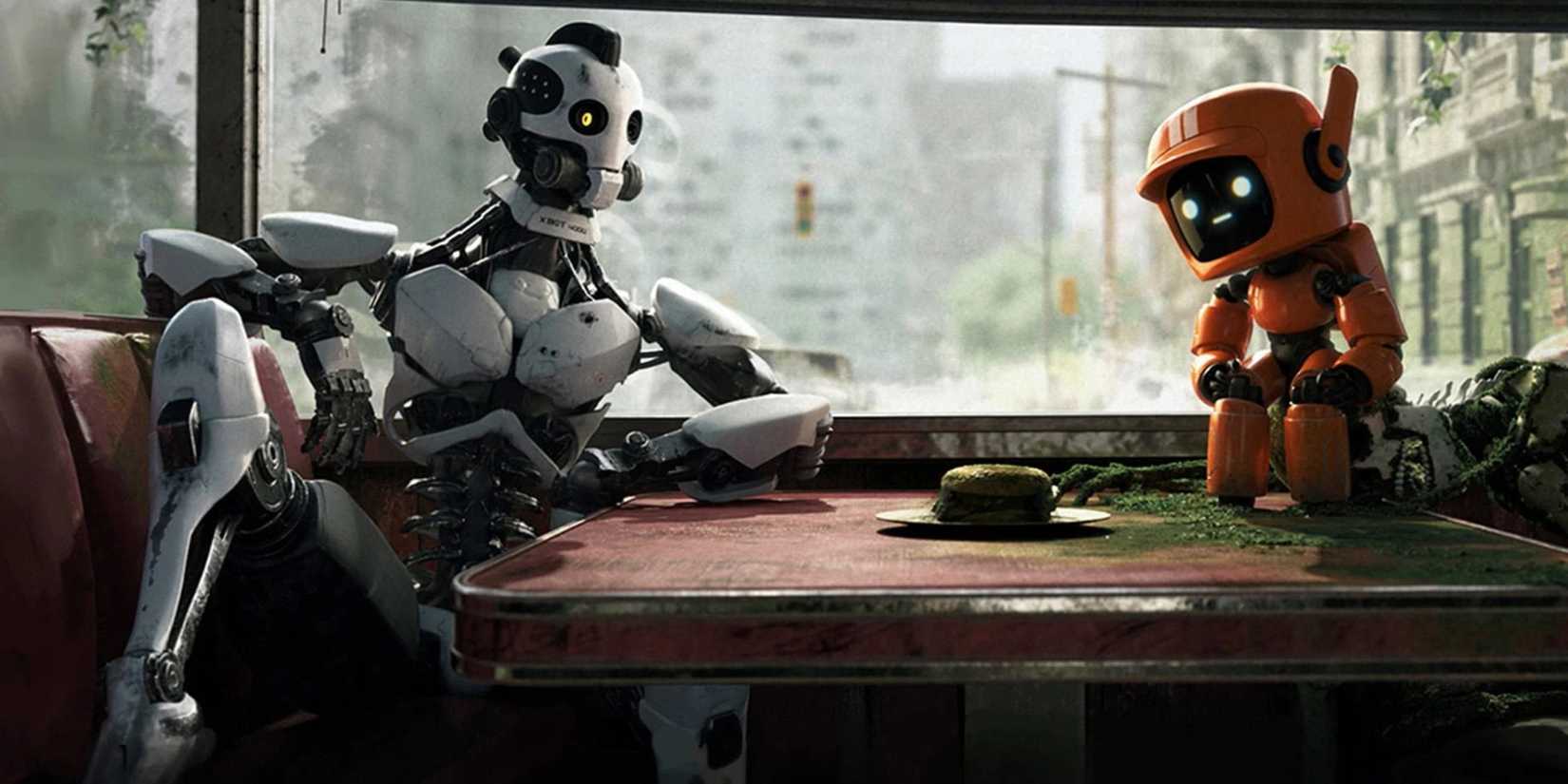
Anthology series tend to stay fresh and engaging for a long time. Because each season tells a complete, separate story with a new set of writers and creators, they don’t suffer from the same burnout that affects shows with ongoing, connected plots. This is especially true for science fiction anthologies – the possibilities within the genre are limitless. With ever-evolving technology, different versions of reality, and imagined futures, there’s always a new story to tell.
Shows like the classic The Twilight Zone and the more recent Black Mirror demonstrate just how much potential there is in the anthology sci-fi format. Both were groundbreaking for their time, but even when they’re at their most creative, they tend to stay within familiar themes and tones. Their strangeness and experimentation are usually carefully managed.
Love, Death & Robots isn’t predictable. Each episode is incredibly different, almost as if the ideas are chosen at random. You might see a story about smart yogurt controlling the world one minute, and the next, a civilization rapidly evolving inside a freezer. There’s even an episode about a simple pool-cleaning robot that unexpectedly becomes aware of itself and starts questioning its existence.
These foundational ideas aren’t just tricks – they build the stage for genuinely unforgettable stories. LD+R fully commits to the unusual and doesn’t shy away from being different, which makes it incredibly compelling. The story’s mood can change quickly, the ideas are often very strange, and different genres are mixed together constantly. You’ll find horror next to comedy, serious science fiction alongside fantasy and satire – anything is possible.
The show’s flexibility and willingness to explore any idea helps it avoid the common pitfall of long-running TV series: becoming predictable. Because each episode of Love, Death & Robots can be about almost anything, viewers are always kept guessing. This open-ended approach means the show is unlikely to run out of fresh and original concepts.
Love, Death, & Robots Doesn’t Tie Its Stories To Contemporary Issues
Timeless Sci-Fi Ages Better Than Trend-Driven Dystopia
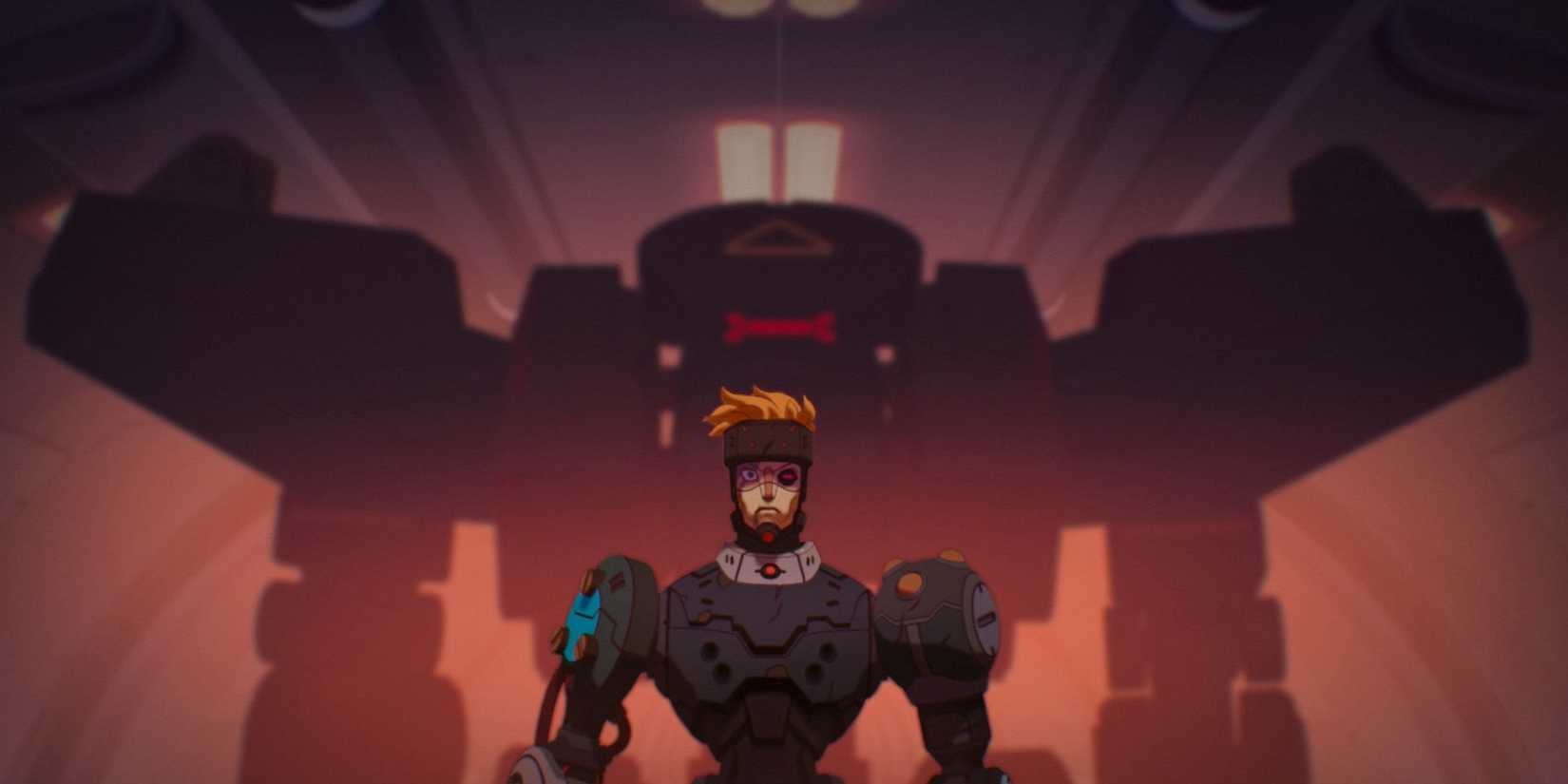
Classic science fiction often captures the worries of the era it was created in. For example, The Twilight Zone used symbolic stories to explore fears surrounding the Cold War, societal issues, and questions of right and wrong. Similarly, Black Mirror taps into current anxieties about being watched, the impact of social media, the rise of artificial intelligence, and our reliance on technology.
The instant relevance of these stories is compelling, but it comes at a cost. Stories focused on current anxieties can feel dated quickly as technology and culture change. What was once imagined becomes real, sharp commentary becomes a record of the past, and futuristic ideas lose their impact. Eventually, some episodes start to feel like relics of a specific time, rather than enduring works of fiction.
Love, Death & Robots generally steers clear of simply reacting to today’s technology or current anxieties. Instead, the show explores bigger, more unusual concepts like what it means to be conscious, how things evolve, the nature of conflict, the power of art, who we are, and the often-bizarre reality of being alive.
The science fiction in LD+R isn’t about predicting future technology or warning about its dangers. Instead, it’s driven by a sense of wonder and exploration. The stories aren’t focused on what might realistically happen; they playfully examine unusual ideas without being tied to current events or technological advancements. This approach allows the stories to remain timeless and avoid being limited by the pace of real-world innovation.
Because of this, Love, Death & Robots feels like it will stay relevant for a long time. The show explores the more imaginative and thought-provoking side of science fiction, so it won’t feel outdated as technology changes. This approach gives it lasting creative potential.
Animation Is Love, Death, & Robots’ Secret Weapon
Visual Reinvention Keeps Every Season Fresh

What really sets Love, Death & Robots apart, and helps it stay fresh, is its animation. Each episode boasts a unique visual style—sometimes incredibly realistic CGI, other times stylized 2D or experimental art. This variety immediately makes each story feel new and different, even before it begins.
Love, Death & Robots uses animation to overcome the practical challenges of making science fiction films. This allows for the creation of alien landscapes, fantastical physics, and dreamlike visuals without any limitations. The show can easily shift in scale and mood, and with a wide range of visual styles, the only boundary is the creators’ own imaginations.
To make the series even more visually interesting, LD+R intentionally uses a variety of artists and studios. Each one brings its own unique style, cultural perspective, and creative approach. This constant change keeps the show’s look fresh and prevents it from becoming predictable.
The future of Love, Death & Robots looks bright as long as animation continues to advance. With fresh techniques, artistic styles, and talent, the show has endless possibilities for visual creativity. This ability to constantly reinvent itself isn’t just a benefit—it’s crucial for its survival and guarantees more seasons as long as viewers are interested.
Read More
- ‘Project Hail Mary’s Unexpected Post-Credits Scene Is Worth Sticking Around
- Beyond Accuracy: Gauging Trust in Human-AI Teams
- Gold Rate Forecast
- The most surprising Hannah Montana cameos: From John Cena to Dwayne Johnson and even a Coronation Street soap star as show celebrates its 20th anniversary
- Limbus Company 2026 Roadmap Revealed
- EMEA Masters Winter 2026 introduces official Qualifier for Esports World Cup
- Genshin Impact Version 6.5 Leaks: List of Upcoming banners, Maps, Endgame updates and more
- Brawl Stars Sands of Time Brawl Pass brings Sandstalker Lily and Sultan Cordelius sets, along with chromas and more
- Total Football free codes and how to redeem them (March 2026)
- Brawl Stars Brawl Cup Pro Pass arrives with the Dragon Crow skin and Chroma, unique cosmetics, and more rewards
2026-03-14 20:34